Does Pine Sol Kill Fleas on Cats? Vet-Reviewed Effectiveness & Safety Explored


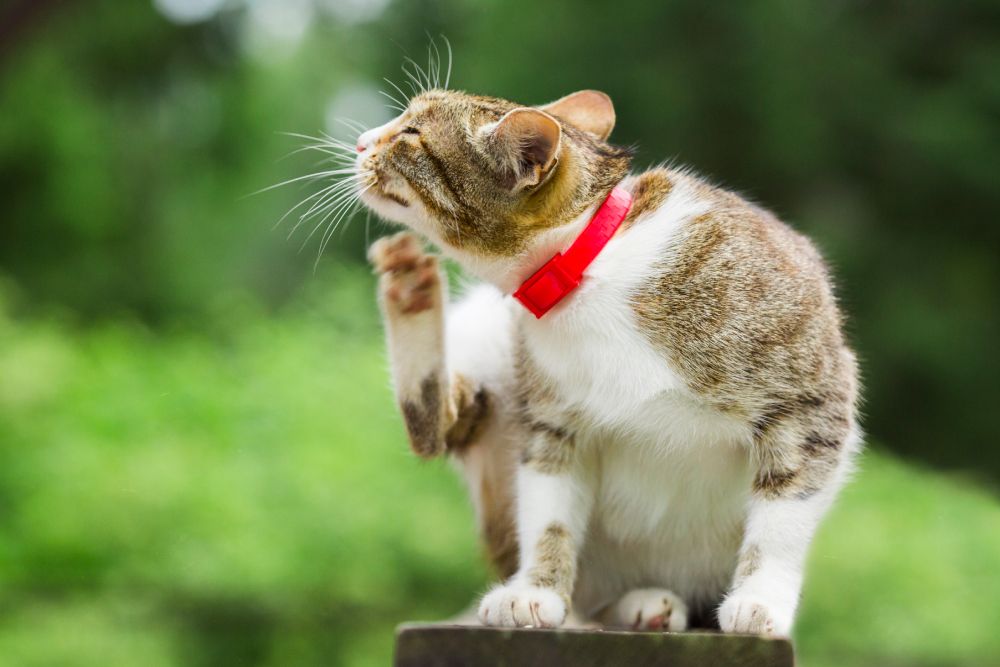
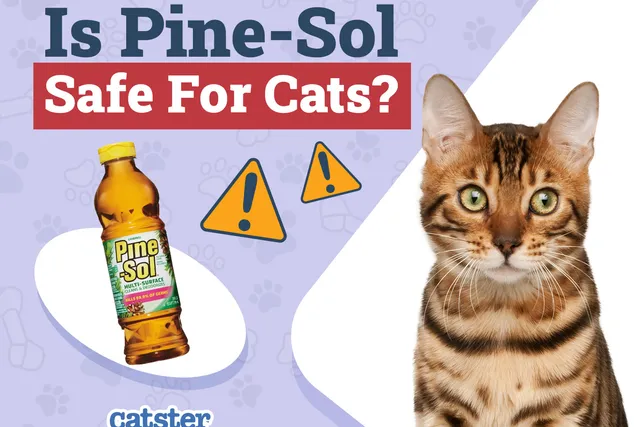
Pine-Sol is a well-known cleaning product for kitchen and bathroom floors. There is some information surrounding the product and how it may affect fleas on cats, but we can confidently say that Pine Sol does not kill fleas on cats. In fact, the manufacturer states that their products should not be used as pet shampoo, and the ingredients in Pine-Sol can be very harmful to cats (and any other pet) if applied to them directly. Read on to discover why this is the case.

What Is Pine-Sol?
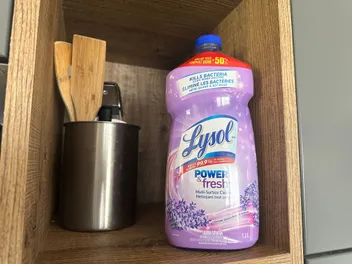
Pine-Sol is a disinfectant cleaner that is usually diluted and comes in several scents. Two formulations of Pine-Sol are available for purchase, one which contains pine oil (the "original scent") and the newer multi-scented line. Both of these product lines are used for household cleaning and disinfecting, and Clorox has owned the brand since 1990 when the new fragrances were developed.
The new lines of Pine-Sol contain several ingredients that clean, disinfect, and remove oil from surfaces in the home, including:
- PEG/PPG Propylheptyl Ether
- C10-12 Alcohol Ethoxylates
- Sodium Secondary C13-18 Alkyl Sulfonate
- Sodium Sulfate
- d-Limonene
However, the original Pine-Sol cleaning solution contains pine oil (around 8%), which is still available online and poses a significant danger to pets, including cats.
Can I Use Pine-Sol on My Cat?
You cannot use Pine-Sol on your cat, whether diluted or straight from the bottle. Doing so poses a massive risk to your cat's health and can acutely poison them if the old formulation is used. To reiterate, you should never put any cleaning products, including Pine-Sol, directly onto your cat.
Pine-Sol Can Cause Skin & Eye Irritation
If Pine-Sol comes into contact with your cat's eyes, it can cause eye irritation and damage. If the original formulation of Pine-Sol is used, it can cause significant eye damage. Because Pine-Sol is acidic (with a pH of three to four), it can also cause burns to the skin. This will most likely only occur with un-diluted products, and it's unlikely that many cats will tolerate having the cleaning product on their skin for more than a few moments.
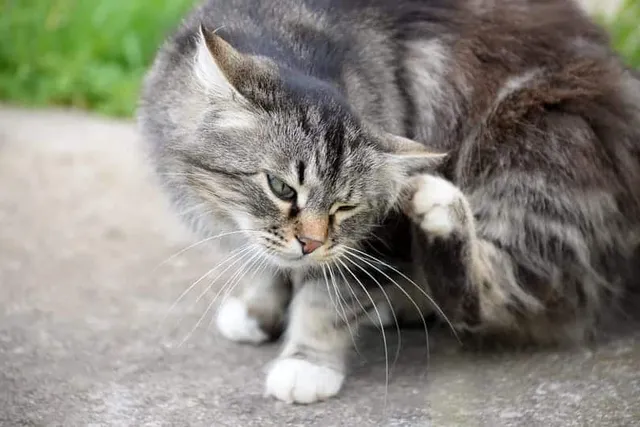
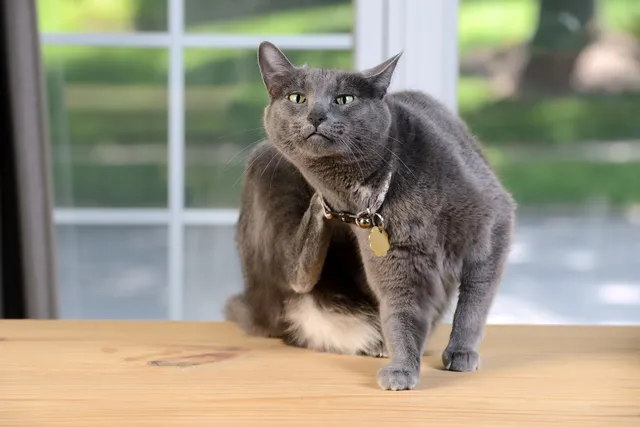
Remember that fleas cause damage and irritation to the skin also, and flea allergy dermatitis is the most common allergy seen in cats in the US. Flea allergy dermatitis (FAD) causes intense itching and irritation when fleas bite cats, as they are allergic to the saliva the flea leaves behind.
A single flea bite can cause FAD, but even cats that don't suffer from FAD can damage their skin from scratching. Dumping Pine-Sol on a cat with fleas means you’re putting an acidic product directly on open wounds. That will hurt!

Pine-Sol Can Cause Gastrointestinal Upset
A more concerning result of putting Pine-Sol on your cat's fur and skin to get rid of fleas is gastrointestinal upset and damage if they ingest it. Cats are clean creatures that spend 30%–50% of their day grooming, so it's almost certain they'll lick Pine-Sol off of themselves if it gets on their skin or fur. The normal formulation of Pine-Sol is acidic, which can possibly cause irritation and burns to the mouth, esophagus, and gastrointestinal tract if ingested. Acids can also cause vomiting, diarrhea, and pain if ingested, even if the pH of the product isn't that low.
Pine-Sol products also use non-ionic surfactants. If ingested, they can cause mild gastrointestinal upset, but not as much as ionic or cationic surfactants can. D-Limonene, another ingredient in Pine-Sol, can also cause mild gastrointestinal upset if ingested.
The pine oil found in the original formula of Pine Sol can also cause digestive problems, but the danger of pine oil is not limited to just the gastrointestinal system.
Pine Oil Is Toxic to Cats

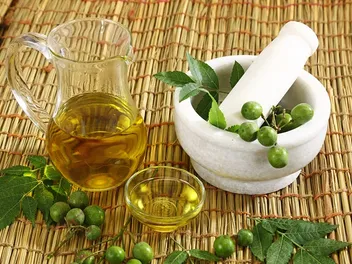
Pine oil and phenols are very toxic to cats and should always be kept away from them. For example, Pine-Sol’s original formula, which can be bought online only, contains 8%–10% pine oil. This poses a risk to your cat, as pine oil is toxic to cats and can cause damage to their eyes, mucous membranes, skin, and internal organs.
Cats lack enzymes that can metabolize some of the substances found in pine oil. These substances are easily absorbed through skin and mucous membranes, such as the gums and inside the mouth, and they can cause severe liver damage or even death. Pine oil can also cause systemic problems affecting a cat's entire body, including the central nervous and respiratory systems.
Only a small amount of pine oil can cause problems and illness in cats, so it should never be used on them. This includes the original formulation of Pine-Sol.
The signs of pine oil toxicity in cats include:
- Nausea
- Vomiting with or without blood
- Salivating
- Abdominal pain
- Central nervous system weakness and depression
- Respiratory depression
- Ataxia (wobbling gait)
- Low heart rate
- Liver failure
Will Pine-Sol Kill Fleas?
Pine-Sol is not an effective way to kill fleas, and it won't affect eggs or other life stages of fleas. Adult fleas on your pet only make up 5% of an active flea infestation, with 95% living in your home.
What Safely Kills Fleas on Cats?
The best treatment for fleas on cats is veterinarian-prescribed flea treatments that will kill fleas. Speak to your vet to see which product would suit your cat best since different products are available for various ages and weights. Topical treatments ("spot-on") are commonly prescribed as they are easy to apply and last around 30 days. Tablets and collars are also available, but they typically don't offer protection for other parasites like many topical medications do.
Make sure never to use flea treatments meant for dogs on your cat, as many contain highly toxic (and potentially deadly) ingredients called permethrin or pyrethrins, which are fine for dogs but very dangerous for cats. While treating your cat with a prescription flea treatment will protect it for as long as it is upheld, you must also treat your home to eliminate the pests.
Final Thoughts
Pine-Sol is a popular and effective household cleaner and disinfectant commonly used to clean floors. Pine-Sol is safe to use around cats, but it should never be put directly on your pet. Pine-Sol can't kill fleas on your cat, and it can cause irritation, pain, and gastrointestinal upset and is even toxic to cats in certain formulations. The best way to get rid of fleas on your cat is to use a flea treatment prescribed by your veterinarian.
Sources
https://vcahospitals.com/know-your-pet/allergy-flea-allergy-in-cats
https://www.aspcapro.org/resource/ingredients-toxicities-cleaning-products
https://www.dvm360.com/view/toxicoses-caused-household-products-proceedings
https://fleascience.com/flea-encyclopedia/life-cycle-of-fleas/adult-fleas/can-fleas-swim/
Featured Image Credit: AlexanderDubrovsk, Shutterstock
Expert cat care, straight to your inbox
News, insights, and useful advice, delivered to you.

No spam — unsubscribe anytime.
By signing up, you agree to our Terms & Conditions and Privacy & Cookies Policy.
How useful was this post?
Click a star to rate. You can leave written feedback afterwards. (We read all feedback.)
Beth is a mom to two toddlers: one with four legs, one with two. Beth has years of practical experience as a veterinary care assistant, working in both the operating room and in consult, expanding her knowledge to gain certification in her favorite subject: feline behavior and welfare! When she's not writing about her favorite topics (cats and creature comforts), she's looking after her two-year-old daughter and her mischievous eight-year-old Nebelung, Kiba. When she gets a moment's respite, Beth loves to delve into fiction books. Horror is her favorite genre, with fantasy and rich history being her second go-to's.