Why Won’t My Kitten Poop? 7 Vet-Reviewed Reasons & Solutions
In this article
Constipation is an abnormal accumulation of feces in the large intestines with infrequent or difficult defecation. Constipation is a serious issue for cats, including kittens. Not only is it uncomfortable, but it can lead to serious health problems if left untreated, and it always warrants veterinary attention. In some cases, a kitten may pass less feces or none for more than 24 hours, also indicating a potential underlying health issue, particularly if they have not been eating.
Getting to the root of your kitten’s constipation can only be done with the professional help of your veterinarian based on a clinical exam and diagnostic procedures. Here are several possible reasons why kittens won’t be able to poop or may suffer with constipation.
However, this article is not a replacement for veterinary advice, and if your kitten has any issues passing feces, they need to be checked by your vet immediately.

The 7 Possible Reasons Your Cat Does Not Poop
1. Lack of Stimulation in Kittens Under 3 Weeks of Age
| Signs: | Orphaned, under 3 weeks old, lack of obvious feces production, distended abdomen, painful abdomen, swollen anus, hard and dry feces. |
| Treatment: | Stimulate anus and gently massage the lower abdomen before and after each meal. Contact a veterinarian. |
Neonatal kittens cannot go to the bathroom by themselves for the first 3 weeks of their life. During this time, it is the mother’s responsibility to stimulate the kitten’s anus to help them go to the bathroom. If the cat is orphaned and is under 1 month old, the constipation is most likely due to a lack of stimulation.
If your kitten is under 1 month old and is orphaned, they should be stimulated to use the bathroom before and after each meal. Use a baby wipe or a wet cotton bud to gently rub their anus in a circular motion and massage their lower abdomen. Do this before and after every meal and continue the movement until after the kitten starts pooping. This will also enable the kitten to urinate, as they need to urinate almost every time when stimulated, and they will defecate at least once daily.
This is the only way to get a neonatal kitten to have a bowel movement. After the kitten is about 1 month old, they should be able to go to the bathroom on their own.

2. Parasites
| Signs: | Failure to thrive and gain weight, intermittent constipation or diarrhea, mucus or blood in the stool, loss of appetite, pot-bellied appearance, vomiting, sometimes prolapsed or swollen anus if there is prolonged straining. |
| Treatment: | Contact a veterinarian. |
Kittens can become constipated if there are a large number of parasites in the intestines. Roundworms are especially dangerous for kittens. Kittens are more likely to get roundworms than adult cats.
If your cat is showing any signs of parasite infestation, such as straining to defecate, diarrhea, loss of appetite, vomiting, weight loss, presence of adult worms in the stool, or lethargy, you will need to contact your vet. They will examine the kitten’s stool to determine if parasites are present. If they are, the cat will receive antiparasitic medication. Left untreated, parasitic infestation can lead to severe health issues, particularly in young kittens.
3. Conditions That Lead to Dehydration and Pain
| Signs: | Lethargy, loss of appetite, sunken eyes, delayed skin tenting, straining to defecate, small hard feces. Depending on the underlying condition, other signs could include vomiting and changes in thirst and urination habits. |
| Treatment: | Contact a veterinarian. |
Water plays an imperative role in your kitten’s bathroom habits. If your kitten is not getting enough water, is sick, or not eating adequately, they may not be able to go to the bathroom properly. Dehydration in kittens and cats is usually caused by an underlying medical condition and always needs to be checked out by your veterinarian.
Other health issues or injuries that cause pain may also lead to your cat’s reluctance to defecate, leading to constipation. This could be pain in their abdomen, back legs, hips, or spine, or it could be from wounds or other injuries and trauma. Stress and anxiety can also play a role. Make sure your kitten always has access to fresh water and contact your vet for help.
4. Gastrointestinal Blockages
| Signs: | Vomiting, loss of appetite, distended or painful abdomen, drooling, straining to defecate, painful and incomplete defecation, smaller feces than usual, lethargy, or fever. |
| Treatment: | Contact a veterinarian. |
If your kitten consumes inedible items, these can cause an obstruction of the stomach or the intestines. These obstructions will sometimes render the kitten unable to defecate, which may present as either not pooping at all, passing much less feces than usual, or straining to poop, alongside vomiting and a reduced appetite. Some common objects that lead to obstruction include pieces of toys, stuffing, ribbon, and hairballs.
Sometimes these objects get stuck in the stomach or small intestines, causing signs like vomiting, drooling, and reduced appetite, along with a painful abdomen. In other instances, these materials may get stuck in the rectum or even protrude through the kitten’s anus, along with them straining to defecate, licking their anus, passing mucus or blood or, at times, liquid stool. Never pull any obvious foreign bodies even if they are sticking out of the anus, as they may be stuck somewhere higher up in the intestine and you can cause significant damage if you pull on it. Your cat should see a vet immediately.
You will need to contact your veterinarian if you think your kitten is experiencing any kind of obstruction. X-rays will help to confirm this suspicion. The veterinarian will create a plan in order to remove the foreign body, usually by surgery or sometimes endoscopy if the foreign material is in the stomach. This condition can become life threatening if left untreated.

5. Congenital Defects
| Signs: | Straining to defecate, painful defecation, distended or pot-bellied abdomen, producing very little feces or none at all, poor appetite, vomiting, lethargy, failure to thrive, or a swollen or prolapsed anus. |
| Treatment: | Contact a veterinarian. |
Certain congenital defects can render your kitten unable to defecate at all—you will have to go to a veterinarian to get this confirmed. This is not very common, but it does occasionally happen and will require a surgical correction. Success of the treatment will depend on the extent of the malformation and how quickly it was picked up.
6. Change of Food or Weaning
| Signs: | Reduced appetite, diarrhea, and sometimes constipation. |
| Treatment: | Contact a veterinarian. |
Kittens have different dietary requirements based on their age, growth, and development. As they grow, they will first be weaned from their mother’s milk, or a milk supplement in the case of orphaned hand raised kittens. This process starts at around 3-4 weeks of age, when solid food is offered and the amount and frequency of feeding milk supplement is gradually reduced over the next few weeks. Weaning is usually finished by 7-8 weeks of age.
As kittens continue growing, their protein requirements change and depend whether they are spayed or neutered. Speak to your vet about your kitten’s nutritional needs based on their age, breed, size, and neutering status, along with when it is the best time to swap them from kitten to young adult cat food.
Any rapid change of food can cause a stomach upset in kittens, and the stress of the change can also impact the kittens’ appetite and demeanor, particularly when they are being weaned. This usually leads to reduced appetite if the food is not as palatable, along with vomiting and diarrhea, which can sometimes lead to constipation.

7. Inadequate Litter Box or Litter Material
| Signs: | Reduced defecation, avoidance of the litter box, inappropriate urination and defecation outside of the litter box. |
| Treatment: | Change the kind of litter box you use based on your kitten’s size and consider a different litter material. Contact a veterinarian. |
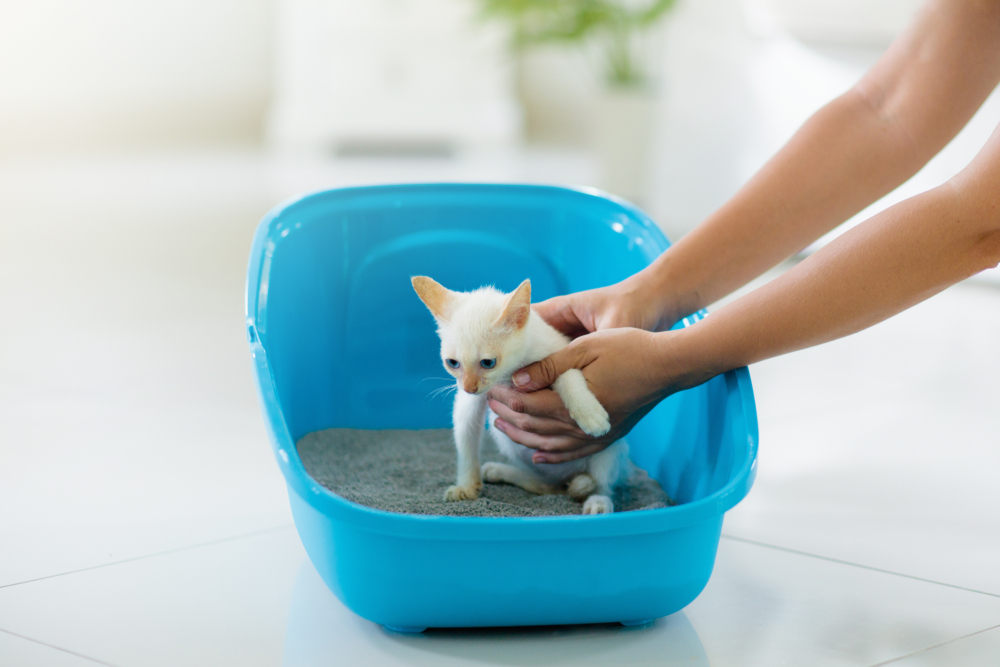
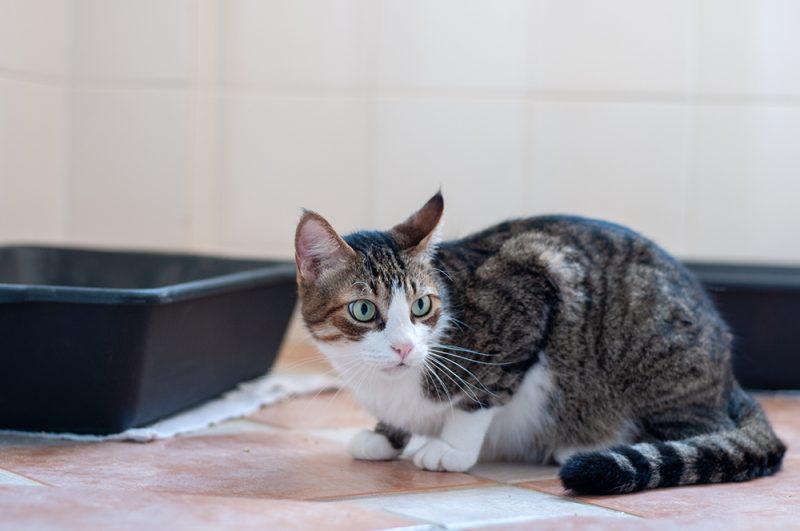
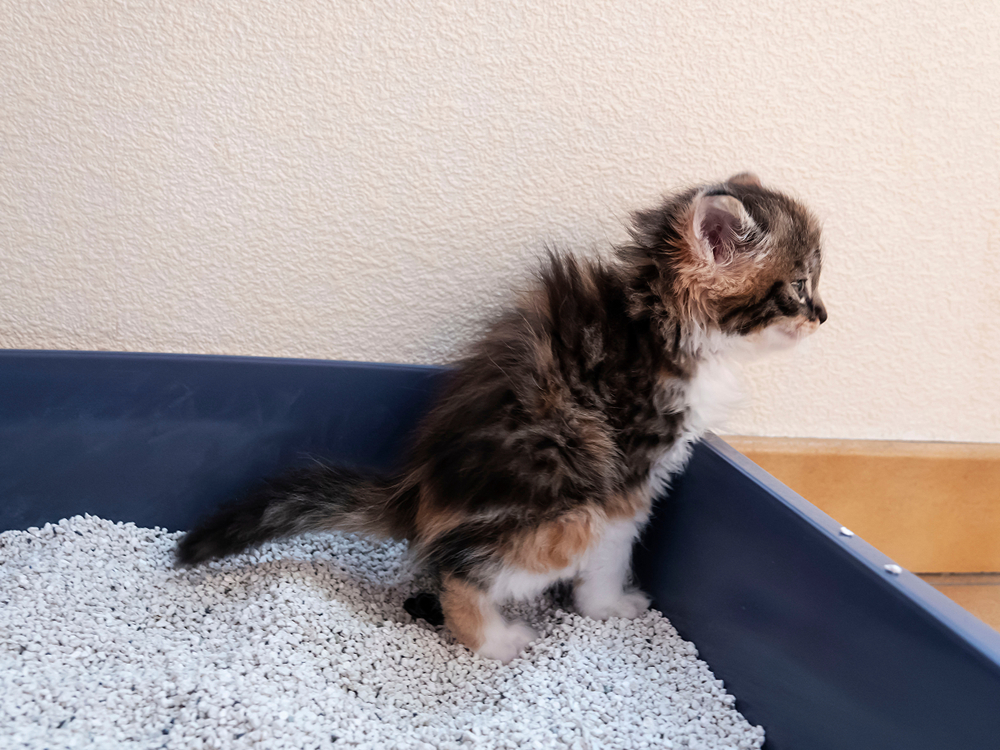
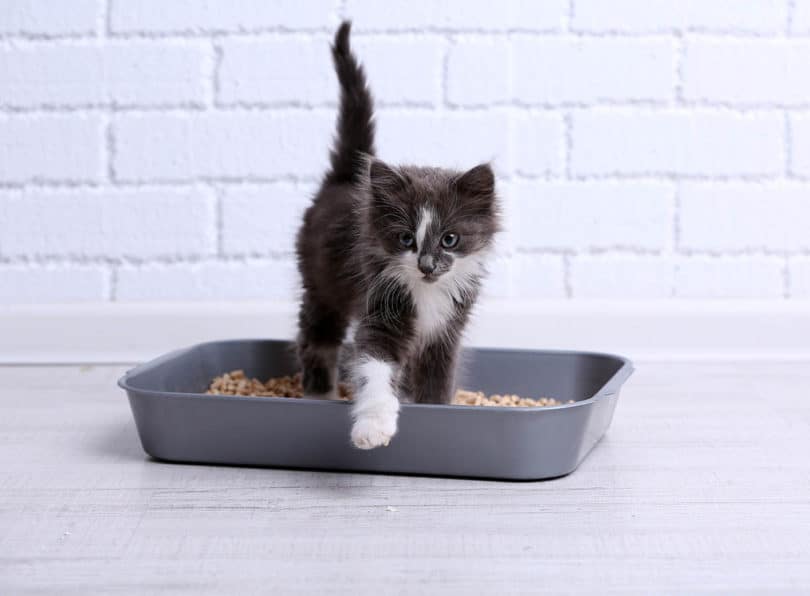
Kittens will generally start using a litter box from the age of 3-4 weeks of age. Make sure they do not ingest any of the litter material, and offer solid food at the same time. If the litter box is too small or the sides are too high and your kitten cannot get in comfortably, they may not use it at all, or very rarely. They may defecate elsewhere or they may hold their urine or feces longer than ideal.
As the kitten grows, they will need a bigger litter box. When changing the type of litter box, consider your kitten’s individual needs and preferences, as some may like an open box, while others will prefer a closed one. Litter material is also a case of preference, and you may need to try a few types before settling down for one.
How Often Should Kittens Poop?
Noticing constipation in your kitten can be difficult. Even though kittens eat more frequently than adult cats, they don’t necessarily have to go to the bathroom as much. Kittens will usually defecate at least once daily.
More so, changes in environment and food will impact how frequently your cat will need to go to the bathroom. For example, kittens go to the bathroom less whenever they are first brought into the home since it is a new environment. It may take them a day or two to find their feet and feel confident enough to use a litter box. Make sure the box is somewhere quiet, away from noise or other pets, so they feel safe while using it. Ensure there is a litter box for each cat in the home, plus one extra.
Kittens may defecate more frequently when they are younger, and once a day is the minimum. Afterward, weaned kittens usually defecate one to two times per day. If it has been 24 hours or more since your kitten last defecated or they are straining to poop, have a distended and painful abdomen, a swollen anus, reduced appetite, lethargy, or vomiting, they need to be checked out by your veterinarian.
Some kittens may only poop once a day or even less frequently, but it’s important that any underlying health issues are ruled out by your vet before assuming this is entirely normal.

How to Treat Constipation in Kittens
If your cat is experiencing constipation, here are three things you need to do to get your kitten back in a healthy state:
1. Talk to Your Vet
Always talk to your vet whenever your kitten is experiencing constipation or any other medical issue. Your veterinarian will be able to perform tests to determine the underlying cause and recommend appropriate treatments.
2. Discover the Underlying Problem
Work with your veterinarian to discover the underlying cause of the constipation. Treating the constipation is not enough—you have to treat the underlying problems so that the constipation does not come back.
3. Make Sure Your Kitten Is Drinking and Eating Enough
No matter what the underlying problem is, make sure your kitten is drinking and eating enough. An increase of water and wet cat food may help your kitten maintain adequate hydration and ensure they get the water and nutrients they need.
Conclusion
Constipation in kittens is a serious problem. If your kitten is not pooping, one of the seven reasons above is to blame. We recommend working with your vet to determine what the problem is and to get appropriate treatment.
While you are waiting on the veterinarian appointment, make sure that you are providing your kitten with enough water and wet kitten food, but do get them checked out as soon as possible, as ongoing constipation will lead to further health complications.
Sources
Featured Image Credit: Africa Studio, Shutterstock

Expert cat care, straight to your inbox
Vet-reviewed advice, behavior tips, and the best of Catster. Free, and you can unsubscribe anytime.
By signing up, you agree to our Terms & Conditions and Privacy & Cookies Policy.
Dr. Nia Perkins DVM (Veterinarian)
A graduate of Tuskegee University College of Veterinary Medicine, Nia dreamed of becoming a veterinarian since she was a kid growing up in Chicago. She's been a veterinarian for almost two decades, and has practiced in various settings including private practice, emergency, shelter medicine, and telehealth. She also owned a mobile vet service and a brick and mortar small animal and exotics hospital, in Alexandria, Virginia.
Nia is currently a relief veterinarian in the Atlanta area. She has also found a new passion. Through her business, My Vetamorphosis, she provides coaching for veterinarians who are ready to make a career transition. When she's not doing what she loves career wise, you can find her spending time with her son and family, baking sweets, loving on her doggy nephews, and traveling.
Join the conversation
Ask a question, share your story, or send private feedback.