My Cat Ate Ibuprofen: Is it Dangerous & What to Do? (Vet Answer)

In this article
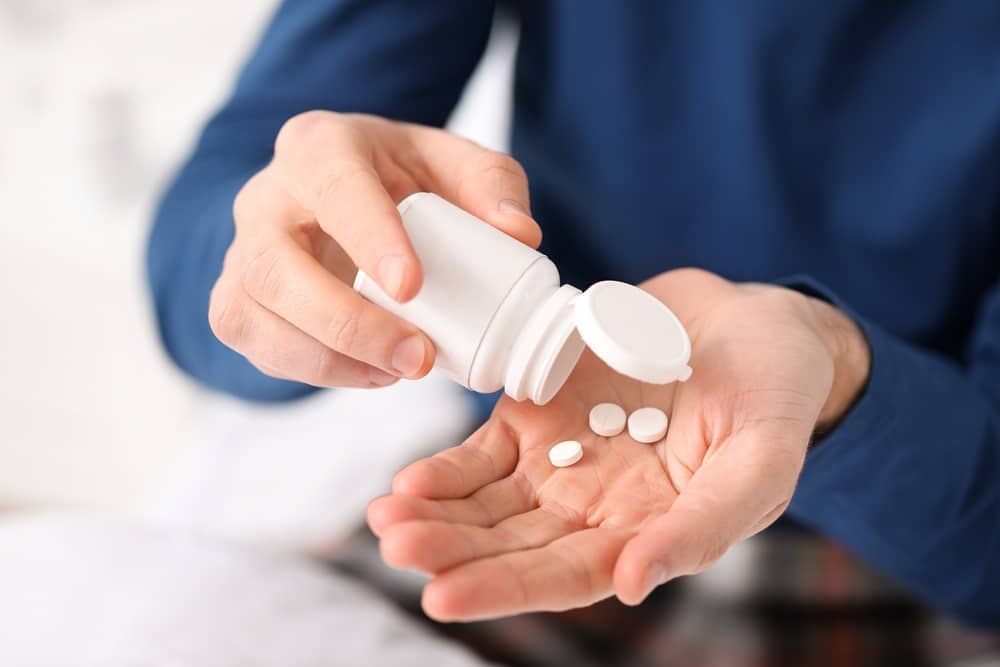
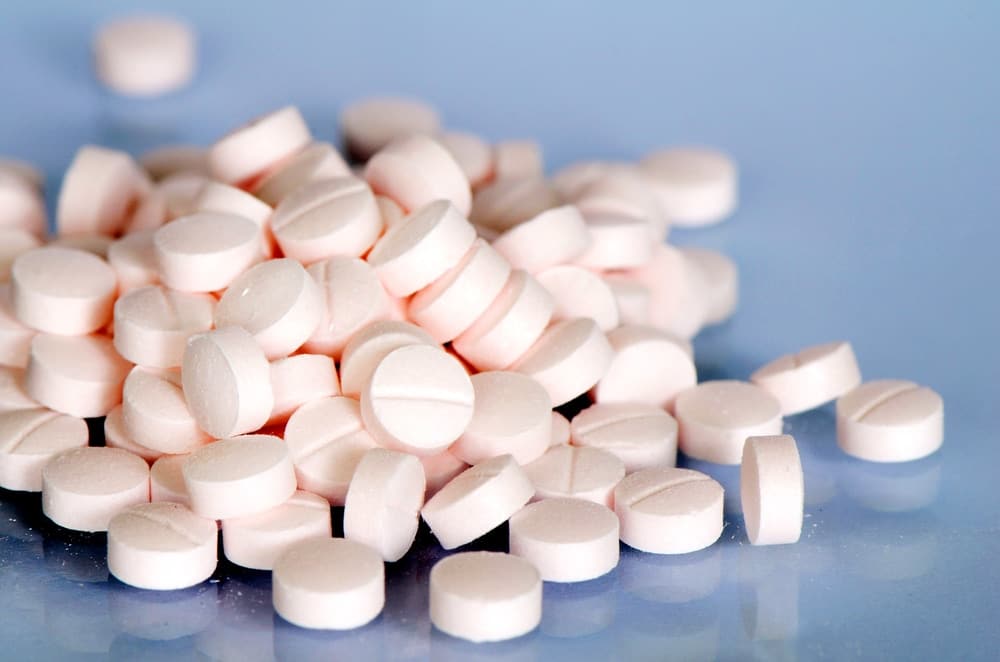
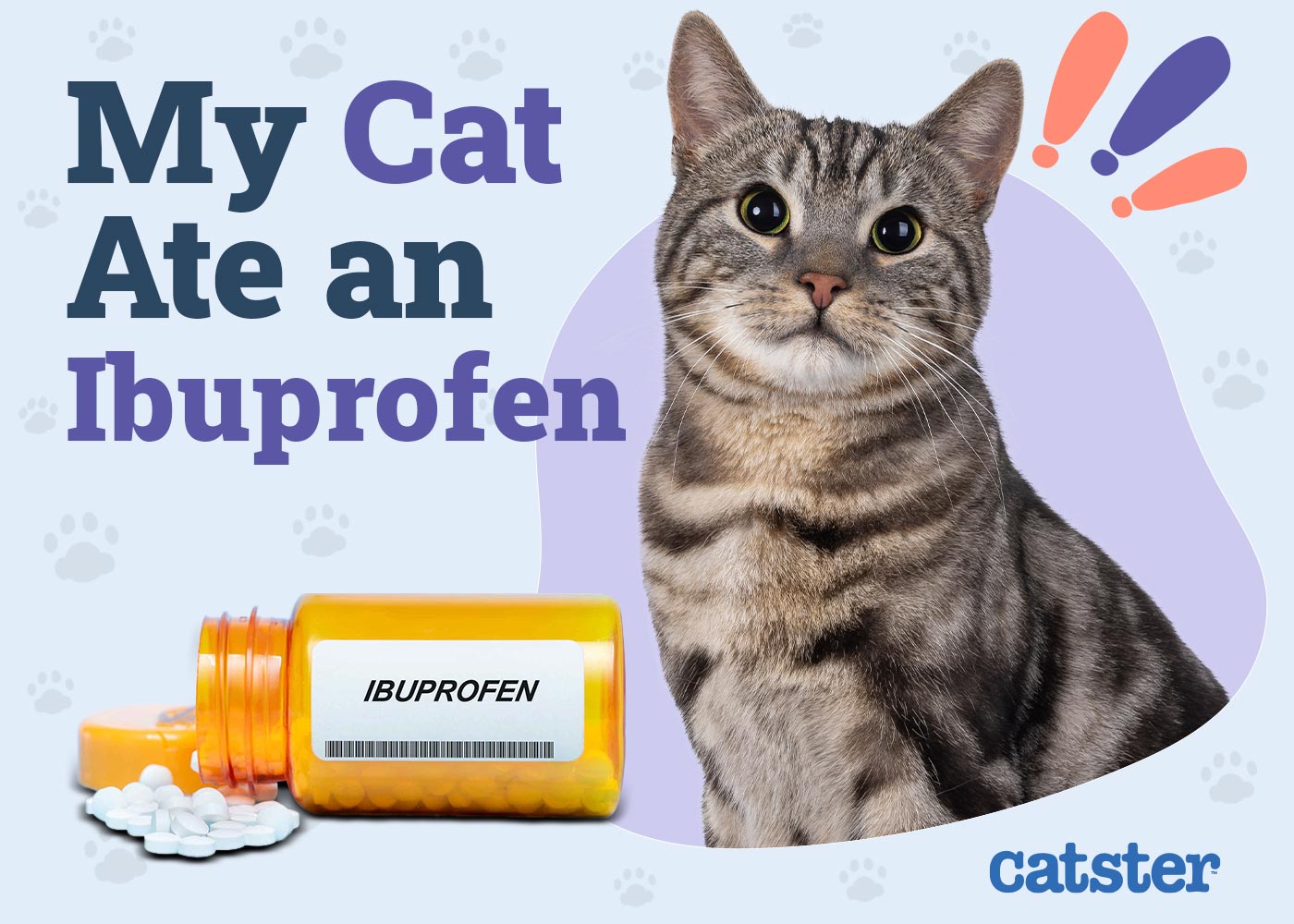
Ibuprofen is a commonly used non-steroidal anti-inflammatory in humans. It can be purchased over the counter and is often used to treat fever, pain, head colds, swelling, and menstrual discomfort. Unfortunately, ibuprofen is very harmful to cats. It should never be given as a pain relief medication, and if you suspect your cat has managed to eat ibuprofen, prompt veterinary attention should be sought.
This article will explain and examine ibuprofen toxicity in cats, including why it is so dangerous, what can be done if your cat has eaten it, and what signs you should be watching for.

What is a Non-Steroidal Anti-Inflammatory Drug (NSAID)?
Ibuprofen belongs to a class of medications known as non-steroidal anti-inflammatory drugs (NSAIDs). This medication blocks some of the pathways in the body that produce inflammatory mediators. However, these same pathways are also responsible for many normal body functions, including regulation of the digestive tract, kidneys, liver, and blood clotting factors. As a result of this, an overdose of an NSAID can cause ulceration of the stomach, impaired kidney function, damage to the liver, and an inability to clot blood.

Why Is Ibuprofen Harmful to Cats?
Ibuprofen is extremely dangerous in cats. For the average-sized cat, as little as one standard ibuprofen tablet (200mg) can be harmful.
The simple answer here is that cats are not people. They are, of course, much smaller in size. Additionally, their ability to metabolize, or break down, various drugs, including ibuprofen, is significantly reduced compared to people. When pharmaceutical companies test medications such as ibuprofen, they test the medication on people. This establishes a safety margin—in other words, how much of the medication can be consumed without causing any negative effects. This safety margin does not transfer across species. Indeed, the safety margin for ibuprofen is much smaller in cats than it is in humans.
Why Do Cats Eat Ibuprofen?
The short answer is, we don’t know. Veterinary clinics and The Animal Poisons Hotline receive many calls every year in regard to cats that have eaten ibuprofen. In some of these cases, owners may have given their cat ibuprofen to help with a painful condition without knowing the potential toxicity it can cause. In other situations, owners have found a packet of ibuprofen that has been chewed up.
Some ibuprofen capsules or tablet preparations may have a sweet-smelling coating that appeals to cats. Other times, it may just be the cat’s inquisitive nature that leads them to try some ibuprofen.

Signs of Ibuprofen Toxicity in Cats
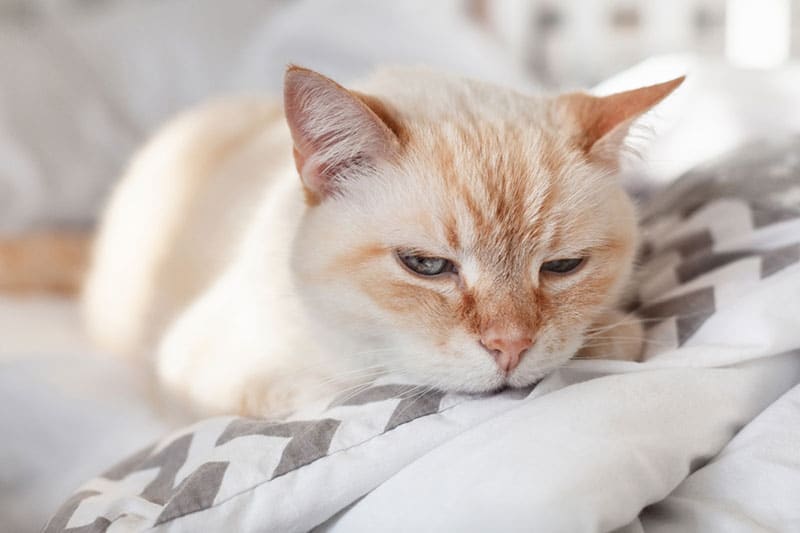
Most ibuprofen toxicities in cats cause irritation and ulceration of the gastrointestinal tract. Owners may notice:
- Reduced appetite
- Vomiting
- Diarrhea
- Pale gums
- Dark tarry stools (as a result of digested blood)
- Abdominal pain
More severe cases of ibuprofen toxicity lead to acute kidney disease, liver disease, and, in extreme cases, neurological disease. Owners may notice:
- Increased thirst and urination
- Decreased thirst and urination
- Yellow discoloration of the gums, skin, and whites of the eyes
- Tremoring and seizures (rarely)

Treatment of Ibuprofen Toxicity in Cats
There are three main ways vets will treat ibuprofen toxicity in cats:
- Decontamination. This is the technical term for making a cat vomit. This can be attempted within 2–3 hours of ibuprofen ingestion to empty the stomach. Some “rapid-release” ibuprofen formulations may already be absorbed by the time vomiting is induced. Don’t induce vomiting in your cat without supervision by a vet.
- Supportive medications. Activated charcoal is often given to help “mop up” any undigested ibuprofen before it has a chance to be absorbed into the bloodstream. Other medications, similar to antacids, are used to protect the lining of the stomach from ulceration. Pain relief and anti-nausea medications may be warranted.
- Fluid therapy. Fluids may be given under the skin or intravenously depending on a cat’s needs. Some cats may require hospitalization for fluid therapy and continuous monitoring. If kidney damage occurs, ongoing fluid therapy at home (given under the skin) may be recommended.
Blood and urine tests are often used by veterinarians to assess the toxicity initially or to gather a baseline database. These same tests can also be used as a guide 2–3 days later to ensure no further injury to organs has occurred.
Prognosis for Cats After Ibuprofen Ingestion
The prognosis for cats with ibuprofen ingestion is variable. It depends on the size and health status of your cat, the amount of ibuprofen ingested, the time at which ingestion was detected, and the treatment regimen undertaken.
Having said that, most cats that eat ibuprofen are able to make a full recovery with appropriate care.

Conclusion
Ibuprofen is a common household medication that is extremely harmful to cats. While its use is generally considered very safe for people, a single tablet can cause problems for our feline friends. Gastrointestinal and kidney injury are most common, and treatment for these problems may require admission to a veterinary hospital.
If you have accidentally given your cat ibuprofen, or suspect that your cat has gotten into ibuprofen, contact your veterinarian or nearest vet emergency center promptly.
See also:

Expert cat care, straight to your inbox
Vet-reviewed advice, behavior tips, and the best of Catster. Free, and you can unsubscribe anytime.
By signing up, you agree to our Terms & Conditions and Privacy & Cookies Policy.
Dr. Joe Mallat DVM (Veterinarian)
Joe is a veterinarian from Sydney, Australia. When he's not at his office, he enjoys cooking, exercising, and exploring the wilderness in Australia. He has worked for 2 years at a mixed-species practice on the mid-north coast of New South Wales, treating animals of all sizes. His areas of particular interest include internal medicine, wound management and oncology. Joe's love for the profession comes not only from helping cats, but also from helping their parents and working with wonderful teams of people.
Joe completed his Bachelor of Veterinary Biology and Doctor of Veterinary Medicine at the University of Sydney in 2020.
Join the conversation
Ask a question, share your story, or send private feedback.