


In this article
View 2 More +Bringing home a new kitten can be exciting, but it’s not without challenges. Litter box training is one of the first and most important processes to introduce to your kitten. But how do you accomplish this mission as easily as possible and minimize the mess?
In this article, we’ll discuss six easy tips on how to train your cat to use the litter box. We’ll also provide guidance on what to do if your kitten is struggling to learn where to poop or if they suddenly start having accidents again.

Before You Begin
Before you bring your kitten home, you should have their litter box set up and ready to go. Litter box training should begin when your kitten first enters your home. For successful training, you’ll need the following items:
- Appropriate-sized litter box
- Litter
- Litter scoop
- Treats
The 7 Tips to Train Your Kitten to Use the Litter Box
1. Choose the Right Litter Box
Set your kitten up for success by selecting the correct litter box as they begin training. Litter boxes should be about 1 ½ times larger than the cat using them.
Start with an uncovered litter box for training. You don’t want your kitten to avoid the litter box because they’re worried about being trapped.

2. Select the Right Litter
With so many litter materials available, shopping for the best choice can be overwhelming. Kittens can develop litter preferences, and you may need to change the litter if they dislike it. You can ask the breeder or shelter which litter your kitten is used to.
Generally, most cats prefer unscented litter with fine particles rather than large particles. Clumping litter is usually the easiest to scoop and best for odor control. It’s best to fill the box with 2 to 3 inches of litter.
3. Pick the Right Litter Box Location
When they’re getting used to a new home, some kittens take a while to become comfortable. You can keep them from anxiously avoiding the litter box by placing it in a quiet location.
A laundry room is a common location for a litter box, but the machines can scare young cats and prevent them from using the litter box appropriately. It’s also best to keep the litter box away from the kitten’s bed or food bowls.

4. Show Your Kitten the Litter Box
As soon as you bring your kitten home, show them where the litter boxes are. Place your kitten in the litter box and let them sniff and scratch around. Continue bringing the kitten to the box after they eat or wake up from naps, as they are likely to need to use it during those times.
5. Reward Your Kitten When They Use the Box
When your kitten uses the litter box successfully, reward them immediately with a tasty treat. Positive reinforcement only works when you can do it immediately because otherwise they don’t know what they are being rewarded for. Continue to reward your kitten until they’re using the box consistently.

6. Keep the Litter Box Clean
Cats and kittens are fastidiously clean and do not enjoy using a dirty litter box. Scoop the litter once or twice a day, and give the litter box a thorough cleaning every week or so. Keeping the box clean will prevent any litter box aversions.
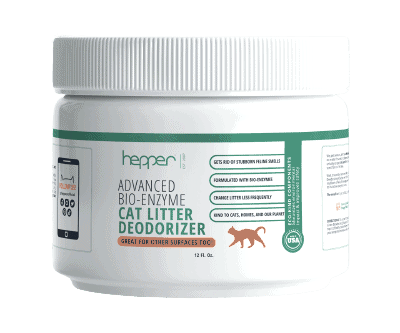
Cleaning up after our pets is not the most enjoyable part of owning them. Despite keeping a clean litterbox, cat odors and stains may still exist around the house. Sometimes, even the best litter box setup needs extra help. If you're tired of dealing with bad smells from litter boxes, Hepper Advanced Bio-Enzyme Pet Stain & Odor Eliminator Spray can help with the worst pet stains and smells. Additionally, the Advanced Bio-Enzyme Cat Litter Deodorizer neutralizes odors upon contact.
Our Favorite Products
| Image | Product | Details | |
|---|---|---|---|
Best Enzyme Cleaner

|
Hepper Advanced Bio-Enzyme Pet Stain & Odor Eliminator Spray |
|
CHECK PRICE |
Best Litter Additive
|
Advanced Bio-Enzyme Cat Litter Deodorizer |
|
CHECK PRICE |
At Catster, we’ve admired Hepper for many years and decided to take a controlling ownership interest so that we could benefit from the outstanding designs of this cool cat company!
7. Supervise Your Kitten
While training your kitten to use the litter box, it’s best not to allow them unsupervised access to your house. Consider confining them to a single room, like a kitten-proof bathroom, while you’re gone.
When you are home, keep a close eye on the kitten. If you spot them circling, sniffing, or pawing at the ground, take them to the litter box quickly. Your kitten may take time to learn which spots are appropriate and inappropriate for peeing.


My Kitten Keeps Having Accidents. What Do I Do?
If your kitten struggles with litter box training, never yell, hit, or otherwise punish them. If they make a mess on your carpet, you can use an enzyme-based product that breaks down and fully eliminates the odor.
Next, reevaluate the first three steps of the litter training process outlined in this article. You may need to change litter box locations, litter, or even the box itself. If you’re letting your kitten roam unsupervised, restrict them to smaller spaces until they use the litter box more often.
If other cats are in the house, ensure they aren’t bullying the kitten away from the litter box. You should have enough litter boxes in the house for each cat to have their own, plus one extra.
Finally, have your kitten checked by your vet to ensure they don’t have intestinal problems or a urinary tract infection.

Conclusion
Because cats have an instinct to bury their poop and pee, most kittens pick up litter training quickly. However, following our tips can make the process go smoothly. Remember, inappropriate eliminations are one of the most common signs of medical and behavioral issues in cats.
If your kitten suddenly starts having accidents after being litter trained, it could indicate something is wrong. Therefore, it’s vital to contact your veterinarian as soon as possible.
See Also:
- Cat Litter Box Tips: Vet-Approved Ideas For Placement, Cleaning & More
- Essential Cat Litter Box Accessories to Get You Started
Featured Image Credit: New Africa, Shutterstock






2 Responses
I had a small 3 week old kitten show up to my home I have had him a couple months now and have tried ,otter box training and many different types of litter to include the ones that attract cats and he still does not want to use the litter box. When I put him I. He immediately jumps out as if he is afraid of the litter box. The litter box is one that is small and easy for him to go in and out of it is not near any noise items however he will not use it. I even added a new one to. Particular spot he seems to like to use the bathroom at and he found a new floor Spot. I see him outside during day hours digging holes and using the bathroom then covering up. I’m unsure at this point.
A few things to try: make sure you use an enzymatic spray to clean every floor spot your kitten used to ensure you remove any lingering scent. Here are some recommendations: https://www.catster.com/lifestyle/best-enzyme-cleaner-for-cat-urine/. Pick up some of the dirt from the garden where your kitten goes and mix it in with the litter. Hopefully, this will help, best wishes!