Get

In Your Inbox

Catster is reader-supported. When you buy via links on our site, we may earn an affiliate commission at no cost to you. Learn more.

When Can I Let My Kitten Roam the House? Vet-Approved Info & 4 Safety Tips

siamese kitten playing

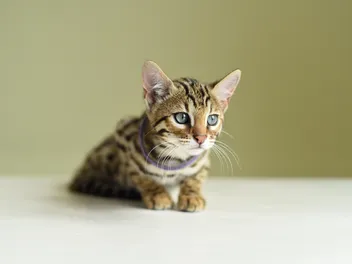
Kittens are curious creatures that like to explore and get into mischief. Letting a kitten roam free in the house can be a dangerous proposition. They are tiny and unaware of lurking dangers. Their ability to hide in small spaces can make supervision particularly challenging. While it’s reasonable that at some point, your cat will be able to have free range in your home, it’s important to be patient with the process. There are a few things to take care of before you can let your kitten roam the house.

divider cat faces 2 oct 2024

When Can I Let My Kitten Roam Free?

There’s no set age when you can let your kitten roam the house. Each one grows and develops at their own pace, though you can speed up the process. Ideally, you wouldn’t let a kitten roam freely without supervision until they are litter trained and used to the furniture and objects in your home.

Once sufficient training is in place, you can let your kitten roam the house during the day when you can provide reasonable supervision. You should not let them roam free while you are away from home or during the night when you can’t protect them from harm.

Certain risks come with letting a kitten roam the house:

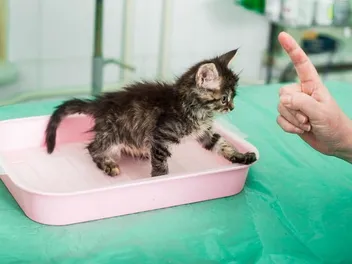
  • Insufficient litter training — If your kitten isn’t sufficiently litter trained, they will make a mess throughout the house. The only way that they can clearly understand your expectations is to train them. Some cats can take 4–6 weeks to become fully litter trained.
  • Not knowing their way — At times, kittens are litter trained but can’t find their way to a litter box in time. As a result, they may end up having accidents in odd places.
  • Hiding — Kittens are experts at squeezing into unusual places where they can’t be found. They can often get into a space but can’t get back out. It’s especially hard to find small kittens when they do this.
  • Risk of getting outside — Kittens can escape out open windows or take advantage of the smallest opportunity to get outside. They can then easily get lost, which is why they need supervision when roaming free.
  • Risk of injury — Kittens are prone to getting injured, as they don’t know the dangers of various appliances or items that they might encounter.
  • Risk of falls — If you live in a multi-story house or apartment, kittens can sometimes fall from a higher floor and injure themselves. This is because though they are able to walk around, they don’t have a full understanding of depth perception until they are slightly older (around 4-6 months old).
savannah kittens playing
Image Credit: Kolomenskaya Kseniya, Shutterstock

divider cats oct 2024

Top 4 Tips for Kitten-Proofing Your House

There are a few ways that you can modify your home to make it safer for your kitten to roam free.

1. Restrict Access to High Locations

Cats like to climb curtains, counters, bookshelves, and anything else that they can use to get up high. Rearranging things can make it harder for them to climb and less likely to fall.

Tabby cat looking up with long whiskers
Image Credit: Krysten Merriman, Pexels

2. Know your Home’s Hiding Spaces

Take a good look throughout your house, and note small spaces where your kitten can hide. You can restrict access to these places, and if your kitten does crawl into one, at least you’ll know where to look.


3. Put Breakables Away

If you have breakables, such as vases, china, or decorative pieces that you wish to keep intact, put them somewhere that can’t be accessed by your kitten.


4. Check Your Houseplants

Not all plants are safe for cats, so make sure you don’t have houseplants that could be toxic.

cat and orchid
Image Credit: Pixabay

divider cat paws 2 oct 2024

Final Thoughts

There is no specific age for letting a kitten roam free in the house. Your kitten should at least be able to safely navigate your home and be litter trained before they do so. Some cats take longer than others to be comfortable in a new home, and kittens can be mischievous. There’s no harm in keeping your kitten confined to a safe space or room until you’re certain that they are safe and comfortable.

Giving a kitten too much freedom too early can lead to behavior problems in the long term. These are difficult to remedy, so it’s much better to prevent them in the first place.


Featured Image Credit: Zdan Ivan, Shutterstock

Want content like this delivered to you?

Sign Up For Our Newsletter

News, insights, expert advice, and everything cat

* By submitting, you agree to our Terms & Conditions and Privacy & Cookies Policy.


How useful was this post?

Click on a star to rate (you can leave written feedback after clicking submit)

Help us improve Catster for pet parents!

Your feedback really matters.

What did you like about this post? Also how can we improve it?

Join the conversation

Leave a Reply

You’re very welcome to leave a comment or question. Please know that all comments must meet our community guidelines, and your email address will NOT be published. Let’s have a positive and constructive conversation.


Talk With A Vet Online

Peace of mind,
anywhere, anytime

Affordable vet advice

9 Best Cat Foods for Irritable Bowel Syndrome (IBS) in 2026: Reviews & Top Picks

Occasional diarrhea is common in housecats. However, if your cat keeps displaying symptoms of digestive distress, it should be cause for concern. IBS...

8 Senior Cat Health Issues to Be Aware Of (Vet Answer)

You’ve seen your cat through all their life stages, from their energetic kittenhood to the calmer adult years. You may start to notice...

How to Train Your Cat to Use a Cat Door: 6 Vet-Approved Tips

Whether you’re installing a cat door in your home for the first time or have just moved somewhere that already has one, it...

How To Keep Feral Cats Cool in The Summer: 5 Tips & Tricks

During the extreme summer heat, stray and feral cats suffer greatly to find appropriate shelter and a fresh water source. Many animals suffer...

More related

10 Signs Your Cat Missed You & Tips for When You Are Away

As a cat parent, saying goodbye to your companion before departing for a weekend trip can be difficult, and when you go away...

Can Cats in the Office Help Lower Employee Stress Levels? Benefits, Facts & More (Vet-Verified Info)

It wasn’t that long ago when the concept of sharing your workplace with an animal was entirely unheard of. The workplace was for...

6 Best Cat Calming Treats in 2026 – Reviews & Top Picks

Sometimes our felines can be nervous Nellies, while others can be downright aggressive. Regardless of why you need calming supplements for your cats,...

Has Your Cat Food Gone Bad? 8 Vet Reviewed Signs to Look For

Cat food manufacturers follow strict guidelines to produce safe products, but after they leave the factory, they can become damaged or improperly handled...

Keep reading

Colitis in Cats: Our Vet Explains Signs, Diagnosis & Treatment

Taking care of a cat experiencing gastrointestinal symptoms can be quite an ordeal and cause a significant amount of stress for both you and your cat. A gastrointestinal sign that may impact your cat and make them feel ill is...

A cat having a check up at a small animal vet clinic

Should I Get My Cat Spayed Or Neutered? Facts To Consider (Vet-Reviewed)

To spay or not to spay—that is the question. Or is it? All of these years, pet owners have been advised to fix their pets to eliminate the possibility of unwanted pregnancy. Granted, there is an overabundance of homeless cats...

little cat with Elizabethan collar after spay surgery

10 Best Cat Treats in Canada in 2026 – Reviews & Top Picks

Cats are highly food-motivated animals that will do just about anything for their favorite treat. However, they are also picky and won’t work for just anything. Whether you are clicker training your cat to perform tricks or just want to...

Blue maine coon cat with treats outdoors

9 Best Litter Boxes for Picky Cats in 2026 – Reviews & Top Picks

A litter box is an essential piece of equipment for any cat owner, but if your cat doesn’t like it, she won’t use it. Maybe you have a senior cat who isn’t quite agile enough to jump into your high-sided...

Clevercat Top-Entry Litter Box

Are Heated Cat Beds Safe? Can They Be On All the Time?

Heated cat beds are becoming increasingly popular, but are they safe for cats? The short answer is yes; heated beds are safe, and there is a wide range of options available on the market. But before you run out and...

sphynx cat on heating pad

Can Cats Eat Cheerios? Vet-Verified Nutrition Facts & Advice

Honey Nut Cheerios has long been one of America’s favorite cereal brands. They are tasty and sweet without being overpowering. Their tiny little O’s also make them easy to give as treats to your cat or dog. However, is it...

Can Cats Eat Cheerios

How to Safely Burn Incense Around Cats: 3 Vet-Approved Tips

Incense is a plant material that gives off certain scents when burned, and it’s been around for centuries. People use it for multiple purposes, such as meditation, getting rid of negative energy, relaxation, and aromatherapy. Incense is deeply embedded within...

lighted incense stick

Why Do Cats Like Dryer Sheets? Vet-Reviewed Causes & Safety Precautions

Do you like to use dryer sheets when you do your laundry? They make your clothes smell nice, feel soft, and remove static from clothing. Who doesn’t want fresh laundry? As it turns out, cats like dryer sheets, too. Dryer...

Dryer Sheet

Love Cats? So Do We! Join the Catster Community

Stay informed with expert pet care insights delivered straight to your inbox! Discover professional guidance on animal behavior, feeding tips, trusted product picks, and much more.


Sign up for the Catster Email Newsletter

Stay informed with expert pet care insights delivered straight to your inbox! Discover professional guidance on animal behavior, feeding tips, trusted product picks, and much more.