Will an Ultrasonic Pest Repeller Bother My Cat? Vet-Reviewed Signs to Look For


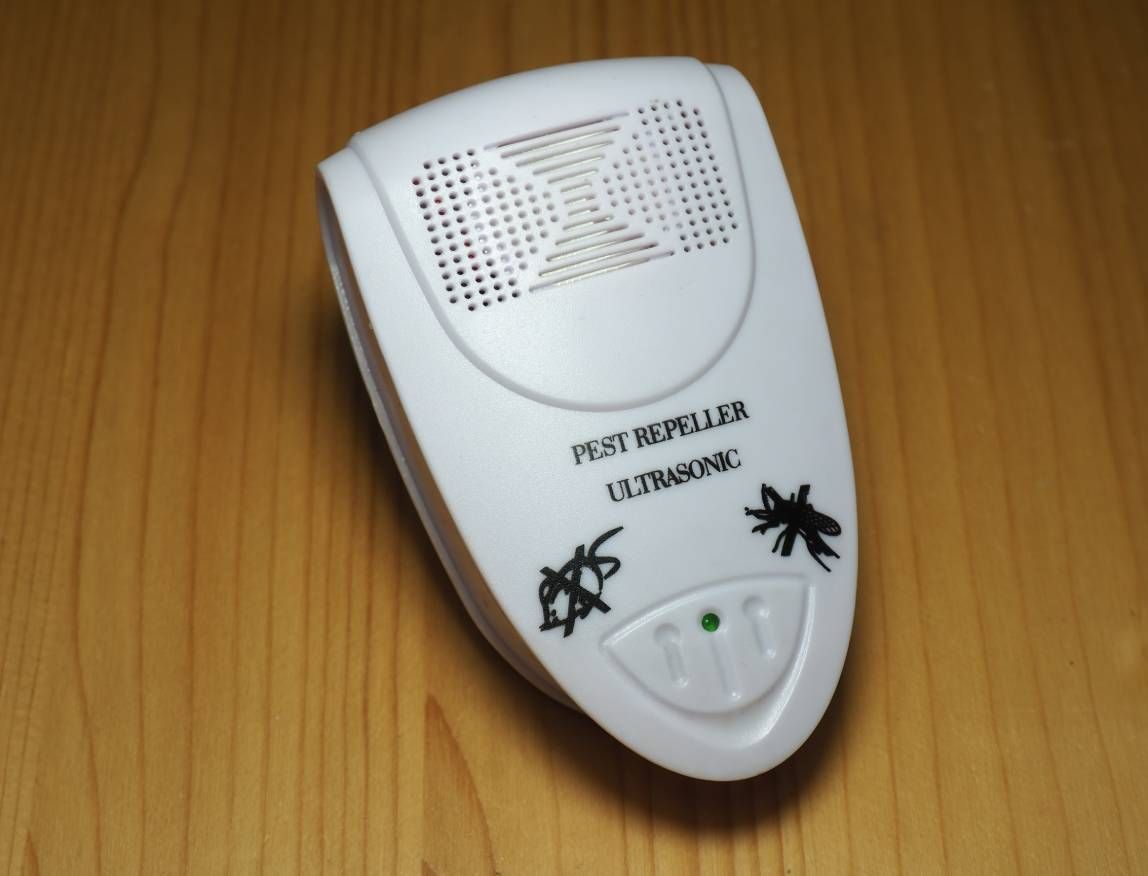
Maintaining a clean house makes it safer for yourself, your family, and your pets. Keeping the house clean with a cat is already a chore, but it becomes even more challenging when dealing with pests. Ultrasonic pest repellers have become popular for homeowners to keep these nasty visitors away.
As a cat owner dealing with pests, you may wonder if ultrasonic pest repellers will bother or even harm your cat. Generally, ultrasonic pest repellers are considered safe for cats, but can still potentially cause discomfort for some.
If you’re considering getting a pest repeller for your home, it's important to understand how it can affect your cat. Read on to find out more!

How Do Ultrasonic Pest Repellers Work?
Ultrasonic Pest Repellers are electronic devices that use high-pitched sounds rather than chemicals or mechanical traps to repel pests like rodents and insects. Sounds are considered ultrasonic when they reach a frequency of more than 20 kHz, which is inaudible to the human ear. While ultrasonic sounds are way beyond the frequency range of humans, there are several animals that can still hear the sounds.
The high-frequency sounds emitted by the devices can vary in intensity and frequency range. While many people are satisfied with the use of ultrasonic pest repellers, more research is required, as there is still very little evidence confirming it is indeed effective as a proper pest repellant.

Why Do People Choose This Method?
Since ultrasonic pest repellers use high-frequency sounds rather than toxic substances or mechanical traps to repel or manage pests, they are considered safer for houses with children and pets. This non-toxic approach is also considered more environmentally friendly than products that involve toxic or poisonous sprays.
The device is small and can be either battery or outlet-powered, which makes it convenient and easy to use. Ultrasonic pest repellers are also considered more humane than traps or poisons since they keep the pests away rather than killing them.
How Do They Affect Cats?
As we all know, cats have sensitive hearing. They have a frequency range of around 48 Hz to 85 kHz, which is well within the high frequencies emitted by ultrasonic pest repeller devices. Cats are generally unbothered by the high-frequency sounds from the devices.
They are, however, sensitive to changes in the volume or intensity. Loud noises can cause irritation, discomfort, and even anxiety. So, depending on the volume setting of the high-frequency sounds, your cat may be unbothered or irritated.
Another aspect to consider is that cats are creatures of habit and dislike change. Even the smallest changes in their homes can easily stress them out, such as adding a strange device that emits high-frequency sounds.
If you’re considering getting an ultrasonic pest repeller for your home, observe how your cat will react to it. While they are generally considered safe, the loudness of the ultrasonic sounds may bother them, so try to set the device to a low intensity or volume.

Cats’ Sensitive Sense of Hearing
Cats’ sense of hearing is different from that of dogs. While dogs can hear some ultrasound frequencies, a cat's sense of hearing is far more sensitive. In addition, they have many muscles on their ears, which let them easily turn them in different directions in order to better focus on an incoming sound. Cats are obligate carnivores and natural hunters who use their ultrasonic hearing to pick up high-frequency signals from small animals, such as rodents. Because of this, they are used to hearing and picking up high-frequency signals, which would keep them undeterred from the emissions of the pest repellers at low intensities.
Signs That Your Cat Is Bothered by the Ultrasonic Pest Repeller
Some cats may respond differently to the ultrasonic pest repeller due to the loudness of the sounds, the mere presence of the sounds, or the change of environment brought about by adding the device in the first place.
While it's difficult to specifically pinpoint the reason why they’re reacting negatively to the pest repeller, it is important to note any changes in behavior that show your cat is bothered by the device. Some of these include:
- Hiding or keeping a distance from the device
- Diarrhea
- Increased clinginess
- Inappropriate scratching
- Excessive grooming
- Decreased appetite
- Visible signs of stress and anxiety
- Negative changes in behavior, such as aggression
Are They Bad for Other Pets?
If you have other pets in the house besides cats, you also want to know how ultrasonic pest repellers affect them. Like cats, dogs can be unbothered by high-frequency sounds and may choose to ignore them. However, they can be irritated or uncomfortable if the volume is too loud, just like cats.
Other smaller pets, such as lizards, rodents, and rabbits, are greatly affected by ultrasonic pest repellers. They are harmful to them and must be avoided, even though the devices are marketed as safe and non-toxic for pets.
While that is true to some degree, the actual effectiveness and safety are still largely debated due to the lack of research on the devices. If you are considering getting one, it is best to observe how your pet responds and reacts to it, regardless of the animal.

Other Alternatives to Ultrasonic Repellers
Because of the unpredictability of how your pet may react to ultrasonic pest repellers and their questionable effectiveness, other pet-friendly and more effective pest-repelling alternatives are available. Some of these include:
- Mechanical traps
- Sealing of cracks, crevices, and holes in the walls
- Professional pest control services
When adding traps, remember that pets and children can be curious. Just be sure they are out of reach of your pet or children.
Conclusion
Ultrasonic pest repellers are a safe, humane, and environment-friendly way of managing home pests. They are generally safe for your cat, but it's still best to monitor how they react because of their sensitivity to loud sounds and changes at home.
Though ultrasonic pest repellers may not yet be established as effective through research, if you consider getting one to manage your pests, just be sure to monitor how your cat reacts to it!
Featured Image Credit: GS23, Shutterstock
Expert cat care, straight to your inbox
News, insights, and useful advice, delivered to you.

No spam — unsubscribe anytime.
By signing up, you agree to our Terms & Conditions and Privacy & Cookies Policy.
How useful was this post?
Click a star to rate. You can leave written feedback afterwards. (We read all feedback.)
Christian started writing for a local newspaper as a teenager, and he's been involved in the publishing industry for most of his adult life. Combining his love of writing with a passion for animals, he is currently the Director of Editorial at Pangolia and the Editor-in-Chief at Catster.
Christian lives in the Philippines with his wife, son, and four rescue cats: Trixie, Chloe, Sparky, and Chopper.