Why Is My Cat’s Nose Changing Color? Our Vet Answers & Explains 10 Common Reasons

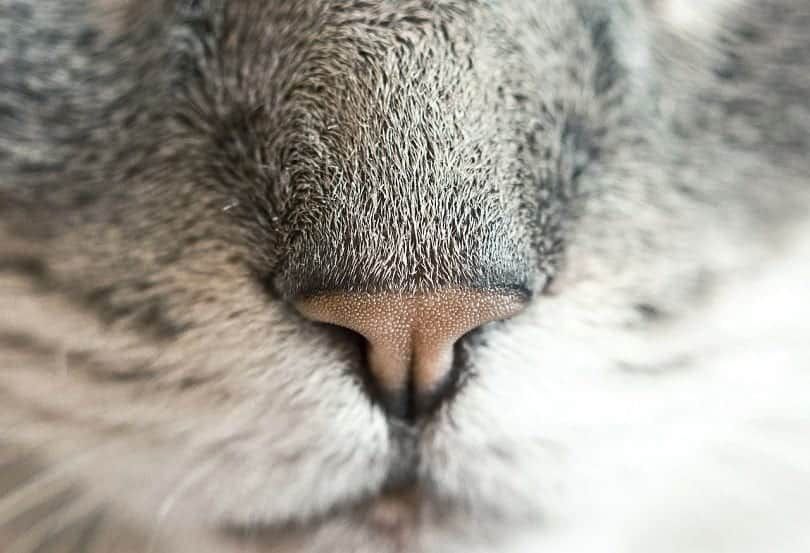
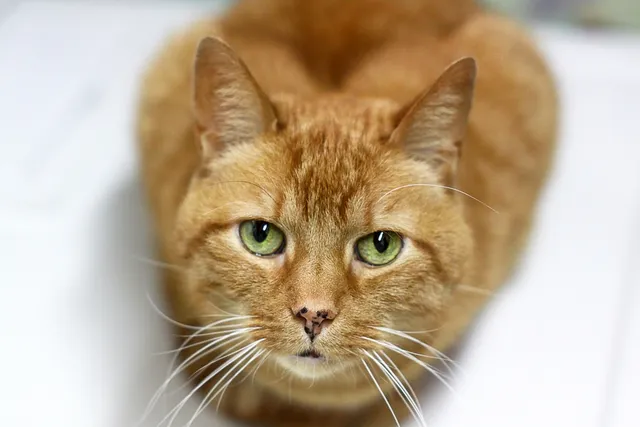
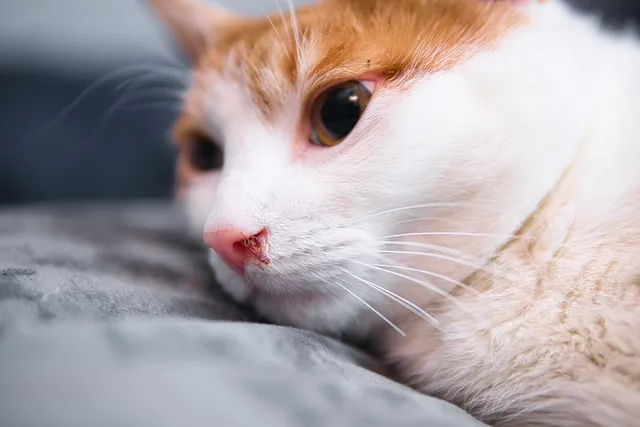
A cat’s nose is quite interesting. Although most of it is covered in fur, there is an area of furless skin known as the rhinarium, which surrounds the openings of their nostrils. Since this area has no fur, we can see the color of a cat’s nose, which is usually pink but can also be black or brown.
Sometimes, an owner might notice this area of their cat’s nose changing color, which can understandably lead to concerns about their pet’s health.
There are many normal reasons that a cat’s nose may change colors, but there are also many troublesome reasons. Let’s look at the most common causes of a cat’s nose changing color.

The 5 Normal Reasons Why Your Cat's Nose Might Be Changing Color
There are multiple instances where a change in a cat’s nose color is a normal physiological response or a relatively harmless occurrence. In several of these instances, the nose will revert to its normal color when the physiological changes are addressed.
Please note that some cats naturally have black noses, and many of these changes can be difficult to notice in such cats.
1. Temperature Changes
All temperature changes can affect a cat’s nose coloration if their base nose color is light enough. When the cat is cold, their blood vessels will constrict to hold as much heat as possible. This change makes their nose appear somewhat paler. At the other end of the spectrum, heat can make their blood vessels dilate to release warmth. This change makes their nose appear somewhat darker.
Therefore, your feline’s nose can be affected by temperature pretty easily. However, cats with dark-colored noses may not exhibit these changes. Their noses are just too dark for you to see. Temperature changes should revert once your cat is comfortable with their environmental temperature again. Most healthy cats prefer 77–86°F (25–30°C).
2. Hyperpigmentation
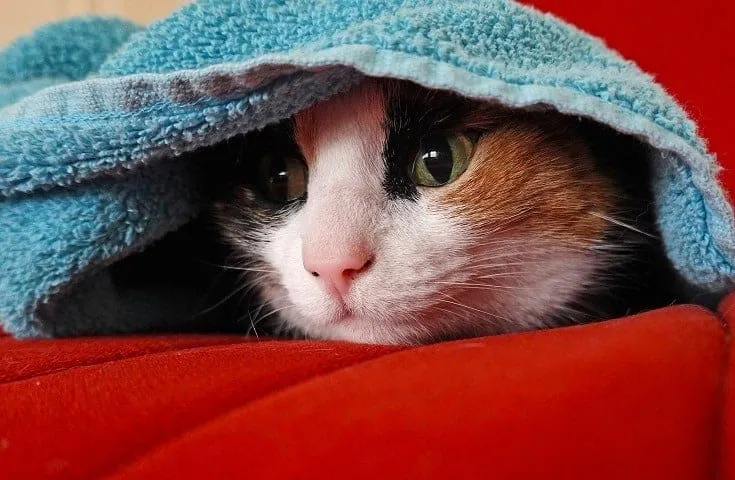
Some cats naturally have an area of dark pigmentation on their skin, known as hyperpigmentation (also sometimes referred to as melanosis). This is usually a dark-colored patch of skin caused by an increase in melanin. This condition is harmless, and if there’s such a patch on your pet’s nose, it might be a different color than the rest of their skin.
Melanosis can happen at any age, though it is more common in older cats. For peace of mind, you can have a vet look at the changed skin to ensure that it is harmless and not something of concern.
3. Dirt/Food Residue
If your cat is still a kitten or a juvenile, you might notice that their nose appears to change color after they eat. Unlike adult cats, most kittens are relatively messy eaters and tend to rub their noses in their food. This may result in a nose that’s changed color simply because there’s food residue. Kittens are also not great at grooming themselves, and in this case, your assistance might be necessary to help clean up your pet’s nose.

4. Lentigo
Lentigo is the development of pigmented spots on a cat’s body. These marks are typically first seen on the lips and eyelids at around 1 year of age. Additional marks may later develop on the nose and lips, leading to a change in your pet’s nose color.
Lentigo spots are not cancerous and are not considered a medical concern. This condition often occurs in orange-faced male cats, so if you have such a cat and have noticed this change, it is likely lentigo.
5. Vitiligo
Vitiligo is a condition that cats can inherit from their parents, though it isn’t present at birth. It usually occurs in early adulthood and is most commonly seen in Siamese cats.
Cats with vitiligo develop lightened areas of skin that occasionally also include their coat and claws. Most of these patches are on the face, especially the bridge of the nose or around the eyes. The colors of these patches may change over time, and remission is possible (albeit somewhat rare). There is no treatment for this condition, and it is considered medically harmless for your cat.

The 5 Troublesome Reasons Why Your Cat's Nose Might Be Changing Color
6. Decreased Oxygenation
If your cat lacks oxygen, their nose may turn blue or dusky. Their gums and other pink parts may also turn blue, indicating they aren’t getting enough oxygen. As you’d guess, this is quite serious. Sometimes, this is caused by temporary issues, such as the ingestion of toxins. It can also indicate heart failure, lung issues, and similar problems.
Any cat with a blue nose needs to get checked out by a vet. Long-term oxygen depletion can lead to organ failure and death.
7. Liver Issues
If your cat’s nose seems to be turning yellow, this might be a sign of underlying liver issues. Other areas, such as their gums and ears, may also appear yellow or icteric.
That said, many health issues can cause yellow gums. Some involve the liver, and others might not be directly related but still lead to color changes.
Regardless of the cause, if you notice your cat’s nose turning yellow, you should seek prompt veterinary care.

8. Eosinophilic Granuloma Complex
A cat’s nose may change color due to the formation of an eosinophilic granuloma complex. The exact cause of this condition is unknown, though it might have a genetic component. It may also be the result of a hypersensitivity reaction in cats.
This complex usually occurs in the mouth but may occur on the nose at times. It appears as bald patches with raised areas of red-colored skin. This condition can be itchy and painful, and your cat might paw at their face if they develop these complexes around their mouth or on their nose.
A veterinarian can diagnose this complex by using a technique called fine needle aspiration to collect a sample directly from the lesion and then examining it under a microscope. They may also opt to collect a sample of the lesion itself (known as a biopsy). Treatment depends on the underlying cause, which a veterinarian will help pinpoint based on your cat’s physical examination and the tests that they perform on your pet.
9. Trauma/Injury/Scars
Unfortunately, cats can get injured, and a trauma or injury to the face can lead to an inflamed nose. In this instance, the nose turns red as part of the inflammation process. Injuries may also entail bleeding and other signs, so veterinary care is necessary for cats that have experienced an injury or trauma to their face and nose. Also, your cat’s nose might appear different once it heals; for example, a scar can change a nose’s color.

10. Skin Cancers
Many skin cancers in cats that can form on the nose can be accompanied by a change in the nose’s color or even its shape. Examples of skin cancers that might alter the color of your cat’s nose include squamous cell carcinoma and melanoma.
If you see an odd, unexplained growth on your cat’s face or nose, particularly one that seems to grow rapidly, you should promptly seek veterinary care for your cat.
Conclusion
A cat’s nose can change colors for normal or abnormal reasons. For instance, a cat that’s cold might exhibit a slight change in the color of their nose. Likewise, a messy kitten might have trouble keeping their nose clean, and it might change color after they enjoy a meal.
However, there are other serious reasons that cats may have noses that change color. For instance, liver injuries or issues may cause a color change. When in doubt about your cat’s nose, it is best to take your cat to a veterinarian.
See Also:
Sources
Featured Image Credit: RyanMcGuire, Pixabay
Expert cat care, straight to your inbox
News, insights, and useful advice, delivered to you.

No spam — unsubscribe anytime.
By signing up, you agree to our Terms & Conditions and Privacy & Cookies Policy.
How useful was this post?
Click a star to rate. You can leave written feedback afterwards. (We read all feedback.)
Dr. Luqman Javed DVM (Veterinarian)
Dr. Luqman (also known as Dr. Lucky) grew up with an immense passion for animals of all kinds. By becoming a veterinarian, he turned his childhood dream into reality. Now, his goals are focused on providing help to cats all around the world by helping to cat owners understand their feline friends better to ensure the best quality of life for them. His passions are wildlife, exotic pets, pet owner education, and animal welfare. He graduated with his DVM from the Universiti Putra Malaysia in 2020. He has worked with a variety of animal species and has decades of personal experience with keeping many different types of exotic pets, such as turtles, hamsters, freshwater fish, chickens, songbirds, and parrots (and he has extensive skills in training parrots, too).