Get

In Your Inbox

Catster is reader-supported. When you buy via links on our site, we may earn an affiliate commission at no cost to you. Learn more.

Why Does My Cat Burrow Under Blankets? 7 Vet-Verified Reasons

Share

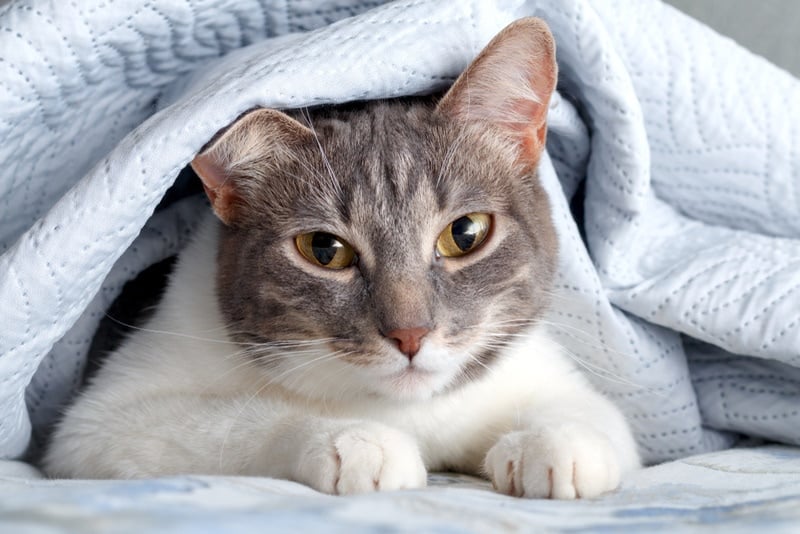
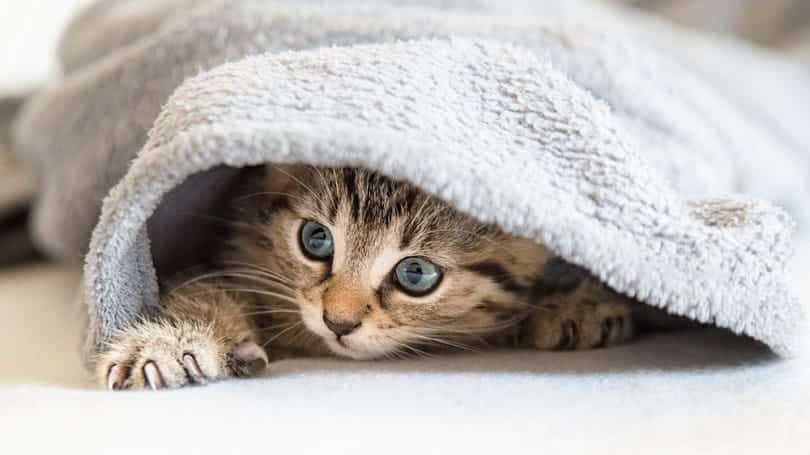
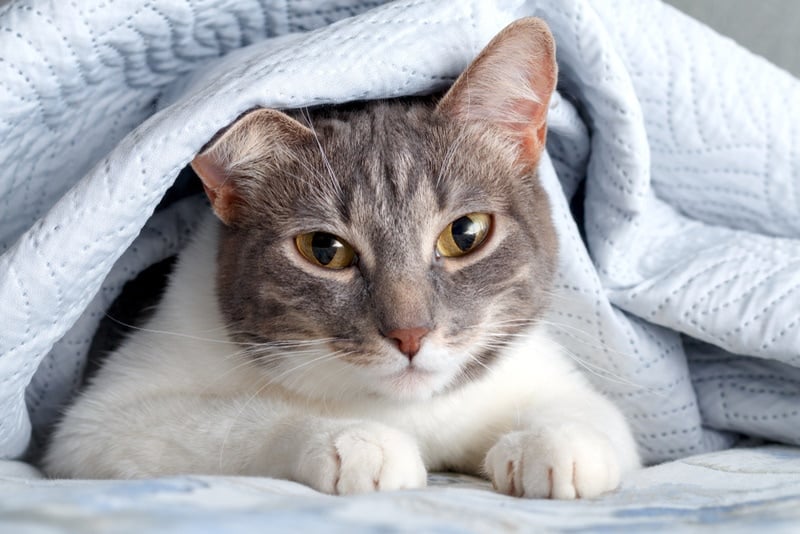
Cat hiding under the blanket

Kitties have some pretty interesting mannerisms. They’re always doing some quirky behavior that, as humans, we can barely understand. If you have a cat that likes to tunnel or weave underneath your blankets, you might wonder what would prompt this—because it’s downright goofy.

Several factors are at play here, but it’s probably just cat preference. Let’s go over some reasons why it might appeal more to your feline.

divider single cat paw oct 2024The 7 Reasons Your Cat Burrows in Blankets

Every feline is unique and different. And the reasons they’re burrowing in your blankets might vary daily. But here are seven of the most general reasons we could think of that covers it.

1. “Bush Dweller” Instinct

We know. It’s hard to imagine the chubby purring kitty beside you hoping for snacks hunting like a fearless lioness. The lovely little pouch on his tummy and requests for chin rubs don’t really match up to their wild feline ancestors.

However, this bush-dwelling instinct helps your cat feel protected and out of sight. In the wild, this would be protection from predators and a way to stalk prey. So, even though they don’t use these practices for survival anymore, it’s still ingrained in the DNA.

cat with wool blanket
Image Credit: Dimhou, Pixabay

2. Safety

Sometimes cats like to burrow in blankets for the same reason we do, to create a sense of safety. Nothing feels quite as cozy as being surrounded by comfy blankets.

Plus, your cat sees you doing this, making them feel like they want to be snug as a bug in a rug with their favorite person.


3. Comfort

Some cats just have strict preferences when it comes to napping. If your cat loves the comfort of cuddling inside of blankets, you might notice them doing it in your bed, their bed, and various places throughout the house.

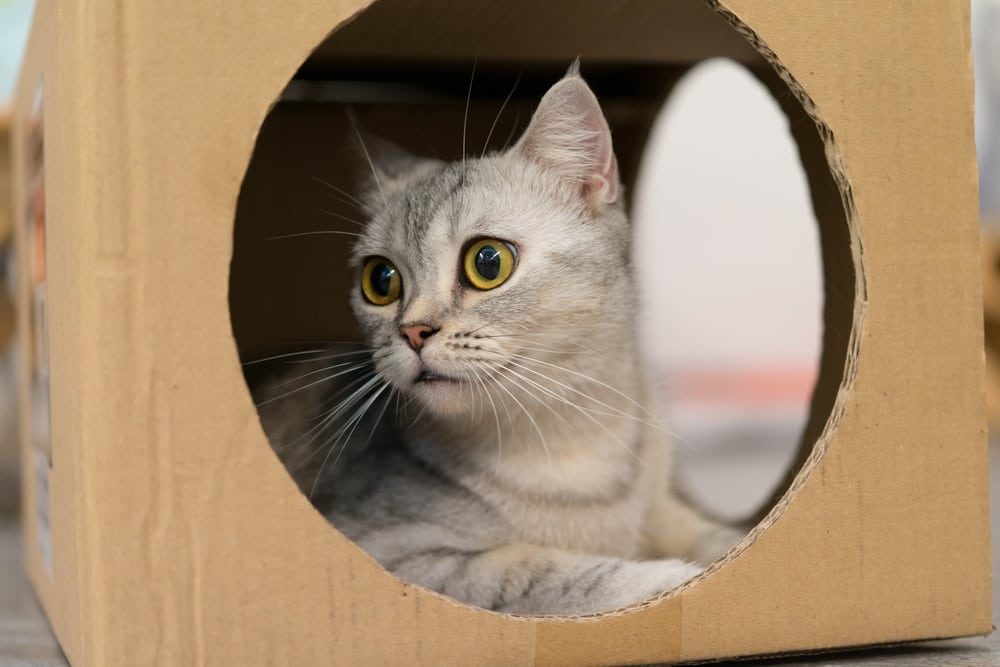
These types of cats probably absolutely love hiding in cat caves or condos as well. There’s something about being enclosed that makes cats feel relaxed.

cat with blanket
Image Credit: ajcespedes, Pixabay

4. Playfulness

Some cats might want to burrow in blankets and just pop out and attack something. You might notice cats climbing under rugs, blankets, and other fabrics in your home to lunge out when they see an oncoming party.

They might also use this as a technique to encourage other cats to play with them. It’s a way to hide out of sight, where they think they’re being very sneaky, ready to attack an unsuspecting victim.


5. Anxiety

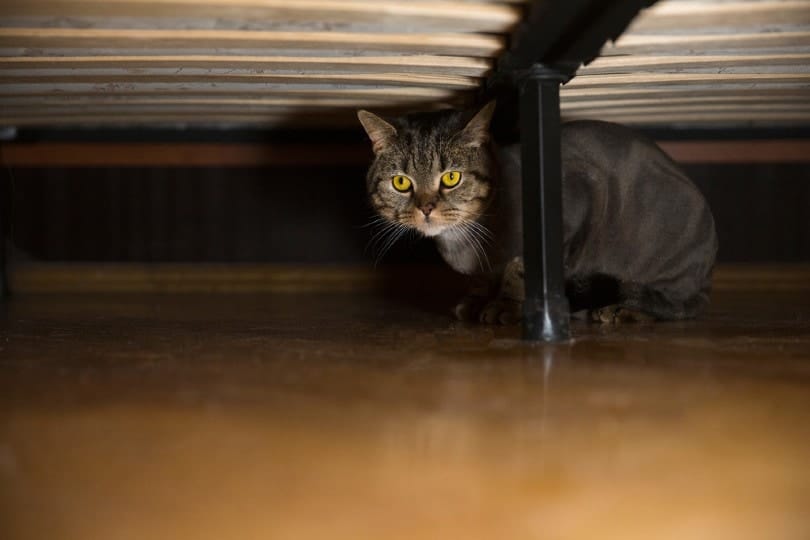
You know your cat better than anyone. You’re aware of all of their personality quirks. If your cat is running to burrow in the blanket for refuge, this could be anxiety-related. If they are a little skittish or uncomfortable with quick movements, loud noises, or new environments, they probably try to find comfort.

If something is going on around the house that is scaring your cat, something as loud as a vacuum, to something as strange as a new smell on your clothes. They might run to the blanket to duck for cover. Most anxiety is treatable simply by tweaking the environment.

Creating a calm, peaceful, serene place for your cat to call home is critical. In a bustling household, sometimes giving your cat that quiet space really just isn’t in the cards. In certain circumstances, and depending on severity, your veterinarian might prescribe a pill or other medication to lessen the effects of anxiousness.

If you need to speak with a vet but can't get to one, head over to PangoVet. It's an online service where you can talk to a vet online and get the advice you need for your pet — all at an affordable price!

Preventative wellness PGV mention keep cat healthy Preventative wellness PGV mention keep cat healthy mobile

6. Texture

Your cat might be an absolute texture fiend. Some cats enjoy the sensation of certain fabrics on their fur and skin. So if your cat seems to be favoring a particular material, it might very well be based on nothing more than the fabric itself.


7. Sickness

Sometimes cats try to isolate themselves when they’re not feeling their hottest. If your cat has suddenly started doing this, and it seems like they’re trying to escape the normal day today, it might be time to make that appointment with the vet.

Cats are extremely good at hiding signs of illness, so even though this might not ring too much of an alarm, it still can have significant repercussions if you ignore it. When you make your appointment, try to keep a mental log or a little list of notes as to any other behavioral or physical changes you’ve noticed.

Sometimes it can be something incredibly simple, and other times it can be dire. Getting the proper testing can alleviate much of that stress for you and explain the behavior better if it seems problematic.

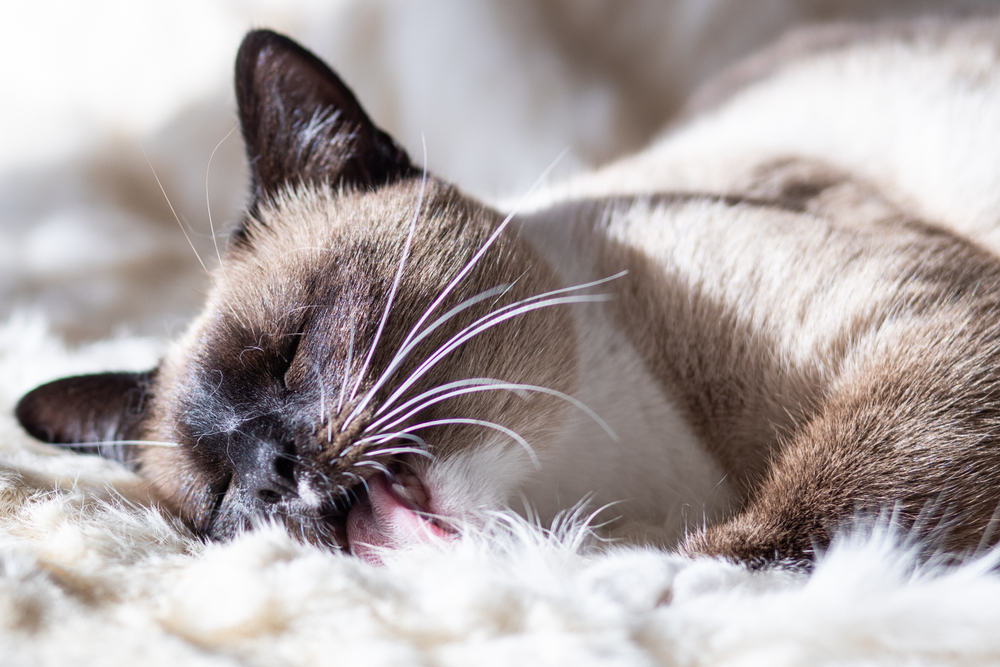
Cat licking
Image Credit: GitanasD, Shutterstock

divider cats oct 2024Final Thoughts

If you get to the end of this list and figure out that your cat is just a blanket lover, you can try to look for its very own blanket online. If your cat favors a particular kind of fabric, that will help your search a lot.

But if you think this is anything more serious, it might be in your cat’s best interest to get a quick check-up to make sure its health is in good standing.

Related Reads:


Featured Image Credit: Irina Kozorog, Shutterstock

Want content like this delivered to you?

Sign Up For Our Newsletter

News, insights, expert advice, and everything cat

* By submitting, you agree to our Terms & Conditions and Privacy & Cookies Policy.


How useful was this post?

Click on a star to rate (you can leave written feedback after clicking submit)

Help us improve Catster for pet parents!

Your feedback really matters.

What did you like about this post? Also how can we improve it?

Join the conversation

2 Responses

  1. i would like to know why my kitty always used her tail back and forth when she was eating. it was slow. also, why did she not purr when i talk to her or ask if she was hungry, instead she mouths the meow. she can meow but i have not heard her for over 6 years.

    1. Hi Patricia Chadwick. Thank you for your interest in our services. To address your specific questions regarding your cat's behavior, we recommend scheduling a one-on-one consultation with one of our veterinarians, which can be arranged at www.pangovet.com.

Leave a Reply

You’re very welcome to leave a comment or question. Please know that all comments must meet our community guidelines, and your email address will NOT be published. Let’s have a positive and constructive conversation.


Talk With A Vet Online

Peace of mind,
anywhere, anytime

Affordable vet advice

Why Healthy Cats Still Vomit Sometimes (And How to Respond)

A cat that just vomited needs a specific kind of care, and the feeding decisions you make in the next few hours actually...

Scientists May Have Found the Missing Piece in Feline Kidney Disease

One of the most upsetting parts of caring for an elderly cat is the knowledge that there is a very high chance that...

Ask Dr. Paola – Help! I Am Worried My Cat Isn’t Getting Enough Water! (April 6, 2026)

Welcome to our “Ask Dr. Paola” series, where every Monday we bring expert advice straight from Dr. Paola Cuevas (MVZ) to help our...

The 10 Common Causes of Sudden Death in Cats (And Which Ones Are Preventable)

Most cat owners don’t think much about heart disease, internal hemorrhage, or viral infections until they’re staring at an empty bed. Sudden death...

More related

Where to Put Your Cat’s Litter Box: 12 Vet-Reviewed Tips for Choosing the Perfect Location

A necessary part of bringing a new cat into your home is buying them a litter box. But just like how getting the...

Why Does My Cat Keep Sneezing? 7 Vet-Verified Causes

Sneezing in cats has several causes. Cats sometimes sneeze to get rid of tickles in their noses, but the reflex can also be...

National Cat Day in Japan 2026: How & When Is It Celebrated?

National Cat Day in Japan is celebrated on February 22 every year. This date was chosen because the date in Japanese resembles “nyan,...

10 Cat Breeds That Get Along Well With Dogs (Vet-Reviewed Info With Pictures)

Canines and felines are often perceived as incompatible pets that fight at every given opportunity, but modern pet owners know that some dogs...

Keep reading

Why Do Cats Cry at Night? 8 Vet-Reviewed Reasons

Our cats are creatures of the night, so it’s no wonder you hear them howling their song into the echoing chambers of the house when all are sleeping. With as much as you’re getting used to the sound of a...

Ginger tabby young cat sitting on a wooden floor looks up, asks for food, meows

What to Feed a Kitten: Vet-Verified Guide For Each Stage

Proper feeding and nutrition are essential for kittens to grow into healthy adults. Kittens reach the weaning stage around 4-5 weeks of age. They should ideally remain with the mother until an absolute minimum of 8 weeks of age (12...

Kitten eating food from bowl

Can Cats Eat Kiwi? Vet-Verified Facts & FAQ

Kiwi is a delicious summer fruit to enjoy in a fruit salad, smoothie, or simply on its own; plus, it has a host of nutritional benefits! In fact, it is packed with beneficial vitamins, minerals, and nutrients. You may be...

Can Cats Eat Kiwi

Does Baby Powder Kill Fleas on Cats? Vet-Reviewed Facts & Safety Explored

Fleas are cats’ most common skin parasite. They not only cause skin problems but can also transmit diseases to you and your cat. Finding effective and safe ways of killing fleas is essential to avoid problems. Baby powder contains talcum...

Baby talcum powder container on wooden background

How to Tell if Your Cats Are Getting Along: Vet-Verified Body Language & Socialization Tips

There can be some seriously mixed feelings when two animals get together for the first time. Cats have a very heart-on-their-sleeve way of viewing the world most of the time. Whenever they are uncomfortable, scared, or otherwise not feeling so...

two cats sleeping soundly on the couch

Cats Are Obligate Carnivores: Vet-Approved Info & Feline Diet Facts

Cats are often called “obligate carnivores,” especially in reference to their diet. But what does this mean? In short, obligate carnivores are “true” carnivores that require animal meat in their diet for proper growth, development, maintenance, and reproduction. They’re made...

grey cat eating meat

Does My Indoor Cat Need a Rabies Shot? Vet-Reviewed Facts & FAQ

Like humans, cats are susceptible to several diseases that can be deadly. There’s good news, however, as there are vaccinations for most of the worst cat diseases. When vaccinated, your cat’s immune system will be prepared to handle all of...

Balinese cat lying on sofa at home

Do Cats Gain Weight After Being Spayed? Vet-Reviewed Facts

Most prospective cat owners look forward to having their cat spayed or neutered. After all, tom cats and queens are significantly more annoying and cause a lot more trouble for their owners than spayed and neutered cats. However, most cat...

cat recovering from spay surgery

Love Cats? So Do We! Join the Catster Community

Stay informed with expert pet care insights delivered straight to your inbox! Discover professional guidance on animal behavior, feeding tips, trusted product picks, and much more.


Sign up for the Catster Email Newsletter

Stay informed with expert pet care insights delivered straight to your inbox! Discover professional guidance on animal behavior, feeding tips, trusted product picks, and much more.