Get

In Your Inbox

Catster is reader-supported. When you buy via links on our site, we may earn an affiliate commission at no cost to you. Learn more.

Why Do Cats Hiss and Growl at Strangers? Vet-Reviewed Behavior Insights

Share

siamese cat hissing

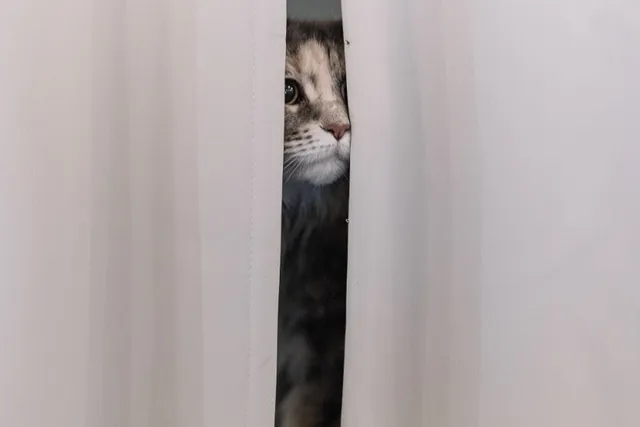
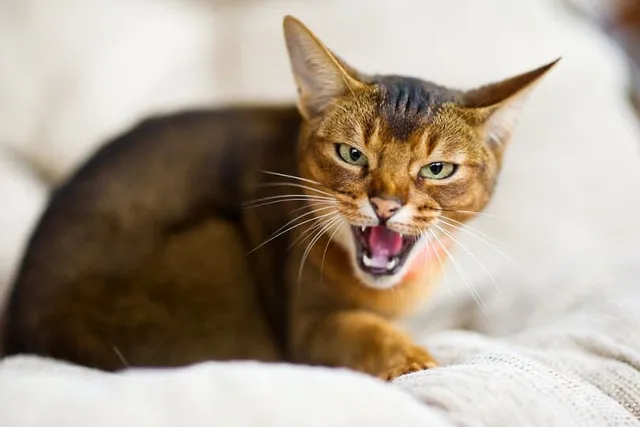
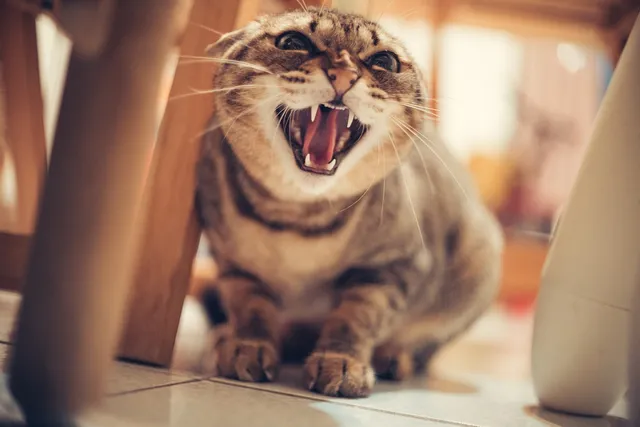
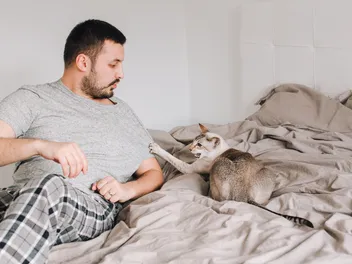
Hissing and growling are ways cats communicate how they’re feeling. Hearing your cat hiss and growl can be shocking and a bit embarrassing if they’re doing it when you have house guests. Some cats may hiss and growl at strangers because they’re frightened and don’t feel secure around people they don’t know. However, most cats will be indifferent to your guests, while curious and particularly affectionate cats may even come looking for attention.

The sounds your cat associates with strangers visiting your house may scare them, like a loud ringing doorbell, a pound on the door, or doors opening and shutting. When you add a strange person into the mix or loud children, it’s no wonder some cats growl and hiss when someone unfamiliar shows up.

divider cats oct 2024

How to Stop a Cat from Hissing and Growling at Strangers

Hissing and growling are both basic forms of feline communication, and these behaviors are meant to be intimidating. While it’s not easy to stop your cat from hissing and growling at strangers who show up at your door, you can help your kitty feel more comfortable and secure, so they don’t hiss and growl so often. 

A good way to curtail this behavior is to give your cat an escape route to bolster their sense of security. Adding a cat condo to a quiet and secure area may do the trick. Because cats like to hang out in high places and observe their environment from a safe distance, it’s a great idea to mount cat shelves on the wall, so your cat doesn’t feel trapped when strangers are around. Ensure they are not disturbed by visitors or children in this area, so they can enjoy their peace and quiet. They should have a litter box, food, water, and their toys close by.

If your cat never used to hiss at visitors and your friends and now they suddenly seem stressed or withdrawn when someone comes over, it’s important to consider there may be an underlying cause for such change in their behavior. This is commonly pain or illness. Get your cat checked out by the vet so they can have appropriate treatment. 

Also, something else may have caused your cat additional stress, such as seeing unfamiliar cats or animals through a window, and they have redirected their frustration from not being able to react to these sights to your house guests, who just so happen to be around. Always allow your cat to choose where they want to be and if they want to interact, as they will choose to get away if they don’t feel comfortable.

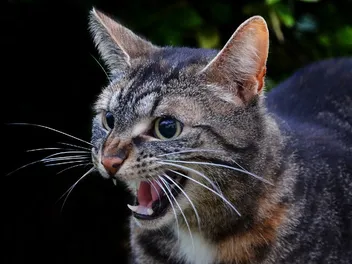
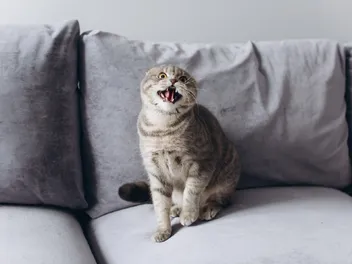
angry cat meowing outdoor
Image By: Piqsels

Spend Quality Time with Your Cat

Spending quality time with your cat can help reduce their fear and uncertainty around strangers. A little one-on-one time every day is a must anyway and can do wonders toward making your feline feel more confident and self-assured. With time and patience, you may try to include other family members and your frequent home visitors in this interaction, as long as your cat is feeling comfortable. Reward any calm and relaxed behavior when your guest is over with tasty treats, attention, and new toys to make it a positive and enriching experience.

Use an interactive cat toy for some fun playtime, but avoid making your cat frustrated by ensuring they can interact with the toy rather than it staying out of their reach. Also, do some clicker training with treats or go for walks outside on a harness. Nobody knows your cat as well as you do, so figure out ways to make them feel more confident and stimulated, both physically and mentally. Encourage your family and friends to spend time with your cat in a relaxed and quiet manner because this will also help to get them used to being around other people than just you! Starting from an early age is also very important in building good social skills and confidence.

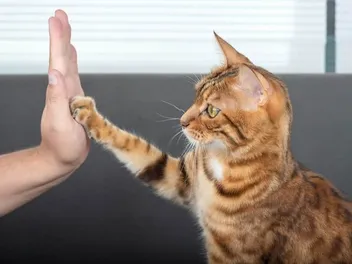
cat playing with owner
Image Credit: Dora Zett, Shutterstock

Other Reasons Cats Hiss and Growl

Hissing is one of the ways for your cat to express fear and uncertainty and show that they want to be left alone. Besides expressing these emotions around strangers, cats also hiss and growl for other reasons, including:

  • To express pain: Pain caused by an injury or medical issue can trigger a cat to hiss and growl. If your cat hisses or growls when you pet or hold them or for no apparent reason, they may be in pain. Get your pet to the vet as soon as possible to see if they’re injured or sick.
  • To express unhappiness: Your cat may hiss or growl to tell you they’re unhappy or frustrated with something. Maybe it’s a new pet you’ve brought home or the smell of another cat on your clothes when you enter the house.
  • To express aggression: If your cat feels irritated or threatened by something like another animal or a loud sound, they may hiss and growl. In this case, hissing and growling are used to ward off a perceived threat as a form of self-protection. Unneutered male cats may be more aggressive during the breeding season, particularly if they encounter other males while searching for a female cat in heat.
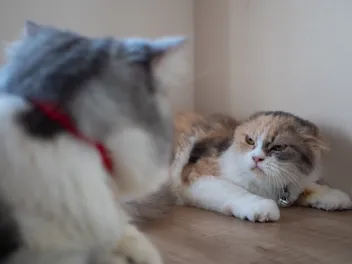
  • To protect their territory: Both female and male cats are territorial and may hiss and growl when spotting a new cat in their garden. They will also spray and use other signs of communication to let the other cat know this is their territory.

Older cats may make unusual sounds when they’re disoriented, especially if they’re suffering from feline cognitive dysfunction or cat dementia. Elderly cats with dementia often wander around at night growling, howling, and even hissing due to confusion. If you have a senior cat that is vocalizing at night, set up an appointment with a vet.

If you need to speak with a vet but can't get to one, head over to PangoVet. It's an online service where you can talk to a vet online and get the advice you need for your pet — all at an affordable price!

PangoVet_Mention-in-Content for PangoVet2 save money

Finally, many cats will feel uncomfortable and stressed coming to the vet and may hiss and growl at them as they feel vulnerable in an unfamiliar environment and have nowhere to escape. This is not uncommon, and your vet will do the checks as quickly as possible to ensure your cat is not getting increasingly stressed. Using a pheromone spray on the cat carrier in advance of your trip to the vet, placing a blanket on top of the carrier so the cat can’t see what is going on around them, making the car journey pleasurable and smooth, and allowing your cat to relax afterward is critical.

divider cats oct 2024

Conclusion

Even though it’s not nice to see your beloved cat hiss and growl at strangers, it’s normal feline behavior. To quell this behavior, give your cat an escape route, so they’re less likely to feel threatened or scared when strangers come around. Get them checked by a vet to ensure no underlying pain or illness is causing them to hiss or growl. 

You should also spend some quality time with your cat to boost their self-confidence. With a little work, patience, physical and mental stimulation, and positive reinforcement, you should be able to put a damper on all that hissing and growling! Speak to your vet or a feline behaviorist for professional advice in your specific circumstances.

Related reads:


Featured Image Credit: Pixabay

Want content like this delivered to you?

Sign Up For Our Newsletter

News, insights, expert advice, and everything cat

* By submitting, you agree to our Terms & Conditions and Privacy & Cookies Policy.


How useful was this post?

Click on a star to rate (you can leave written feedback after clicking submit)

Help us improve Catster for pet parents!

Your feedback really matters.

What did you like about this post? Also how can we improve it?

Join the conversation

Leave a Reply

You’re very welcome to leave a comment or question. Please know that all comments must meet our community guidelines, and your email address will NOT be published. Let’s have a positive and constructive conversation.


Talk With A Vet Online

Peace of mind,
anywhere, anytime

Affordable vet advice

Do Cats Cause Schizophrenia? Scientists Find a Link – Here’s What It Means

Being a fierce advocate (and occasional recipient of) mental health support and awareness, the term ‘crazy’ is not one I like to fling...

One in 100 Cats Gets Diabetes – Here’s How to Catch It Early

One in every 100 cats develops diabetes.1 That’s not a rare, unlucky condition reserved for cats with obvious health problems. It’s common enough...

Dramatic Rescue Turns Into Dramatic Reunion

What started as a routine call for the RSPCA became a heroic, five-hour rescue featuring one trapped and traumatized cat, an emotional family...

Ask Dr. Paola – Help! How Do I Know if it’s Ear Mites! (May 4, 2026)

Welcome to our “Ask Dr. Paola” series, where every Monday we bring expert advice straight from Dr. Paola Cuevas (MVZ) to help our...

More related

Meet the Feline Sensation Belarus

Sometimes life hands you what you wanted all along, even if you didn’t know you wanted it. Such was the case with Rachel...

10 Cat Poems Every Pet Parent Should Read: Fun Feline Poetry

When you’re in the mood to celebrate your cat’s greatness with something moving, comedic, or lyrical, you may turn to poetry. There are...

A Green Alternative to Cremation: We Talk With Jerry Shevick of Peaceful Pets Aquamation

There’s no mistaking the passion Jerry Shevick has for Aquamation and serving the pet community. “We’re going to do the right thing by...

Sound Oasis Pet Sound Therapy System Review 2026: Effective Pet Calming Solution

If you have an anxious kitty, sound therapy can help. This relaxation method has been scientifically proven to be effective in cats, humans,...

Keep reading

How to Stop Older Cats From Eating Kitten Food: 6 Vet Approved Tips

It’s common for older cats in your home to react unpredictably to a new kitten, like an older sibling adjusting to a baby in the house. Unfortunately, it sometimes comes with problems, like your older cat trying to steal the...

Cute cat eating on floor at home

Can Loud Music Harm a Cat? Vet-Reviewed Info

Ears, unfortunately, don’t have the handy ability to shut. If you enjoy listening to loud music, you’re forcing your cats to endure it, too. If you share your house with a cat, you might already be aware that loud noises...

cat lying between speakers

Why Is My Cat Standing on His Hind Legs? Possible Reasons & When To Be Concerned (Vet-Verified)

It’s not uncommon for cat owners to catch their cats doing crazy things, like chasing their tails or staring wide-eyed into the distance. If you caught your cat standing on their hind legs, you may wonder what alternative universe you...

calico-cat-having-treats

10 Best Cat Treats in Canada in 2026 – Reviews & Top Picks

Cats are highly food-motivated animals that will do just about anything for their favorite treat. However, they are also picky and won’t work for just anything. Whether you are clicker training your cat to perform tricks or just want to...

Blue maine coon cat with treats outdoors

10 Best Cat Foods in the UK of 2026 – Reviews & Top Picks

Choosing the right cat food for your furry friend is one of the most important decisions that you can make when it comes to their health and welfare. While it might not matter what color collar your cat wears or...

Calico cat eating

Can Cats Eat Limes? Vet Approved Facts & FAQ

Our feelings about our pets have changed. Many people see themselves as parents instead of owners. That’s reflected in the fact that some manufacturers label their products as human-grade, although no legal framework for this term exists; it’s simply marketing....

Can Cats Eat Limes

Can I Feed My Cat Different Brands Of Food? Vet Approved Advice

As humans, we can’t imagine eating the same food over and over again, so when it comes to our cats, is variety really the spice of life, or will our furry friends fare better on the same diet for their...

woman giving food to her cute domestic cat at home

Can Cats Get High? Vet-Reviewed Facts on Effect and Safety

Marijuana may be legalized for recreational use throughout Canada, 23 U.S. states, and the Australian Capital Territory, but that doesn’t mean it’s something you can just leave lying around your home, especially if you have children or pets.1 While dogs...

marijuana

Love Cats? So Do We! Join the Catster Community

Stay informed with expert pet care insights delivered straight to your inbox! Discover professional guidance on animal behavior, feeding tips, trusted product picks, and much more.


Sign up for the Catster Email Newsletter

Stay informed with expert pet care insights delivered straight to your inbox! Discover professional guidance on animal behavior, feeding tips, trusted product picks, and much more.