Why Do Cats Clean Themselves So Often? 12 Vet-Verified Reasons


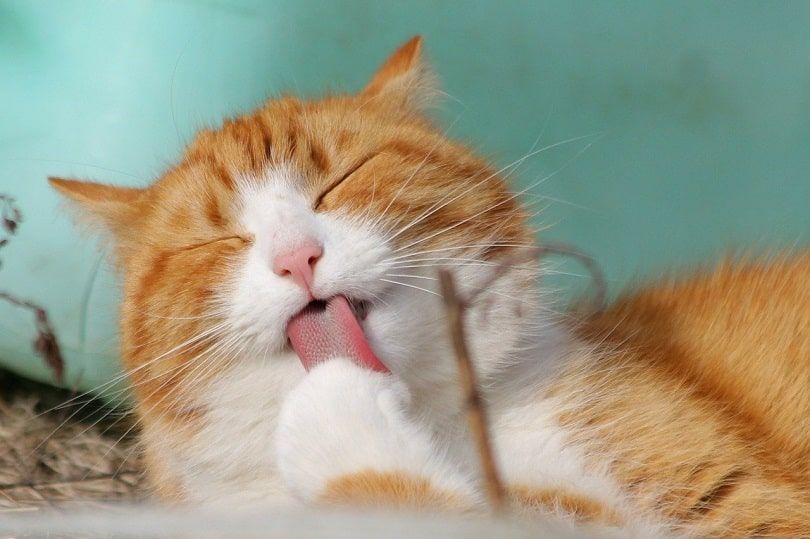
When you own a cat, you notice their strange habits and may try to determine what they're thinking. However, deciphering a feline's intentions is challenging. Cats are complex creatures, but their odd habits have a purpose. They spend plenty of time keeping themselves clean, but have you ever wondered exactly why? If so, you’re in the right place!

Top 12 Reasons Cats Clean Themselves
1. To keep Themselves Cool
Cats don’t sweat like we do, so licking their fur helps cool them down in hot weather. This works through something called evaporative cooling. As the saliva on your cat’s coat evaporates, their body temperature drops slightly.
2. To Remove Dirt and Dust From Their Coats
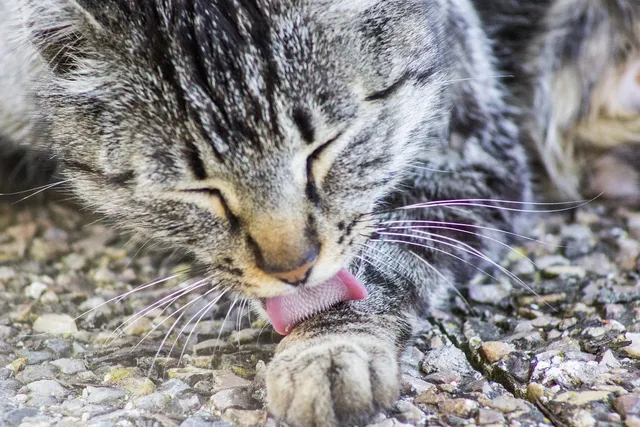
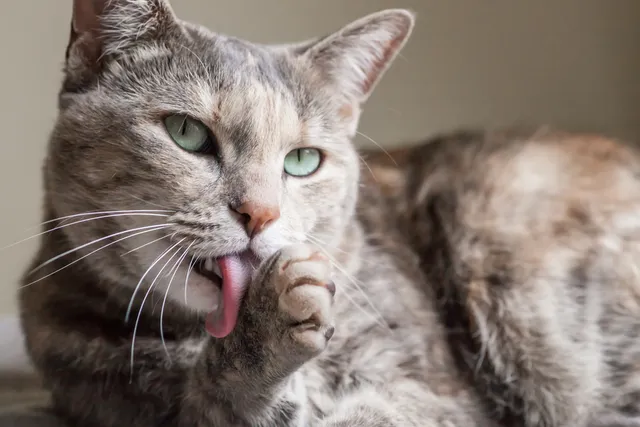
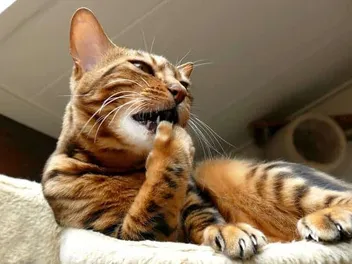
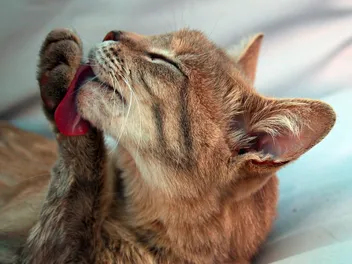
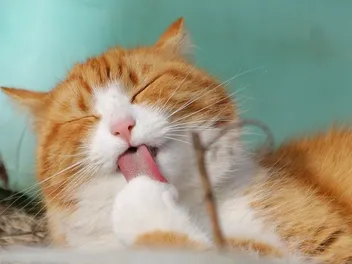
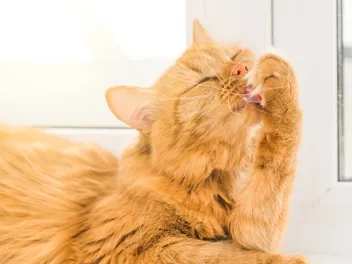
Cats love to feel clean, so for most of their grooming, they’re simply removing dust or dirt on their coats. Their rough tongues lift the dirt off, leaving your cat sparkling clean after a good grooming session. Most cats spend between 30% and 50% of their waking hours cleaning their coats.

3. To Spread Natural Oils Throughout Their Coats
A cat’s skin releases natural oils, which they spread evenly over their coat when they clean themselves. The oils repel water, keep your cat warm, and give their coat a lovely shine.
4. To Distract Themselves From a Stressful Situation
This is known as “displacement behavior.” Some cats start cleaning themselves when under stress in an attempt to distract or soothe themselves by doing something that makes them feel safe and secure.
5. To Remove Foreign Objects or Irritants
If your cat has something on their fur or skin that is causing discomfort or a localized irritation, they may try to clean it off themselves by grooming. Sometimes, a bath can help wash off irritants, but we recommend seeking veterinary advice if you think that there is something recurrent that is causing your cat’s excessive grooming.

- Only Natural Pet Shampoo - Our vegan, plant-based formulation is made with safe and natural pH-balanced ingredients to moisturize and soothe skin, leaving a fresh, soft and glossy coat to turn heads
- No Soap - A cat and dog wash free from soaps, glutens, dyes, DEA, sulfates and phthalates means it's a hypoallergenic dog shampoo for itchy skin / cat shampoo for itchy skin made with only good stuff
- Colloidal Oatmeal - Formula soothes and nourishes dry, irritated skin, providing itchy skin relief for dogs and cats alike. Trust us - they'll thank you with lots of licks!
Grooming your pet at home can help you save money and avoid stress, but only if you're armed with a great pet shampoo. We recommend Hepper's Colloidal Oatmeal Pet Shampoo, which has a pH-balanced, pet-safe formula made with natural ingredients like aloe vera and oatmeal. You won't find any irritants like phthalates, sulfates, dyes, or soaps, and the soothing formula will keep your pet's skin moisturized and happy. Plus, the cucumber and aloe scent will make you feel like you've been to the spa!
At Catster, we’ve admired Hepper for many years and decided to take a controlling ownership interest so that we could benefit from the outstanding designs of this cool cat company!
6. To Remove Fleas or Mites
When a cat is suffering from an infestation of fleas or mites, they may clean themselves in an attempt to remove parasites or to soothe the bites from them. Often, cats with fleas or mites look like they’re biting their skin rather than truly cleaning themselves.

7. To Improve Circulation
When a cat grooms their fur, the action of their tongue running over their body can improve circulation and encourage higher blood flow to their skin. You can do the same by giving your cat regular grooming sessions with a soft brush!
8. To Remove Scents From Their Bodies
Cats have a sensitive sense of smell, and if they have meat juice from their wet food on their face or rubbed up against a patch of oil, they will want to remove the scents. Cats are quite particular about smells on themselves, in their environment, and on their people. In fact, when cats spend time with each other, they work to construct a group smell.
9. To Clean and Soothe Injuries
Feline saliva contains enzymes. When your cat licks a wound, the enzymes have an antimicrobial effect that can speed healing and help keep wounds clean. It’s always best to keep a close eye on large wounds and speak to a veterinarian for advice.
10. As a Bonding Exercise
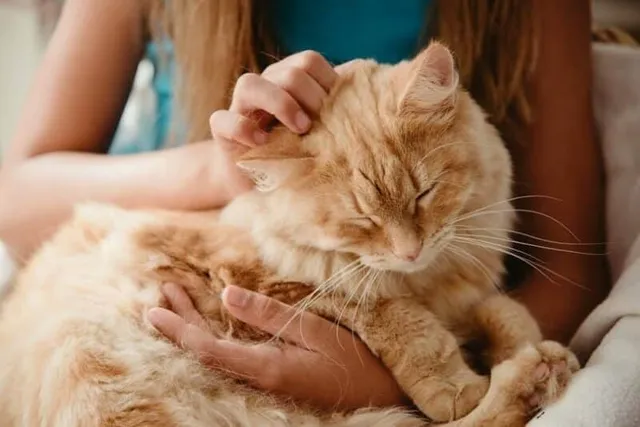
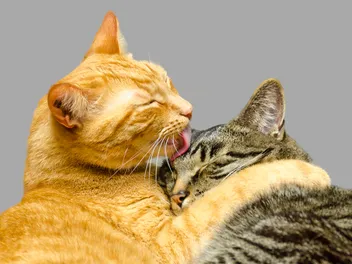
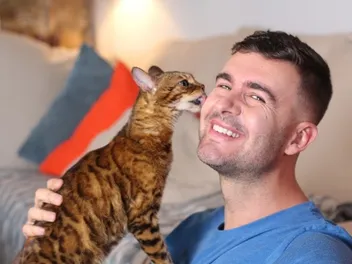
If you see your cats cleaning each other, it’s a good sign that they’ve formed a strong bond. As cats clean each other’s coats, they transfer pheromones, which can help them feel safe and secure in their surroundings. Cats even like to create a common smell in a group or pair by combining their individual smells.

11. Because They Enjoy It
Some cats clean themselves because it feels great, and they enjoy it! The familiar sensation of grooming can help cats feel safe and remind them of when they were kittens being cared for and cleaned by their mama cat.
12. Because It's a Compulsion
We know that most cats clean themselves regularly, but sometimes, regular cleaning can turn into a compulsion. If your cat seems to be spending more time than usual cleaning themselves, they may start to develop hair loss and painful skin lesions. We recommend asking for veterinarian advice in this instance.

Final Thoughts
Cats are clean animals that spend a significant part of their day grooming their fur. They remove dirt and debris with their rough tongues, and the action soothes them and makes them feel safe. However, compulsive grooming can harm your cat, and if you notice bald spots or irritated skin due to overgrooming, contact your veterinarian for an appointment.
Featured Image Credit: Karin Laurila, Shutterstock
Expert cat care, straight to your inbox
News, insights, and useful advice, delivered to you.

No spam — unsubscribe anytime.
By signing up, you agree to our Terms & Conditions and Privacy & Cookies Policy.
How useful was this post?
Click a star to rate. You can leave written feedback afterwards. (We read all feedback.)
Christian started writing for a local newspaper as a teenager, and he's been involved in the publishing industry for most of his adult life. Combining his love of writing with a passion for animals, he is currently the Director of Editorial at Pangolia and the Editor-in-Chief at Catster.
Christian lives in the Philippines with his wife, son, and four rescue cats: Trixie, Chloe, Sparky, and Chopper.