Get

In Your Inbox

Catster is reader-supported. When you buy via links on our site, we may earn an affiliate commission at no cost to you. Learn more.

Why Does My Cat Kick Litter Out of the Box? 5 Vet-Reviewed Reasons

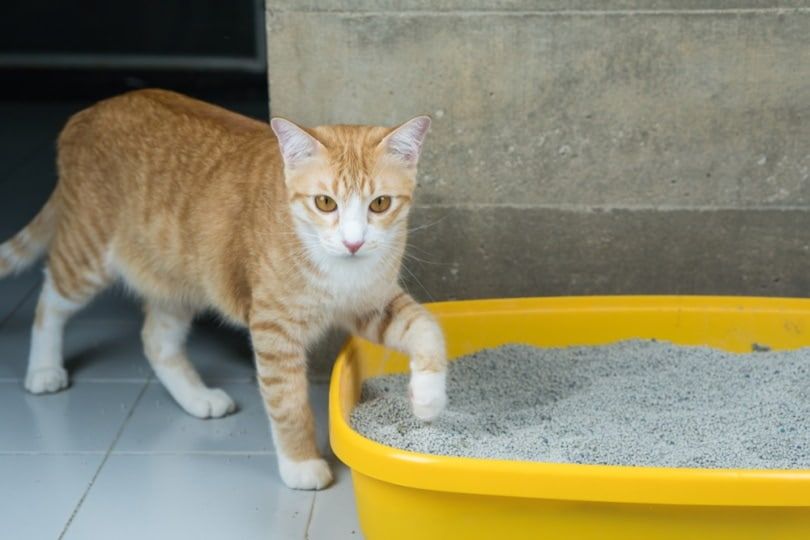
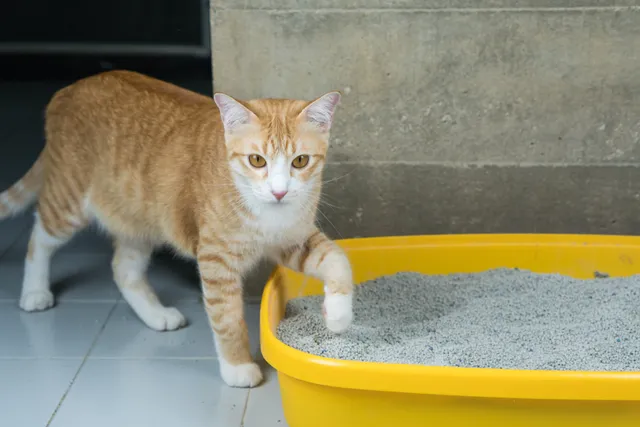
orange cat beside litter box

Cat owners all over the world are familiar with that awful feeling of stepping barefoot on small litter pebbles, which is usually followed by an explosive, “Why?!”

Cats kicking litter out of their box is a behavior that flummoxes many pet owners, but this may just be an indication that there’s an easy problem that you need to remedy, or maybe that your kitty is getting used to the litter. We rounded up the top reasons that cats kick their litter and a few ways that you can remedy this issue.

divider 2 cats

The 5 Reasons Cats Kick Litter Out of the Box

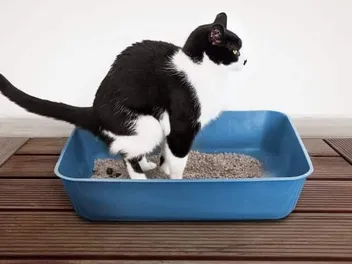
1.  The Litter Box Is Too Small

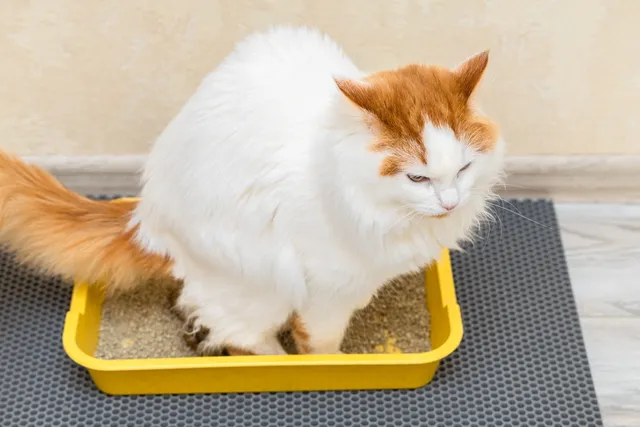
Our modern-day cats are the descendants of wild cats that lived in sandy environments in which they would dig a spot, eliminate it, and then cover it again. Many cats still exhibit this behavior in their litter boxes when they dig for the perfect spot to eliminate. If your cat is a digger, a larger litter box will likely help prevent them from kicking litter out when they go through their elimination ritual. The new box should be large enough for your cat to stretch out its forearms to dig, create a hole for elimination, and then cover it.


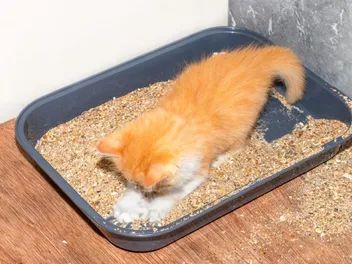
2. They Are Testing the Litter

Some cats are very particular about their litter, and they will test it out to make sure it is the right spot to eliminate by checking the texture and depth of the litter in the box. This “professional” test may result in some wayward litter making its way outside the box. Always make sure that there is enough litter in the box and that you clean it every day so the litter is pristine for your picky “litter tester,” which will cut down on the kicking behaviors.

two cats on litter box
Image Credit: Guajillo studio, Shutterstock

3. Your Cat May Have a Urinary Issue

If your cat is persistently kicking litter out of the box, it may be a sign of discomfort when urinating. Medical problems such as urinary tract infections, cystitis (bladder inflammation), or even kidney disease can cause cats to spend more time in the litter box, scratch excessively, or behave differently around elimination. If you notice this behavior alongside other signs like frequent trips to the box, straining, or accidents outside the box, it’s important to schedule a veterinary check-up.

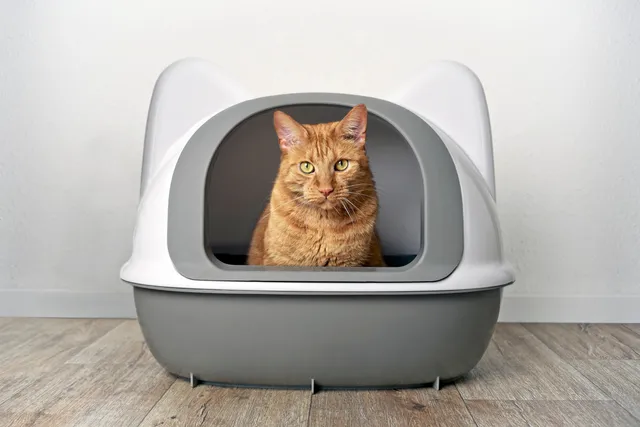
A covered litter box may reduce the mess, but the priority should be ruling out health problems first.


4. There’s Not Enough Litter

Cats are very particular about their bathroom habits, and one common issue is simply not having enough litter in the box. If the layer is too shallow, they may dig more vigorously and end up kicking litter over the sides. Adding more litter gives your cat enough depth to dig, bury, and cover comfortably, which can help minimize the scatter.

two cats sniffing litter
Image Credit: Zoran Photographer, Shutterstock

5. Kittens Just Like to Play in the Litter

Kittens often learn their litter box behavior from their mothers. So, if your kitten can observe their mother neatly digging a hole, eliminating, and then covering the droppings, then you’re all set. Many kittens are taken from their mothers at an age too young for them to observe this behavior, though, so they have to figure out how to use the litter box on their own. While they’re doing this, they often play in the litter, which could result in kicking behavior.

A box with higher sides might help reduce litter kicking, but it will be hard to re-train your cat not to kick litter out once they’ve started this behavior. If a high-sided box doesn’t work, try getting a covered litter box so there is no way for them to kick the litter out in the first place.

divider 2 cats

Conclusion

While cats have pristine bathroom habits, there might be occasions in which some litter gets outside the box. There are several reasons that cats kick litter, including that there isn’t enough litter, they’re testing it out to find the perfect spot to go, or the litter box is too small.

There are simple solutions to many of these problems, which include larger litter boxes, more litter, covered boxes, higher-sided boxes, or re-training. If none of these suggestions work, you may want to talk to your vet to determine if there is a medical reason (such as a urinary issue) for the litter-kicking behavior.

If you need to speak with a vet but can't get to one, head over to PangoVet. It's an online service where you can talk to a vet online and get the advice you need for your pet — all at an affordable price!

PangoVet_Mention-in-Content for PangoVet2 save money


Featured Image Credit By: jamesjoong, Shutterstock

Want content like this delivered to you?

Sign Up For Our Newsletter

News, insights, expert advice, and everything cat

* By submitting, you agree to our Terms & Conditions and Privacy & Cookies Policy.

How useful was this post?

Click on a star to rate (you can leave written feedback after clicking submit)

Help us improve Catster for pet parents!

Your feedback really matters.

What did you like about this post? Also how can we improve it?

Join the conversation

Leave a Reply

You’re very welcome to leave a comment or question. Please know that all comments must meet our community guidelines, and your email address will NOT be published. Let’s have a positive and constructive conversation.

Talk With A Vet Online

Peace of mind,
anywhere, anytime

Affordable vet advice

Zonli Pet Cooling Mat Review 2026: A Detailed Look

Is it just me, or are summers getting hotter and hotter? I know my cat agrees with me. In a bid to find...

Purrfectiion Fluffy Cat Bed Review 2026: Pros, Cons & Verdict

Review Summary The Purrfectiion Cat Bed is a high-quality and super fluffy bed that is as much of a kitty nest as it...

Lap Grooming Explained: 4 Vet-Verified Reasons Cats Do It

Cats are full of surprises. Just when you think you’ve figured them out, they do something that makes you tilt your head in...

Why Are Cats So Curious? 7 Fascinating Vet-Reviewed Insights

If you have a cat, you’ve probably noticed that they are always interested in your actions. If you open the doors, bring in...

More related

My Cat’s Cyst Keeps Filling Up, What’s Wrong? (Vet Answer)

Over their lifetime, our cats can develop all sorts of weird and wonderful lumps, bumps, swellings, and more. One of the least worrying...

Birman vs Siamese Cat: Main Differences (With Pictures)

There is something so elegant and beautiful about a faded cream to gray or brown shade on cat coats. On top of their...

How Long Does CBD Stay in a Cat’s System & Is It Safe? Our Vet Explains

Cannabidiol, also known as CBD, has been growing more and more popular in recent years. It has many benefits for humans, such as...

My Cat Threw Up – Are They Sick? (Vet Answer)

The sound of a vomiting cat is one no pet owner wants to hear. However, after the initial dismay wears off, you may...

Keep reading

How to Care For a Three-Legged Cat: Expert Tips & Advice

Tripawd, tripod, trilimb—whatever you call them, a three-legged cat is just a different kind of pet. They might need a bit of help to live their best lives, but these animals make as wonderful companions as any full-limbed pet. Whether...

Three-legged cat sitting near the railings

9 Best Cat Foods for Shedding & Hair Loss in 2026: Reviews & Top Picks

When you first got your little bundle of fluff, you might not have been ready for the shedding and grooming. But some cats, like American curls, shed tremendously, and others exhibit excessive grooming behaviors or develop allergies that lead to...

Hungry cat sitting next to bowl of food at home kitchen and looking at camera

How Often Do Cats Pee? Vet-Verified Facts & When to Worry

Just like people, how often cats pee each day can vary. It depends mostly on how much water they consume, their age, diet, and the environmental temperature. Cats that eat wet food may pee more than cats that eat kibble,...

cat-peeing-on-the-floor

Can Cats Eat Capers? Vet-Reviewed Facts & FAQ

Capers are known for adding a certain “pizazz” to many meals including pasta, salads, fish, and bagels. These small and savory flower buds have been around since the mid-17th century and have become a mainstay ingredient in many Italian dishes....

Can Cats Eat Capers

Do Cats Have Good Memory? Vet Approved Feline Memory Facts

Living with a cat is sure to create many fond memories. While we can recall these fun and enjoyable memories, it’s not clear if cats also can. Cats are intelligent animals that have a good sense of memory, but it’s...

cat resting with owner on sofa at home

How Much Hissing Is Normal When Introducing Cats? What to Tolerate & Guide (Vet-Reviewed)

Welcoming a new kitty to the family is exciting for the humans in the household. The other resident cats? Maybe not so much. While some cats get along instantly, others need some time to warm up to one another. It’s...

Angry cat hisses to another cat

How Do Cat Eyes Work? Vet-Reviewed Facts & FAQ

If you’re wondering why your cat has such an air of self-importance and superiority about them, it might be because their senses are so powerful and complex that they consider us mere humans simply inferior—and rightly so! Did you know...

Scared cat with wide eyes looking at you

Why Do Cats Love The “Pspsps” Sound? 4 Vet-Verified Interesting Reasons

Cats have astounding hearing, with most able to hear frequencies we humans can only imagine. They have 32 ear muscles that allow them to move their ears 180 degrees to locate sounds precisely. And they can even control each ear...

white-British-long-haired-cat-smiling-or-happy