8 Types of Cat Food: Vet-Reviewed Nutrition Facts & Advice


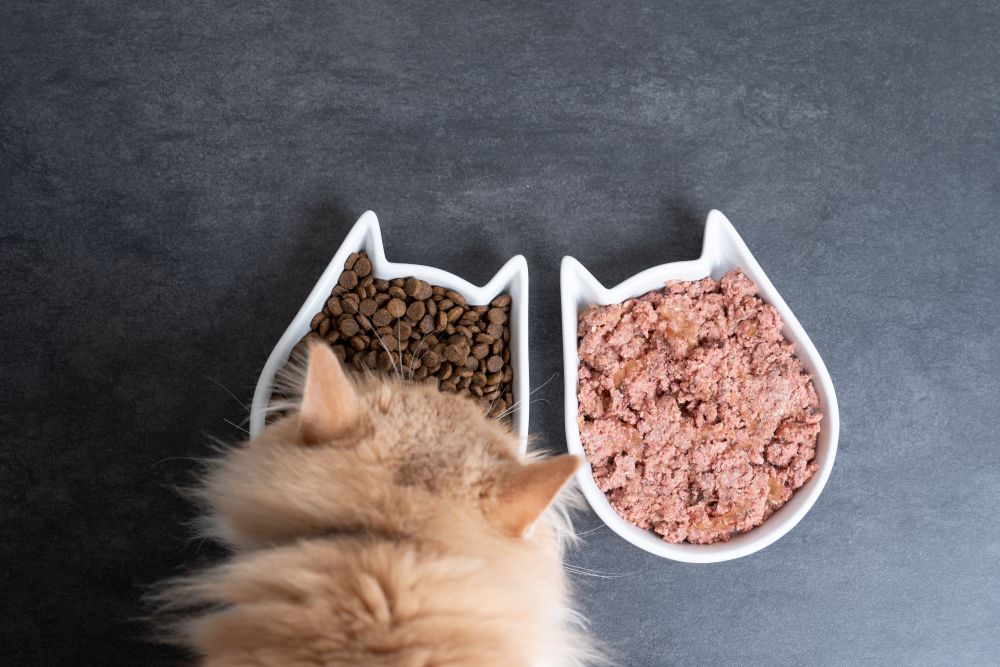
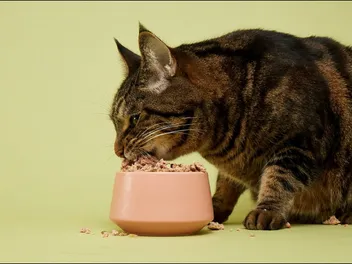
Deciding what to feed your cat isn’t as simple as it used to be. The pet food industry is experiencing explosive growth, and new manufacturers are frequently entering the market. If you’re unsure where to begin, you’ve come to the right place. In this article, we’ll list eight types of cat food and explain a little about them. We’ll also discuss how to decide which food is best for your cat to eat.

The 8 Types of Cat Food

1. Fresh Food

Commercially available fresh cat food is one of the newest options. Small companies often produce fresh products that prioritize transparency in their ingredient list and manufacturing process. The food is gently cooked without added preservatives and then usually stored in the fridge or freezer. Some are available in stores, but many are shipped directly to consumers. Fresh diets appeal to owners who like the idea of cooking for their cat but don’t have the time or worry the diet won’t be nutritionally balanced.
Reputable fresh food companies follow the minimum nutrition guidelines (AAFCO) set up for all pet food sold in the United States. They often claim to use “human grade” ingredients, but this term is not well-defined or regulated, so don’t assume it always means a healthier diet.
2. Dry Food

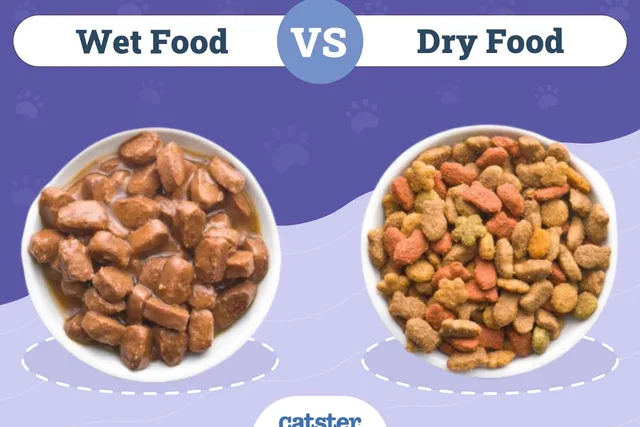
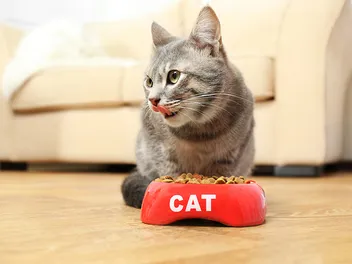
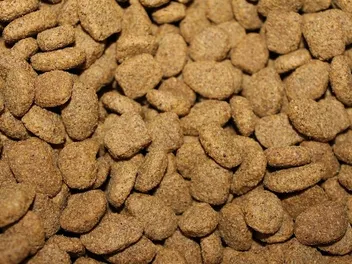
Dry cat food or kibble is probably the most common product fed to felines because it’s one of the easiest and cheapest types of cat food. It’s widely available in stores with prices that vary widely depending on the ingredients used. In general, dry food contains one or more protein sources, at least one carbohydrate source, and various other ingredients, including essential vitamins and minerals.
These ingredients are mixed to form a dough and cooked with high heat to produce the kibble. Dry food is available with a range of proteins and options, including “grain-free” and “all-natural”. Like human grade, many of the industry’s marketing terms are not well-defined, regulated, or backed by scientific research. All dry foods sold in the United States must meet the same basic nutritional standards.
3. Canned Food

Canned cat food contains similar ingredients as dry food: protein, carbs, and essential nutrients. These ingredients are typically mixed with water, cooked, packaged, and sterilized for safety. Canned food has a high moisture content and can help cats stay hydrated. It comes in several textures, including chunky, minced, and smooth.
Canned food smells and tastes more appealing to some cats, while others may not care for the soft texture. Like dry foods, canned products are available in a variety of brands and flavors. They are less calorie-dense than dry kibble and are more expensive overall.
4. Prescription Food

Prescription cat food is specially formulated to support kitties suffering from various health conditions. It’s available from veterinarians or requires a prescription to purchase. Some of the most common conditions managed with prescription diets include kidney disease, food allergies, and diabetes. Most prescription diets are available in canned and dry formulas. They tend to be among the most expensive types of cat food because of the science, research, and testing involved in producing them.
5. Limited Ingredient Food

Some prescription cat foods are also limited-ingredient diets but are also available over the counter. Limited-ingredient diets are generally designed for cats with food sensitivities or allergies. A minimal-ingredient diet generally contains a single protein and carbohydrate, typically from unusual sources.
Knowing what is in cat food can be tricky, the term “limited ingredient”, like so many others used in pet food labeling, is not well-regulated. Cat food can be labeled “limited ingredient”, no matter how many it contains. If your cat needs a limited ingredient or novel (new) protein diet because of a health issue, talk to your veterinarian to determine whether an over-the-counter or prescription food is needed.
6. Semi-Moist Food

Semi-moist cat food is the middle ground between dry kibble and canned diets. It contains more water but not as much as canned food. These types of diets also tend to have a lot of unhealthy additives, including artificial flavors, colors, sugar, and salt. They’re less cost-efficient than dry food because the higher water content makes them less calorie-dense. Semi-moist foods are usually widely available and convenient but aren’t among the top types of cat food because of all the additives.
7. Homemade Food

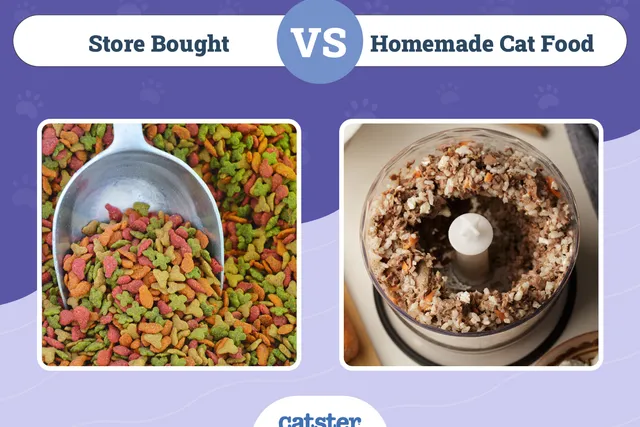
With concerns over what is in cat food, recalls and ingredient quality, some cat owners may find the idea of making homemade food for their pets appealing. However, no matter what other concerns you may have about commercial food, homemade cat food must meet basic nutrition standards. Homecooked food could be made with sushi-grade tuna and organic vegetables, but that doesn’t mean it’s healthy for your cat if it’s not nutritionally balanced. To be done correctly, homemade food should be formulated with the help of a veterinarian or veterinary nutritionist.
8. Raw Food

Some cat owners believe that the healthiest way for their pet to eat is similar to how their wild ancestors dined: on raw food. Commercial raw food diets are available that meet basic nutritional standards, but some owners also make homemade raw food meals. The same nutrition concerns for cooked homemade diets also apply to the raw versions.
Research does not support the idea that raw food is healthier for cats. In addition, raw food presents some health risks to pets and people. Many raw diets, even commercial ones, contain dangerous food-borne bacteria, such as salmonella. Cats can get sick from these bacteria or become carriers and infect the humans around them.

What Food Is Best for Your Cat?
With so many different types of cat food out there, how do you choose what’s best for your cat? Well, the first step is to look for food formulated for the correct life stage. Kittens have different nutrition requirements than adult cats, and it’s important that you feed them a diet tailored to their needs.
Beyond this requirement, speaking to your veterinarian for nutritional advice is best. Your vet can help you determine how many calories your cat should eat each day. They can also recommend how much protein, fat, and carbohydrates should be in your cat’s ideal diet.
Most veterinarians suggest looking for brands that meet the minimum AAFCO nutrition standards and perform feeding trials. Your cat’s overall health will also guide your food choice, especially if your pet has a health condition.

Conclusion
These eight types of cat food provide a general overview of your options as you select the best diet for your kitty. Educating yourself about cat food is especially vital because, as we learned, many advertising labels don’t always reflect the true nutritional benefit to your pet. Again, your veterinarian is your best resource for cutting through the confusion and finding the food most suitable for your cat.
Related reads:
Sources
Featured Image Credit: Nils Jacobi, Shutterstock
Expert cat care, straight to your inbox
News, insights, and useful advice, delivered to you.

No spam — unsubscribe anytime.
By signing up, you agree to our Terms & Conditions and Privacy & Cookies Policy.
How useful was this post?
Click a star to rate. You can leave written feedback afterwards. (We read all feedback.)
Elizabeth Gray is a lifelong lover of all creatures great and small. She got her first cat at 5 years old and at 14, she started working for her local veterinarian. Elizabeth spent more than 20 years working as a veterinary nurse before stepping away to become a stay-at-home mom to her daughter. Now, she is excited to share her hard-earned knowledge (literally--she has scars) with our readers. Elizabeth lives in Iowa with her family, including her two fur kids, Linnard, a husky mix and Algernon, the worldʻs most patient cat. When not writing, she enjoys reading, watching all sports, and spending time outdoors with her family.