Persian Cat Health Problems: 6 Vet-Reviewed Issues


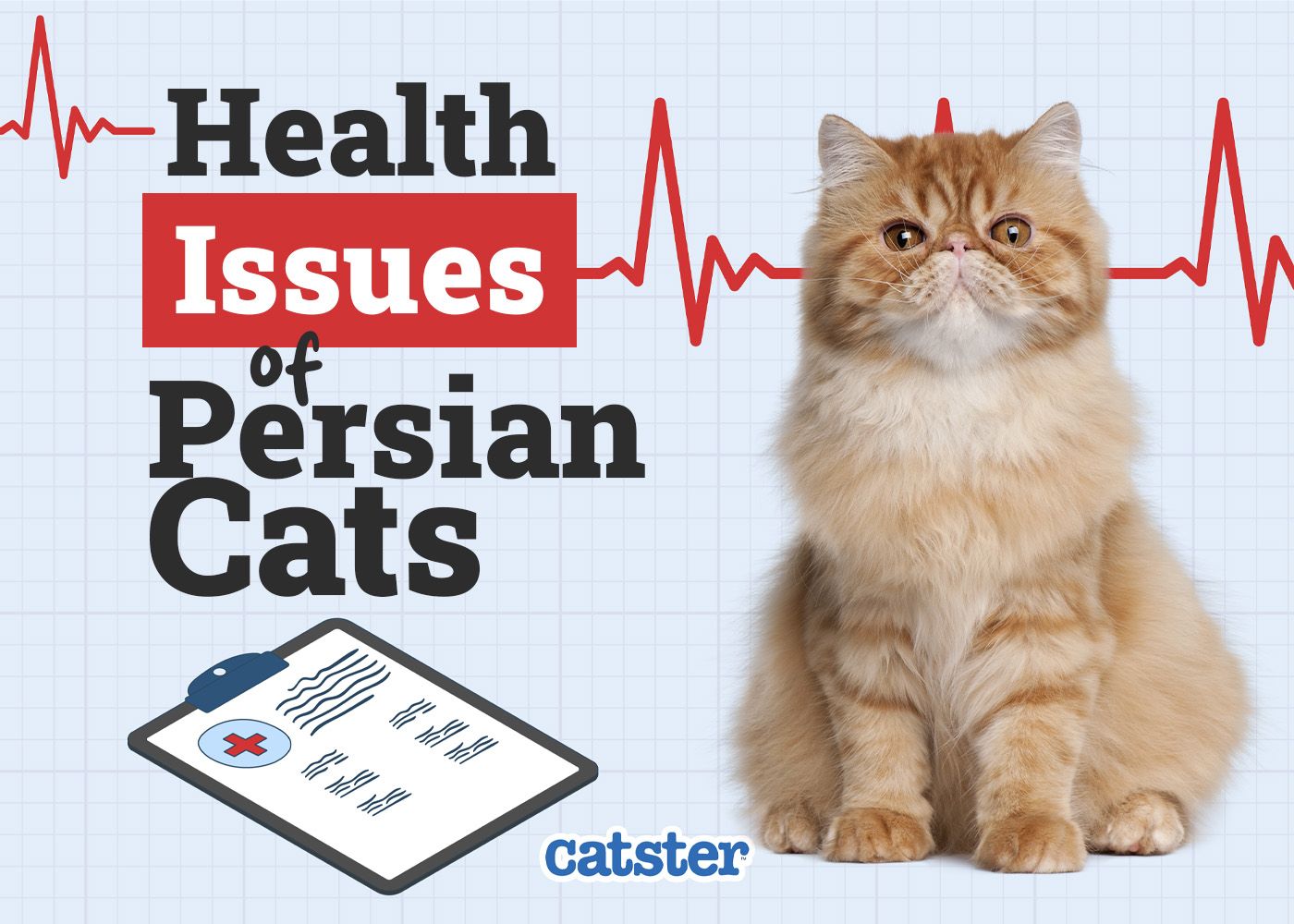
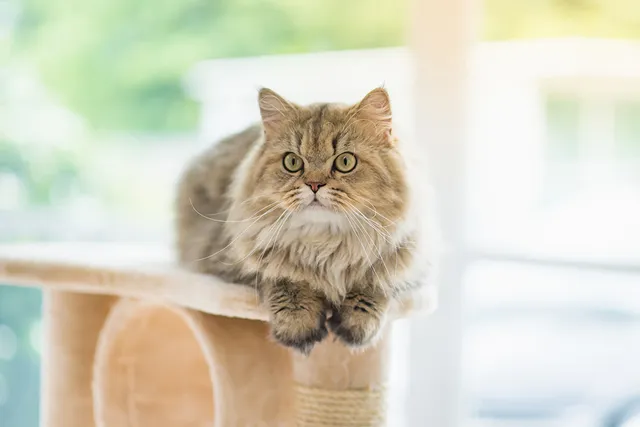
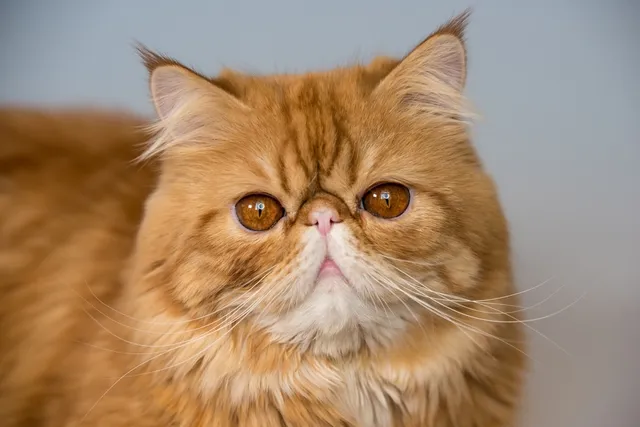
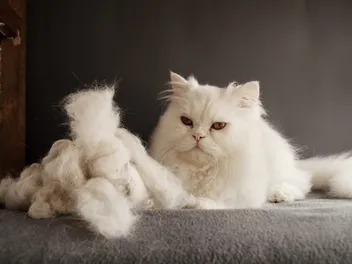
The beautiful Persian cat is known to be quiet and docile. They are easily recognized by their flat face, full cheeks, short muzzle, and big round eyes. This long-haired breed is quite popular, with a history dating back thousands of years in ancient Persia.
While the Persian cat is beautiful and sweet, they are prone to developing certain genetic health problems, just as we humans can inherit particular diseases. Many of these cats do enjoy long, healthy lives, but if you have one of these mellow and charming felines, you should still familiarize yourself with common Persian health issues so you’re not surprised by unexpected veterinary bills later.
Here are the most common health issues that Persian cats can have. This way, you’ll know what your feline friend may be susceptible to.

The 6 Common Persian Cat Health Problems
1. Polycystic Kidney Disease (PKD)

Polycystic kidney disease (PKD) is an inherited condition in which fluid-filled cysts develop in the kidneys. These cysts are present from birth and tend to multiply and grow larger over time, wherein they end up causing kidney failure. Of all the cat breeds in the world, Persians have the highest incidence of PKD, which affects about one in every three Persians.
PKD is caused by a gene abnormality that’s evident primarily in Persians, though other breeds may have it, like the Himalayan and British Shorthair breeds. PKD signs typically develop when a cat is around 7 years old.
Signs:
How Polycystic Kidney Disease Is Diagnosed and Treated
When PKD disease was first recognized, the only way to identify it was an ultrasound of the kidneys. Nowadays, there is a genetic test available to detect PKD.
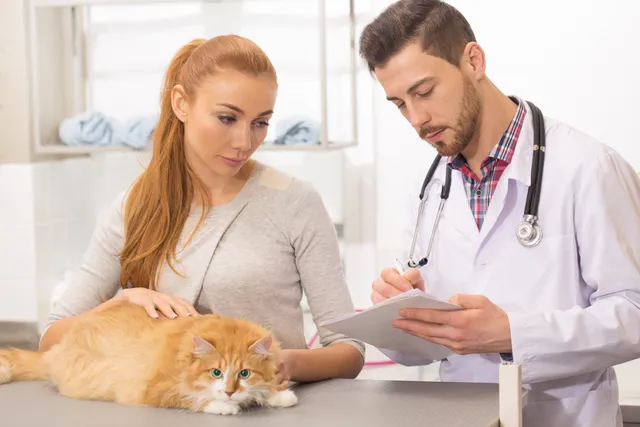
If you take your Persian to the vet because you suspect they have PKD, a vet will conduct a physical examination and see if your cat’s kidneys feel enlarged. The vet will also check your cat’s blood and urine for signs of the disease.
There is no cure for this inherited progressive disease, but the signs can be managed. If your Persian has PKD, a vet will cater their treatment according to the progression of the disease. The treatment may include antibiotics, fluid therapy, appetite stimulants, dietary plans, or pain medications—it all depends on how advanced the PKD is.
2. Progressive Retinal Atrophy (PRA)

Persians are predisposed to progressive retinal atrophy (PRA), which is a term used to describe a group of degenerative eye diseases affecting the retina. There are two main types of feline PRA: early-onset PRA, which affects kittens, and late-onset PRA, which affects adult cats.
This progressive eye condition is caused by the abnormal development of the retina’s photoreceptor cells, which can lead to total blindness. PRA is a hereditary eye disease first recognized in the Abyssinian cat breed. This inherited disease is known to affect Persians, as well as many other popular cat breeds, including Siamese, Peterbalds, and Bengals.
Signs:
How Progressive Retinal Atrophy Is Diagnosed and Treated
If you take your Persian to the vet for suspected PRA, the vet will examine the back of your cat’s eyes to see if there are abnormalities of the optic nerve and blood vessels of the retina.
If your cat is diagnosed with PRA, the vet will likely treat your cat with antioxidant supplements and vitamins. It’s also possible that your cat receives treatment for cataracts or retinal detachment to help safeguard what vision they have left.
3. Brachycephalic Airway Syndrome

Brachycephalic airway syndrome is a term used to describe an abnormality that blocks the airway of brachycephalic cats. A Persian is such a cat because they have a face and nose with a pushed-in appearance. Because a Persian has shorter bones of the face and nose, this breed is susceptible to breathing problems.
It’s common for a brachycephalic cat like a Persian to have an elongated soft palate that partially blocks the windpipe. Also common are narrowed, small nostrils that restrict the airways. Both of these upper airway problems can lead to issues with inhaling.
Over time, since they have trouble breathing, a cat with brachycephalic airway syndrome can develop more problems, which may include heart issues due to an increased amount of strain on the muscle.
Signs:
How Brachycephalic Airway Syndrome Is Diagnosed and Treated
If you see any signs of brachycephalic airway syndrome in your Persian, a vet will conduct a physical examination to inspect the structure of your cat’s face. They will likely also run some blood work and take chest X-rays.
If your cat has this syndrome, surgery of the stenotic nares is typically the treatment used, which involves removing tissue from the nostrils, allowing for better airflow. The surgery may also include shortening the soft palate to a normal length if it’s found to be elongated.
4. Dental Disease

Since the Persian is a flat-faced, brachycephalic cat breed, they are susceptible to dental disease, which includes periodontal disease (gum disease). Dental disease is common in cats that don’t have their teeth brushed regularly.
Dental disease typically starts with tartar building up on the visible part of the teeth, gradually leading to diseased gums and roots. This is why it’s always recommended to brush a cat’s teeth—they can’t do it themselves! By simply brushing your Persian’s teeth with regularity, you can help your little furball avoid losing their teeth and developing more serious problems.
Signs:
How Dental Disease Is Diagnosed and Treated
If you take your Persian to the vet because you suspect they have dental disease, a vet will examine your cat’s mouth to look for signs of infection. However, a complete evaluation is only possible under anesthesia with dental probing and full-mouth dental X-rays.
If your cat has dental disease, there are several treatment options. The vet may prescribe an anti-inflammatory pain reliever or antibiotics if there’s an infection present. It’s also possible that your cat will need to have their teeth extracted to prevent an infection of the jawbone.
5. Idiopathic Seborrhea

Persian cats are known to have a skin disorder called idiopathic seborrhea. This is a condition that is characterized by red, irritated, and itchy skin and the overproduction of an oily, waxy substance produced by the skin glands. A cat with idiopathic seborrhea will have clumpy, stinky fur and will scratch a lot.
Idiopathic seborrhea may be inherited or caused by allergies, dietary problems, endocrine disorders, fungal infections, or parasites.
Signs:
How Idiopathic Seborrhea Is Diagnosed and Treated
If your Persian is at the vet for a suspected case of idiopathic seborrhea, a vet will conduct a physical examination to check for anything that’s causing the itchy red skin, like parasites. Blood and skin tests may also be conducted to determine the cause of the disease.
While there is no cure for idiopathic seborrhea, the management of this condition can be successful. The vet may recommend a special cat shampoo to control the oily buildup or prescribe a supplement or oral vitamin. If your cat develops a secondary infection, antibiotics or antifungal medications may be prescribed.
6. Heat Sensitivity

Because Persians have a thick, dense coat and a flat face that makes it harder to pant, these cats are prone to heat sensitivity. If a heat-sensitive Persian can’t cool off, heat exhaustion can occur and may lead to more serious heatstroke. Heat exhaustion is a precursor to heatstroke, which can cause a cat to collapse, have seizures, or slip into a coma.
Signs:
How Heat Sensitivity Is Diagnosed and Treated
If you suspect your Persian is suffering from heat sensitivity, the vet will take quick action. After assessing your cat’s signs and checking their body temperature, the vet may give your cat fluids intravenously if dehydration is suspected. The vet will also likely put your cat in a cool room and monitor their breathing before allowing them to go home.
If you suspect that your cat is suffering from any of the above, it's best to contact a vet for more information and determine your next steps.
Tips for Keeping Your Persian Healthy
Since we know that you want your Persian to be healthy and happy, we outlined the six most common health problems this breed faces. To help keep your Persian healthy, use common sense. Keep tabs on your cat’s diet to ensure they’re getting all the nutrients they need, and provide them with plenty of exercise opportunities.
To keep your Persian’s teeth and gums healthy, pick up a cat toothbrush and some toothpaste so you can clean those pearly whites. You should plan on brushing your cat’s teeth three times a week at least!
It’s just as important to groom your long-haired Persian using a cat brush. You should get into the habit of brushing your Persian every day to keep their fur mat-free. While you’re grooming them, take a look at their ears for wax, debris, or signs of infection, and clean them using a damp cloth.
Finally, you should always make sure that your Persian has access to lots of drinking water, especially during the summer months.
Conclusion
Even though Persian cats are prone to developing some serious health issues, many Persians live long and healthy lives. To help your beautiful feline live a full life, provide them with the best care possible and work closely with a vet. Together, you and a veterinarian can safeguard your Persian’s health so you’ll have your little buddy around for a very long time.
See also: Silver Persian Cat
Sources
Polycystic Kidney Disease | Cornell University College of Veterinary Medicine
PKD DNA Test for Cats | Feline Polycystic Kidney Disease | AffinityDNA EU
Progressive Retinal Atrophy (PRA-pd) (Persian) | Veterinary Genetics Laboratory
Brachycephalic Airway Syndrome In Cats | VCA Animal Hospitals
Oral and dental anomalies in purebred, brachycephalic Persian and Exotic cats | Request PDF
Featured Image Credit: Santi Nanta, Shutterstock
Expert cat care, straight to your inbox
News, insights, and useful advice, delivered to you.

No spam — unsubscribe anytime.
By signing up, you agree to our Terms & Conditions and Privacy & Cookies Policy.
How useful was this post?
Click a star to rate. You can leave written feedback afterwards. (We read all feedback.)
Christian started writing for a local newspaper as a teenager, and he's been involved in the publishing industry for most of his adult life. Combining his love of writing with a passion for animals, he is currently the Director of Editorial at Pangolia and the Editor-in-Chief at Catster.
Christian lives in the Philippines with his wife, son, and four rescue cats: Trixie, Chloe, Sparky, and Chopper.