How Big Do Munchkin Cats Get? Vet-Reviewed Average Weight & Growth Chart


In this article
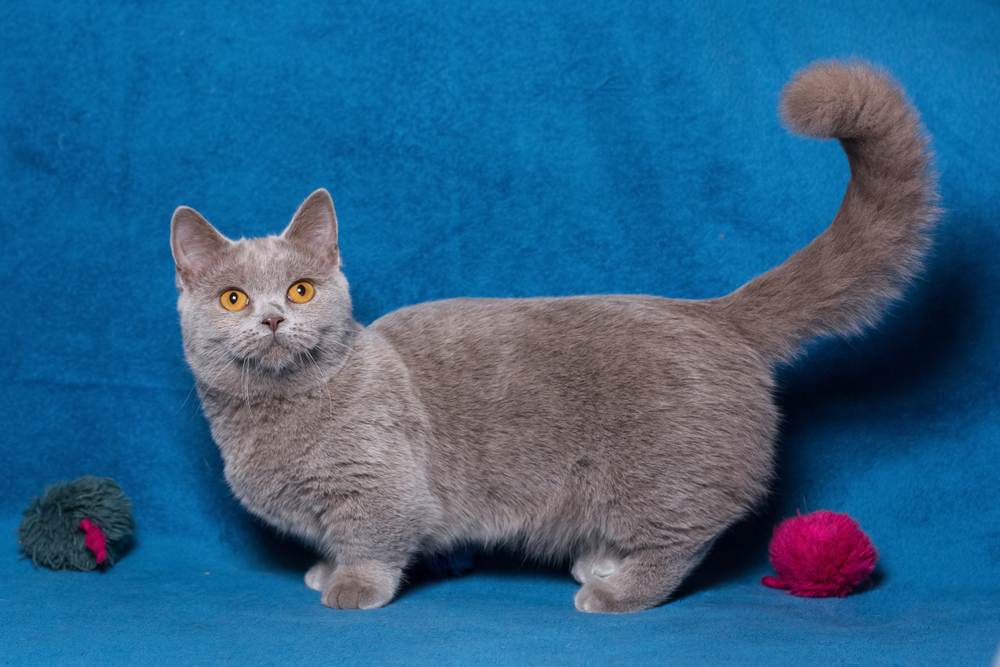
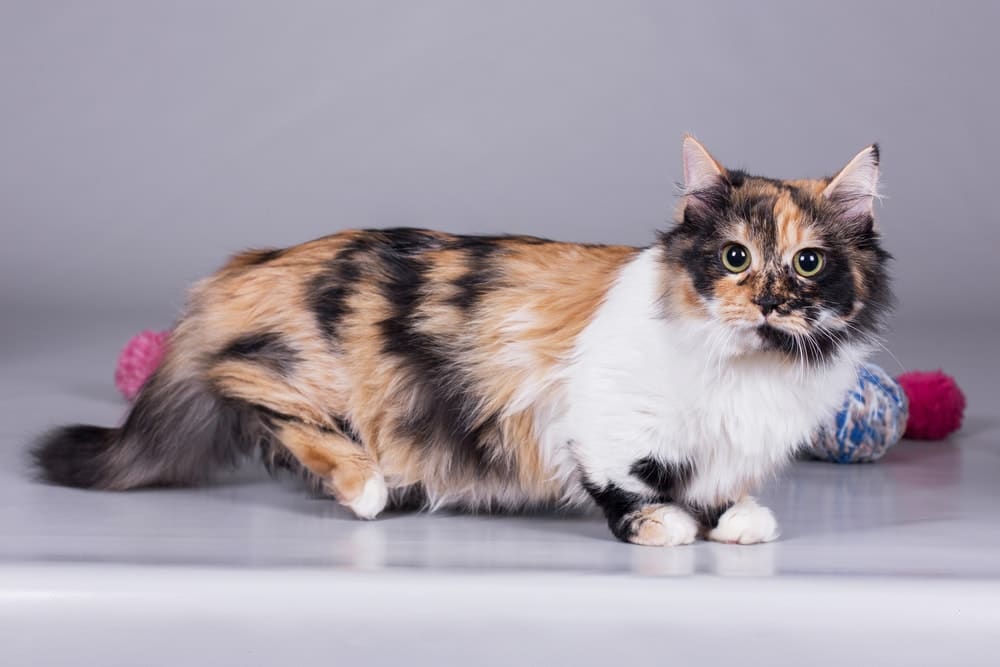
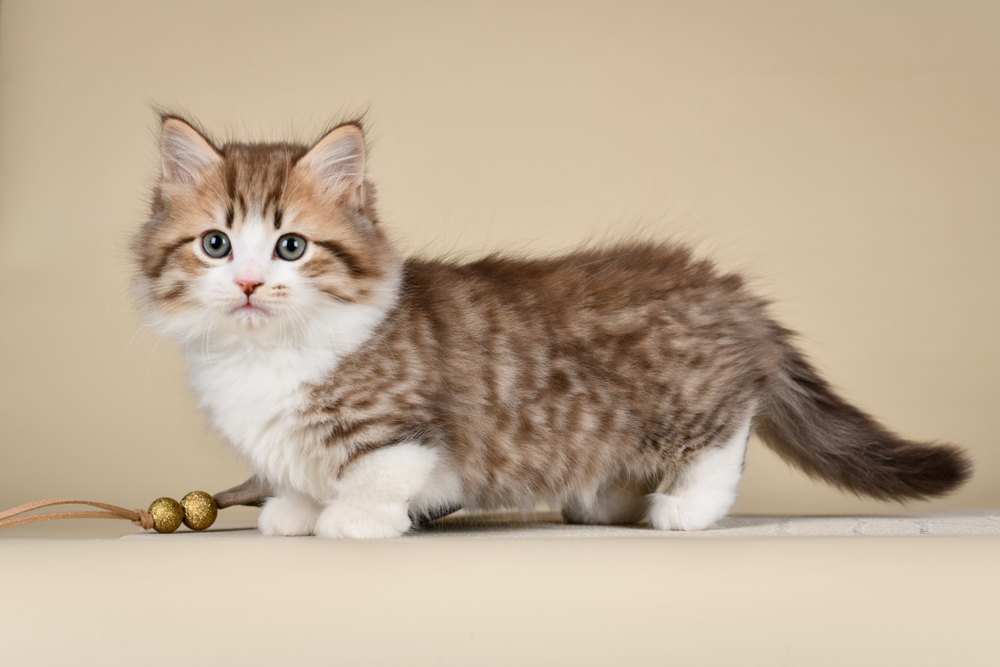
Munchkin cats are generally considered to be friendly, cheerful, affectionate companions. They have unusually short legs which is due to a genetic mutation causing a defect in the normal formation of their cartilage and bones. This is also referred to as chondrodysplasia-like dwarfism. The altered limb development is a source of ongoing concern within the veterinary and animal welfare communities, as it may negatively impact the breed’s long-term health and welfare by affecting mobility and limiting certain natural behaviors.1
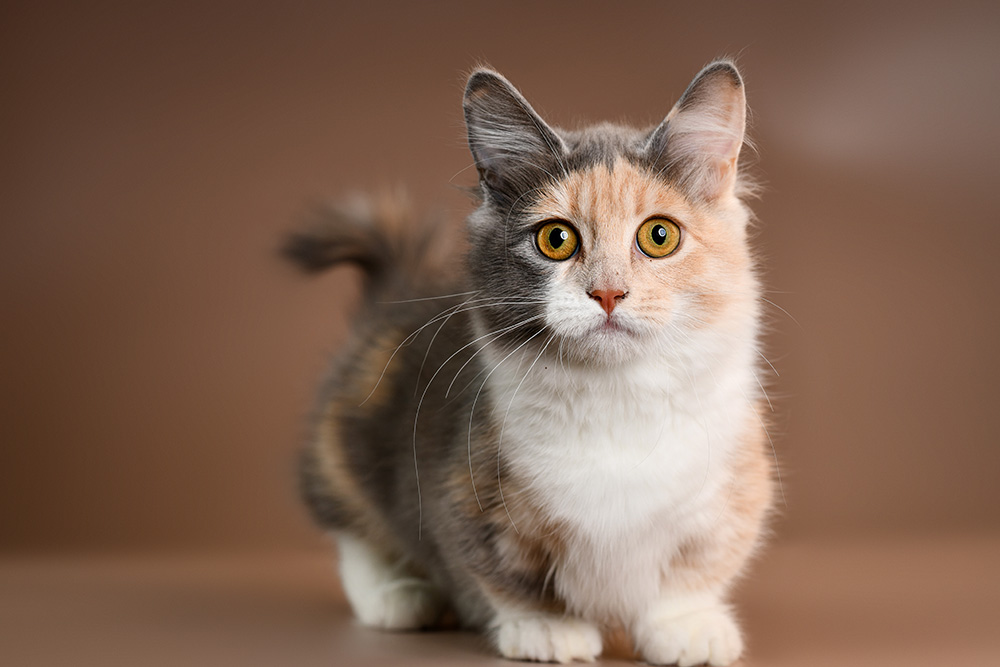
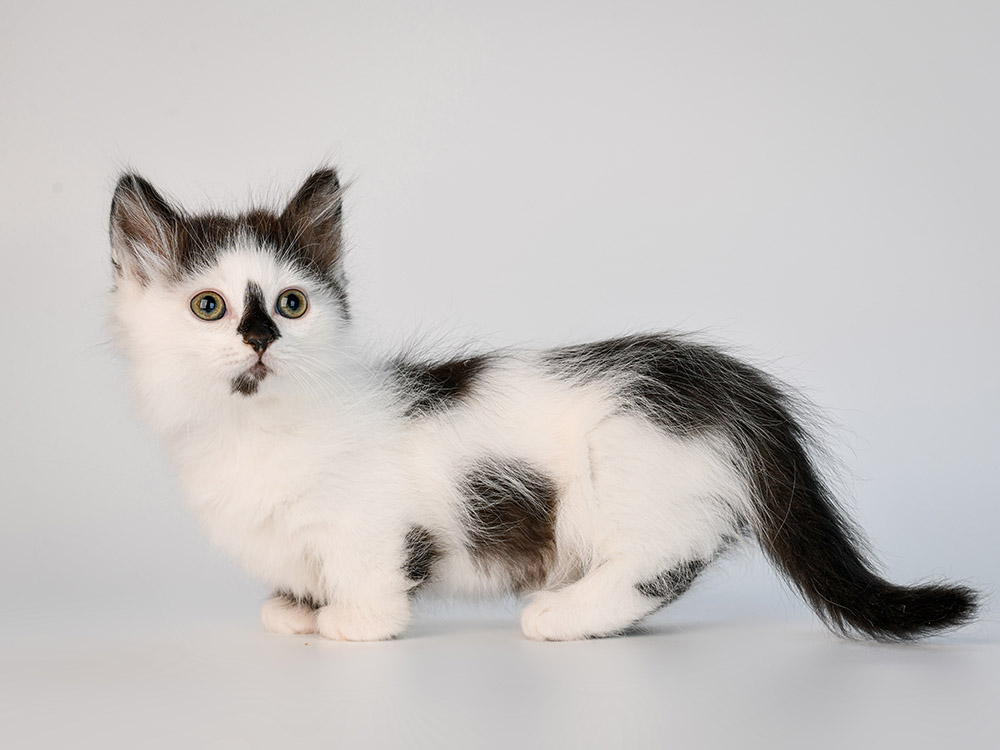
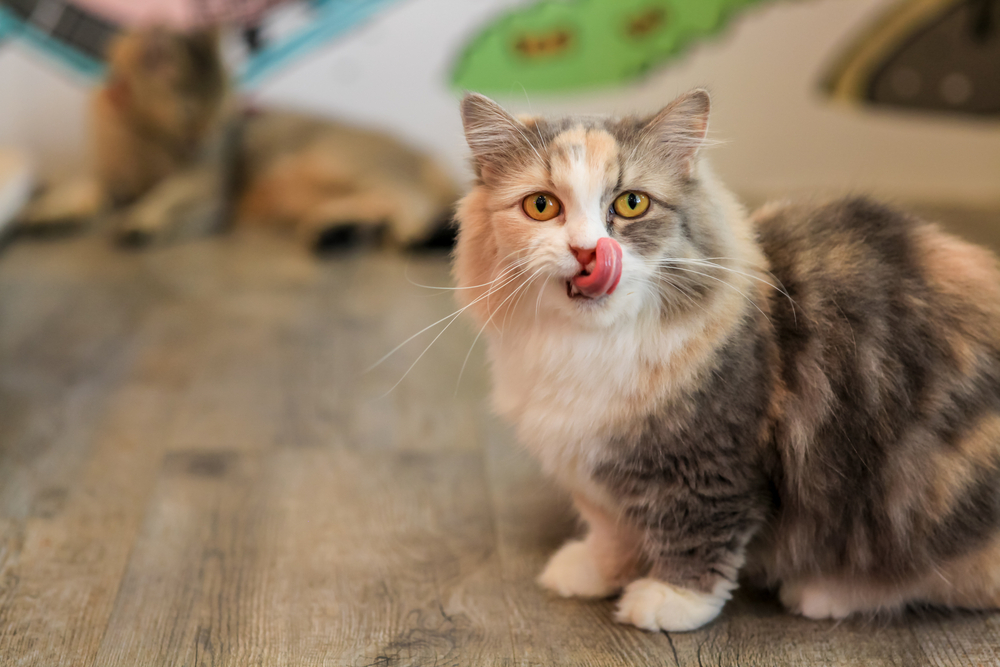
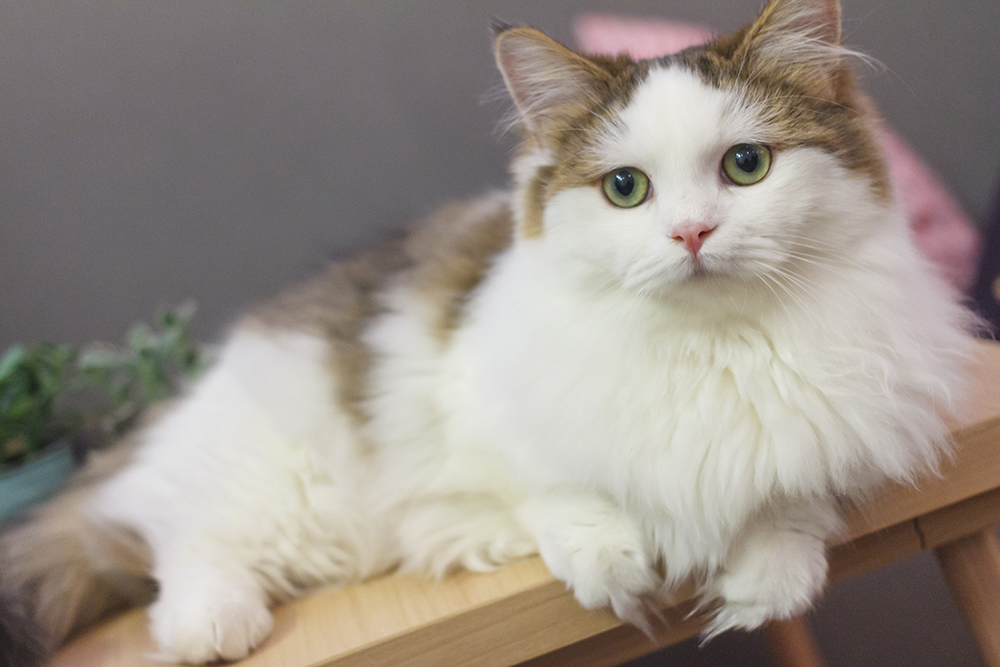
This breed comes in just about every color and pattern that you can imagine. There are white, lilac, black, tabby, tortoiseshell, and even calico Munchkins. There are also short- and longhaired variants. When adult Munchkin cats are fully grown, they usually weigh 6–9 pounds. Here, we delve into a few facts about this breed, including how large these kitties typically get.
Before proceeding, it’s important to note that at Catster, we do not support the intentional breeding of cats with unavoidable physical traits that may lead to compromised welfare, reduced quality of life, or suffering. Instead, we focus on education and raising awareness within the pet-loving community.

Facts About Munchkin Cats
Munchkin cats do not have officially recognized size categories, although some breeders may informally describe individuals using terms such as “standard” or “miniature.” There are even designer mixes like the Bambino—a hairless, short-legged Sphynx-Munchkin mix.
Munchkins were relatively common in England before WWII, and evidence suggests the existence of short-legged cats in Russia in the 1950s and New England during the 1970s. However, the modern recognition of the breed is linked to the chance discovery of a short-legged pregnant cat by a Louisiana teacher, Sandra Hochenedel. Hochenedel adopted the cat and approached The International Cat Association (TICA) to recognize the Munchkin breed, which was first granted in 1994.
The short legs that characterize this cat are related to a genetic mutation. Early concerns suggested this trait might lead to spinal problems, like it occurs in short-legged dog breeds, but available research and long-term observation indicate that
Munchkin cats do not appear to experience spinal issues at a higher rate than other cat breeds. However, they may suffer from other skeletal health issues such as lordosis, osteoarthritis and pectus excavatum. The shortened limbs may still affect mobility or limit certain natural behaviors, such as jumping or scratching, in some cases.

Munchkin Size and Growth Chart
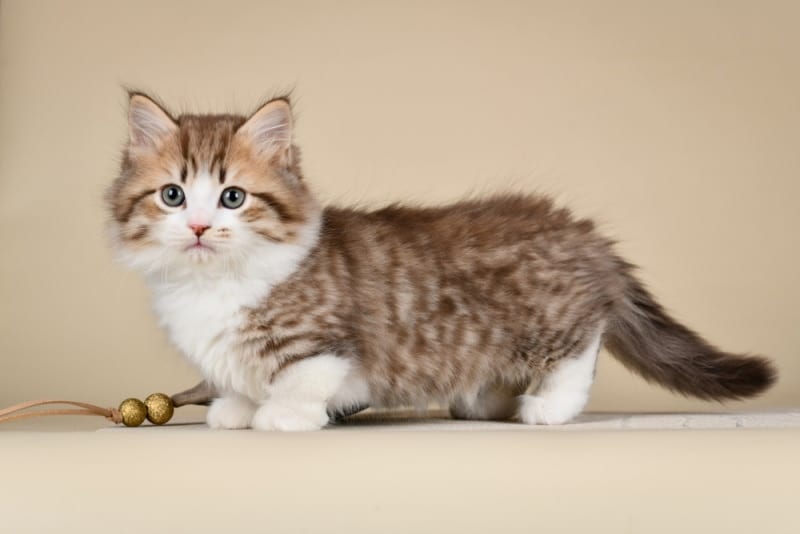
Munchkins are small to medium-sized cats with short legs. Crossing with other breeds can result in a wide range of appearances. As a result, some hybrids, such as Maine Coon–Munchkin or Sphynx–Munchkin mixes, may be much larger or smaller than typical Munchkins, though these crosses are not considered standard Munchkin cats.
Munchkins are often bred with cats of other breeds or with non–short-legged Munchkins to maintain genetic diversity and health. Breeding two short-legged Munchkins together is avoided due to concerns associated with inheriting two copies of the gene responsible for shortened limbs. As a result, the breed continues to be influenced by outside traits. Here is a chart with more information about the TICA-recognized breed.
| Age | Weight |
| 1 week: | 0.3–0.6 pounds |
| 1 month: | 0.75–1.3 pounds |
| 3 months: | 2.5–4 pounds |
| 6 months: | 4.5–7 pounds |
| 9 months: | 5–8 pounds |
| Adult: | 6–9 pounds |
When Does a Munchkin Cat Stop Growing?
If you're wondering when Munchkin cats are fully grown, it is usually by the time they’re 1 year old. Like other cats, they fill out a bit after reaching young adulthood. Most won't change that much physically after they are 2 years old.
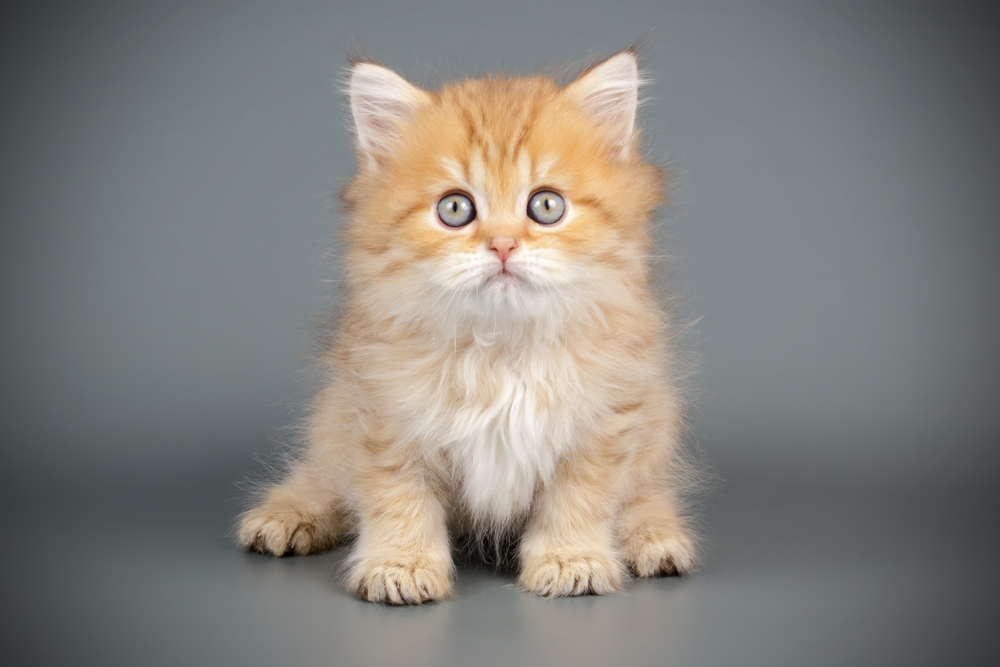
Kittens go through a developmental spurt in their first 9 months of life. Newly born kittens often weigh around 3-4 ounces or so. Cats are born blind and unable to walk without assistance. Within 8 weeks of birth, kittens develop into playful bundles of energy weighing from 1½ to 2½ pounds.
During these first months, kittens learn the skills they need to survive and become accustomed to human contact. Cats that don't have sufficient human contact and adequate socialisation during the first 3 to 9 weeks of their lives may remain permanently wary of people.

Factors Affecting the Size of a Munchkin Cat
Your cat’s non-Munchkin parentage can make a significant difference in their final size and overall build. The Munchkin trait is caused by an autosomal dominant genetic mutation affecting cartilage development. Embryos that inherit two copies of this gene are not viable, while cats that inherit no copies will have normal leg length. Cats with a single copy of the gene express the characteristic short legs.
As a result, most breeders only breed Munchkins with non-Munchkins. They commonly mix them with cats of all breeds, colors, patterns, and coat lengths, resulting in varying coat lengths, body shapes, and colors. Munchkins with large parents are likely to have similar builds. The size of your cat’s leg length depends on whether the kitten inherits the short-leg gene.
Kittens need more calories, protein, and fat than adult cats. But after your cat reaches full size, it's important to begin giving them adult food and watching their weight, as studies suggest that anywhere from 60% of pet cats are obese. Being overweight is a considerable risk factor for conditions such as diabetes and urinary issues.
Ideal Diet for Maintaining a Health Weight
Munchkin cats don’t have any special dietary requirements beyond those of other domestic cats. Kittens and pregnant or nursing queens need a nutrient-dense diet that is higher in calories and protein to support growth and reproduction. Adult cats typically require around 180–220 calories per day, depending on their size, activity level, and overall health.
There are many high-quality commercial products available that include all the nutrients cats need to stay happy and healthy. To find high-quality food for your cat, look for products with a whole protein—like duck, chicken, tuna, or beef—listed first on the ingredient list or consult with your vet.
Munchkin cats are generally active and energetic, but like most cats, they tend to slow down with age. Weight management and indoor cat formulations can help you keep your cat's weight under control as your pet starts to spend more time on the couch. Many senior and mobility support diets feature products such as omega-3 fatty acids, glucosamine, and chondroitin to support joint health and ease discomfort.

How to Measure Your Munchkin Cat
Your cat's veterinarian will monitor your kitten’s growth and weigh your new buddy during every visit. Kittens should ideally be seen by a veterinarian once per month for the first 4 months for checkups and vaccinations. If a kitten isn't gaining weight at the same rate as their littermates or is struggling to eat, have your kitten seen by a veterinarian as quickly as possible.
The easiest way to keep track of your adult cat's weight at home is with an old-fashioned bathroom scale. Step on the scale and record your weight. Grab your cat and jump on the scale again. Subtract the first number from the second to determine how much your cat weighs. Keep in mind the smaller your cat is, the less accurate this type of measurement may be. If you’re trying to help your cat drop a few pounds, consider writing your pet’s weight down to make it easier to track trends.
Conclusion
Although most adults only weigh 6 to 9 pounds, Munchkin cats make up for their miniature stature with oversized personalities. There are also Munchkin mixes, like the short-legged, hairless Bambino, which is a Sphynx–Munchkin cross.
Most love spending time with people and exploring their environment at full speed. Short-haired Munchkins don't have any significant grooming needs. Their longhaired breed mates, however, require brushing several times per week.
Sources
Featured Image Credit: MDavidova, Shutterstock

Expert cat care, straight to your inbox
Vet-reviewed advice, behavior tips, and the best of Catster. Free, and you can unsubscribe anytime.
By signing up, you agree to our Terms & Conditions and Privacy & Cookies Policy.
Lorre Luther is a writer who is firmly convinced that cats are smarter than humans. She left her law career in the United States and moved to the Netherlands to follow her dream of becoming a writer. Lorre currently lives in Rotterdam, she enjoys traveling and greatly appreciates the beauty of nature. Lorre has a spot for animals and admires the intelligence of cats.
Join the conversation
Ask a question, share your story, or send private feedback.