Is Nephthytis (Arrowhead Plant) Poisonous to Cats? Vet-Reviewed Houseplants Examined


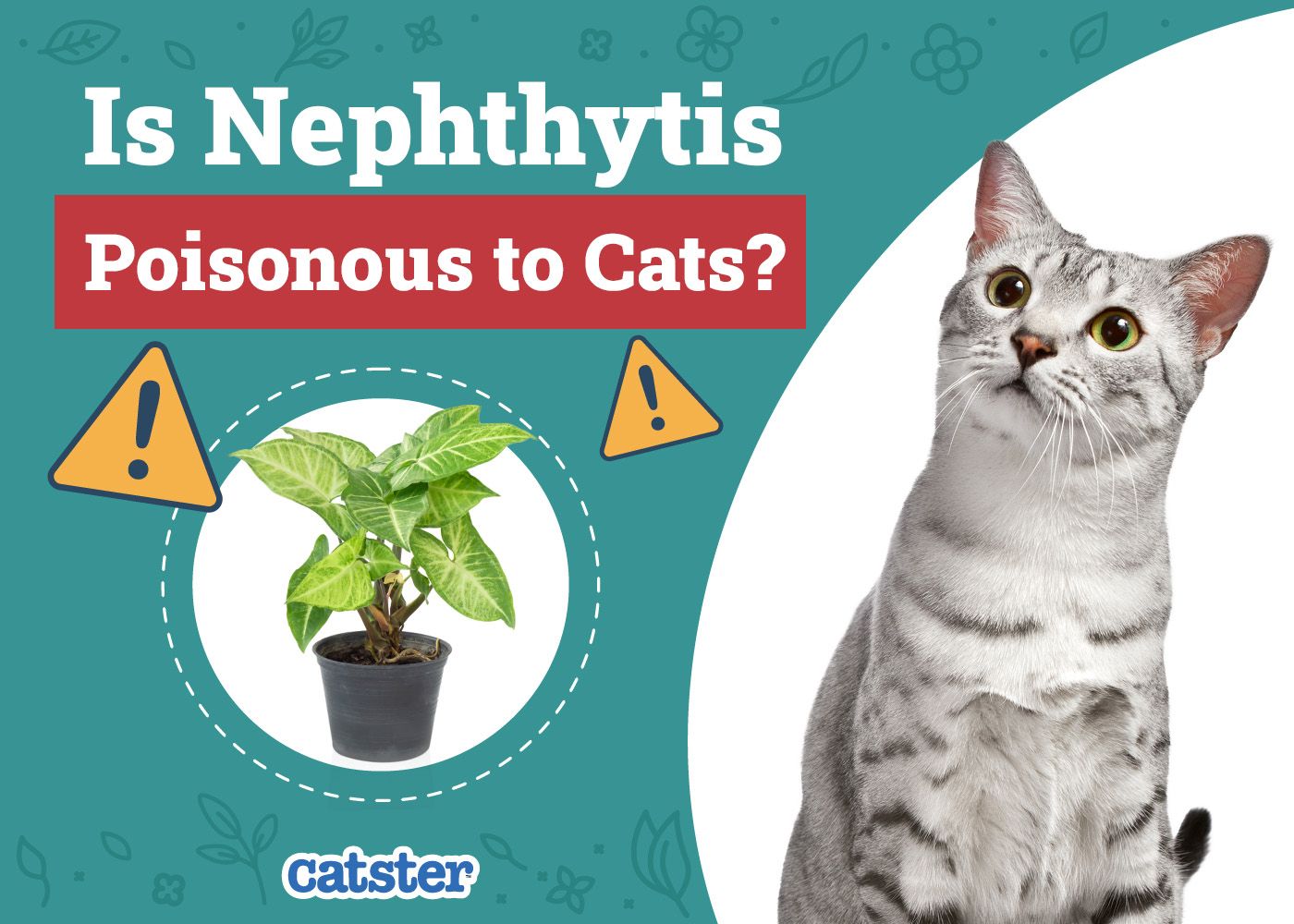
Nephthytis (arrowhead plant) is a common and popular houseplant due to its air-purifying properties. If you're a plant and a cat lover, you may be wondering if nephthytis is poisonous to cats. The short answer is yes, nephthytis can be poisonous to cats. In this blog post, we'll discuss the symptoms of nephthytis poisoning in cats, as well as how to treat it.

About Nephthytis
Nephthytis (Syngonium podophyllum) is a tropical plant that is native to South America. It is often grown as a houseplant in the United States. Nephthytis has dark green, glossy leaves that are shaped like arrows. The plant can grow to be up to three feet tall.
Poisonous Properties
Nephthytis contains insoluble calcium oxalates that are toxic to cats. They are sharp crystal raphides that are contained within all parts of the plant. They cause physical damage to the mouth and other body parts they come in contact with. They are released from idioblasts by chewing on the leaves.

Signs of Ingestion
If your cat ingests nephthytis, you may notice the following signs:
Treatment
If you suspect that your cat has ingested nephthytis, it is important to seek medical attention immediately. In severe cases, your cat may need to be hospitalized to treat pain, inflammation, and gastrointestinal symptoms. Rarely, intoxication can lead to death by causing swelling of the glottis, making it hard for cats to breathe.
When to See Your Vet
If you notice any of the above symptoms in your cat, it is important to contact your vet right away. Nephthytis poisoning can sometimes be fatal if not treated promptly but is usually considered a moderate toxin risk.
Should You Induce Vomiting?
If you know that your cat has ingested nephthytis within the past two hours, you may be tempted to induce vomiting. However, it is important to speak with your vet before doing so. Inducing vomiting can sometimes do more harm than good.
Is It Healthy for My Cat to Vomit Up Nephthytis?
No, it is not healthy for your cat to vomit up nephthytis. Vomiting can cause dehydration and other health problems in cats. If you think your cat has ingested nephthytis, it is important to seek medical attention immediately.

Should You Encourage Your Cat to Drink Fluids?
Yes, you should encourage your cat to drink fluids if it has ingested nephthytis. Other ways to get fluids into cats are by using a syringe or giving them ice cubes to lick. Offering a small amount of milk or yogurt can help to bind the calcium oxalate crystals.
Do All Cats Who Ingest Nephthytis Get Sick?
No, not all cats who ingest nephthytis will get sick. Some cats may have a sore mouth for a short while and then recover without any further treatment. However, it is always best to err on the side of caution and take your cat to the vet if you suspect it has ingested nephthytis.

How Much Do Cats Have to Eat to Get Sick?
No set amount of nephthytis will make a cat sick. Some cats may only need to ingest a small amount of the plant to experience symptoms, while other cats may need to eat a larger amount.
What if My Cat Just Licks the Plant?
If your cat only licks the nephthytis plant, it is less likely to experience symptoms. However, if you notice any oral irritation or drooling, it is still important to discuss it with your vet.

How Long Does It Take for Cats to Recover?
The time it takes for cats to recover from nephthytis poisoning depends on the severity of their symptoms. Some cats can be monitored at home, others need IV fluids for a day or two, while others may need to be hospitalized for longer and take up to 2 weeks to recover.
What Is the Total Cost of Treatment?
The total cost of treatment for nephthytis poisoning will depend on the severity of your cat's symptoms and how long it takes to recover.

Can Nephthytis Be Treated at Home?
If you think your cat has ingested nephthytis, it is important to seek medical attention. Nephthytis poisoning can be fatal if not treated promptly. Do not try to treat nephthytis at home. Your vet has access to specialized knowledge, equipment, and medications that you won't have at home.
Prevention Is the Best Medicine
As with any type of poison, the best way to prevent nephthytis poisoning in cats is to keep the plant out of reach. If you have nephthytis in your home, make sure it is not within your cat's reach. You should also avoid planting nephthytis in your garden if you have cats.

Plants That Look Similar to Nephthytis
There are a few other plants that look similar to nephthytis, including:
These plants are all toxic to cats as well.
Other Names for Nephthytis
Nephthytis is also known as arrowhead plant, African evergreen, and green nephthytis.
Is Nephthytis Fatal?
In severe but thankfully rare cases, nephthytis poisoning can be fatal. If you think your cat has ingested nephthytis, it is important to seek medical attention immediately.
Other Animals That Can't Eat Nephthytis
Nephthytis is also poisonous to dogs, rabbits, and humans. If you have any other pets in your home, make sure they cannot get to the plant.
It’s always best to contact your veterinarian or the ASPCA Animal Poison Control Center at (888) 426-4435 for guidance on what to do next.
Why Do Cats Eat & Chew on Plants?
There are a few reasons why cats may eat and chew on plants. Some cats do it for nutritional purposes, while others do it out of boredom or curiosity. If your cat is eating and chewing on plants, it is important to keep an eye on it and make sure it is not ingesting any poisonous plants.
Can I Move My Plant Outside?
If you have a nephthytis plant in your home, you may be tempted to move it outside. However, it is important to note that nephthytis is poisonous to humans as well as cats. If you have small children or pets that frequently go outside, it is best to remove the plant.

Final Thoughts
Nephthytis is a poisonous plant that can cause distress to cats. If you think your cat has ingested nephthytis, it is important to seek medical attention immediately. While nephthytis poisoning is serious, it is important to remember that it is treatable. With prompt medical treatment, most cats make a full recovery. If you have any questions about plants and their safety for your cat, be sure to speak with your vet. They can help you create a safe and toxin-free environment for your
Sources
Featured Image Credit: Surya Jony, Shutterstock
Expert cat care, straight to your inbox
News, insights, and useful advice, delivered to you.

No spam — unsubscribe anytime.
By signing up, you agree to our Terms & Conditions and Privacy & Cookies Policy.
How useful was this post?
Click a star to rate. You can leave written feedback afterwards. (We read all feedback.)
Christian started writing for a local newspaper as a teenager, and he's been involved in the publishing industry for most of his adult life. Combining his love of writing with a passion for animals, he is currently the Director of Editorial at Pangolia and the Editor-in-Chief at Catster.
Christian lives in the Philippines with his wife, son, and four rescue cats: Trixie, Chloe, Sparky, and Chopper.