How to Cat-Proof Plants: 15 Vet-Reviewed Tips


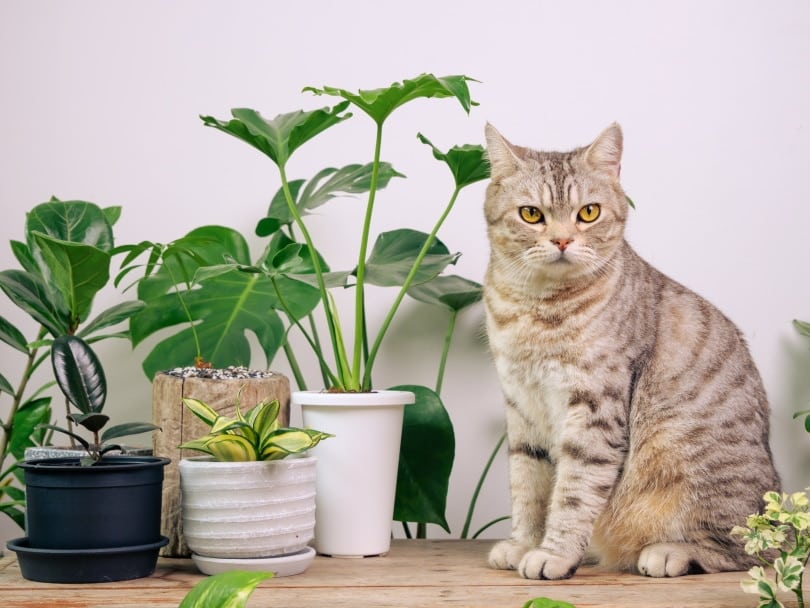
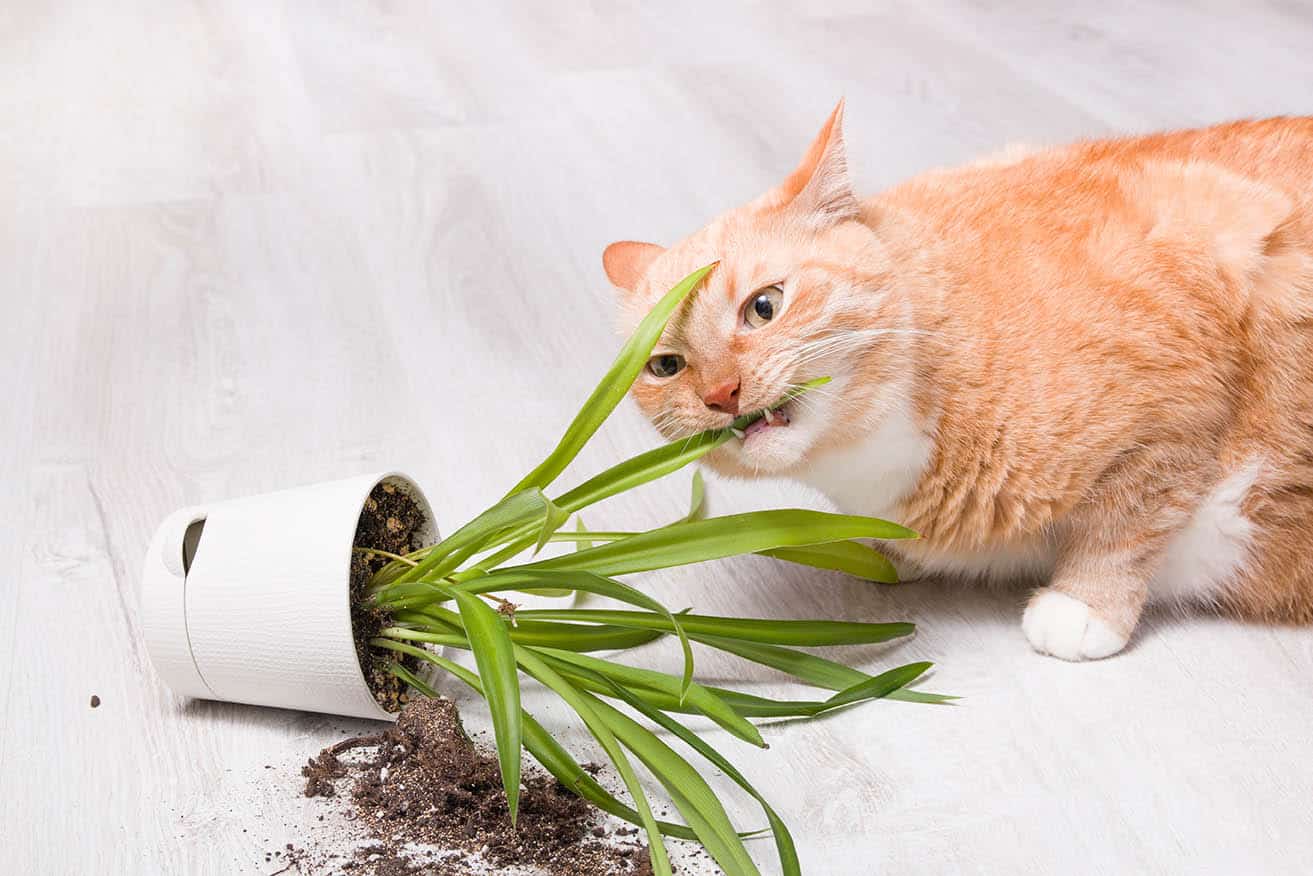
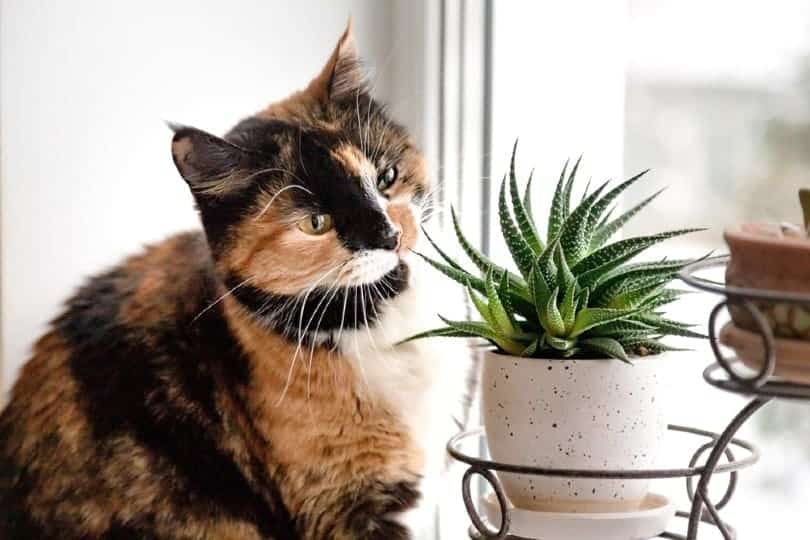
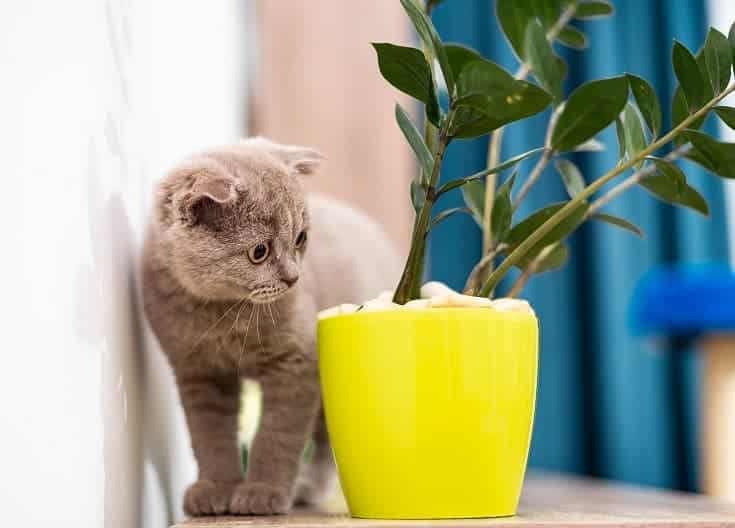
Managing the health of your plants when a pet cat is around can be challenging, to say the least. If your cat is like most, they occasionally enjoy nibbling on your plants. Friskier cats might bat at the plants or attack them to play. Some cats might even try to use a potted plant as their litter box. So, what is a person to do if they want to protect their plants from their cats? Luckily, there are plenty of options to consider. Here are our top 15 tips for cat-proofing your plants.

Top 15 Ways to Cat-Proof Plants
1. Create a Citrus Spray
Cats do not like the smell of citrus fruits, such as oranges and lemons, which are also toxic for them if ingested, depending on the amount. To keep your kitty from nibbling on your plants’ leaves, you can leave orange or lemon peels or pieces of the fruit around your plants, or make a lemon spray and spray the area where the plants are once or twice a day.
The smell of the sour lemon should keep most cats away. Just juice one lemon and put the juice in a reusable spray bottle. Then, fill the bottle with water and use the spray as needed. Never spray any on your cat, and never use citrus essential oil products that can be quite irritating and are toxic to cats.
Alternatively, consider a commercial repellent spray that is safe for cats.

Pros
- Keeps the house smelling nice
- The spray is easy to make and contains natural ingredients
- A bottle of spray can last weeks
Cons
- The spray should not come in contact or be applied on the cat, as it may be irritating
- Never use citrus essential oils as they are toxic to cats
2. Cover the Pots in Tinfoil
If you have a problem with your cat trying to use your plants’ pots as a restroom, the addition of tinfoil might help curb the behavior. Wrap each pot in foil, making sure to cover the edges. Crinkle the ends of the tin foil around the edges to create a rough surface. Most cats do not enjoy the look or feel of tinfoil and will use the litter box rather than deal with the foil. However, this may not work for all cats.
Pros
- A one-and-done project
- The foil can be decorated
- Hardy remedy that holds up well
Cons
- May make your pots look bulkier
- May not work for some cats
3. Provide Cover for the Soil
One way to keep your cat from using your plants as a litter box is to create a protective cover over the soil. You can use rocks, pinecones, twigs, or anything else that isn’t soft and sandy like litter is and arrange them over the soil to create a pleasing design. This should give you peace of mind in knowing that your cat will not want to urinate or poop on the coverage.
Pros
- Creates a beautiful potting design
- Can be customized to fit personal tastes
- Coverage can be mixed and matched
Cons
- Can be costly depending on the material used
- May not work for some cats

4. Aim High
You can hang your plants from the ceiling in the corners of your house’s rooms to keep your cat from getting anywhere near them. Just make sure that the plants are hung well away from any shelves that your cat can get on and that the plants are hung high enough that access cannot be had by jumping from the furniture.
Pros
- Can free up surface space
- Can be done in any room of the home
Cons
- Can make plant maintenance tougher
5. Make Use of Protective Netting
If aesthetics are not a big deal to you, protective netting can come in handy when it comes to keeping your feline family member from getting to your greenery. The netting is lightweight, like nylons, so it will not put much pressure on your plants when draped over their tops. Natural sunlight and water can transfer through the material, so you won't have to take it off when caring for your plants.
Pros
- Protects the entire plant and pot
- Does not hinder plant maintenance
Cons
- Can be costly depending on how many plants you want to protect
- Some cats may chew on the netting and play with it

6. Spray Vinegar Around
Cats do not like the smell of vinegar, neither white nor apple cider vinegar. The smell turns them off and makes them want to get away from the source of the smell. Therefore, you can pour vinegar into a spray bottle, after diluting it with three parts water, and spray the area where the plants are.
Depending on the concentration of vinegar, if sprayed directly on the plants, it may also cause leaf damage and discoloration, so be mindful of that. Again, never spray any on your cat’s fur or face, and always dilute it appropriately with water. Otherwise, it may cause respiratory or eye irritation, or they will lick it off while grooming. Luckily, however, vinegar is not toxic to cats.
Pros
- Easy to make
- Easy to store
Cons
- May irritate the cat’s eyes or airways if undiluted solution is used or accidentally sprayed on them
- May damage the plants if sprayed on them
7. Invest in Plants That Naturally Deter Cats
If you don't want to invest any regular effort in protecting your plants from your kitty, you can always invest in plants that may naturally deter your pet from them. For example, rosemary is extremely fragrant, and cats don’t like to get too close to the smell.
Other plants you may consider are the common rue, lavender, and oregano. Most of the repellent plants can be toxic to cats if they were to ingest them, depending on the amount, so be particularly mindful of this fact. Cacti may be considered as well, but cats may injure their paws or mouth if they attempt to chew or play with them, so they may not be a safe option.
Pros
- Adds beauty and fragrance to the home
- Requires no protection management
Cons
- Limited options
- Many are toxic to cats if ingested
- May not work for some cats
8. Introduce More Cat-Friendly Plant Options
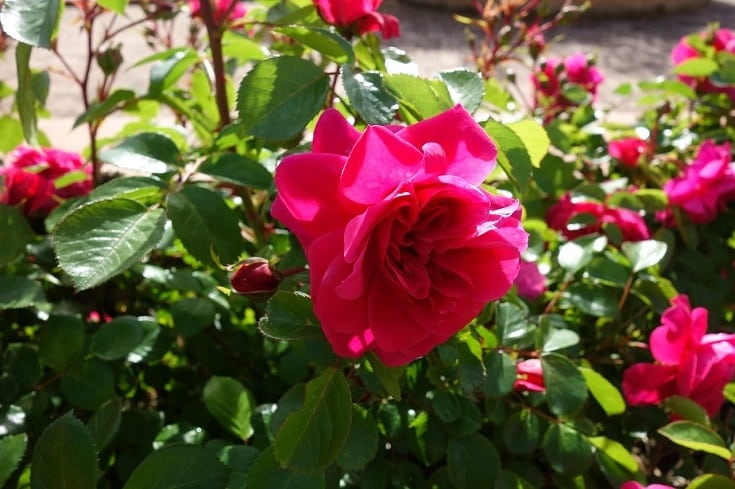
One easy way to protect your beloved plants from your cat's teeth and claws is to have cat-friendly plants. For every one or two plants that you don't want your cat messing with, incorporate one plant that is safe for cats. Use the pet-safe plants recommended by the ASPCA. You can praise and reward your cat when they mess with the cat-friendly plants and stop and redirect their behavior when they mess with the other plants. Sooner or later, your kitty may know exactly which plants they should and shouldn’t touch. However, even better is to reward the cat when they play with their toys instead of the plants.
Pros
- Increases the greenery in your home
- Can be done in combination with other protective measures
Cons
- Might not work for all cat personalities
9. Create a Dedicated Plant Room
One interesting option for keeping your cat away from your favorite plants is to create a dedicated plant room in your home. It should be a place where your cat is not allowed to spend time unsupervised. Instead of spreading the plants out around the house, choose one room in the home with excellent natural sunlight and turn it into a plant room. A home office, spare bedroom, family room, or even a bathroom are good choices to consider. Put the plants on shelves and hang them from the ceiling so the room remains functional.
Pros
- Costs nothing
- Can liven up a drab room
Cons
- Can make a room feel crowded
- Cats may still get in if door or window left open

10. Train Your Cat
You can practice training your cat to keep them from damaging your plants. You can start by calling your cat’s name and directing them away from a plant before they start playing with it. Doing this every time will redirect their attention to something else. Reward their behavior when they are around the plants without showing interest in them.
Do not encourage play, as they may decide to use the plants as toys, and praise and reward their calmness around the plants with attention or treats. Always focus on positive reinforcement whenever training your cat, and never use punishment or a raised voice. You can hire a cat trainer to work with at first if necessary.
Pros
- Can work for anything that you don’t want your cat playing with
Cons
- Takes a while to become effective
- Requires knowledge about cat behavior and training
11. Offer Extra Toys
If you can't keep your cat from playing with, chewing on, and damaging your plants, it might be because they are bored. Bored cats will do just about anything to create excitement, including attacking and chewing on plants. Provide your kitty with interactive toys, puzzles, and sufficient physical exercise, and see if a combination of this will redirect their attention from the plants.
Pros
- Offers extra exercise and stimulation to cats
- Reduces boredom and frustration
Cons
- Might not work for all cats

12. Contain Your Cat While You’re Away
Some cats only mess with plants when their human companions are not home to supervise them. If this is the case for your kitty cat, you can try containing the cat in the part of your home where no plants are growing. Make sure food, water, a litter box, bedding, and toys are available in these rooms so your cat will be comfortable until you return. Once you get home, your kitty can come out and interact with the household like usual. Also, make sure to exercise your cat and play with them sufficiently before you leave the house.
Pros
- Can keep your cat out of all kinds of trouble
- Provides extra safety for cats
Cons
- May not be possible in small households
13. Use Sounds to Surprise
Surprising your cat with a distinct noise whenever they get near your plants should help to distract them. You can gently clap your hands, whistle, use a clicker, or snap your fingers to surprise your cat and get their attention just before they start nibbling, scratching at, or otherwise damaging one of your plants. Whatever noise you use should be one that your cat is not already used to, or that is otherwise surprising. Again, use positive reinforcement to reward their calm behavior around the plants when they show no interest in them.
Pros
- Costs nothing
- Can work for objects other than plants
Cons
- Could stop working once your cat gets used to the noise

14. Buy a Commercial Deterrent
If you are not interested in utilizing any DIY plant protection tactics, you can always opt to purchase a commercial deterrent from a local pet store or on the internet. Available deterrent sprays on the market can be used on furniture, carpeting, bedding, and plants to keep your cat from getting near such places and things. Most are easy to use, but they do require a heftier investment than some other options. Make sure you use a spray appropriate and safe for cats, and never apply it on your cat.
Pros
- No special preparations, skills, or tools required
- Works on many kinds of items and surfaces
Cons
- Costs add up
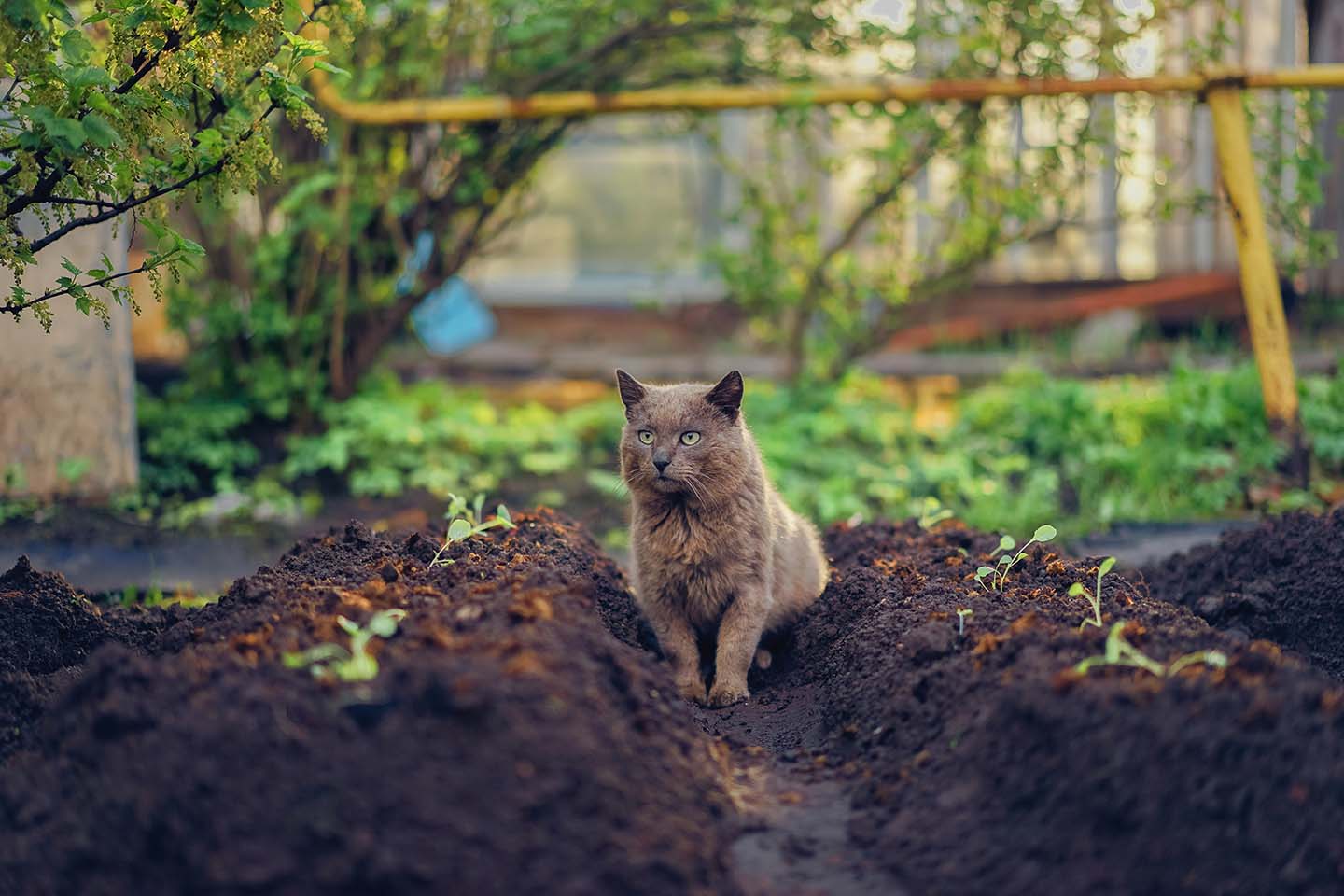
15. Relocate Your Plants to the Outdoors
If you are not interested in utilizing any DIY plant protection tactics, you can always opt to purchase a commercial deterrent from a local pet store or on the internet. Available deterrent sprays on the market can be used on furniture, carpeting, bedding, and plants to keep your cat from getting near such places and things. Most are easy to use, but they do require a heftier investment than some other options.
Pros
- No special preparations, skills, or tools required
- Works on many kinds of items and surfaces
Cons
- Costs add up
Conclusion
When it comes to protecting your plants from your cats, there are plenty of techniques and tactics that can be used. The trick is to find one or two options that work best for your cat and your situation. Some of these options may not work for you, but many are sure to do the trick and will help you keep your plants healthy and happy throughout the year.
Related Read:
Featured Image Credit: Foto2rich, Shutterstock

Expert cat care, straight to your inbox
Vet-reviewed advice, behavior tips, and the best of Catster. Free, and you can unsubscribe anytime.
By signing up, you agree to our Terms & Conditions and Privacy & Cookies Policy.
Rachael has been a freelance writer since 2000, in which time she has had an opportunity to research and write about many different topics while working to master the art of fusing high-quality content with effective content marketing strategies. She is an artist at heart and loves to read, paint, and make jewelry in her spare time. As a vegan, Rachael is obsessed with helping animals in need both in her community and anywhere in the world where she feels she can make a difference. Animals also happen to be her favorite topic to write about! She lives off the grid in Hawaii with her husband, her garden, and her rescue animals including 5 dogs, a cat, a goat, and dozens of chickens.
Join the conversation
Ask a question, share your story, or send private feedback.