Is Dieffenbachia Toxic to Cats? Vet-Reviewed Houseplants Examined


In this article
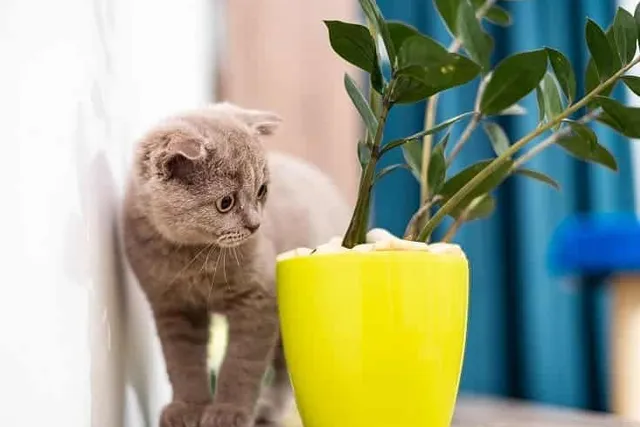
Dieffenbachia is a common house plant favored by many because it is tolerant of shade, so it can grow well in a houseplant collection. Plus, it comes in a good variety of appearances. While it is a popular houseplant, it is toxic to cats and can cause discomfort and pain if chewed. Symptoms include excessive salivation, and if your cat has chewed on the plant and shows symptoms, you should consult a vet who will typically administer pain medication to reduce discomfort until the toxicity passes.
Read on for more information on Dieffenbachia toxicity in cats, as well as a list of some other common houseplants that can be toxic to your pets.

About Dieffenbachia
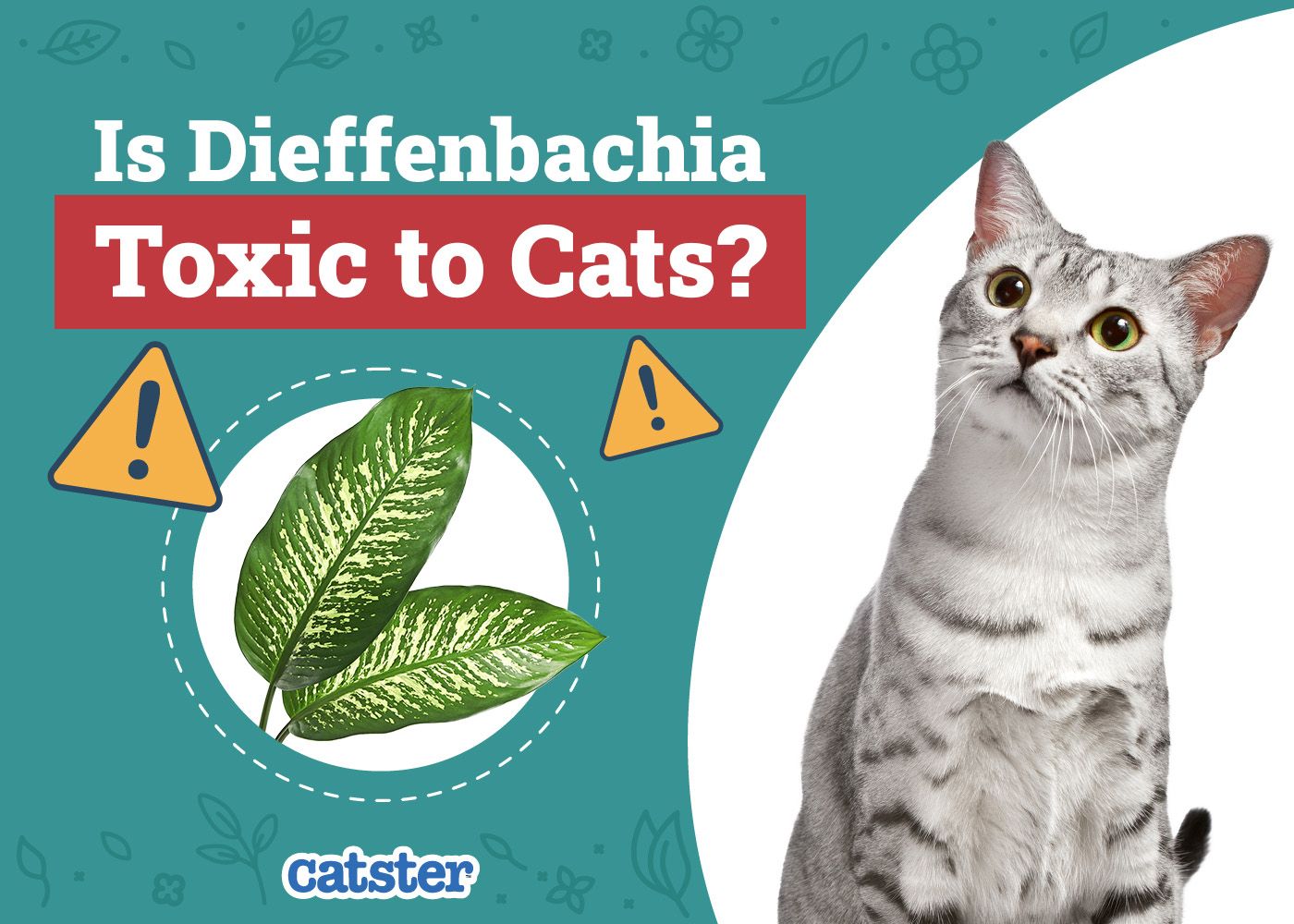
Commonly referred to as dumb cane or leopard lily, Dieffenbachia is a perennial, tropical plant. Its large leaves have white speckles and flecks, which give it an attractive appearance that makes it popular as indoor foliage. The plant is tolerant of shade, which means that it grows well indoors. It can grow up to 6 feet tall, so it can be a good plant for filling indoor spaces.

Is It Toxic to Cats?
While dumb cane is popular for its forgiving nature, its tolerance of shade, and its attractive foliage, it is considered toxic to cats, although it is classified as mildly toxic. This means that even if your cat does chew on the leaves, they may not show symptoms or suffer any negative effects. However, the plant gets its nickname “dumb cane” from the fact that its leaves contain calcium oxalate crystals. These crystals cause pain in the mouth and can prevent people or animals from being able to “speak” properly after consumption.
Symptoms of Dieffenbachia Toxicity
Because Dieffenbachia is not severely toxic, it is possible for a cat to chew on the leaves and show no symptoms. However, you should monitor your cat if you believe that they have eaten the leaves. In particular, look for the following symptoms:
You might not always notice right away if your cat has consumed something they shouldn't have. It is important to watch your cat’s behavior afterward to see if they are showing any symptoms of irritability or poisoning.
What to Do
If your cat does show any of these symptoms, you should take them to a vet. Your cat will usually get better in time and without any severe consequences or major side effects. However, your vet may prescribe pain medication to ease the pain until the oral ulcers have healed. They may also administer medication to protect the throat and stomach from damage.
Other House Plants Toxic to Cats
House plants have many benefits to humans. They can effectively clean the air around us, have been shown to improve our mental state, and they can brighten up a room and look pretty. However, some houseplants are toxic to our cats. Below are five common plants that cat owners should avoid, especially if the cats are prone to chewing on and eating plants.
1. Peace Lilies

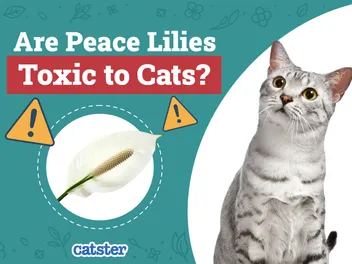
Peace lilies, with their stunning white flowers and low-maintenance requirements, are a popular houseplant. But, like the Dieffenbachia, they contain calcium oxalate crystals. The plants are safe to touch but can be toxic if ingested.
2. Aloe Vera

Aloe vera plants are popular for their spiny looks and because they are really easy to care for. They are also routinely used in holistic remedies with the gel of the plant being useful for burns and sunburn. However, parts of the plant contain saponins that are dangerous to cats if eaten.
3. Jade Plants

Jade plants, or money plants, are a type of succulent, which means that they do not require as regular watering as other houseplants. They have a dark, deep green leaf and are said to bring prosperity to their owners. They aren’t good for cats, however. Although it is unclear exactly why, these plants can cause reactions when ingested by cats.
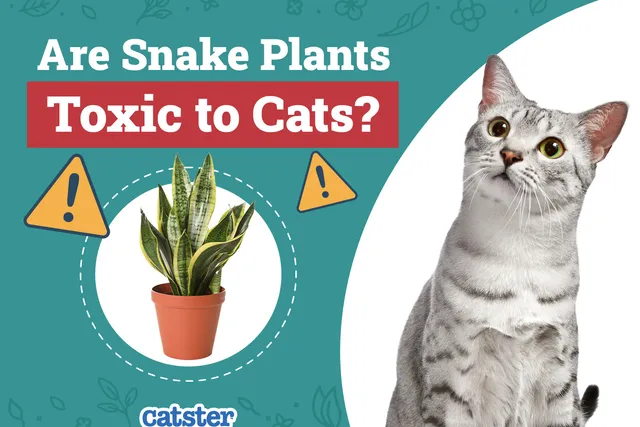
4. Snake Plants

Snake plants are named for the shape of their leaves. They also thrive in low light conditions, making them a good choice as an indoor plant. Because they contain saponins, they are not considered a good choice for cat owners.
5. English Ivy

English ivy is a trailing plant with leaves that are dark green in the middle with a light green border. It is attractive and can grow quickly. However, as well as containing saponins that are toxic to cats when ingested, its trailing nature means that it tends to hold a lot of appeal for inquisitive cats that will enjoy batting, chasing, and subsequently chewing on the leaves.
Conclusion
Houseplants can brighten up a room and bring a touch of life to our indoor environment. They can even help clean the air and improve living conditions while enhancing our mood. Unfortunately, while plants are good for people, not all are considered good for cats, and several popular houseplants are toxic to our feline friends.
As well as popular plants like aloe vera and snake plants, the Dieffenbachia is considered toxic to cats. It can cause discomfort and pain in the mouth, hence its nickname “dumb cane” and, while some instances of ingestion will pass without incident, you should monitor your cat and seek veterinary assistance if they show any symptoms after chewing the plant leaves.
See also:
Sources
Featured Image Credit: dference, Pixabay
Expert cat care, straight to your inbox
News, insights, and useful advice, delivered to you.

No spam — unsubscribe anytime.
By signing up, you agree to our Terms & Conditions and Privacy & Cookies Policy.
How useful was this post?
Click a star to rate. You can leave written feedback afterwards. (We read all feedback.)
Christian started writing for a local newspaper as a teenager, and he's been involved in the publishing industry for most of his adult life. Combining his love of writing with a passion for animals, he is currently the Director of Editorial at Pangolia and the Editor-in-Chief at Catster.
Christian lives in the Philippines with his wife, son, and four rescue cats: Trixie, Chloe, Sparky, and Chopper.