Get

In Your Inbox

Catster is reader-supported. When you buy via links on our site, we may earn an affiliate commission at no cost to you. Learn more.

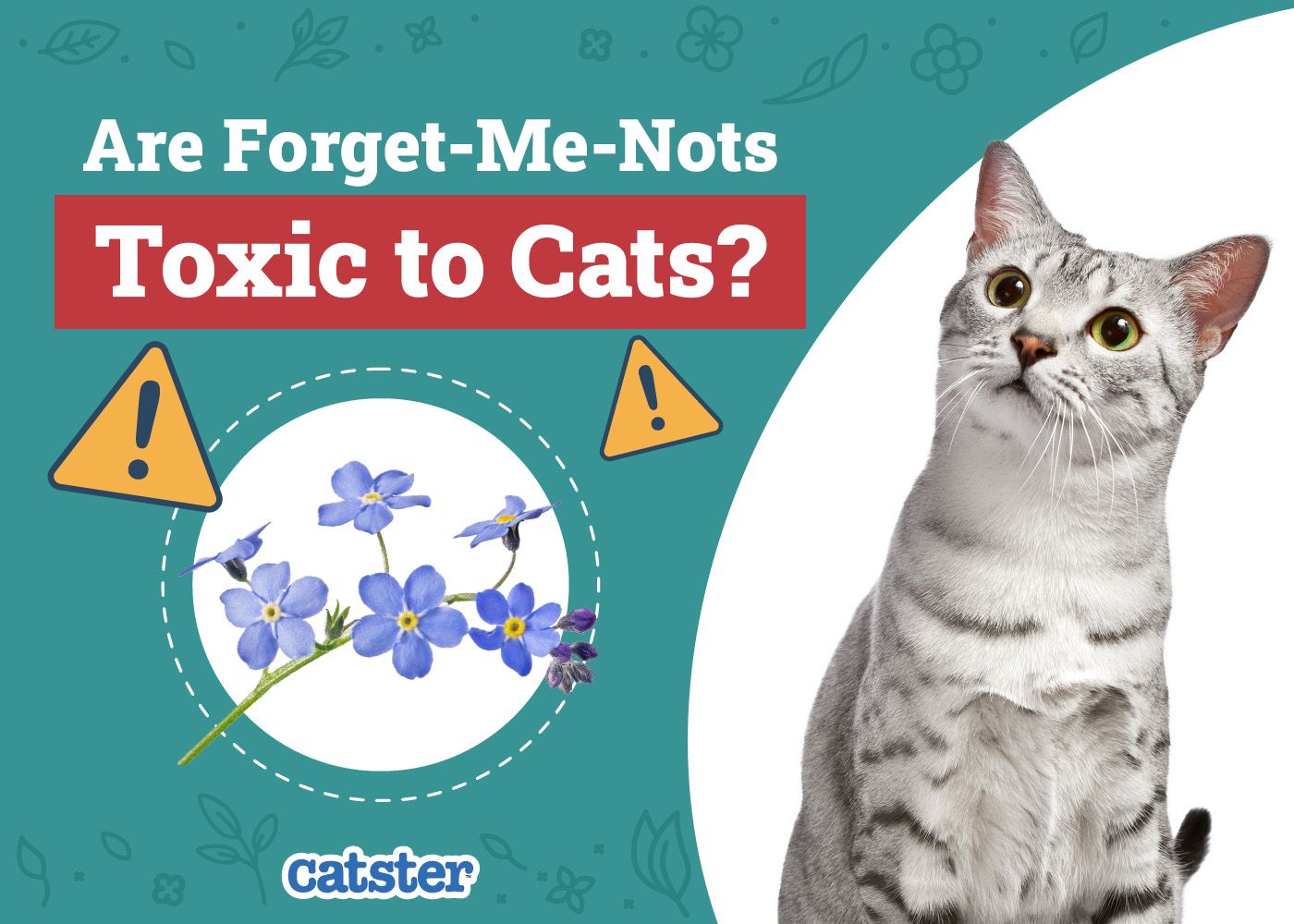
Are Forget-Me-Nots Toxic to Cats? Vet-Reviewed Houseplants Examined

Share

Catster_Are Forget-Me-Nots Toxic to Cats

If you’re a flower fanatic, you have undoubtedly seen and adored the lovely forget-me-not. Woodland forget-me-nots (Myosotis sylvatica) are a species of perennial plants with stunning blue flowers. Fans of forget-me-nots prize the delicate flowers with white or yellow eyes. If you’re a cat lover also and have cats at home, you’ll be glad to know that forget-me-nots are not poisonous to cats in any way, shape, or form. In fact, forget-me-nots are one of the safest plants you can own if you have cats.

divider cat paws oct 2024

Are There Species of Forget-Me-Nots That Are Toxic?

One species of forget-me-nots is toxic, although thankfully the toxicity requires chronic ingestion of larger quantities of flowers. That species is Cynoglossum amabile, the Chinese forget-me-not. This species, also called Hound’s Tongue, is less popular than Myosotis sylvatica. While it has very low toxicity, the Chinese forget-me-not can be dangerous for horses and other livestock if eaten in large amounts.

Which Plants Are Most Toxic to Cats?

Many plants and flowers are toxic to cats, but the toxicity level changes from one to the next. Some will cause a rash or diarrhea, while others can cause severe organ damage and kidney failure. Knowing the difference and keeping the most toxic plants far away from your cats is essential. Some of the worst plants for cat toxicity include:

1. Lilies

calla lily
Image Credit: Sanam Maharjan, Pixabay

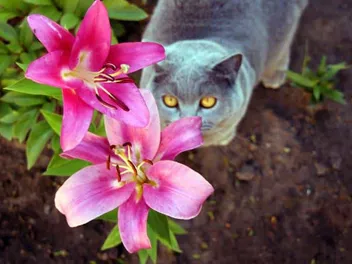
Lilies have one of the worst reputations for poisoning cats, so keep them far away. If you believe your cat ate lilies, get them medical attention immediately.


2. Cannabis

Cannabis
Image Credit: 7raysmarketing, Pixabay

As cannabis becomes legal in more states, cannabis poisoning in cats will continue to rise. If you’re 4/20-friendly, keep your cats away from your cannabis plants. They can cause several symptoms, including disorientation, hyperactivity, and cardiac arrhythmia.


3. Dieffenbachia (Dumb Cane)

Dieffenbachia (Dumb Cane)
Image Credit: t.sableaux, Shutterstock

This well-liked and common house plant contains calcium oxalate crystals that can irritate a cat’s mouth and GI tract. In severe (and rare) cases, Dumb Cane can cause swelling of the cat’s airway, making breathing difficult.


4. Sago Palms

sago palm plant
Image Credit: Olena758, Pixabay

You’ll find attractive Sago Palms all over the world where the climate is gorgeous. If you fear your cat ate part of a Sago Palm, immediate veterinary attention is recommended to prevent severe liver damage from a toxic agent called cycasin.


5. Azaleas & Rhododendrons

Azalea
Image Credit: IlonaBurschl, Pixabay

All parts of both plants are toxic to cats and can cause severe reactions, including tremors and seizures. Thankfully, treatment is usually successful if your cat gets prompt medical attention.


6. Daffodil

Daffodils
Image Credit: akirEVarga, Pixabay

Ingesting a Daffodil bulb or flower can cause a severe reaction, including vomiting, abdominal distress, and even cardiac arrhythmia. The problem is lycorine, an alkaloid that’s also a potent trigger for vomiting. The crystals in the bulbs of daffodils can also cause extreme drooling.


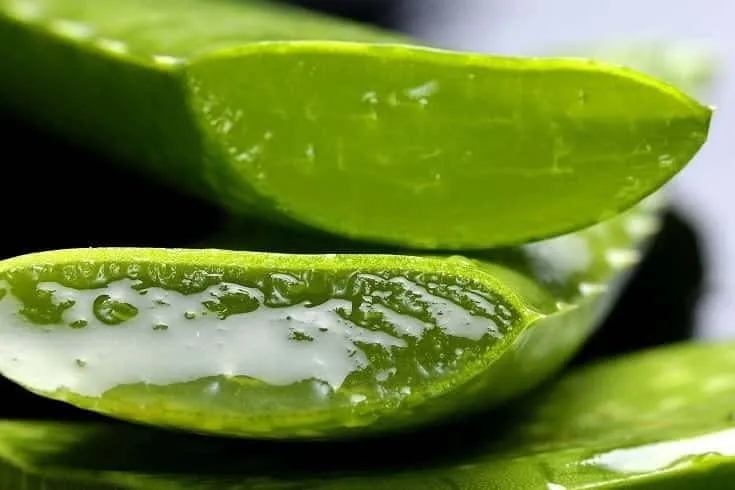
7. Aloe Vera

Aloe Vera
Image Credit By: casellesingold, pixabay

You would think a plant prized for its healing properties would also be suitable for cats, but aloe vera is not. Luckily, with thick spines on its even thicker leaves, cats don’t mess with aloe vera very often.


8. Tulips & Hyacinths

potted Blooming hyacinths
Image Credit: Sabine Schoenfeld, Shutterstock

Both tulips and hyacinths contain allergenic lactones that can cause severe irritation in a cat’s mouth and throat. They will drool profusely, vomit, and may have diarrhea.

If your cat has been around or ingested any of this plants, we recommend you to speak to a vet.

divider cat faces oct 2024

Which Plants & Flowers Are OK for Cats?

While several plants can harm cats and kittens, there are even more that won’t harm them in any way. If you strive to provide a safe environment for your cat, the plants on the list below will all allow you to do that and look beautiful at the same time.

They include:
  • Air Plants
  • Alstroemeria
  • American Rubber Plant
  • Aster
  • Bird’s Nest Fern
  • Boston Fern
  • Freesia
  • Gerber Daisies
  • Impatiens
  • Liatris
  • Money Tree
  • Orchid
  • Parlor Palm
  • Ponytail Palm
  • Rhapis Palm
  • Roses
  • Snapdragon
  • Spider Plant
  • Statice
  • Sunflowers
  • Wax Flower

What Plants Clean the Air & Are Also Safe for Cats?

Depending on where you live, your cat might be exposed to a high level of carbon monoxide and other toxins in the air. Most larger cities have air-quality problems that can adversely affect a cat’s health. The following plants are both cat-friendly and excellent air purifiers.

  • Bamboo
  • Boston Fern
  • Dwarf Date Palm
  • Friendship Plant
  • Shrimp Cactus
  • Spider Plant (aka Spider Ivy)
  • Venus Flytrap
beautiful forget me not flowers
Image Credit: JensG, Pixabay

What Herbs Are Safe (& Unsafe) for Cats?

Many people love to grow their herbs to use for cooking. Home-grown herbs can make a huge difference in the flavor of many dishes. The good news is that many herbs are fine and won’t harm your cat. The bad news is that even more herbs can hurt your kitty and should be kept far away.

Herbs That Are Safe for Cats
  • Basil
  • Catnip (in moderation)
  • Cilantro
  • Dandelion
  • Dill (in moderation)
  • Parsley (in moderation)
  • Rosemary
  • Sage
  • Thyme
  • Valerian Root
Herbs That Are Toxic for Cats
  • Bay Leaf
  • Borage
  • Cannabis
  • Chamomile
  • Chives and Scallions
  • Cocoa
  • Epazote
  • Lavender (in extreme quantities)
  • Lemon Verbena and Lemongrass
  • Marjoram
  • Mint (in extreme quantities)
  • Oregano
  • Sorrel
  • Tarragon

Can Vase Water Hurt Your Cat?

Some people have heard stories about cats drinking water from a vase and becoming sick afterward. Flower stores usually include powdered flower fertilizer in the water, which helps the flowers in the vase stay fresh longer. Unfortunately, plant fertilizer is toxic for cats. The problem is twofold since cats love drinking out of vases and, in some cases, will push them over to get a cool drink. For that reason, keeping cut flowers in a vase far away from your kitty is a must. Also, dumping out vase water immediately after you remove the flowers is highly recommended.

divider cat faces 2 oct 2024

Final Thoughts

Are forget-me-nots toxic to cats? We’re glad to say that they are not, and having these lovely plants with their blue flowers is 100% safe for your cat or cats. As we’ve seen, there are several plants that you should avoid and many others that you can safely keep around your kitty. We hope our post has been useful and helps you keep your home safe for all your pets.


Featured Image Credit by: Oldiefan, Pixabay

Want content like this delivered to you?

Sign Up For Our Newsletter

News, insights, expert advice, and everything cat

* By submitting, you agree to our Terms & Conditions and Privacy & Cookies Policy.


How useful was this post?

Click on a star to rate (you can leave written feedback after clicking submit)

Help us improve Catster for pet parents!

Your feedback really matters.

What did you like about this post? Also how can we improve it?

Join the conversation

4 Responses

  1. Kalanchoe plants, those cute tiny flowers the stores put in to cute, tiny planters, are deadly for cats too. Vets are now posting toxic materials in their offices, I'm happy to see. Think before gifting a pet person with a cute plant!
    Research the ones in your home too. Important article here. Keep your furbabies safe.

    1. Thanks for your comment Di&David. We do have a post about those: https://www.catster.com/cat-health-care/is-kalanchoe-poisonous-to-cats/

      1. Thanks for that! We need to spread the good word about these plants. Wish they came with warning tags!

        1. Hi Di&David, yes, this is why we have a collection of plant-related posts to help spread awareness and prevent accidents. We invite you to explore and share:
          https://www.catster.com/cat-health-care/outdoor-plants-poisonous-to-cats/
          https://www.catster.com/cat-health-care/what-flowers-are-dangerous-to-cats/
          https://www.catster.com/cat-health-care/holiday-plants-toxic-to-cats/
          As well as our lists of safe ones:
          https://www.catster.com/cat-health-care/plants-safe-for-cats/
          https://www.catster.com/lifestyle/houseplants-could-harm-your-cat-but-these-vet-approved-ones-wont/
          We do have many more posts like this on our site!

Leave a Reply

You’re very welcome to leave a comment or question. Please know that all comments must meet our community guidelines, and your email address will NOT be published. Let’s have a positive and constructive conversation.


Catster's Digital Magazine is Back!

Vet-approved health & behavior advice

Real cat stories & community features

Weird Cat Behaviors That Actually Make Perfect Sense

We have been sharing our lives with cats for thousands of years, yet we still find ourselves genuinely stumped by what they get...

The Dream of Talking to Cats Just Got Closer to Becoming a Reality

If you’ve ever wished your cat could simply tell you what they wanted, you’re not alone. From the meow that wakes you before...

Kizzy: The Feline Princess With a Purpose

We were first introduced to Miss Kizzy after she won a licky-treat challenge hosted by Professor Fluffovich, our resident feline research specialist. While...

Chatting With Sally About Mission Meow & Helping Cat Rescue Organizations Collaborate | Chatty Cattys, Episode 24

In this episode of Catster’s podcast, Chatty Cattys, Nicole and Dr. Karyn sit down with Sally Williams, the founder of Mission Meow, for...

More related

Cat FIP Signs & Treatment: Vet-Reviewed Facts & FAQ

Feline infectious peritonitis (FIP) is a disease caused by a mutation of the FeCv virus. Known as the feline coronavirus, FeCv isn’t the...

Why Is My Cat Peeing on My Bed All of a Sudden? 5 Vet-Reviewed Reasons

Have you ever had to ask yourself “why did my cat pee on my bed”? Us too. As cat owners, we love our...

Why Is My Cat Attacking The Mailman? Possible Reasons & Prevention Tips

There are several reasons that your cat may decide to attack the mailman. In many cases, cats attack them for the same reasons...

Guar Gum in Cat Food: Our Vet Explains the Uses, Safety & Verdict

If you’ve ever stopped to read the ingredients list on your cat’s food – which you absolutely should – you may have spotted...

Keep reading

Wellness vs Blue Buffalo Cat Food: Our 2026 In-Depth Comparison

If you’ve spent time wandering around your pet food store, you might’ve noticed two brands that are a bit higher-end than normal: Wellness and Blue Buffalo. Each of these brands was started fairly recently, and both have cashed in on...

Wellness VS Blue Buffalo

Why Does My Cat Like Water & Swimming? Vet-Reviewed Feline Behavior Explanation

Cats have a reputation for disliking water. But, while it is true that some of our feline friends detest getting in baths and would never dream of taking a dip in the river or ocean, some breeds love nothing more...

Scottish straight-eared long-haired cat swimming

Cat Pregnancy Timeline & Stages: Vet-Verified Week-by-Week Facts

Cats evolved to get pregnant very quickly, and the act of mating stimulates the release of eggs from the ovaries. So the odds of them getting pregnant are very high. Usually, the average feline pregnancy takes about 60 to 65...

Pregnant cat laying on a staircase

Why Does My Cat Meow When I Sneeze? 4 Vet-Approved Reasons

If you’ve ever sneezed around a cat, you probably noticed their strange response. Some hiss, while others run away whenever they hear their owner sneeze. More commonly, cats meow whenever their owners sneeze, especially if the cat is comfortable around...

agressive cat meowing

Kitten Suckling: Vet-Reviewed Behavior Facts & FAQ

If you’ve brought a new kitten into your home, you might have noticed your kitty sometimes engages in what can seem like odd behavior. Whether it’s crazy cat time or a penchant for trying to eat their tail, kittens (and...

A cat sucking on a blanket.

Why Does My Cat Groom Me? 9 Vet Reviewed Reasons

Felines spend a big part of each day grooming themselves—about 30–50%, in fact. So, it shouldn’t be surprising that our pets sometimes decide to groom us if we’re nearby. But why exactly do cats groom us? Is it simply because...

cat licking the nose of the woman

Is Calathea Toxic to Cats? Vet-Reviewed Houseplants Examined 
Animal lovers looking to feather their nests with some greenery should be cautious about which plants they bring into their homes. Our furry friends, especially our cats, love to chew on plant leaves, and they can easily become sick if...

Catster_Is Calathea Toxic to Cats

Can Cats Eat Cranberries? Vet-Reviewed Facts & FAQ

Cats are known for loving their meat. But did you know that your feline companion may benefit from consuming some fruits and veggies like cranberries, too? Are cranberries safe for cats? The good news is cranberries can make a great...

Can Cats Eat Cranberries

Love Cats? So Do We! Join the Catster Community

Stay informed with expert pet care insights delivered straight to your inbox! Discover professional guidance on animal behavior, feeding tips, trusted product picks, and much more.


Sign up for the Catster Email Newsletter

Stay informed with expert pet care insights delivered straight to your inbox! Discover professional guidance on animal behavior, feeding tips, trusted product picks, and much more.