Get

In Your Inbox

Catster is reader-supported. When you buy via links on our site, we may earn an affiliate commission at no cost to you. Learn more.

Why Do Cats Like Sitting on Laps? 5 Vet-Verified Reasons

Share

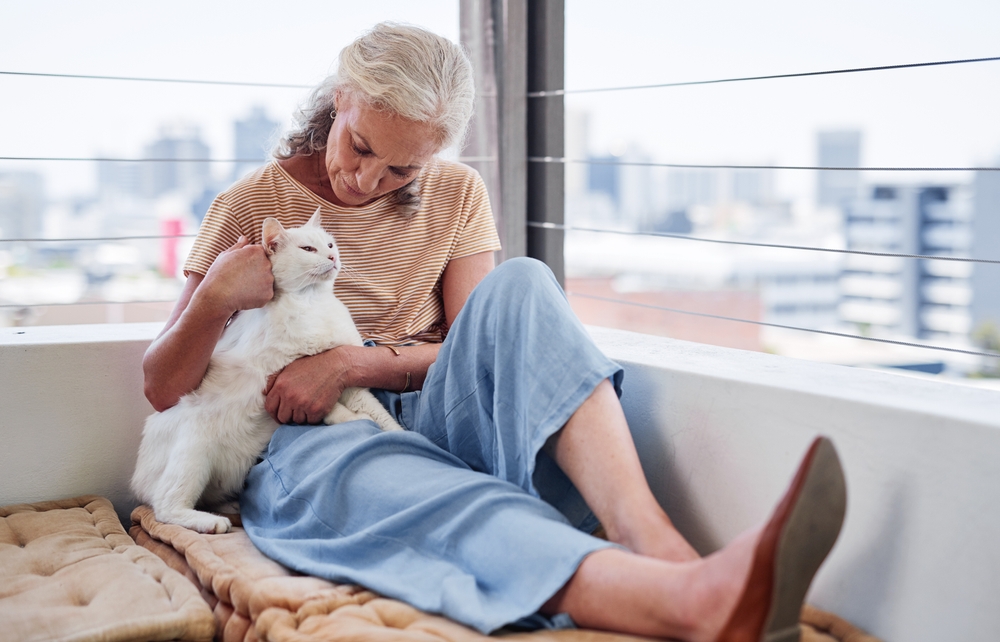
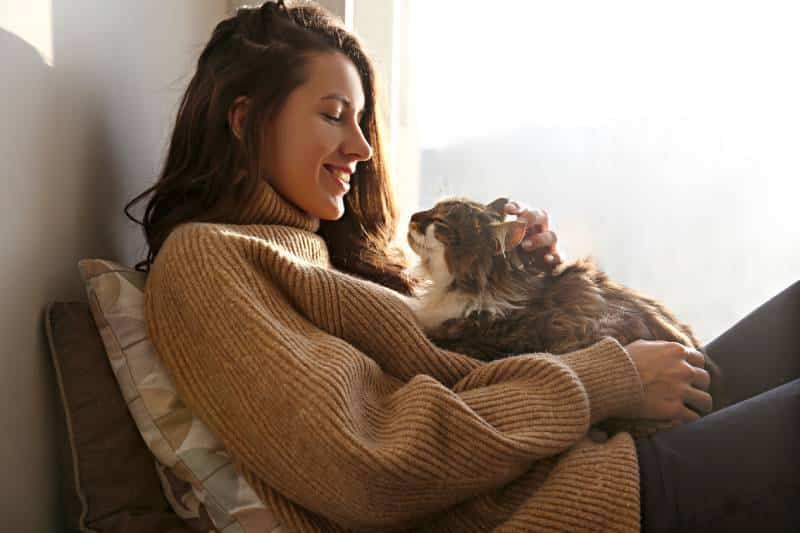
Domestic cat lying on owner's lap

Cats generally love to curl up and sit on laps, and it’s a favorite feline activity. If you have a lap cat at home, you may wonder why your buddy loves sitting on your lap so much. Cats sit on laps for various reasons, from warmth to comfort. It is almost always a sign that your pet feels safe and happy in your presence and enjoys spending time close to you. Keep reading to learn more about five interesting reasons cats like sitting on laps.

divider 3 paws

The 5 Reasons Cats Like Sitting on Laps

1. Warmth

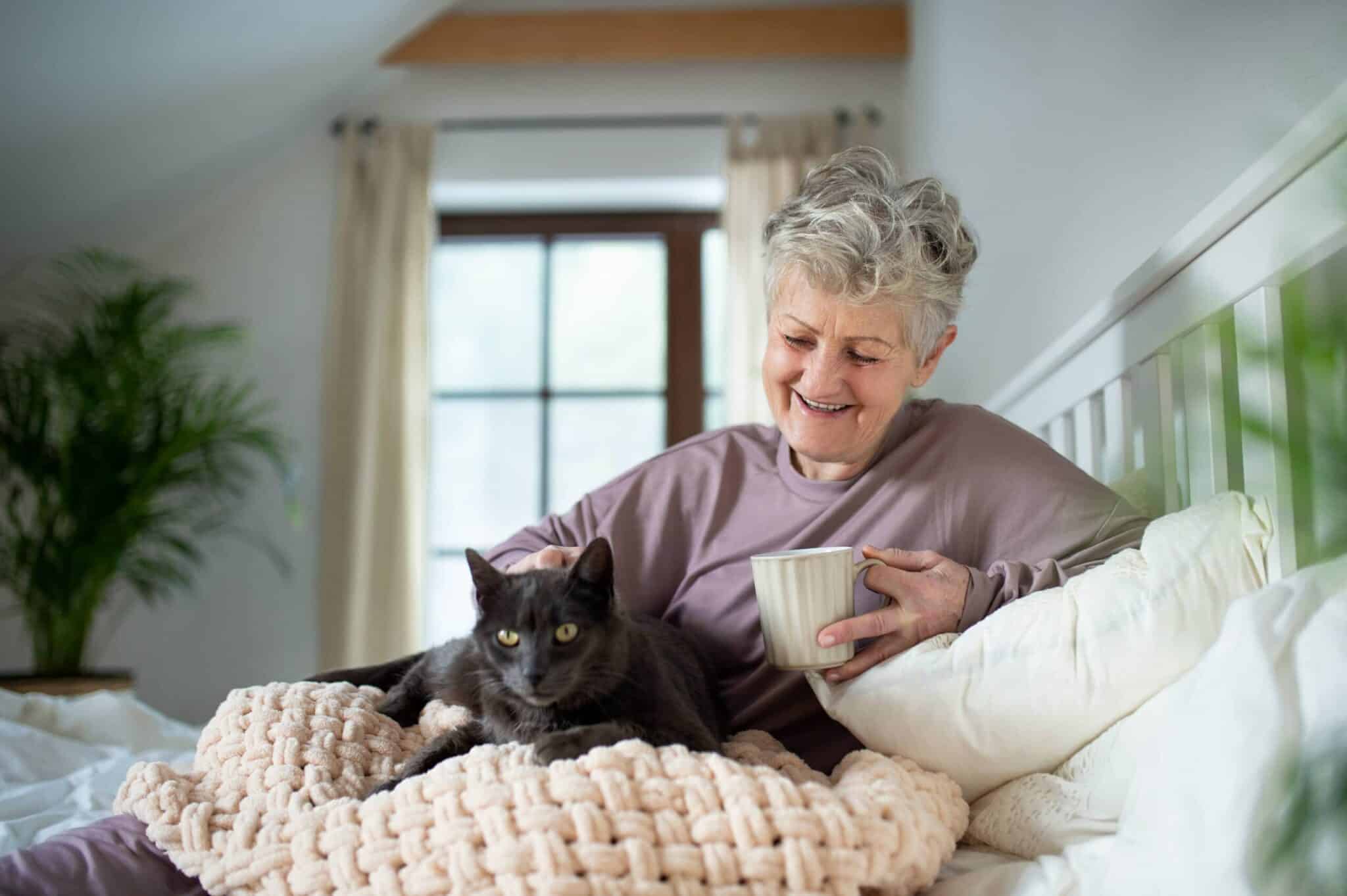
Cats generally like hanging out in warm places. They have warmer body temperatures than humans and prefer indoor environments between 77–86ºF (or 25–30ºC). Cats often seek warm places to rest when the temperature drops, with many napping in front of heat vents and radiators to stay nice and toasty. Cats also turn to their favorite people when it’s time to warm up. Many sit on laps as they provide a nice, soft, warm napping place.

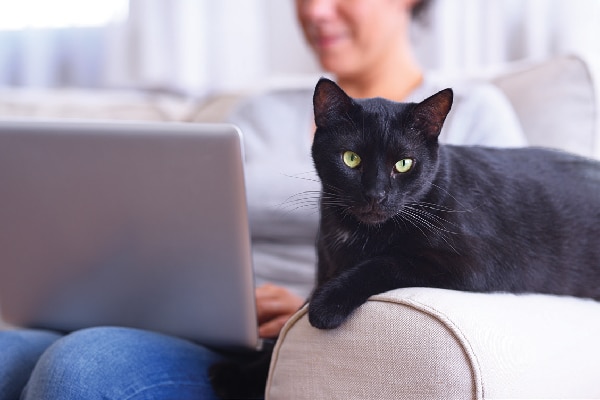
ginger cat and woman in bed with laptop
Image Credit by: Konstantin Aksenov, Shutterstock

2. Comfort

A cat’s sense of smell is about 14 times more accurate than a human’s. Cats have special scent glands in different locations around their body, such as cheeks, forehead, chin, paws, the base of the tail, and anus that help them communicate with other cats. When they rub against people, they leave a bit of their scent behind, which then mixes with yours to create a comforting smell your cat identifies with safety and love.

Sitting in your lap envelops your cat in aromas that provide them with a sense of safety and comfort, making your lap a great place to hang out!


3. Affection

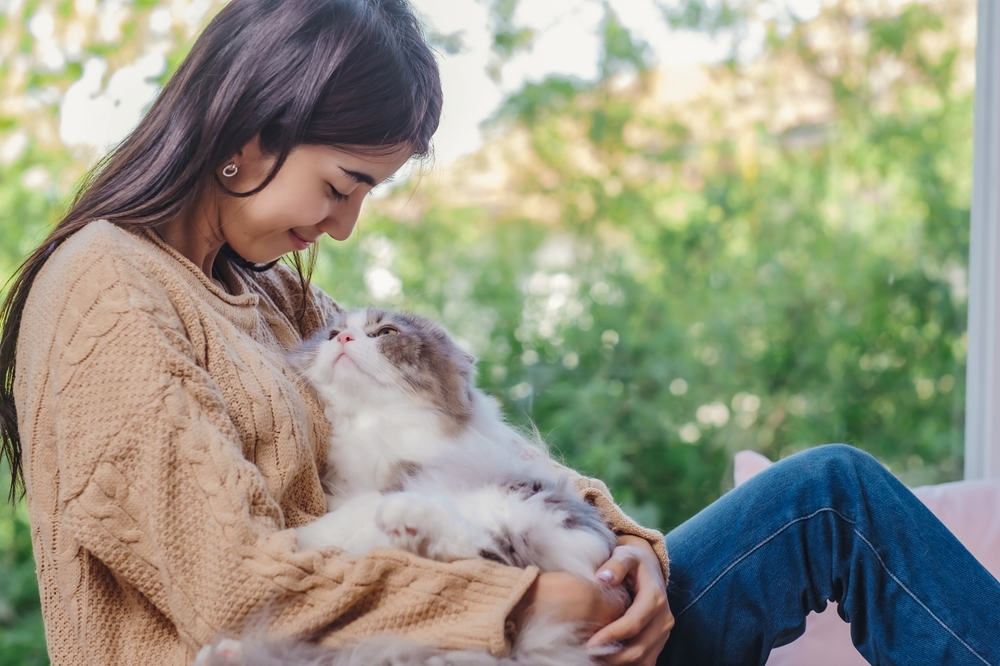
Cats bond deeply with their human companions, often mourning when separated from those they love. Cats have incredible memories for those who care for them and provide lots of loving attention. They respond to their companions’ emotional states and can identify their humans’ voices.

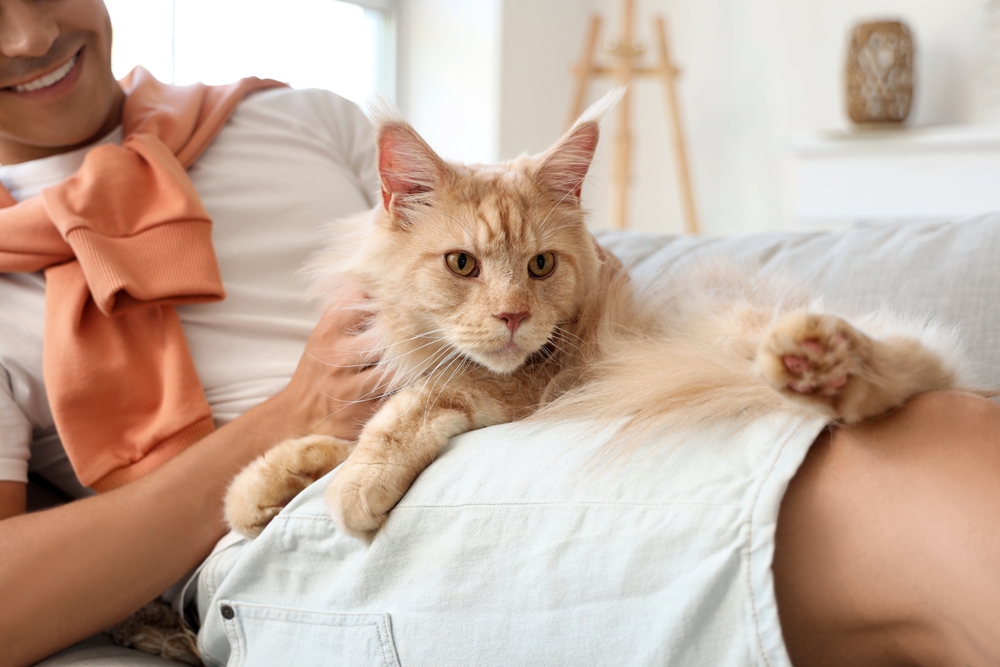
Cats often climb on their favorite person’s lap for love and petting. Breeds such as the Maine Coon, Ragdoll, and Persian often really enjoy spending time around their people.

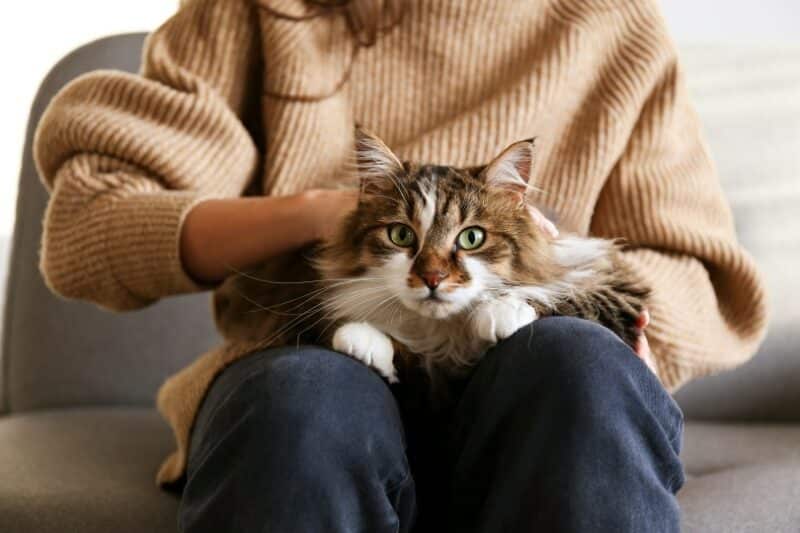
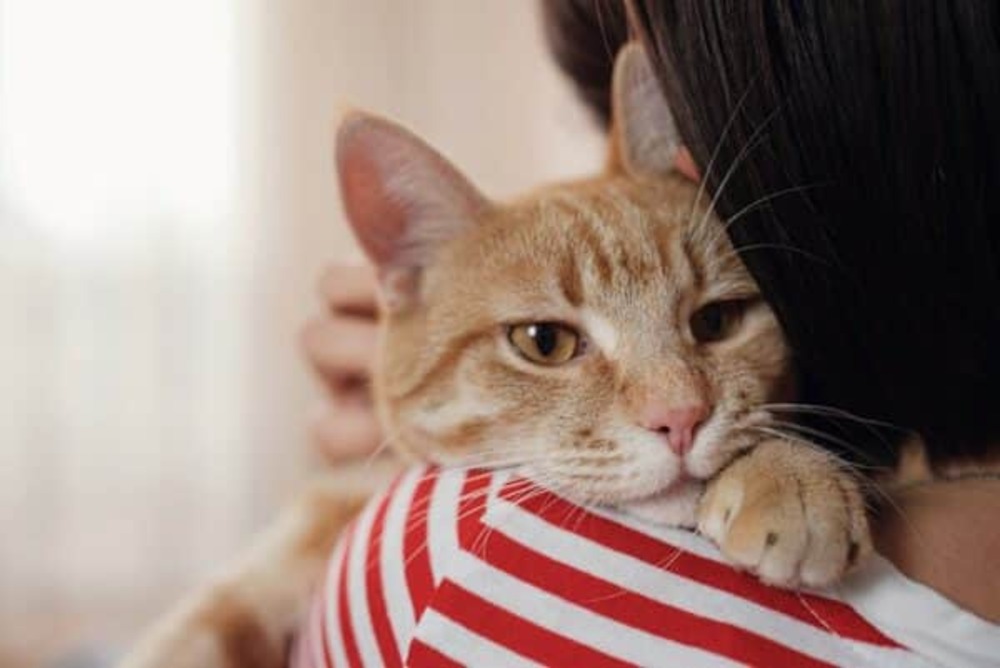
furry tabby cat lying on its owner's lap
Image Credit by: Impact Photography, Shutterstock

4. Companionship

While most cats are fine being regularly left alone during the day, even the most laid-back cat seeks attention. Cats often sit on laps just because they need companionship.

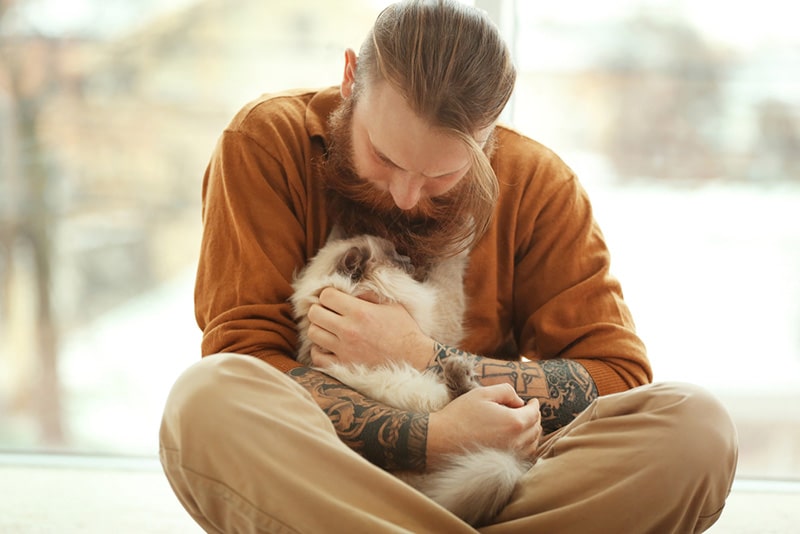
Kitties who are deeply attached to household members often turn to those individuals when it’s time to hang out. Cats, much like humans, often enjoy doing nothing in the presence of their favorite people. Birman and Himalayan cats usually prefer just hanging out to wild bouts of playtime.


5. Kneading Opportunities

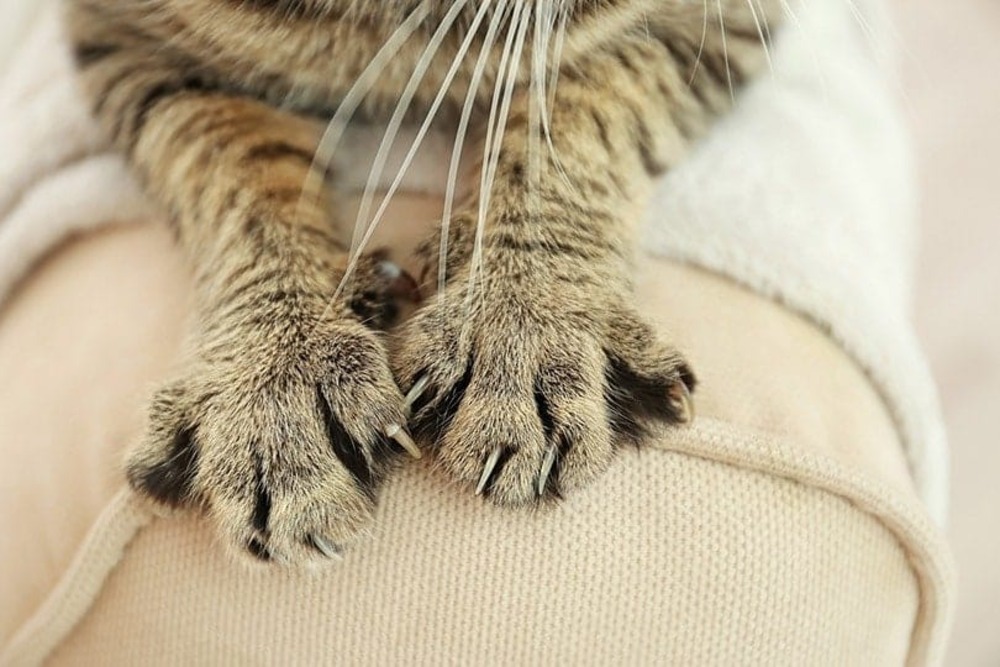
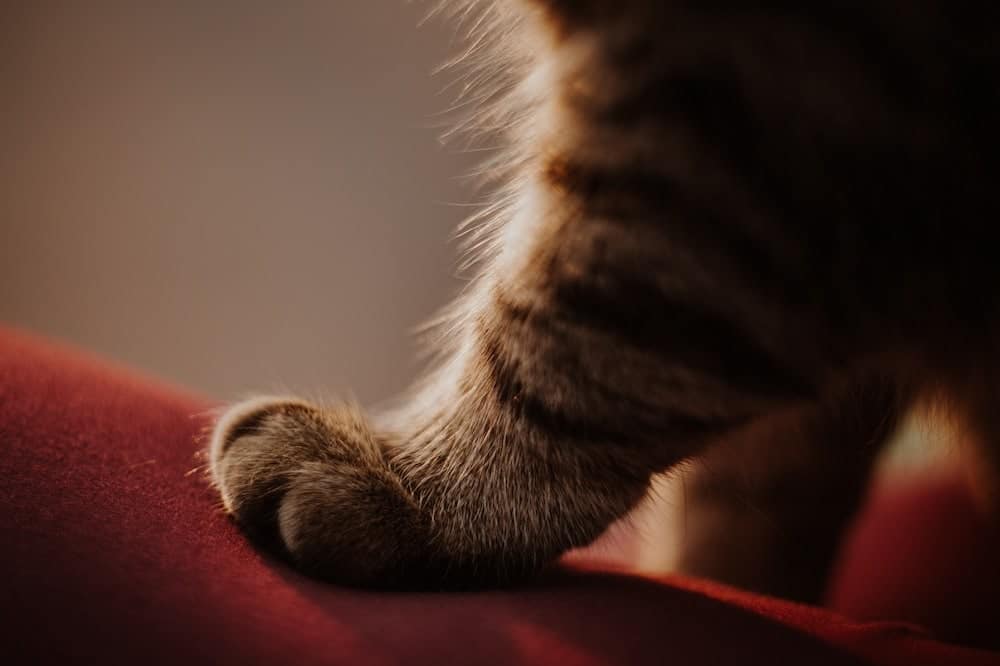
Many cats knead or make biscuits with their paws when feeling relaxed and comfortable. It’s usually a sign that a cat feels happy and safe. Cats often knead while sitting on their favorite person’s lap when they’re getting ready to settle in and get comfortable.

Kneading may also help stressed-out cats soothe themselves a bit. Kittens naturally knead to get their mothers’ milk flowing when nursing, and it provides adult cats with a similar sense of comfort. Some cats even take the kneading up a notch and start sucking their favorite humans’ clothing.

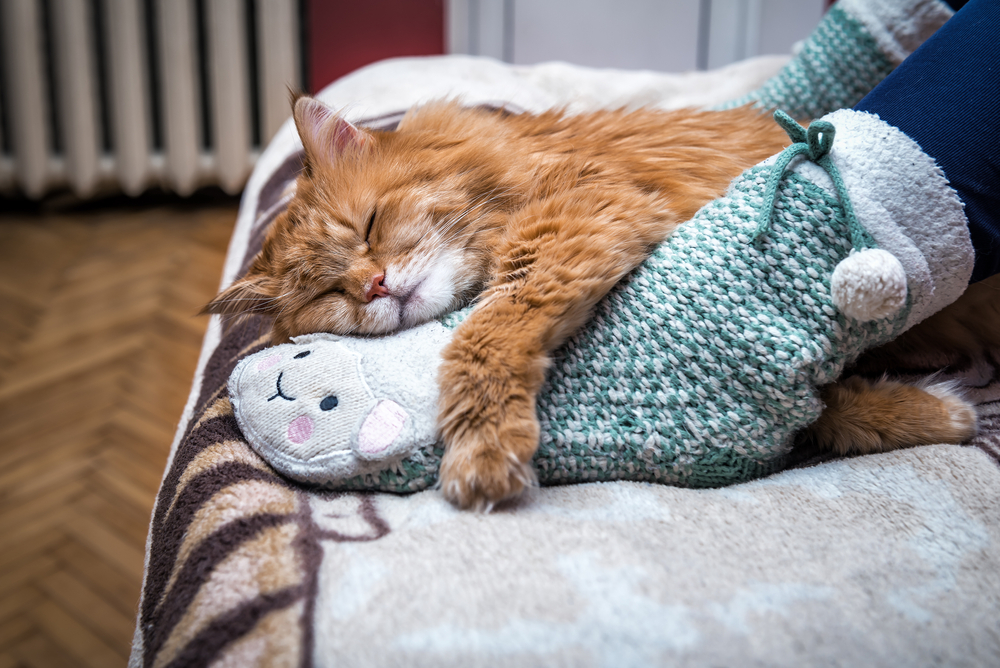
sleepy cat laying on owners lap
Image by: Alena Ozerova, Shutterstock

divider 2 cats

Conclusion

Cats generally enjoy sitting on laps—they’re warm, soft, and comfortable. While many cats love nothing more than curling up next to or on their humans’ laps, it’s perfectly natural for some kitties to prefer different interactions. Cats sit on laps to warm up on cold days and let you know they want some attention. Others snuggle up when they want to hang out close to someone they love.

Because cats rely so heavily on smell to understand their environment, being close to their owners gives them a deep sense of comfort and safety as they’re enveloped by scents reminding them of being loved and cared for.


Featured Image Credit: evrymmnt, Shutterstock

Want content like this delivered to you?

Sign Up For Our Newsletter

News, insights, expert advice, and everything cat

* By submitting, you agree to our Terms & Conditions and Privacy & Cookies Policy.


How useful was this post?

Click on a star to rate (you can leave written feedback after clicking submit)

Help us improve Catster for pet parents!

Your feedback really matters.

What did you like about this post? Also how can we improve it?

Join the conversation

Leave a Reply

You’re very welcome to leave a comment or question. Please know that all comments must meet our community guidelines, and your email address will NOT be published. Let’s have a positive and constructive conversation.


Catster's Digital Magazine is Back!

Vet-approved health & behavior advice

Real cat stories & community features

Chatting About Essential Oils, Homemade Cat Food & The Color of Butter | Chatty Cattys, Episode 27

In this episode of Catster’s Chatty Cattys podcast, Nicole and Dr. Karyn tackle crucial household safety warnings and the ever-evolving world of pet...

What Normal Aging Looks Like in Cats and When You Should Worry

These days, cats can live anywhere from 13 to 17 years on average, with some making it well into their 20s. That is...

The Purr-suit of Happiness: A New Way to Measure Feline Quality of Life

How can you tell if your cat is truly thriving? It’s a question that every pet parent has probably wondered at some point....

Ask Dr. Paola – Help! How Much Pee Is Too Much Pee? (July 13, 2026)

Welcome to our “Ask Dr. Paola” series, where every Monday we bring expert advice straight from Dr. Paola Cuevas (MVZ) to help our...

More related

Why Does My Cat Hate Other Cats? 6 Vet-Verified Possible Reasons

Cats thrive in various environments and as long as some requirements are met, they can live happily with others in stray cat colonies,...

When an Aloof Cat Becomes a Lap Cat: Olga’s Rocky Transition

Hi, I’m Christopher! Read my introduction to learn more about me and my silly Russian Blue cat, Olga. Before I adopted Olga, I...

Why Is My Cat Quiet Suddenly? 5 Vet-Reviewed Reasons

Any change in feline behavior is potentially troublesome. Usually, changes in behavior are associated with illnesses and stress. These underlying causes range from...

Camping With Cats: Vet-Approved Guide

Dogs are often brought along as camping companions. But what about cats? While cats may not be the stereotypical pet to bring on...

Keep reading

Can Cats Eat Pecan Pie? Vet-Approved Facts & FAQ

Pecan Pie is a delicious dessert traditionally served in the United States during the winter and fall. It is mouth-wateringly sweet and contains pecans, eggs, molasses, corn syrup, brown sugar, butter, and vanilla extract. Some recipes even call for bourbon...

Can Cats Eat Pecan Pie

Can I Get a Prescription for My Cat Online? Vet-Approved Facts & FAQ

Have you ever had a sick kitty and wondered if you could simply get a prescription for your feline friend online? The answer is no, but you can get a prescription from your normal vet and fill that online. Most...

man-with-cat-using-laptop

Can Cats Eat Macadamia Nuts? Vet-Approved Facts & FAQ

There’s no denying that macadamia nuts are a delicious treat for us humans, and you might even find your cat is interested in them. While these are a good, albeit high-calorie, snack for people, macadamia nuts should not be fed...

Can Cats Eat Macadamia Nuts

Why Do Cats Move Their Ears? Vet Reviewed Science & Meanings Explained

Cats are incredibly expressive animals, and while they can’t mimic human words, they have a wide range of ways to convey feelings through their body language. As well as their eyes and tail, cats can portray a lot of emotion...

close up image of cat's ears and eyes

Average Cost of a Vet Visit for Cats in 2026: How Much You Can Expect To Pay

Cats require our love, care, an enriched environment to express their natural behaviors, and high-quality food to thrive. They also need to see the veterinarian regularly to ensure their health stays strong throughout their life. It is easy to tabulate...

Vet doctor holds cat in his arms and talking to the owner

Are Peace Lilies Toxic to Cats? Vet-Verified Risks & FAQ

Most cat owners are aware of the dangers of a cat ingesting Lilies, specifically those from the Lilium and Hemerocallis family. These include the Asiatic, Easter, Japanese Show, and daylilies, and even just a small amount of any part of...

Catster_Are Peace Lilies Toxic to Cats

Do Neutered Cats Spray? Vet-Reviewed Behavior

Cats are wonderful companions, but they do exhibit some quirks that must be dealt with accordingly. One common problem among cat-owning households is spraying, or urine marking. This can be frustrating, smelly, and a real hassle to clean up. While...

black male cat spraying at the garden

Can Cats Eat Oranges? Vet-Verified Facts & FAQ

Oranges are sweet, tart, and tasty and one of the world’s most popular fruit. They can often be found in household fruit bowls, added to fruit salads and school lunch boxes, and even used in desserts. Low in calories and...

Can Cats Eat Oranges

Love Cats? So Do We! Join the Catster Community

Stay informed with expert pet care insights delivered straight to your inbox! Discover professional guidance on animal behavior, feeding tips, trusted product picks, and much more.


Sign up for the Catster Email Newsletter

Stay informed with expert pet care insights delivered straight to your inbox! Discover professional guidance on animal behavior, feeding tips, trusted product picks, and much more.