Get

In Your Inbox

Catster is reader-supported. When you buy via links on our site, we may earn an affiliate commission at no cost to you. Learn more.

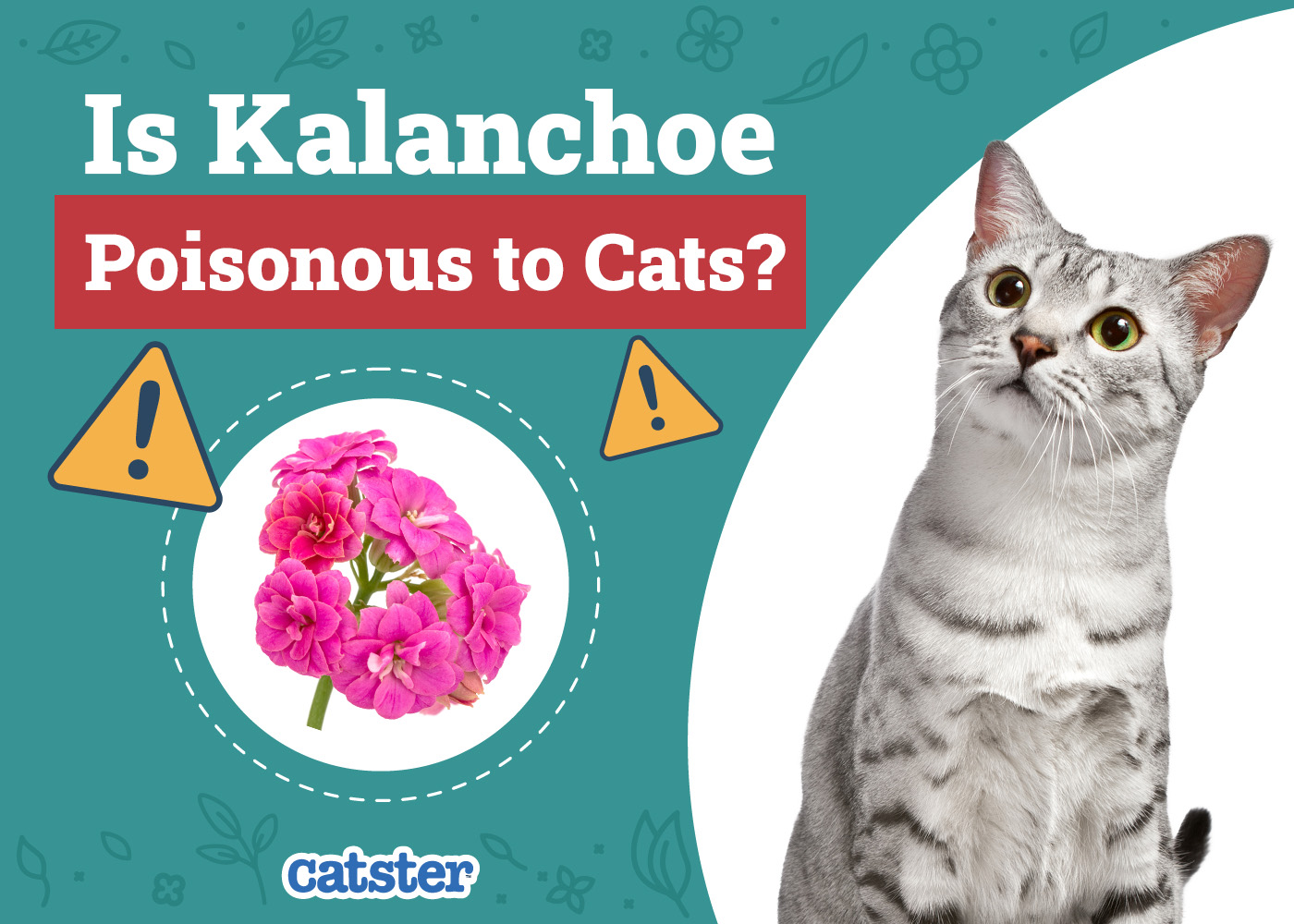
Is Kalanchoe Poisonous to Cats? Vet-Reviewed Toxicity Explained


Share

Catster_Is Kalanchoe Poisonous to Cats

Kalanchoe is a type of succulent plant, popularly kept as a houseplant. Although it is not considered one of the most dangerous, it is mildly toxic to cats and causes gastric upset, so you should try to keep it out of the reach of your feline family members and monitor yours if it has ingested any of this plant. Monitoring is important because, in rare circumstances, kalanchoe can cause respiratory problems in cats, and veterinary assistance will be required in these instances.

divider cat faces 2 oct 2024

About Kalanchoe

Kalanchoe is a family of approximately 120 different species of plant. Most are perennial herbaceous succulents. As succulents, they thrive well in low-light conditions and do not require daily watering. These features, combined with the attractive look of the plant make them a popular houseplant in a lot of homes around the world. You may hear kalanchoe referred to as mother-of-millions, the mother-in-law plant, or widow’s thrill.

Kalanchoe
Image Credit: JACLOU-DL, Pixabay

Signs of Toxicity

Although the plant is not considered highly toxic to cats or dogs, it is mildly toxic. It contains bufadienolides, which are a type of cardiac toxin. If your cat eats a small amount of the plant, the most likely signs they will suffer, if any, are gastric upset, so you should expect some vomiting and diarrhea. Obviously, if your cat continues to show these signs, you need to take action because they can lead to dehydration and other conditions that are especially dangerous for cats.

If your cat ingests a lot of the plant, kalanchoe can also cause an abnormal heart rate, and they may collapse or show signs of weakness. In any of these cases, you should seek veterinary advice as soon as possible.

If you need to speak with a vet but can't get to one, head over to PangoVet. It's an online service where you can talk to a vet online and get the advice you need for your pet — all at an affordable price!

PangoVet_Mention-in-Content for PangoVet2 save money

The 5 Other Houseplants That Are Toxic to Cats

Houseplants offer a lot of benefits to their owners. Not only do they look pretty, but they can help provide clean air for breathing and have been shown to improve mental and emotional well-being. However, not all houseplants are safe for cats. As well as kalanchoe, which is a popular houseplant that is mildly toxic to our feline friends, the following five species should also be treated with care if you have cats.

1. Lilies

peace lilies
Image Credit: Gadini, Pixabay

Lilies are a very popular houseplant, but they are also one of the most dangerous for cats. All parts of the lily are dangerous, and if your cat eats any of the leaves, petals, stems, or pollen, it can lead to fatal kidney failure. There are reported incidents of cats suffering lily toxicity after consuming the vase water in which lilies were kept, as only a small amount is required to cause toxicity.


2. Aloe Vera

Aloe Vera plant
Image Credit: Marce Garal, Pixabay

Aloe vera is another popular houseplant. It is a succulent that is relatively easy to care for, and, as well as being popular for its somewhat spiny looks, it also holds several medicinal benefits. But less so for cats. Despite this, you will find aloe extract in some cat foods, and this is because it is the latex in aloe that is toxic. This has been removed before the plant is used in cat foods and other cat products, so it should be safe. However, if your cat eats aloe vera, look for signs of abdominal cramps, vomiting, diarrhea, and a loss of appetite. If you see these symptoms, contact a vet.


3. Daffodils

Daffodils
Image Credit: akirEVarga, Pixabay

Daffodils are part of the same Amaryllidaceae family as tulips and hyacinths, and all are toxic to cats. Specifically, it is the bulbs that cause toxicity, and they can lead to gastric upset, which means vomiting and diarrhea.


4. Sago Palms

sago palm plant
Image Credit: Olena758, Pixabay

Sago palms aren’t true palms. They are cycads. But because they have a similar appearance to a palm, they have gained the name sago palm. They are very toxic to cats, and even a small amount can lead to serious liver damage and potentially even liver failure. The seeds contain a higher concentration of the toxin, which means that these are the deadliest parts for cats.


5. Dieffenbachia

Dieffenbachia
Image Credit: Bogdan Sonjachnyj, Shutterstock

Dieffenbachia, often called dumb cane because it can cause pain in the mouth that prevents speech, has similar effects on cats as it does on people. Ingestion leads to pain in the mouth and esophagus, which can lead to excessive drooling and may eventually prevent proper swallowing and breathing.

divider cat faces 2 oct 2024

Conclusion

Houseplants can brighten up any room, but if you also own cats or dogs, you need to ensure that you aren’t putting them in harm’s way with your choice of home foliage. Kalanchoe is considered mildly toxic to cats. While it can, in rare circumstances, cause respiratory and heart problems, it more often leads to vomiting and diarrhea if eaten by cats, and you may need to seek veterinary assistance if you believe your four-legged friend is showing symptoms.


Featured Image Credit: Chesna, Pixabay

Want content like this delivered to you?

Sign Up For Our Newsletter

News, insights, expert advice, and everything cat

* By submitting, you agree to our Terms & Conditions and Privacy & Cookies Policy.


How useful was this post?

Click on a star to rate (you can leave written feedback after clicking submit)

Help us improve Catster for pet parents!

Your feedback really matters.

What did you like about this post? Also how can we improve it?

Join the conversation

Leave a Reply

You’re very welcome to leave a comment or question. Please know that all comments must meet our community guidelines, and your email address will NOT be published. Let’s have a positive and constructive conversation.


Talk With A Vet Online

Peace of mind,
anywhere, anytime

Affordable vet advice

Do Cats Cause Schizophrenia? Scientists Find a Link – Here’s What It Means

Being a fierce advocate (and occasional recipient of) mental health support and awareness, the term ‘crazy’ is not one I like to fling...

One in 100 Cats Gets Diabetes – Here’s How to Catch It Early

One in every 100 cats develops diabetes.1 That’s not a rare, unlucky condition reserved for cats with obvious health problems. It’s common enough...

Dramatic Rescue Turns Into Dramatic Reunion

What started as a routine call for the RSPCA became a heroic, five-hour rescue featuring one trapped and traumatized cat, an emotional family...

Ask Dr. Paola – Help! How Do I Know if it’s Ear Mites! (May 4, 2026)

Welcome to our “Ask Dr. Paola” series, where every Monday we bring expert advice straight from Dr. Paola Cuevas (MVZ) to help our...

More related

Why Are Cats So Flexible? Vet-Verified Facts & Reasons

Cats are amazing creatures capable of some fantastic feats of strength and agility. For example, did you know that a cat can jump...

Can Cats Die from Tooth Resorption? Vet Reviewed Facts & FAQ

Naturally, one of the first questions that come to mind when our pets are diagnosed with a health condition is “can my pet...

Cornish Rex Lifespan: How Long Do They Live? Vet-Reviewed Facts

In 1950s England, a random genetic mutation produced a kitten with an unusual curly coat. From this single kitten, the Cornish Rex breed...

107 Taylor Swift-Inspired Cat Names for Your Musical Kitten

Taylor Swift is a world-famous musician who appeared on the country music scene and quickly became an extremely popular pop star. In fact,...

Keep reading

How Many Kittens Are in a Litter? Vet-Reviewed Health Facts

Is there any baby cuter than a kitten? They are soft, adorable, tiny little lion-like creatures with the cutest mannerisms. Have you ever wondered how many kittens a cat could have when they reproduce? Or, maybe you suspect your kitty...

cat breastfeed new born kitten

Can Cats Produce Tears? Vet Approved Facts

When you think of your cat being able to produce tears, what you really might be asking is can cats cry? After all, when we see a very emotional movie or have a tragic event happen to us in our...

close up of cat with eye discharge

How to Keep Kittens Warm: Vet-Approved Techniques & Safety Tips

Kittens are cute, cuddly, and a joy to watch as they grow and mature. However, it’s vital to keep them warm for the first few weeks of their life. The younger the kitten, the more important it is for you...

newborn kitten in man's hand

How Do You Determine a Cat’s Sex? A Vet-Approved Guide

Determining the sex of your cat can be confusing, especially if they are a kitten or are still young, as it is not always obvious. Given that male cats do not have visible testicles until they are approximately 6–10 weeks...

Thai Siamese point cat, with blue eyes, lying on the couch

My Cat Lost a Tooth, Should I Be Worried? Vet-Reviewed Facts & Advice

Losing our baby teeth was a part of growing up. However, when people lose their teeth in adulthood, it is a sign for concern. But is it the same for animals? What about cats? If my cat loses a tooth,...

hand showing the teeth of blue tabby maine coon cat

Can Cats Eat Craisins? Vet-Approved Nutritional Benefits & Precautions

Our pets are our best friends, and we only want them to eat the best. However, sometimes you wonder if your cat might like some of the snacks you’re munching on. For instance, can cats eat craisins? Many foods are...

Can Cats Eat Craisins

Can Cats Eat Vanilla? Vet-Reviewed Facts & FAQ

Vanilla, scientific name Vanilla planifolia, is not toxic to cats in its natural form, but it is also not something cats should be eating. As an ingredient, it doesn’t actually add much to the food but flavor, which cats do...

Can Cats Eat Vanilla

Can Bird Mites Live on Cats? Vet-Verified Facts & Tips

Bird mites are parasites that feed on the blood of avian hosts. While they can’t survive off of feline blood alone, they can still cause irritation for cats for a couple of weeks. So, it’s best to address the issue...

Cat wearing collar scratching and itching

Love Cats? So Do We! Join the Catster Community

Stay informed with expert pet care insights delivered straight to your inbox! Discover professional guidance on animal behavior, feeding tips, trusted product picks, and much more.


Sign up for the Catster Email Newsletter

Stay informed with expert pet care insights delivered straight to your inbox! Discover professional guidance on animal behavior, feeding tips, trusted product picks, and much more.