How to Treat Mange in Feral Cats: Our Vet Gives 8 Tips & Tricks

In this article
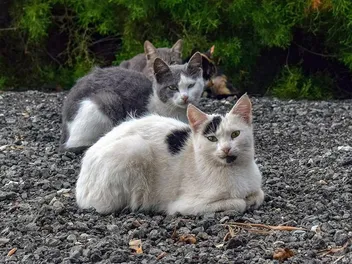
If you’ve got a problem with some itchy feral felines, all of you—yes, yourself included—will be desperate to get it under control. Mange is one of several causes of really itchy skin, and it is particularly prevalent in populations of feral cats, as they are more likely to be in close contact with wild animals and the areas they live. Fortunately, mange isn’t too common in the cooler states of the north, but in warmer climates, it can be a nightmare.
Treating mange in our pets can be frustrating, but trying to manage it in cats that don’t enjoy being handled will be even more of a challenge. If you're dealing with a feral cat or feral colony that you can't get your hands on, we empathize with your situation. Unfortunately, most of the effective treatments for mange are prescription only, so this is going to involve a trip to the vet.
We’re going to talk a bit more about mange and give you some tips and tricks on how to control it in feral cats.

What Is Mange?
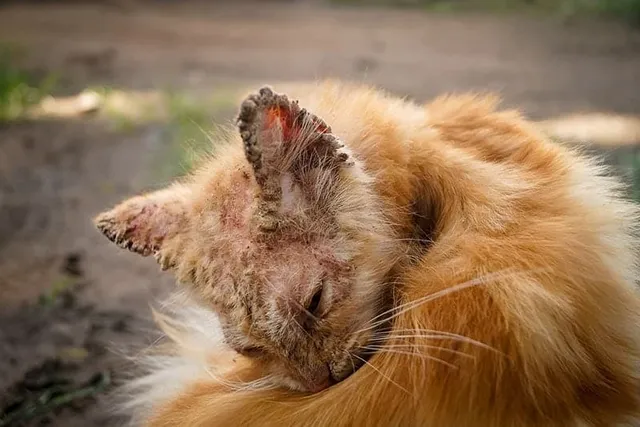
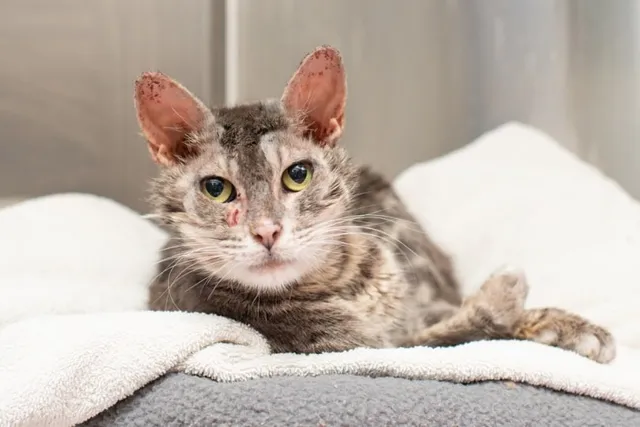
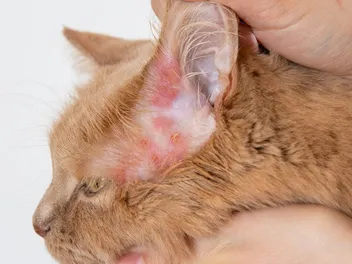
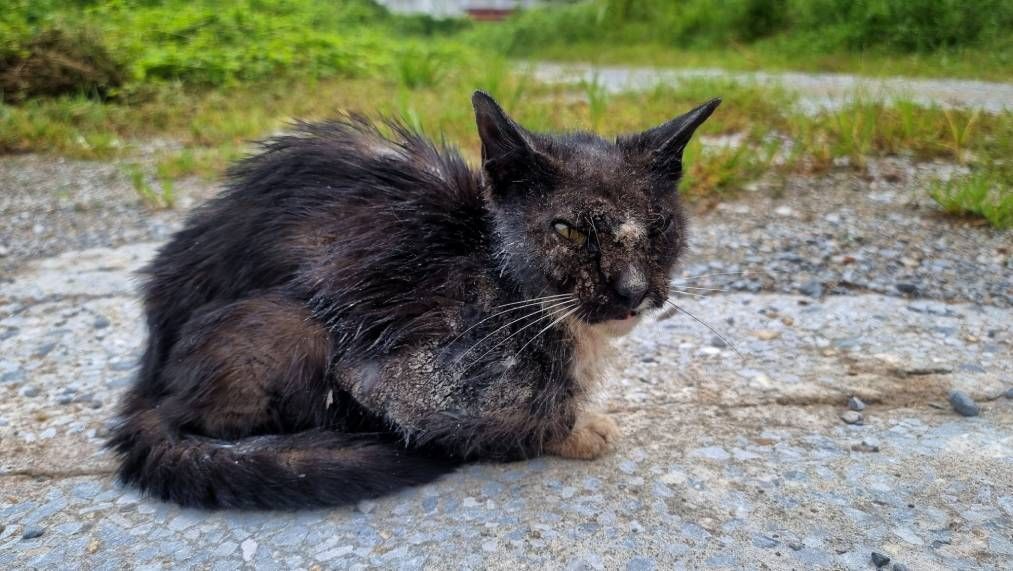
When you think of a cat with mange, you probably get a mental picture of a scabby, dirty creature that is missing most of its hair and looking pretty sorry for itself. But there are actually a few different types of mange, and there are a few other skin conditions that might look like mange. They range from mildly to intensely itchy.
Mange is caused by mites, and in cats, the most common forms are:
Skin conditions that might look like mange include:
Get in touch with a veterinarian for guidance and advice on the best course of action.

How Is Mange Diagnosed?
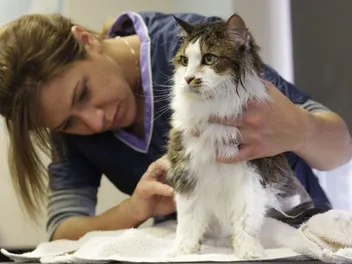
This is where your vet comes in. It is impossible to diagnose mange based on the clinical signs alone. Your vet will need to examine the cat and, if possible, take some skin scrapes to look at under the microscope. It’s important to get the diagnosis right because the treatment for allergic skin disease can make mange worse.

How Is Mange Treated?
Most flea and tick treatments will also eliminate walking dandruff and chiggers, but there are specific treatments needed to effectively eradicate the mites that cause feline scabies and ear mites, and they often need to be repeated. The types of ingredients needed to treat mange are prescription only, which is another reason why your vet will need to see the cat, as they cannot prescribe medication without an examination.
Products such as Revolution Plus or Bravecto for Cats are needed to eradicate feline scabies, and can also be used to prevent ear mites. If your cat has an ear mite infestation, however, they will usually need ear drops to eradicate them.
Now that we know a bit more about mange in cats, let’s look at some tips and tricks to tackle the situation in feral cats.
1. Isolate the Affected Cats
Mange can spread like wildfire through any population, so if you can, try to separate any individuals that are showing signs of infection from the others. It might be too late, but you may be able to reduce the number of cats affected.
2. Visit Your Vet

You need to make an appointment with the vet for two reasons: to make sure they get the right diagnosis and to be prescribed the right products. You may find various shampoos, sprays, or remedies that claim to be effective against mange, but if you are dealing with feline scabies or ear mites, nothing short of prescription-strength medication is going to do the trick. Secondary bacterial infections are quite common with mange, so antibiotics may be needed as well.
3. Treat All Cats if Possible
This might feel like an expensive endeavor, but we have to assume that any cats in the population are either already infected with mange or at a high risk of becoming infected. Treating the whole population stops the infection-reinfection cycle and gives vets more of a chance of eliminating the mites. All cats should be treated with the topical treatment prescribed by your vet, and ear drops should be used on those with active ear mite infections.
4. Soothe Inflamed Skin

Infected, inflamed, and painful skin will take longer to heal, so using a product to help alleviate the itch can really help with recovery. This EcoMange spray is unlikely to eradicate mange, but it may help speed up the recovery without having to try to bathe feral cats!
5. Treat Bedding Items
If you provide beds or blankets for the cats, use a hot water cycle and tumble dry to kill off any mites, or throw away bedding that is in poor condition. Mites cannot survive off the host for more than a couple of days, so there is no need to treat the environment other than to clean any bedding.
6. Reduce Exposure to Other Animals

Obviously, this will be challenging when we are talking about feral cats, but there are a few ways to deter other animals from visiting the realm of your feline friends, such as fences, changing feeding times, and making sure to not leave food down once the cats have eaten. Most wild animals, like raccoons, possums, and foxes, will carry mites, which they will happily share with the cats.
7. Stay on Top of External Parasite Prevention
As with most things, prevention is better than cure. Once you have control of the mange situation, the best thing to do is stay on top of it by continuing to apply topical parasite prevention to the population.
8. Add Supplements for Healthy Skin

Although mites can infect even the healthiest of cats, giving your feral cat population a little extra help in the skin and immune system department can certainly help them evade some skin issues, as well as help them recover more quickly. A liquid skin supplement with fish oil and essential fatty acids can be safely added to the cats’ food bowls on a regular basis.

Can Humans Get Mange From Feral Cats?
Several of the mites that cause mange in cats, particularly Notoderes cati (feline mange) and Sarcoptes scabeii (scabies), can be spread to humans. They can make us just as itchy as the cats, but they cannot reproduce on humans, and infection is generally self-limiting. It would be unlikely for humans to pick up mange from feral cats unless they are spending a lot of time in close contact with them. Similarly, our pet cats will typically only become infected if they are in close proximity to the feral cat population, but it would be wise to protect your cats from external parasites if there are feral cats nearby.
If you or a member of your family suspects they have been infected with mange, get in touch with your healthcare provider for advice. Treatment is often symptomatic, as the mites will not live for more than 10 days on human skin, but you may be prescribed a medicated wash or other treatments if the skin is severely affected.
The signs of mange in humans are similar to those in cats, with itchy skin and raised, red spots and scabs. People with allergies, on immunosuppressive medications, or with underlying health conditions are at greater risk of complications from mange and should contact their physician as soon as possible.

Summing Up
If you are providing care for feral cats, you are doing a wonderful thing. Unfortunately, cats that are living outside are more likely to be exposed to parasites, and mange is something that can not only affect their health but the health of your pets and family too.
Following a regular parasite treatment regime is the best way to stay on top of this situation, but there are a few other steps you can take to reduce the risks of an infestation. Talk to your vet about which products they recommend to keep you and your feline colony safe from mange.
See Also:
Featured Image Credit: RJ22, Shutterstock
Expert cat care, straight to your inbox
News, insights, and useful advice, delivered to you.

No spam — unsubscribe anytime.
By signing up, you agree to our Terms & Conditions and Privacy & Cookies Policy.
How useful was this post?
Click a star to rate. You can leave written feedback afterwards. (We read all feedback.)
Dr. Karyn Kanowski BVSc MRCVS (Veterinarian)
Dr. Karyn comes from Queensland, Australia, and has lived in the UK for the past 10 years. In 2010, she graduated from The University of Queensland School of Veterinary Science and also has a Bachelor’s degree in Zoology. She is passionate about using evidence, experience, and owner collaboration to provide the best solutions for pets, and believes in making reliable information about animal health accessible to all. Dr. Karyn shares her home with five cats, four dogs, and one husband. When she is not in the scrubs, she spends her time writing, gardening, and cleaning up pet hair!