How to Remove a Tick From a Cat: Vet-Approved Steps & Advice


In this article
Removing a tick from a cat is not difficult, but it may not be as easy as you think. The hardest part is keeping your cat still, but the process is quite simple with a tick removal tool. You must remove the tick immediately to reduce the risk of illness or infection.
If you’ve noticed a tick on your cat, the steps below will walk you through the process of removing it. If you have concerns, contact your vet for guidance.

Gather the Necessary Tools
Before removing the tick, you’ll want to grab all the necessary supplies. Your kitty will only sit still for so long. They may not be as willing to sit for you if you need to grab something you’d forgotten after you start.
Be sure to have everything you need ready to go.
How to Remove a Tick
1. Distract Your Cat
It will take several minutes to remove the tick carefully, so it’s best to have someone with you who can distract your cat while you are busy. They can do this with a small toy, a few treats, or gentle petting. If you are doing this alone, try putting a small dish of their favorite snack down and sitting on the floor with them.
Whatever position you choose, try to keep with it, even if it becomes uncomfortable. Your cat may not be as patient if they are being moved around.
2. Locate the Tick
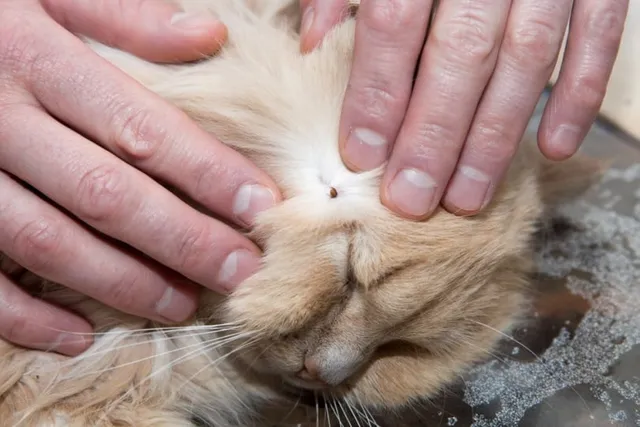
You probably already know the general area of the tick, but you’ll need to find it again. After putting on the latex gloves, gently part the hair away from the tick with one hand and get ready to use the tick removal tool with the other.
It may take a few tries to find a comfortable way to position your hands so that you feel comfortable holding the tool. Be sure to check on your kitty and ensure they aren’t feeling too stressed, but ensure they stay still for the next step.

3. Use the Tick Removal Tool
The tick removal tool should come with directions. There are several types, so you’ll want to follow the directions closely. You may have a tick twister, tick spoon 1, a key-like device, or one that looks like tweezers.
If using a tick twister, slide it under the tick close to your cat's skin. Rotate the tick twister until the tick separates from your cat’s skin.
If using tweezers, grab the tick as close to your cat’s skin as possible, and don’t squeeze too tightly. You should only hold the tick as firmly as needed to pull on it. Pull up slowly with steady pressure to avoid breaking the tick and leaving the mouthparts embedded in their skin. This is especially important if you don’t have a specific tick-removal tool and are using tweezers.
4. Clean the Bite
After removing the tick, follow up by cleaning the bite wound 2 thoroughly. You can use an antiseptic wipe to wipe the area clean gently. If you don’t have antiseptic wipes available, then use some salt water to clean the area.
The area must be cleaned after removing a tick because many carry diseases. This reduces the risk that the bite will become infected.

5. Dispose of the Tick
You must kill the tick before disposing of it, or it may find you or your cat and bite again. You can kill it by submerging it in rubbing alcohol and, once dead, flushing it down the toilet. You might also stick it to a piece of tape 3 and throw it in the trash.
If your area has a high incidence of tick-borne diseases, you can save the tick and have it tested to see if it is a carrier for any disease. In any case, it's a good idea to take a picture of it before throwing it away. Should your cat get sick after the bite, their vet may be able to narrow down the illness based on the type of tick that bit them and be able to treat them more effectively.
6. Wash Up
After your cat has been cleaned up, you can remove the latex gloves and throw them away inside a zipped plastic bag. You should then wash your hands using antibacterial soap, if available. Be sure to lather them for at least 20 seconds before rinsing.

7. Reward Your Cat
Your cat has just been through an ordeal! It was most likely very stressful for them, and they should be rewarded for getting through it, whether they were calm or struggled with you. Either way, they still made it.
Their reward should include plenty of praise and reassurance from you because, while we hope it won’t happen again, you may have to remove another tick if you live in an area plagued by them. Your soothing comfort will help make the ordeal much less panic-inducing the next time.
8. Monitor the Wound
Removing the tick doesn’t mean your kitty is entirely out of danger. The bite could become infected or make your cat sick due to a disease the tick carried. Be sure to check on the bite wound frequently and clean it if necessary.
If your kitty is irritating it with excessive grooming, you may need to prevent it using a cone or e-collar. Look for any tick bite signs 4, like fever, lethargy, vomiting, or behavior changes that signal they need to see the vet for an evaluation.
Things You Should Know:
When to Get Help
While it’s relatively easy to remove a tick from a cat in most cases, there are times when you may need help from a veterinarian. If your cat is struggling and you cannot keep them calm enough to let you remove it, the experienced staff at the vet clinic can assist.
You may also need to make an appointment if they show signs of illness, irritation from the site of the tick bite or if the tick has broken into pieces so you cannot remove it yourself. If you are unsure, it’s best to get help from your vet.
When the Head Gets Stuck
It is not unusual for the mouthparts to get stuck in the skin when removing a tick. As long as the wound is cleaned, your cat’s skin may expel the mouthparts on its own as part of the healing process. Keep a close eye on the wound and call the vet if there are any signs of infection.
Preventing Ticks
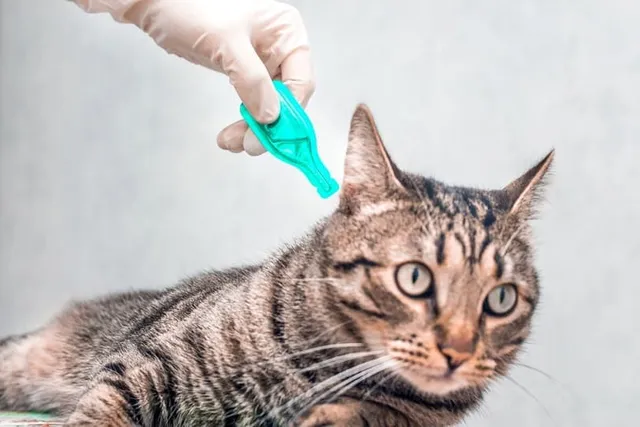
If your cat goes outdoors often, you must use a flea and tick prevention method. There are many types of prevention available, including topical options like spot-ons, sprays, or tablets.
Speak to your vet about the best tick-preventative treatment for your cat. Indoor cats may still be susceptible to ticks, especially if other pets in the home go outdoors.
Carefully check your cat when they come in from their outdoor adventures. The sooner you spot and remove any ticks that have attached, the less chance they have of spreading diseases.

Tick Removal Myths
There are several myths about how to remove ticks, like using petroleum jelly or dish soap to encourage the tick to back away from the skin on its own. Some believe that burning the exposed tick with a lighter will kill it. Both of these are myths. The best way to get rid of a tick is to physically remove it using a tick removal tool or tweezers.
Conclusion
You’ve just learned the process of removing a tick from a cat. It’s not so bad, right? We hope these steps have given you the confidence to tackle the task and ensure your kitty remains healthy and happy. Remember that prevention is best, and there are many effective tick-preventative treatments available. Speak to your vet to choose the best option for your cat.
Most cats won’t get sick from a tick bite, but it is important to be aware of potential issues and watch for any signs of illness in the days after removing the tick so your cat can get treatment as soon as possible.
Featured Image Credit: Ivan Popovych, Shutterstock
Expert cat care, straight to your inbox
News, insights, and useful advice, delivered to you.

No spam — unsubscribe anytime.
By signing up, you agree to our Terms & Conditions and Privacy & Cookies Policy.
How useful was this post?
Click a star to rate. You can leave written feedback afterwards. (We read all feedback.)
Krysha is the owner of a chatty Tortie cat named Shelly, whom she rescued and cares for. Through her experiences caring for various animals such as dogs, cats, turtles, lizards, hamsters, and fish, Krysha has been motivated to promote awareness about local animal shelters and advocate for simple ways to assist them.