How to Help Control Fleas in Feral Cats: 5 Vet-Approved Tips & Tricks


In this article
Most feral cats have difficult lives; one common problem they face is being infested with fleas. The parasites can be quite dangerous and lead to other diseases, which is why feral cats with fleas need our help. This article includes the best tips and tricks for controlling fleas in feral cats and reducing the number of infestations in your neighborhood.

Are Fleas Dangerous for Cats?
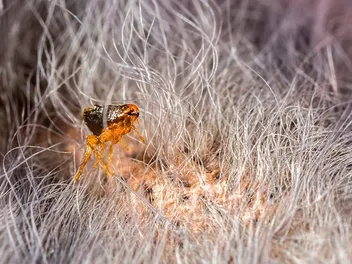
Fleas are dangerous for cats and other animals because they can quickly spread from one host to another and cause other health-related problems. Fleas don’t need much in a host beyond a comfy place to live with adequate nourishment. Felines are excellent hosts for fleas because they are furry and warm, and their fur is often moist, which makes the perfect environment for fleas to live and multiply.
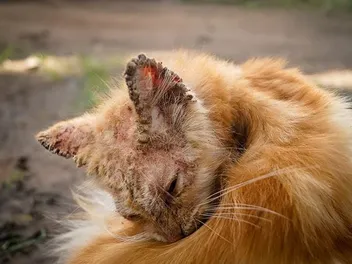
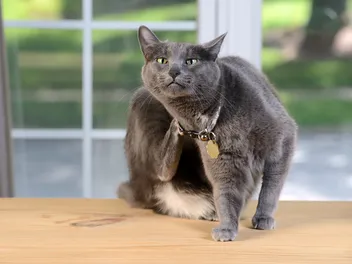
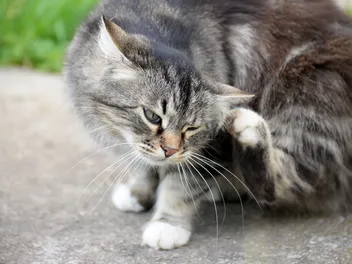
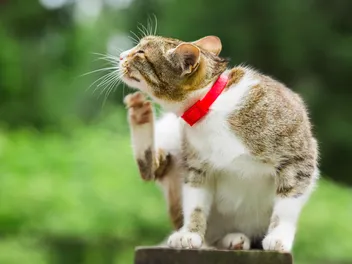
Flea bites irritate cats because they hurt and itch, but scratching can lead to serious infections due to open wounds. Another danger of fleas is that they can carry other diseases that can transfer to the host cat.

The 5 Tips to Help Control Fleas in Feral Cats
Now that you know how dangerous fleas are to cats, let’s consider ways to contribute to the community and help feral cats with fleas. This list will help you get started and hopefully teach you how to assist the numerous feral cats with flea problems.
1. Engage in Trap-Neuter-Return (TNR)
One of the best ways to help feral cats is to engage in TNR, which is a technique for trapping and neutering feral cats and returning them to where they were found. While this technique is highly beneficial to prevent the overpopulation of community cats, you can also use it as a chance to rid those cats of fleas.
This technique will enable you to see if a cat is infested with fleas, which will help you determine which felines need treatment. Also, most cats that are neutered and have adequate shelter and enough food are less likely to have secondary issues from fleas, such as anemia.
2. Put Food & Water Out for Feral Cats
Good nutrition can generally help cats stay strong and boost their immune system. It’s best to give high-quality foods to community cats, but ensure that you provide them in the right amounts to prevent food from lying around. Avoid overfeeding, and don't leave the food out for more than 30 minutes.
Leaving food outside for extended periods can attract wildlife, which can also carry fleas.

3. Use All-Natural Insecticides
Rather than using harsh commercial products, you can use all-natural insecticides to control the fleas in your area. The two most common are detailed below.
Diatomaceous Earth
This is a fine powder made of tiny algae with hard shells called diatoms. The powder kills fleas on contact, so you can sprinkle it around the shelters of feral cats and in areas where they typically like to hang out.
Beneficial Nematodes
These beneficial worms feed on flea larvae but are entirely safe for cats. You can sprinkle the worms on areas where feral cats like to spend time and let them do their thing.
Nematodes reproduce rapidly and can drastically reduce flea populations in feral cats in just a couple of days. For the most successful results, it might be best to use a lawn sprayer to apply the worms while spraying them on shady, moist areas to promote faster reproduction.
Most nematodes die during cold weather, so you should re-apply them every spring, as that’s when fleas are the most active.
4. Use Standard Flea Medicine
Using flea medicine can control fleas in feral cats, but it is one of the most challenging methods. Standard flea medicine for household cats typically requires handling the feline, which may be tricky.
Still, some versions don’t require engaging with the cat too much. Oral flea medicine can be added to the food that you plan on giving to feral cats. Before using medicine to treat fleas in feral cats, speak to your neighbors to ensure no one else is trying to do the same thing. Otherwise, you may risk treating the same community felines repeatedly.
You may be interested in: 4 Best Oral Flea Treatments for Cats – Reviews & Top Picks

5. Bathe Feral Kittens With a Flea-Eliminating Shampoo
If you stumble upon feral kittens with fleas, you can help them by giving them a bath with a flea-eliminating shampoo. Kittens are typically much easier to handle than adult feral cats, and you can safely return them to their original location after bathing them.
When bathing kittens, you should create a soapy ring around their neck and anus to prevent the fleas from escaping into the ears and other areas of their bodies. It’s not ideal to try this with adult feral cats since they are typically afraid of people, and such an interaction may traumatize them.
How Can You Know If a Feral Cat Has Fleas?
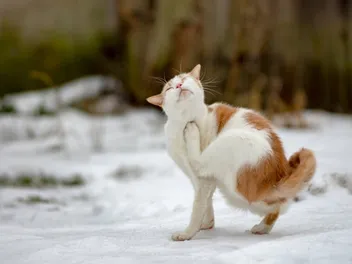
There are various ways to determine whether a feral cat has fleas. To start, observe how they look and act.
Here are common signs of fleas in feral cats:
Can Humans Get Fleas From Feral Cats?
Many people fear helping feral cats with their flea problems will transfer fleas to them. However, the chances of a feral cat transmitting a flea-borne disease to people are relatively low.
Also, most feral cats are afraid of people and mainly try to avoid them, so the chances of human-cat contact are generally low.

Conclusion
There are various ways that we can help control fleas in feral cats, and by doing so, the chances of an infestation decrease and the cats stay healthy. Many people are afraid of feral cats with fleas, but they are entirely safe. However, they need help staying healthy, which is why you should try to help feral cats get rid of fleas and live healthy, normal lives.
Sources
Featured Image Credit: Lubo Ivanko, Shutterstock
Expert cat care, straight to your inbox
News, insights, and useful advice, delivered to you.

No spam — unsubscribe anytime.
By signing up, you agree to our Terms & Conditions and Privacy & Cookies Policy.
How useful was this post?
Click a star to rate. You can leave written feedback afterwards. (We read all feedback.)
I'm a creative, adaptable content writer that covers various topics such as DIY, pets, home improvement, travel, gardening, and more.
As a young mom and a college student, I didn’t have enough time to balance my personal and work life, so after multiple years of working a regular 9 to 5 job, I decided to pursue my passion and make a living out of it. I have been writing for a couple of years now, helping people to find valuable and interesting information online.
I believe that writing is a great way to share your knowledge with the community and express yourself. There's nothing that words cannot accomplish, so I always try to use them in the best possible way.