Mange Spreads Fast in Feral Colonies - Here's How to Stop It

In this article
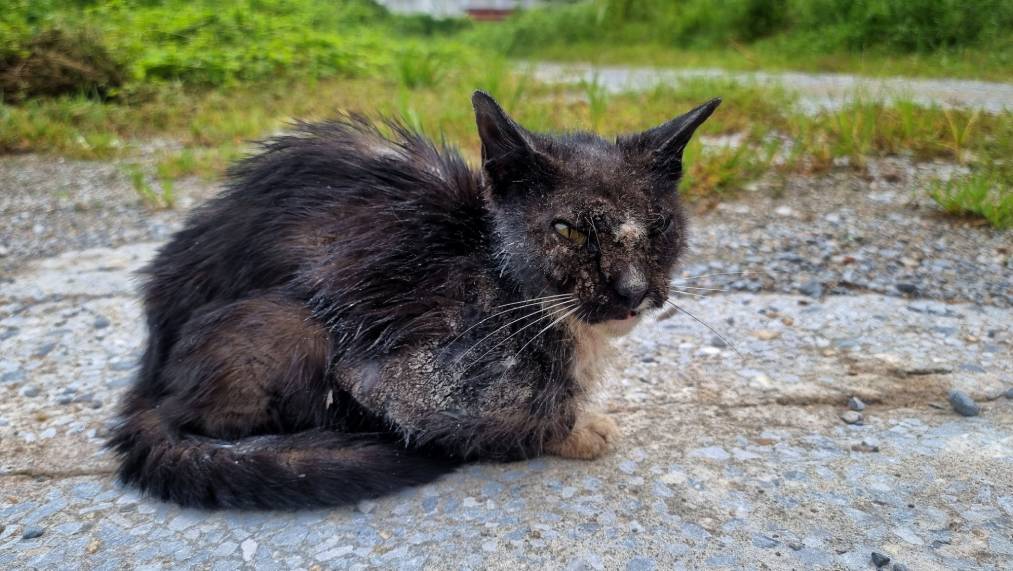
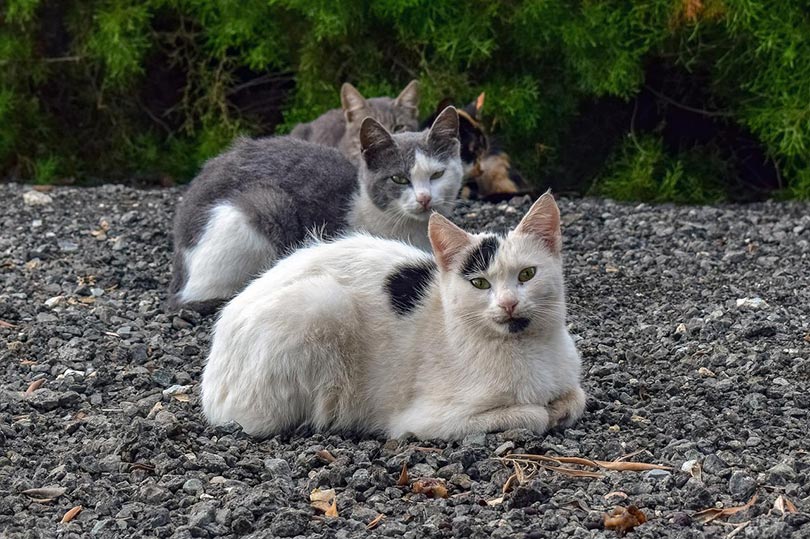
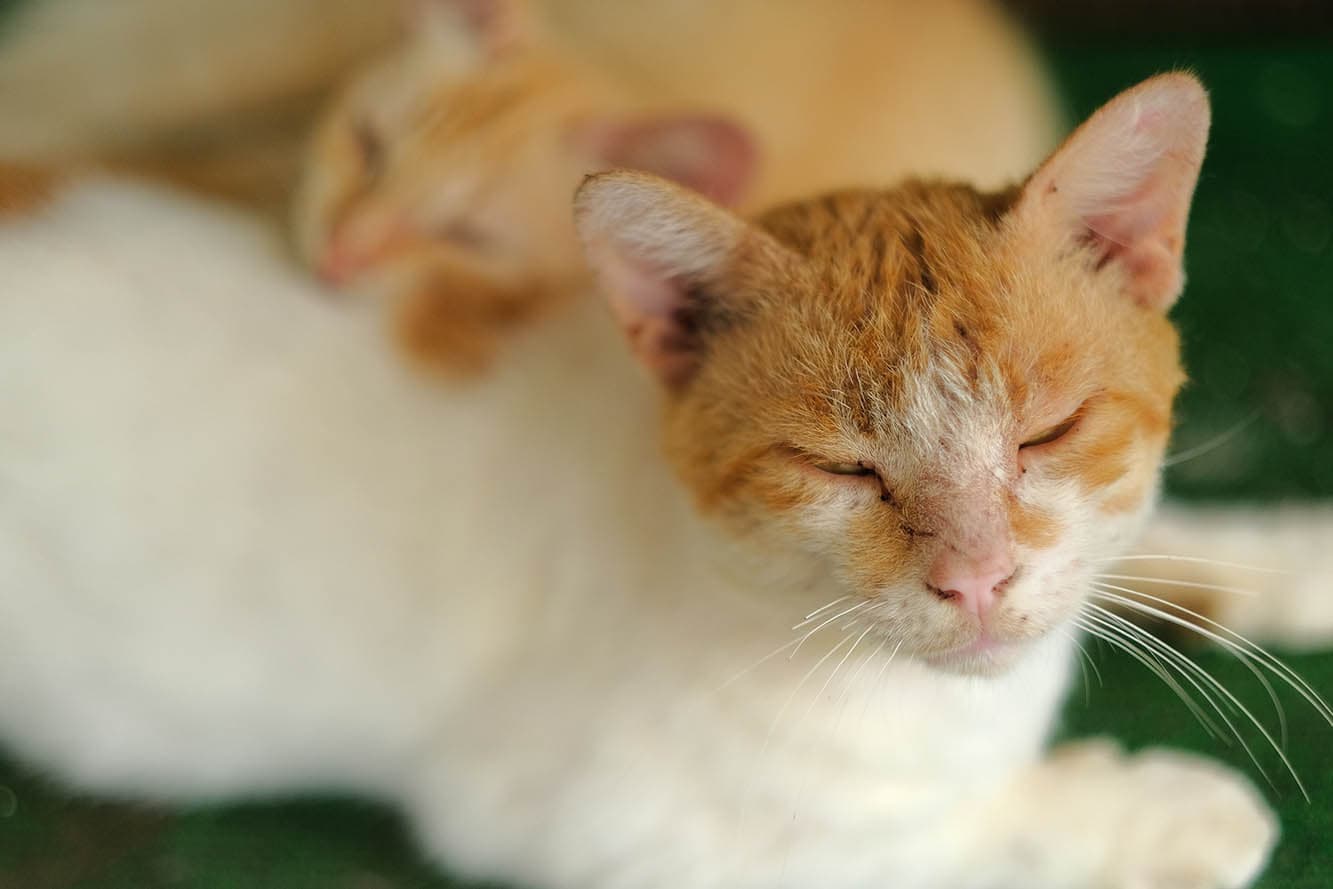
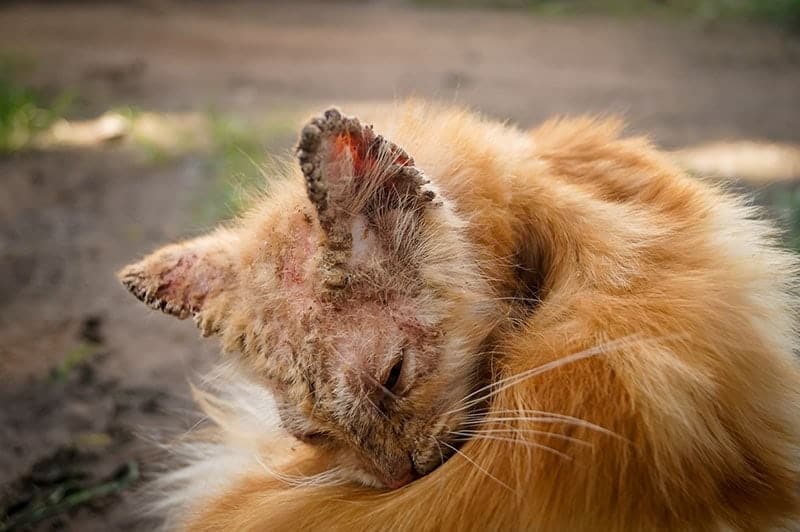
If you care for feral cats, or if you interact with them every so often, you likely already know how tough it can be to keep them healthy. When intense itching, hair loss, and scabby skin enter the picture, things get even more stressful. Mange spreads quickly, makes cats miserable, and is especially common in feral colonies where close contact with wildlife is unavoidable.
Treating mange in friendly house cats is challenging enough. Treating it in cats that can’t be handled? That’s a whole different level. The good news is that with veterinary guidance and a few smart strategies, mange can be managed, even in feral populations. Let’s walk through what mange really is and eight vet-approved tips to help you get it under control.

What Is Mange in Cats?

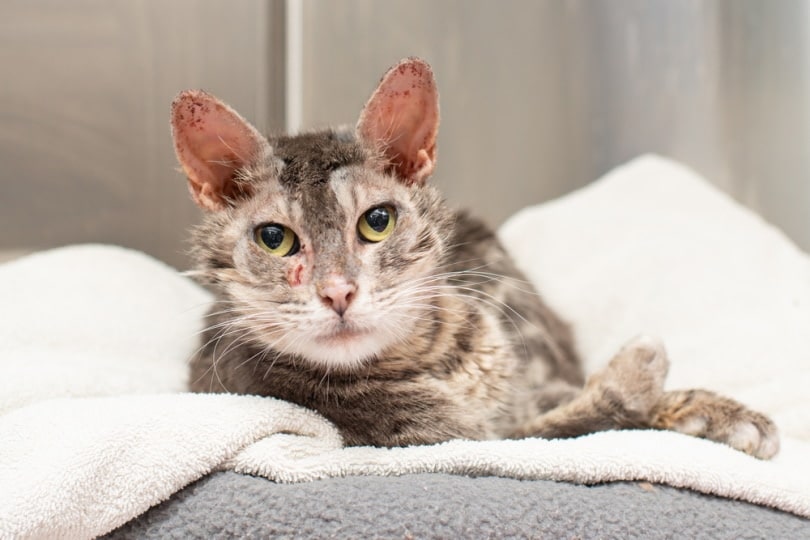
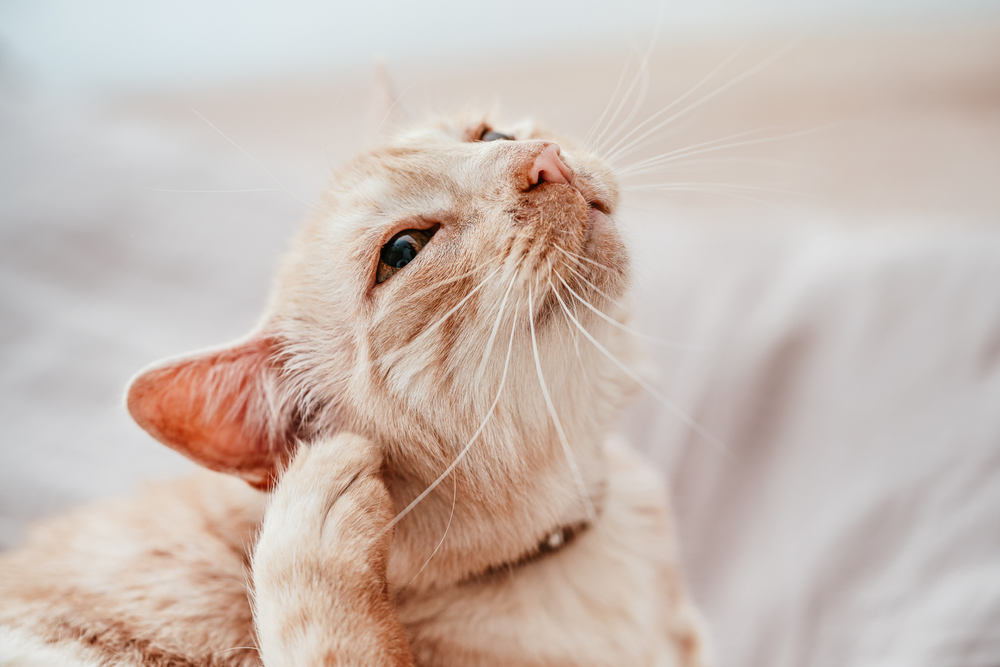
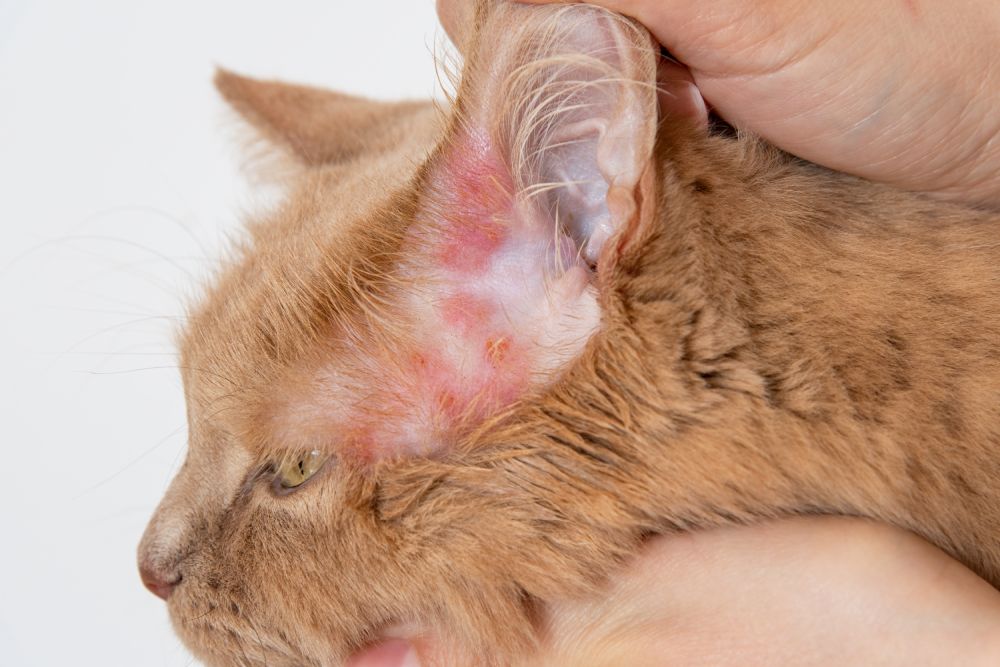
Mange is caused by mites, and it often looks as bad as it feels. Many people picture a severely hairless, scabby cat, but there are actually several different types of mange in cats, and they don’t all look the same. Some are mildly itchy, while others cause intense discomfort.
The most common types of mange in cats include sarcoptic mange (scabies), notoedric mange (feline mange), ear mites, cheyletiellosis (often called walking dandruff), and trombiculosis (chiggers). Each type causes itching and skin changes to varying degrees. Other skin problems like fleas, allergies, bacterial infections, and fungal infections can look very similar, which is why veterinary input is essential.
Why a Vet Diagnosis Matters
Mange cannot be diagnosed based on appearance alone. A veterinarian needs to examine the cat and, if possible, take skin scrapings to look for mites under a microscope. This step is critical because some treatments for allergic skin disease can actually make mange worse.
Prescription-strength medications are required to treat the most serious forms of mange, and vets cannot legally prescribe them without examining the animal. That makes veterinary involvement unavoidable, even when dealing with feral cats.

8 Vet-Approved Tips for Treating Mange in Feral Cats
1. Separate Affected Cats When You Can
Mange spreads rapidly through close contact. If you’re able to isolate cats showing signs of infection, you may be able to limit how many individuals become affected. This isn’t always possible in feral colonies, but even partial separation can help slow the spread.
2. Work With a Veterinarian Early
A vet visit is essential for both diagnosis and treatment. Over-the-counter shampoos, sprays, and home remedies are unlikely to work against feline scabies or ear mites. Mange often comes with secondary bacterial infections, so antibiotics may also be needed in some cases.

3. Treat the Entire Colony If Possible
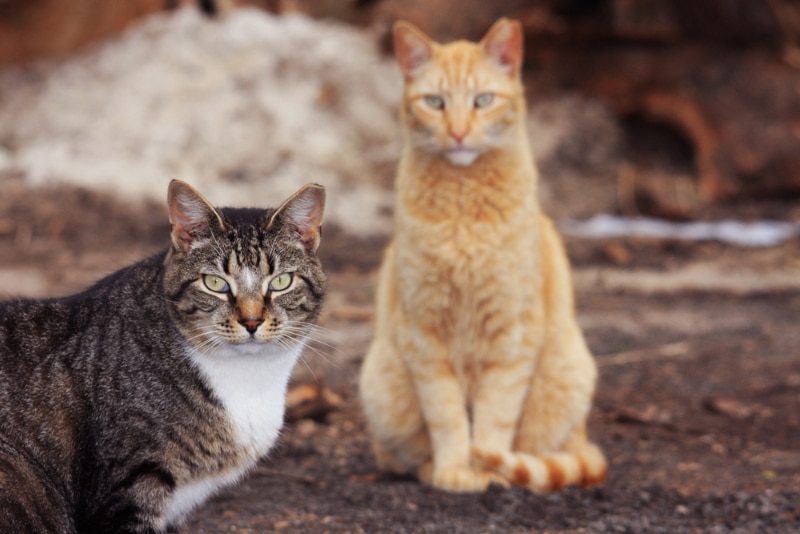
It may feel overwhelming, but treating only a few cats often leads to reinfection. Any cats in the colony should be assumed to be infected or at high risk. Treating the entire group with vet-prescribed topical medications gives you the best chance of breaking the infection cycle.
4. Soothe Inflamed, Painful Skin
Severely itchy and inflamed skin heals more slowly. While sprays like EcoMange won’t eliminate mites, they may help reduce itching and discomfort, which can speed recovery. This is especially helpful when bathing feral cats isn’t an option.
5. Clean or Replace Bedding
If you provide bedding or blankets, wash them on a hot cycle and tumble dry to kill mites. Items in poor condition are best discarded. Mites can’t survive off a host for more than a couple of days, so environmental treatment beyond bedding isn’t necessary.
6. Reduce Contact With Wildlife
Wild animals such as raccoons, foxes, and possums commonly carry mites. While it’s impossible to eliminate wildlife contact entirely, small changes help. Adjust feeding times, remove leftover food, and use fencing where possible to reduce visits from other animals.

7. Stay Consistent With Parasite Prevention
Once mange is under control, ongoing parasite prevention is key. Regular application of topical flea and mite preventatives helps stop future outbreaks before they start. Prevention is far easier than managing another infestation.
8. Support Skin Health With Supplements
Healthy skin and a strong immune system can help cats recover more quickly. Liquid supplements containing fish oil and essential fatty acids can be safely added to communal food bowls. While supplements won’t prevent mange on their own, they can support healing and overall skin health.

Can Humans Catch Mange From Feral Cats?

Some mites that cause mange in cats, particularly notoedric mange and sarcoptic mange, can spread to humans. They can cause intense itching and red, raised spots, but they cannot reproduce on human skin. In most cases, the infestation is self-limiting and resolves once exposure stops.
Humans are unlikely to become infected unless they have close, repeated contact with affected cats. People with allergies, weakened immune systems, or underlying health conditions should seek medical advice promptly if symptoms develop. Pet cats living near feral colonies should be protected with regular parasite prevention.
Wrap-Up: Compassion, Planning, and Persistence Matter
Caring for feral cats is a generous and meaningful commitment, and dealing with mange can feel overwhelming. With veterinary guidance, consistent treatment, and a few practical steps, mange can be controlled and future outbreaks reduced.
Your efforts make a real difference in the comfort and health of these cats. Stay patient, stay informed, and don’t hesitate to lean on your vet for support along the way.
Feature Image Credit: Suharji-Esha_Shutterstock
Did You Know?
- Our brand-new posts are rounded up and included in our weekly emails. Don't miss out on the latest - sign up for our newsletter below!

Expert cat care, straight to your inbox
Vet-reviewed advice, behavior tips, and the best of Catster. Free, and you can unsubscribe anytime.
By signing up, you agree to our Terms & Conditions and Privacy & Cookies Policy.
Dan has been working in the pet world for over 4 years covering cats, dogs, and all other pets in between. He loves helping pet parents keep their companions happy, healthy, and of course, totally spoiled! Originally from London, Dan now travels and works remotely, which unfortunately means no pets at home, but it gives him plenty of opportunities to fuss over other people's furry friends.
Join the conversation
Ask a question, share your story, or send private feedback.