Get

In Your Inbox

Catster is reader-supported. When you buy via links on our site, we may earn an affiliate commission at no cost to you. Learn more.

How to Get a Urine Sample From a Cat: Effective Vet Approved Tips & FAQ

Share

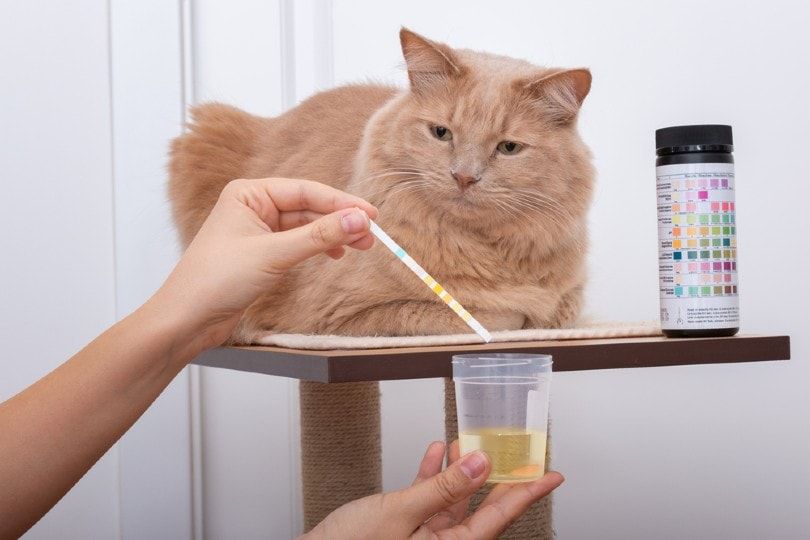
woman collecting urine sample of an orange cat

A urine sample can help a veterinarian check for various conditions in a feline’s urinary tract and kidneys. If your vet has asked you to bring in a sample of urine from your cat, you might be feeling a bit bewildered as to how to actually get one. After all, how likely is your cat to cooperate if you attempt to hold a collection pot under them as they pee?

Although you might be imagining all sorts of bizarre or messy scenarios, obtaining a urine sample from a cat is actually not that difficult. The only potentially frustrating aspect of the procedure is waiting for your cat to actually use the bathroom! Read on for the easiest way to get a urine sample from a cat.

divider cats oct 2024

Before You Start

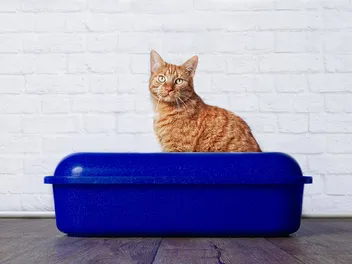
This is a simple procedure, but you do need a few pieces of equipment, and there are vital steps you should take and things to keep in mind. The most important thing is to thoroughly clean your cat’s litter box—this will encourage the cat to use the bathroom and get rid of any dirt or feces that may contaminate the urine.

If your cat does poop before urinating in the litter box you’ve cleaned for the purpose of urine collection, remove it and any surrounding litter to avoid contamination. Try your best to remove any traces of the cleaning products that you used, as these can also affect the sample.

How to Get a Urine Sample From a Cat

Most veterinarians will request a fresh sample. It must be in an appropriate sample pot and collected with a dropper or syringe. If your vet didn’t give you a sample pot, a clean jar can be a substitute, but you should double check with your vet.

What You'll Need
  • A sample pot/glass jam jar
  • A dropper/syringe
  • A clean, dry litterbox
  • Non-absorbent cat litter/shredded magazine paper
  • Gloves
Steps
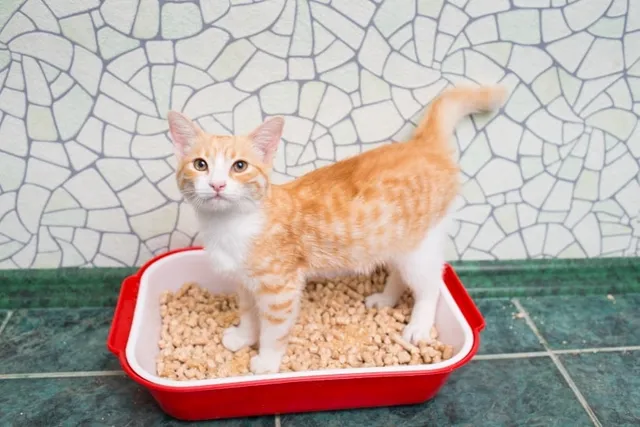
  • After thoroughly cleaning the litter box, fill it with a good helping of non-absorbent litter. You should use non-absorbent litter to avoid the sample getting soaked up before you can collect it. If you don’t have any, you could use shredded paper from an old magazine.
  • Wait for your cat to use the litter box. You may need to wait for a while—unfortunately, there aren’t many ways to encourage a cat to pee if they don’t want to. Just offer clean water or plenty of wet food throughout the day as usual, and wait it out.
  • Once your cat has urinated, put on your gloves, and suck up some of the urine with the dropper.
  • Empty the contents of the dropper into the container. Label the pot with your pet’s name and the time the sample was collected if your vet has provided you with a label to stick on.
  • Take the sample to your vet as soon as possible. If you can’t take the sample immediately, put it in the refrigerator to keep it cool.

divider cats oct 2024

How Much Urine Is Needed for a Sample?

Not much. As a rule, around 1–2 ml should be sufficient, though in some cases, your vet may need a larger sample. This depends on whether the test will be done in-house or needs to be sent to a laboratory.

cat owner collecting urine sample from her pet cat
Image Credit: Yaya Photos, Shutterstock

What If I Can’t Collect a Urine Sample?

If you’re unable to collect the sample for any reason, speak to your vet, and they’ll be able to advise you and help you out. Sometimes, a vet will invite you to leave your cat at the clinic for a day so the staff can collect the sample there. In some cases, vets will extract the sample from the bladder itself rather than doing so externally; this is called cystocentesis.

Why Does My Vet Need a Urine Sample?

Your vet could ask for a cat urine sample for a variety of reasons, including the need to check for:
Conditions vets may be looking for when examining a urine sample include:

divider cats oct 2024

Final Thoughts

Getting a urine sample from a cat is pretty straightforward. Granted, your cat may make you wait a while for that sample, but apart from that, you should be able to collect it without too much stress. As long as you’ve got a spotless litter box, the right kind of litter, and a whole lot of patience, you’ll be just fine!

Remember, don’t worry if you’re having a really hard time collecting a sample—your vet is always there to help.

Related Read:


Featured Image Credit: Yaya Photos, Shutterstock

Want content like this delivered to you?

Sign Up For Our Newsletter

News, insights, expert advice, and everything cat

* By submitting, you agree to our Terms & Conditions and Privacy & Cookies Policy.


How useful was this post?

Click on a star to rate (you can leave written feedback after clicking submit)

Help us improve Catster for pet parents!

Your feedback really matters.

What did you like about this post? Also how can we improve it?

Join the conversation

Leave a Reply

You’re very welcome to leave a comment or question. Please know that all comments must meet our community guidelines, and your email address will NOT be published. Let’s have a positive and constructive conversation.


Catster's Digital Magazine is Back!

Vet-approved health & behavior advice

Real cat stories & community features

Chatting About the Importance of Spaying/Neutering, Cat Retail Shopping Ban & Red-Level Storms | Chatty Cattys, Episode 30

In this episode of Catster’s Chatty Cattys podcast, Nicole and Dr. Karyn are celebrating a major legal win for pets before diving into...

Is Your Cat Happy? Here’s How You Can Tell

Cats have a reputation for being indifferent, even inscrutable. But despite their seemingly ambivalent appearance, cats experience many emotions, including happiness, and they...

Human Brains Age Like Cats – New Study Debunks the 7-Year Rule

If you’ve ever caught your senior cat staring blankly at a wall, wandering the halls at 3 am, calling out for no clear...

Chatting with Devin About Here! Have a Kitten, Fostering, & Why Two Are Better Than One | Chatty Cattys, Episode 29

In this episode of Catster’s Chatty Cattys podcast, Nicole & Dr. Karyn sit down with Devin, the founder and one-woman show behind “Here...

More related

Can Cats Understand Multiple Languages? Dr. Lauren’s Perspective

Happy New Year, everyone! Sorry for the delay on this one – Pancake and I were busy celebrating… Cats have lived with humans...

25 Useful Alternatives for Cat Litter

It may never have occurred to you to use cat litter for anything other than its intended purpose. As it turns out, however,...

It’s Hip to Be Square: A Brief Look at Cats & Boxes of All Kinds

Hi, I’m Dr. Lauren! Read my introduction to learn more about me and my two adventurous cats, Pancake and Tiller. It’s hip to...

Are Marigolds Poisonous to Cats? Vet-Reviewed Houseplants Examined

If you are looking to grow this beautiful plant in your house with your feline companion or your kitty has taken a nibble...

Keep reading

9 Best Hairball Remedies for Cats in 2026 – Reviews & Top Picks

It’s never pleasant when your best feline friend coughs up a hairball. With cats cleaning themselves so often, it’s inevitable for all that fur to cause problems. Hair, or fur in this case, can’t be digested. These nine reviews will...

cat hairball

Can Cats Eat Sour Cream? Vet-Approved Nutritional Facts & Safety Tips

Many people love to use sour cream on their favorite foods, particularly tacos, fajitas, burritos, and chili. Sour cream is dairy, like milk, and milk is commonly given to cats. So, you might surmise that sour cream is a perfectly...

Can Cats Eat Sour Cream

Solensia for Cats: Vet-Reviewed Uses & Effectiveness

According to clinical studies, 40% of all cats show some signs of feline osteoarthritis.1 That number dramatically increases as a cat ages. By the age of 12, over 90% of cats have some sign of feline osteoarthritis. Feline osteoarthritis can...

cat-having-a-vaccine

Ways to Discipline Your Cat: 5 Proven & Effective Methods (Vet-Verified)

Cats can be creative regarding the activities they enjoy, and their human companions don’t appreciate some of them. Cats sometimes scratch furniture to the point of destruction, jump on counters, and launch sneak attacks, which can lead pet parents to...

young man and brown tabby cat smell or looking each other

Are Coffee Plants Toxic to Cats? Vet-Reviewed Houseplants Examined

The coffee tree, Polyscia guilfoylei, is an attractive species that makes an excellent potted indoor plant. Note that it is not related to the coffee plants used for making coffee beans, such as Coffea arabica. It flowers in springtime, with...

Catster_Are Coffee Plants Toxic to Cats

Cat Ear Mites vs Earwax: Vet-Reviewed Ways to Tell the Difference

Earwax is entirely normal. Ear mites, on the other hand—not so much. If your cat has ear mites, they will require veterinary care. While ear mites aren’t often serious, they can cause extreme itching, discomfort, and even skin lesions if...

cat ear mites vs cat earwax featured image

How Do I Give CPR to a Cat? Vet-Verified Step-by-Step Guide

Performing a feline cardiopulmonary resuscitation (CPR) is a procedure every veterinarian and technician master, but likely not every cat companion. CPR is used to maintain blood flow and oxygen delivery throughout the body when a cat’s heart stops beating. It...

performing pulmonary rescucitation with an ambu bag on a cat

Is Freeze Dried Food Good for Cats? Vet-Reviewed Nutrition Facts & Tips

Cats are notoriously fussy eaters, and finding food they won’t turn their noses up at can feel like a never-ending challenge. There are many different types of cat foods, from canned food to kibble to raw diets and everything in...

Is Freeze Dried Food Good for Cats

Love Cats? So Do We! Join the Catster Community

Stay informed with expert pet care insights delivered straight to your inbox! Discover professional guidance on animal behavior, feeding tips, trusted product picks, and much more.


Sign up for the Catster Email Newsletter

Stay informed with expert pet care insights delivered straight to your inbox! Discover professional guidance on animal behavior, feeding tips, trusted product picks, and much more.