How Do Cats Get Under Car Hoods? Vet-Reviewed Guide on What to Do & Prevention Tips


In this article
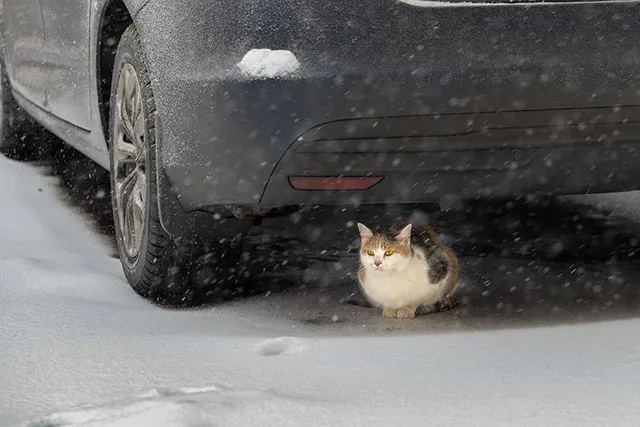
It can be miserable outside in the cold winter months, even for those of us bundled up in thick coats and scarves. For cats that live outside or have no way to get back into a warm home, any space that offers a respite from the biting wind and chill of the cold is taken advantage of. The area under a car's hood is ideal in the eyes of these cats, as they're sheltered and often warm from the recently used engine.
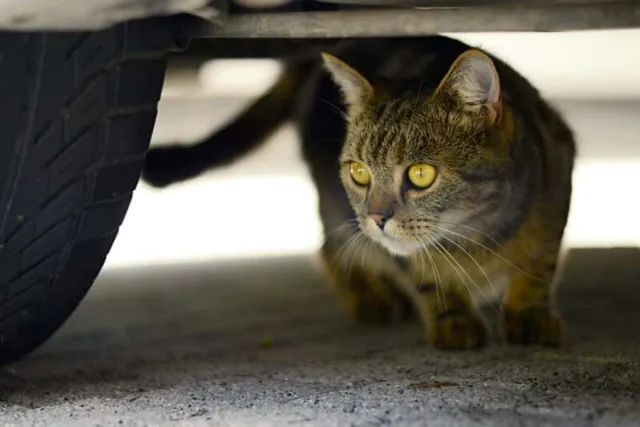
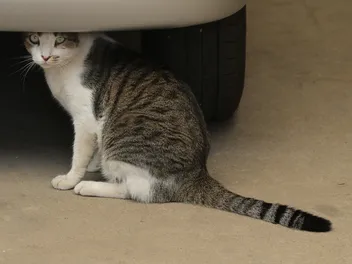
Cats get up into these spaces by climbing onto a car's wheels and shimmying up into the space above them. This then offers them a twisty but relatively clear path up under the hood of most cars, where they can snuggle up against the engine. Cats can be enticed by the warmth of a recently used car or the shelter of an unused one, but many cats (including pet cats that find themselves outside in the wet and cold) will crawl around the engine blocks and flex themselves around parts of any cars they find to get under the hood.

Why Do Cats Go Under the Hoods of Cars?
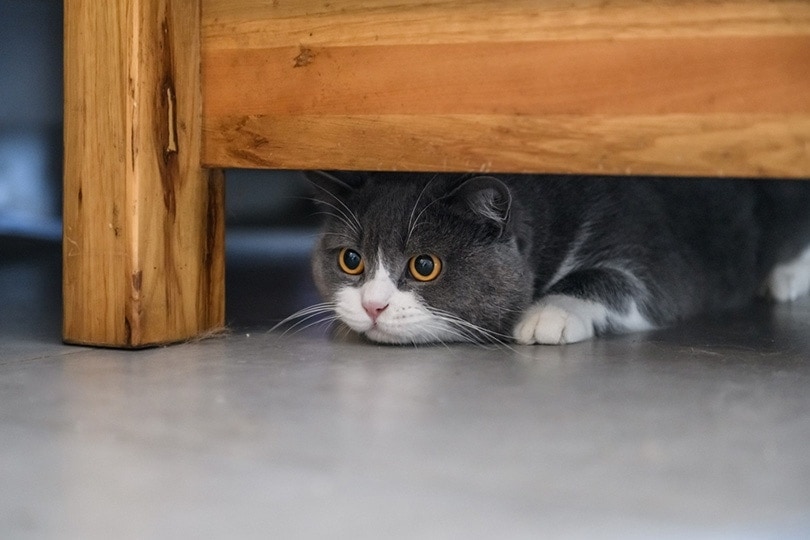
Cats often seek warm, dry, and comfortable places to hunker down in cold weather. Cats will look for warm places to rest, so they don't have to expend more energy than necessary, possibly due to their predatory nature and the need to conserve energy to hunt. A warm car offers shelter, warmth, and an enclosed space that suits their needs perfectly despite being a big inconvenience for us.
Cats like to feel enclosed as they feel safer when covered from all angles. In addition, a cat sleeping or resting out in the open is vulnerable to attack from predators or other cats, so a space that's easily guarded and enclosed on most sides is ideal.
Cats also may have a few other smaller and much more vulnerable reasons to seek shelter when out in the cold. It's not uncommon for a queen (a mother cat) to carry her kittens into the space under the hood of a car, as there are seldom more appropriate places (in a cat's eyes) to keep them safe.
At other times, a cat that’s lost or displaced from their territory, or that is being chased by a larger predator or rival cat, might squeeze themselves into the hood of a car to conceal themselves from danger.

What Happens if a Cat Is Inside the Hood of a Car?
There is rarely a good outcome of a cat being up inside the hood of a car. If the car is not driven, the cat is lucky not to be severely injured or even killed.
If a cat is inside the hood of a car and the car is driven, here are several horrible situations that may arise:
Can Cats Survive Being Under a Car Hood?
It's incredibly dangerous for cats to be under the hood of a car when it's driven, but cats have survived their ordeal. Some cats miraculously come away with only minor or no injuries. One kitten who traveled over 200 miles in the hood of a car survived with no physical injuries but had a traumatic journey that affected her for weeks afterward.

Should I Check My Car for Cats Before I Drive?
Most animal sanctuaries have a "knock then drive" (or a variation of this) motto regarding cats in the hoods of cars. In the colder months, car owners should always check their vehicles before starting them, even if it's only been left for a short while. This is because cats are sneaky and can easily slip up into the hood of your car without you noticing, and it's much more common for this to occur when the weather outside is cold.
There are four ways you should check your car for potential feline stowaways before driving:
What Should I Do if I Find a Cat in the Hood of My Car?
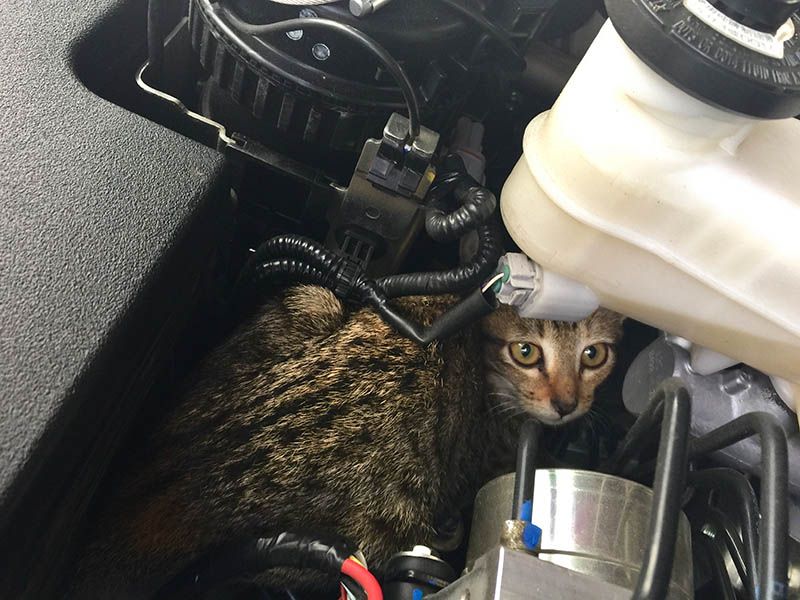
If you open the hood of your car and find a cat staring back at you, you can do a few things to help them. First, if you find them after you've driven, you should get help immediately since the cat will need urgent veterinary attention. Calling the local shelter or rescue, or contacting an emergency veterinarian, is the best course for cats injured or sick from being under a car's hood.
If you find a cat in your hood before you've driven, they will likely try to escape when you open the hood. If the cat is moving, give the feline time to extricate themselves from the machinery safely. You can also knock on the hood or toot the horn (this sounds mean, but it's better than driving with the cat in the car) to hurry them along.
If the cat is startled and not moving or appears stuck, a call to the local animal shelter or rescue is your best chance of getting the cat out safely. You can wear a pair of thick gloves to remove the cat yourself, but we wouldn't recommend this due to the risk of injury to yourself or the cat.

How Do I Stop a Cat From Getting Under the Hood?
The best way to prevent a cat from getting under the hood of your car is to keep your car in a garage or secure place when not in use. A high-quality, complete car cover is also a good idea, but it must be tight to not allow cats to get onto the wheels.
A somewhat controversial but anecdotally effective tip is to use catnip to lure cats away from your cat. However, there are no studies which confirm the effectiveness of this method, and it may invite more cats to your house than you bargained for.

Final Thoughts
Cats getting under the hoods of cars seems impossible, but cats are lithe and flexible. They can squeeze into small spaces to get to warmth and safety, but this also means they can get themselves into trouble. So, by checking the hood of your car before you drive in the winter or poor weather, you can save a cat from a potentially deadly accident.
Sources
Featured Image Credit: lito_lakwatsero, Shutterstock
Expert cat care, straight to your inbox
News, insights, and useful advice, delivered to you.

No spam — unsubscribe anytime.
By signing up, you agree to our Terms & Conditions and Privacy & Cookies Policy.
How useful was this post?
Click a star to rate. You can leave written feedback afterwards. (We read all feedback.)
Beth is a mom to two toddlers: one with four legs, one with two. Beth has years of practical experience as a veterinary care assistant, working in both the operating room and in consult, expanding her knowledge to gain certification in her favorite subject: feline behavior and welfare! When she's not writing about her favorite topics (cats and creature comforts), she's looking after her two-year-old daughter and her mischievous eight-year-old Nebelung, Kiba. When she gets a moment's respite, Beth loves to delve into fiction books. Horror is her favorite genre, with fantasy and rich history being her second go-to's.