10 Surprising Facts About Cat Ears: Vet-Approved Guide



Cats can be funny pets that do things that leave us feeling puzzled or amazed. As more research is being done on cats, experts are finding fascinating discoveries about cat anatomy that help explain their behavior and mannerisms. Cat ears may look fuzzy and cute on the outside, but they’re actually built to help cats do some pretty amazing things.
Cats rely heavily on their ears for daily functioning and use them in ways that humans never could. Here are 10 surprising facts about cat ears that are sure to make you appreciate them even more.

Top 10 Facts About Cat Ears
1. The Ear Is Comprised of Three Parts
Like most mammals, a cat’s ear is made up of three main parts:
- Outer ear
- Middle ear
- Inner ear
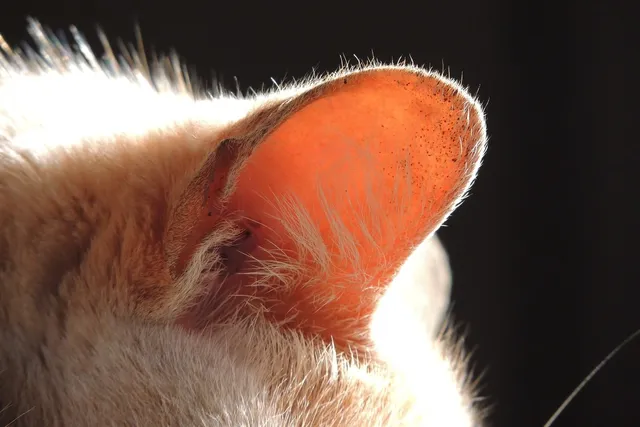
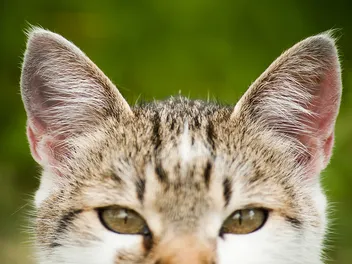
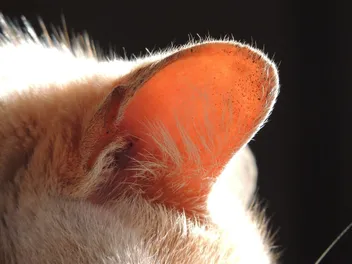
The outer ear includes the ear flap (pinna) and the ear canal. The pinna’s basic structure is a funnel, which helps to trap sounds and direct them into the middle and inner ear. The middle ear includes the ear drum and three small bones behind it. These take vibrations from the eardrum and help them travel to the inner ear. The inner ear is deeper within the skull and contains the cochlea (for hearing) and the vestibular system (for balance).

2. Cats Can Hear Higher Frequencies Than Dogs and Humans
Cats have excellent hearing that surpasses human hearing. They can hear pitches that are around two octaves higher than what humans can hear. Their hearing ability for high frequencies also surpasses dogs, and they can hear pitches that are one octave higher than what dogs can hear. Cats are able to determine what sort of high pitches they hear accurately. This helps them to differentiate between the different types of prey that they're listening for.
While cats are extremely well versed in listening for high frequencies, their ability to hear lower-frequency sounds is similar to humans’ ability. However, since they're much more sensitive to sounds than people are, they can hear lower frequencies that are omitted from further distances.
3. Cats Have 32 Muscles in Their Ears
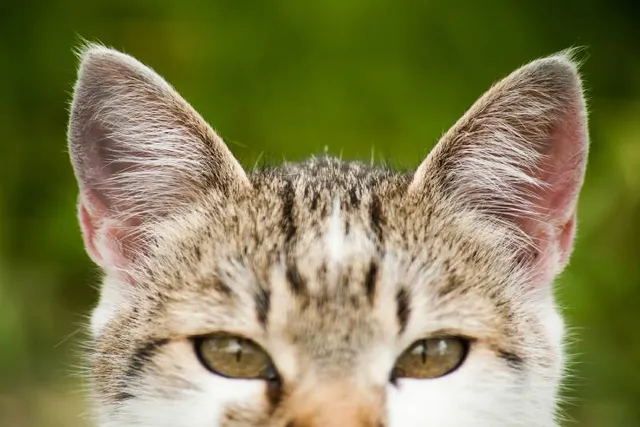
While human beings have six muscles in their ears, cats have 32 ear muscles. Their ear structure allows them to swivel their outer ears around to detect sounds. Cat ears can rotate a full 180° and move independently from each other, making them far superior at detecting different noises and sounds than people.
Along with detecting sounds, cats use their ears to convey certain emotions. You can get a good sense of how your cat is feeling depending on how their ears are positioned on their head.

4. Cats Have Self-Cleaning Ear Canals
Cats generally do a good job of keeping themselves clean and healthy ear canals are self cleaning. This process, called epithelial migration, means that ear wax, small particles, and skin cells are transported up and out of the ear canal.
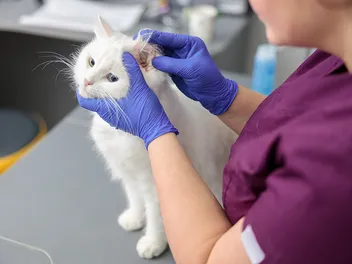
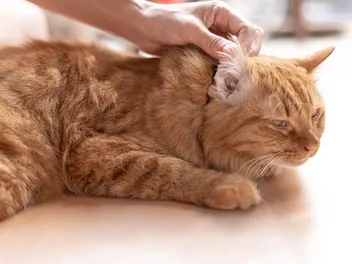
Ears diseases and infections can disrupt this normal self-cleaning mechanism. If you notice a build up of wax or discharge from the ears, contact your vet so they can check for underlying issues before you start cleaning your cat's ears.
5. Cats Have “Henry’s Pockets” in Their Ears
A Henry's pocket, more formally known as the cutaneous marginal pouch, is a skin fold that's located by a cat’s outer ear. It’s a feature not found in humans, but several other animals, including bats, weasels, and some dog breeds, have Henry's pockets.
The function and purpose of Henry's pockets still needs to be discovered. Most scientists theorize that this part is used to protect the ear from common pests and parasites. It’s also believed to help cats detect high-pitch frequencies.

6. Kittens Are Born With Closed Ear Canals
Newborn kittens are pretty defenseless and completely dependent on their mothers. Along with being born blind, they also have closed ear canals. Since they have closed ear canals, sound cannot travel to their eardrum, meaning they're not able to hear until the ear canals open up when they’re around 14 days old. Kittens’ hearing is still limited and will continue to develop as they mature.
While this may seem like a disadvantage for kittens, being born with closed ear canals may function as a safety feature. It’s possible that closed ear canals protect the inner ear as kittens pass through the birth canal.
7. White Cats With Blue Eyes Are at Higher Risk of Deafness
The complexities of genetics are evident when you see cats with certain coat types and eye colors at a higher risk of developing certain health conditions. For example, the combination of white coat color and blue eyes is a risk factor for cats being born deaf.
However, not all cats with white coats and blue eyes will be born with deafness or develop hearing loss later in life. This is because there are several genes that affect these physical features. Approximately 65% to 85% of cats with white coats and blue eyes will be born deaf.

8. Cats Use Their Ears to Communicate
Cats use body language frequently to communicate how they're feeling, and they can use their ears to indicate certain emotions. When a cat is feeling content and relaxed, their ears are usually pointed slightly forward and to the side. Cats that are feeling alert and interested will have their ears upright.
In contrast, when cats are feeling angry or irritated, their ears will usually be pushed back and flattened on their heads. Cats that feel nervous or agitated might twitch their ears or swivel them around to catch any unsettling noises. They can also have their ears in uneven positions if they're listening for something.
9. A Cat’s Ear Temperature Can Indicate Stress
A cat's ear temperature may also indicate if they’re feeling relaxed or stressed. Research has shown that cats’ right ear temperatures may be related to cortisol levels and stress responses. One study observed two groups of 18 cats. Their cortisol levels and ear temperatures were measured after they experienced being transported or exposed to an unfamiliar environment. Cats that felt stress had higher right ear temperatures and higher cortisol levels. Interestingly enough, their left ears remained at normal temperatures.

10. Cats’ Ears May Help Them Land on Their Feet
A cat's inner ear is much more developed than a human's inner ear. Along with helping them to transmit sounds to the brain, the inner ear contains the semicircular canals, which are filled with fluid and are important for maintaining balance. These are highly developed in the cat which helps with both their advanced agility and excellent sense of balance. This is most likely the reason why cats are more able to swivel and land on their feet if they fall from a higher vantage point.
Conclusion
A cat’s ears aren’t just meant for pets and scratches; they’re high-functioning body parts that allow cats to do some pretty extraordinary things, like landing on their feet. Now that we know a little more about what a cat’s ears can do, we can appreciate them more. So, make sure to give your cat a couple of extra ear scratches today because of all the amazing things they can do.
Related Reads:
Featured Image Credit: Ekaterina34, Shutterstock
Expert cat care, straight to your inbox
News, insights, and useful advice, delivered to you.

No spam — unsubscribe anytime.
By signing up, you agree to our Terms & Conditions and Privacy & Cookies Policy.
How useful was this post?
Click a star to rate. You can leave written feedback afterwards. (We read all feedback.)
Jessica is a freelance writer who spends most of her day researching and writing while her fluffy Cavapoo, Nora, naps beside her. She loves and appreciates pets and animals because there’s so much to learn from them, and they do so much for people. As a dog owner, she understands the special connection that pet owners form with their pets. She loves sharing helpful information that people can use to better understand their pets. When she’s not writing, you can find her walking dogs, tending to her plant babies, or drinking her nth cup of coffee.