Does Catnip Help Cats With Pain? Our Vet Answers & Explains

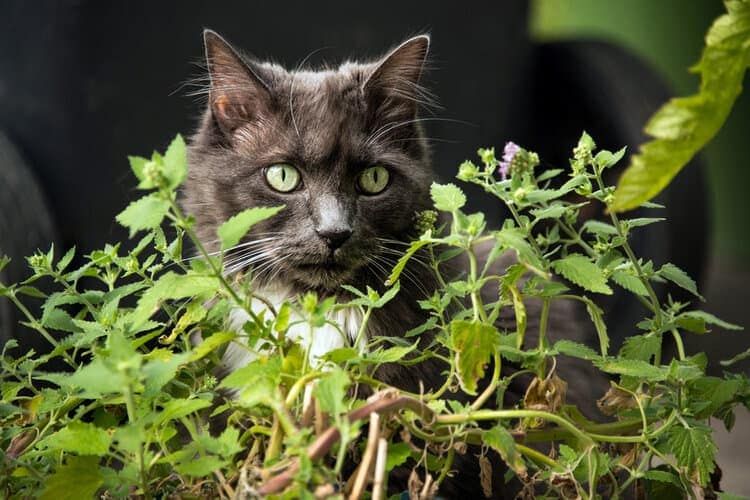
No cat owner likes to see their cat in pain, and they will often go to great lengths to keep them healthy and safe. As much as a cat owner may try, though, a cat can develop an illness or suffer some type of injury, resulting in pain.
Catnip is perhaps best known for causing many cats to experience a temporary period of what humans would describe as euphoria or a high. But does catnip help cats with pain? Cats that respond positively to catnip may experience temporary (around 10 minutes) reprieve from pain. However, catnip doesn’t cure pain, nor is it prescribed for pain relief by veterinarians.
In this article, we explore catnip and its medicinal purposes (if any) for our feline friends, so you can be armed with the necessary information. Read on to learn more about catnip and how it eases pain for cats.

Does Catnip Help Cats With Pain?
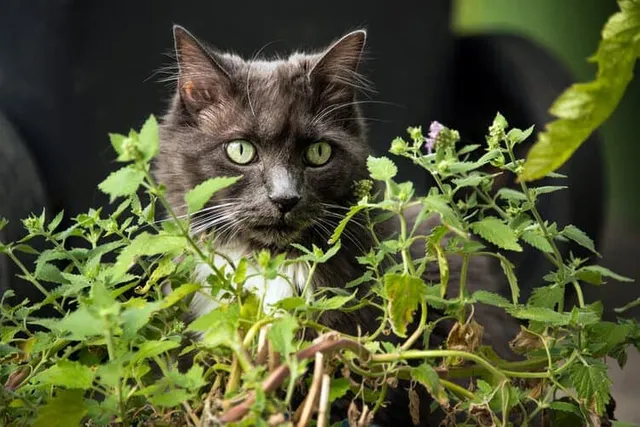
Catnip (Nepeta cataria) is part of the mint family and is native to southern and eastern Europe, the Middle East, Central Asia, and parts of China. It is also grown in many parts of the world that it isn’t native to, such as New Zealand.
It contains nepetalactone1, a chemical that attracts cats. However, although most of the plant has nepetalactone, the active constituent (which cats react to) is nepetalic acid, a metabolic product of nepetalactone. Cats may respond to the acid in air concentrations of around 1:10.
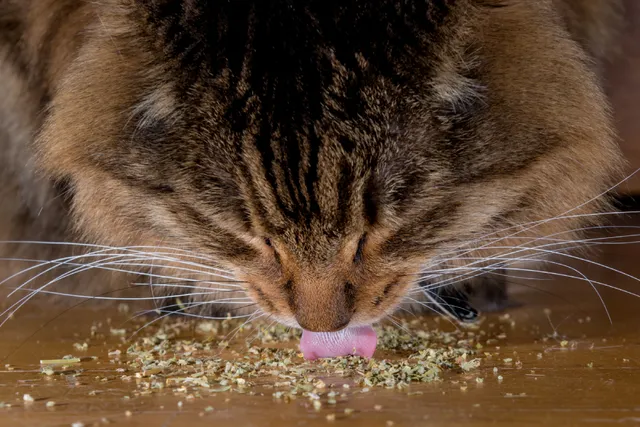
This is what causes cats to display signs of euphoria in response to catnip, including sniffing, licking, chewing, and sometimes head shaking. These usually culminate with chin and cheek rubbing and then head-over rolls and body rubbing. Such responses can also be accompanied by vocalizations. The signs typically mimic those of a female cat in heat.
On average, roughly 60–70% of cats go wild for catnip, but not all cats love this perennial plant. In fact, a cat needs the hereditary gene for catnip to have an effect, and around 30% of cats lack this gene.
The reaction is different in every cat, with some zoning out, meowing, growling, taking a relaxing nap, or even drooling. Catnip can also spark a hallucination effect, and your cat may bat at something in the air that’s invisible to you.
When a cat inhales catnip and responds favorably to it, the “feel good” high lasts approximately 10 minutes. During this period, they may find temporary relief from certain forms of pain.
However, do note that catnip isn’t recognized as a form of pain relief for cats, and it isn’t considered a standard pain-relieving medication2. Furthermore, its usage for pain relief is controversial, as a cat that gets an episode of “zoomies” while under its effect may end up injuring themselves even more.

A drawback to using catnip for pain for your cat is how often you should give it to your cat. Current recommendations suggest giving catnip once every 2–3 weeks. Giving more can reduce the plant’s effect on your cat.
Consulting with your veterinarian is best if your cat has pain, as your vet can put your pet on a pain management plan. Catnip is not a replacement for pain relief medication or pain management.
Can Kittens Have Catnip for Pain?
No. First, catnip does not cure pain, so if a kitten is ever in pain, they require veterinary care. Second, kittens under 3 months of age do not seem to display a behavioral response to catnip.
Does Catnip Have to Be Ingested to Work for Pain in Cats?
No. For cats that respond to catnip, it can have an effect on their behavior simply by them inhaling the nepetalic acid from the plant. According to the Humane Society, the intense effects of catnip are when it’s inhaled. The plant itself is considered toxic for cats when ingested, as it can lead to vomiting and diarrhea.
How Do I Give My Cat Catnip?
There are plenty of methods you can use to give your cat catnip (assuming that they respond favorably to it). Catnip-infused toys are an excellent way, or you can keep a potted plant of the stuff around to have on hand. Most pet stores have catnip already potted in a planter, or you can buy it at a nursery from the herb section. You can also sprinkle dried catnip leaves on areas your cat frequents.
Ensure that you don’t give your cat too much to ingest, as that could cause an upset tummy for your kitty; as previously mentioned, it is considered toxic when ingested.

Tips for Keeping Your Cat Healthy and Safe
Cats are experts at disguising pain because they have an instinctive defense mechanism to hide pain or signs of weakness. If you suspect that your cat is in pain, a trip to the vet is warranted. Ways to tell that your cat may be in pain include if they no longer jump up or down on objects, have less energy, have a decreased appetite, cannot get comfortable while lying down, or become withdrawn.
Final Thoughts
Catnip is perfectly safe for kittens above 3 months of age to inhale. It may even provide a temporary reprieve from pain for cats that respond favorably to it for a period of about 10 minutes or so.
However, catnip is by no means a cure for pain, nor does it heal any underlying issues that cause pain. It is also not considered safe for ingestion. Therefore, if your cat is in pain, your first point of contact should be your vet.
Sources
Featured Image Credit: Georgia Evans, Shutterstock
Expert cat care, straight to your inbox
News, insights, and useful advice, delivered to you.

No spam — unsubscribe anytime.
By signing up, you agree to our Terms & Conditions and Privacy & Cookies Policy.
How useful was this post?
Click a star to rate. You can leave written feedback afterwards. (We read all feedback.)
Dr. Luqman Javed DVM (Veterinarian)
Dr. Luqman (also known as Dr. Lucky) grew up with an immense passion for animals of all kinds. By becoming a veterinarian, he turned his childhood dream into reality. Now, his goals are focused on providing help to cats all around the world by helping to cat owners understand their feline friends better to ensure the best quality of life for them. His passions are wildlife, exotic pets, pet owner education, and animal welfare. He graduated with his DVM from the Universiti Putra Malaysia in 2020. He has worked with a variety of animal species and has decades of personal experience with keeping many different types of exotic pets, such as turtles, hamsters, freshwater fish, chickens, songbirds, and parrots (and he has extensive skills in training parrots, too).