


In this article
All cats will inevitably scratch, including the British Shorthair. Scratching is instinctual for cats. They must do it to communicate with other cats and keep their nails worn down to a safe level. Otherwise, their nails may overgrow and prevent them from walking properly. Therefore, all cats will scratch—no matter their breed.
With that said, providing a scratching post does help to some extent. If you provide your cat with a safe place to scratch and teach them to do it, you can save your furniture. This requires some upfront training and cost, though. Scratching posts aren’t expensive, but you may need a few spread throughout your house to be effective.
British Shorthairs don’t have differing scratching needs from your average cat, and they scratch about the same amount as any other cat. They don’t destroy furniture particularly badly, but they absolutely can if no scratching posts are provided.

Are British Shorthairs Destructive?
British Shorthairs aren’t particularly destructive. They tend to be more laid back than other felines. They spend a lot of their time sleeping and not so much playing around. However, they will have their mad moments and run and play, as well as scratch, so they may destroy furniture or other belongings if you don’t provide them with the right outlets for these needs.
Furthermore, different cats have different temperaments, and some British Shorthairs may be more destructive than others. Kittens are more active than other cats, so it isn’t odd for many kittens to be more destructive. However, they are also relatively small, so the amount of destruction they can accomplish is minimal.
Like any cat, you must provide plenty of toys and scratching posts to prevent your British Shorthair from being destructive. Play with your feline and train them to scratch the correct locations. While it may be a bit of work up front, it is vital to save your furniture.
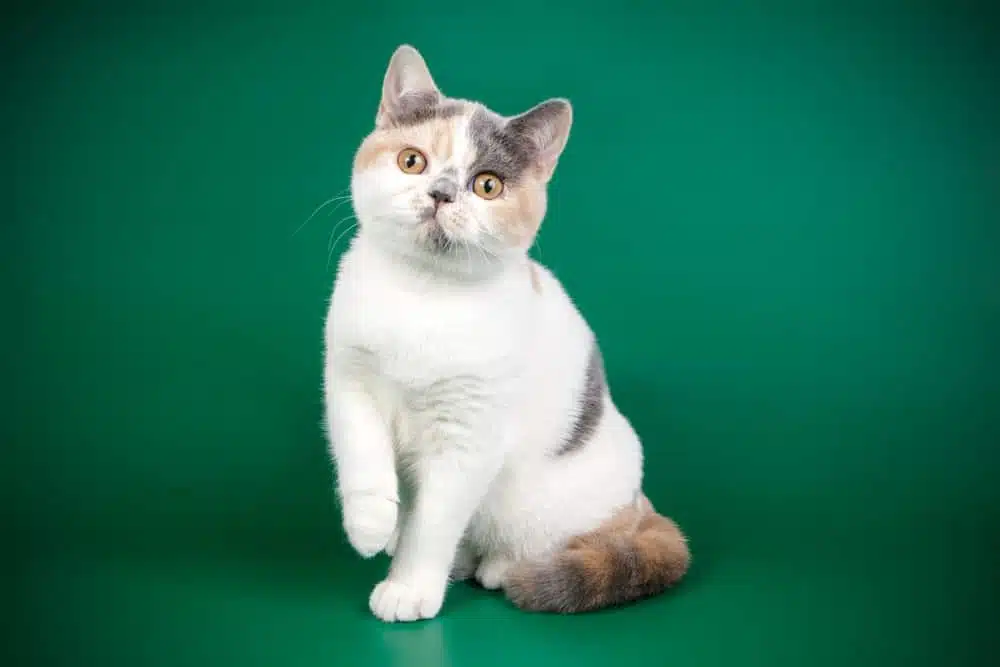
Why Do British Shorthairs Scratch?
If you have a British Shorthair, you’ll probably notice some scratching. As we’ve said, these cats scratch about an average amount. It’s important to note that scratching is something cats must do. Here are some reasons why they must scratch:
- Marking their territory. Like many animals, cats are territorial by nature. They mark their territory to let other animals know where their boundaries are. Fortunately, cats have several ways to mark their territory that don’t involve urine, such as using the scent glands located between their toes. When they rub these glands against objects, they release pheromones that humans can’t detect, but other cats can easily pick up on.
- Cats need to stretch, especially after a long nap. Scratching in a raised position is one of the best ways for felines to stretch and work out some of the kinks in their back. Remember, felines tend to be more flexible than humans, but they must still promote this flexibility by stretching.
- Remove dead layers from their claws. As a cat uses their claw, the outside layers will slowly die. These stay on the claw until knocked off. However, if they stay on too long, they can harm the cat’s claws by preventing new growth. Your feline may scratch to remove this dead layer, and you may find tiny claw-looking things around the cat’s scratching post. However, if you look closely, they may be hollow—a sign that it’s just the dead outer layer.
- It’s instinctual. Cats will scratch because their instincts tell them to. Scratching helps cats wear down their claws, which is vital for their health. However, cats probably don’t do this consciously. Instead, cats likely have instincts that tell them to scratch, which also helps them fulfill all the reasons above.

Can You Train a British Shorthair Not to Scratch Furniture?
Cats can’t be trained not to scratch — scratching is a completely natural behavior. However, you can redirect their scratching toward appropriate surfaces and protect your furniture in the process. The first step is to provide plenty of suitable scratching options. Invest in sturdy scratching posts or pads made of materials your cat enjoys, such as sisal or cardboard. If you have more than one cat or a larger home, place multiple scratching surfaces in different rooms. Cat trees and condos also work well, as they combine scratching, climbing, and resting areas.
To discourage your cat from scratching furniture, you can temporarily cover their favorite spots with materials they dislike, such as aluminum foil, double-sided tape, or sandpaper. This makes those areas less appealing until your cat’s new scratching spots become routine.
Whenever you catch your cat scratching where they shouldn’t, gently redirect them to the scratching post. Reward and praise them when they use it correctly. You can also make the scratching post more enticing by sprinkling catnip on it or placing some of your cat’s favorite toys nearby.
One of our preferred scratchers, the Hepper Hi-Lo Modern Cat Scratcher, is a surefire way to keep your kitty out of trouble (or at least away from scratching the things they should not!). It's not only stylish, but it's functional as well. It's made of sturdy cardboard with a durable plywood and metal frame and can be set up in three different ways – high, low, or lower. The different positions encourage maximum engagement, exercise and stretching, and of course, intense scratching (they can throw their whole body into it).

- Premium Materials - Hepper's cardboard scratcher is made with dense, B-flute cardboard, and a metal...
- High, Low and Lower - A single cat scratch pad won't keep your cat engaged. 3 unique positions keeps...
- Activates Muscles - The Hi Lo isn't just a cat nail file to stop the chief cat couch scratcher. The...
With the Hepper Hi-Lo, your cat gets to have a blast scratching like a maniac, and you don't have to worry about them causing so much chaos or scratching your stuff. There are even replacement cardboard pieces available, so you really can let your cat go to town on this, and know that it will be long lasting. Click here to learn more about this awesome scratcher.
At Catster, we’ve admired Hepper for many years, and decided to take a controlling ownership interest, so that we could benefit from the outstanding designs of this cool cat company!

Conclusion
British Shorthairs will scratch just like any other feline. This trait doesn’t belong to just a few different breeds; all cats will scratch on furniture and other items to some extent. Scratching is instinctual and important in keeping a cat’s claws healthy. Without regular scratching, a cat may develop too-long claws, or dead claw layers may stick around for longer than needed.
You can’t expect a cat to never scratch. However, you can provide your feline with safe places to scratch to save your furniture and carpets. Redirection and lots of praise are often enough to accomplish this. Feel free to use catnip on the scratching post, too, as this plant can make the scratching post much more welcoming for many felines.
Featured Image Credit: FotoMirta, Shutterstock







