Cat Deterrent Plants: 10 Vet-Approved Herbs (With Pictures)


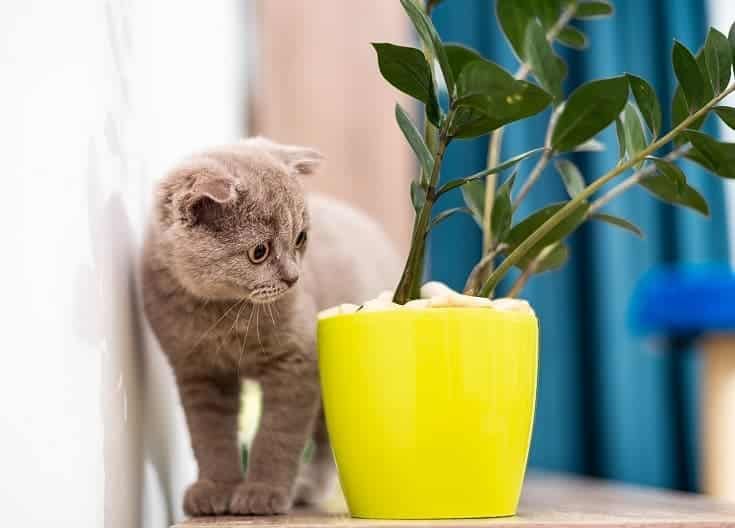
Cats are adorable, but not everyone likes their presence. The curious creatures love sneaking into places they shouldn’t, creating problems wherever they go. That also includes your garden, and felines can easily nibble or dig up your favorite plants within a second! You can include cat-deterrent plants in your outdoor garden if you want to keep cats away from your house. Of course, you can also install cat-proof fences, but many cats leap over them. However, they can’t dodge the strong repelling odors of some plants.
Plants that repel cats include rosemary, lavender, common rue, lemon thyme, and oregano. Plant these herbs at the entry points or around the garden so that cats stay at a considerable distance. Many of these plants also have beautiful flowers, making your gardening area look attractive while repelling cats. Check out these 10 plants that repel cats, insects, and other animals.

The 10 Plants That Are Good for Deterring Cats
1. Rosemary
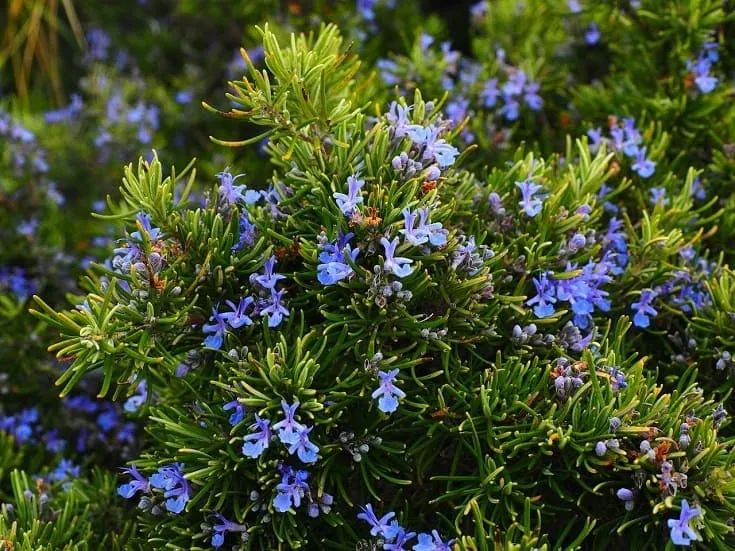
| Scientific Name | Salvia rosmarinus |
| Native to | Mediterranean |
| Appearance | Dark, needle-shaped green leaves |
Rosemary is a gorgeous plant packed with several benefits for humanity. It is a drought-tolerant plant that grows as an ornamental bush. Its dark, leathery leaves are needle-shaped, like those of a hemlock conifer, standing in a trailing or upright form. Cats despise the scent and texture of rosemary, which is due to the numerous essential oils present in its leaves.
A rosemary plant grown to 1 to 1.5 meters gives off a cat-repelling fragrance. You won’t be able to detect it, but felines can smell it from a great distance. Remember, rosemary is a non-toxic herb, so it won’t be lethal for cats even if they consume it, but that’s a rare scenario since cats don’t prefer getting close to this plant.
Place your rosemary plant in an area where cats usually dig. It should also provide sufficient sunlight for the plant to grow.
2. Common Rue
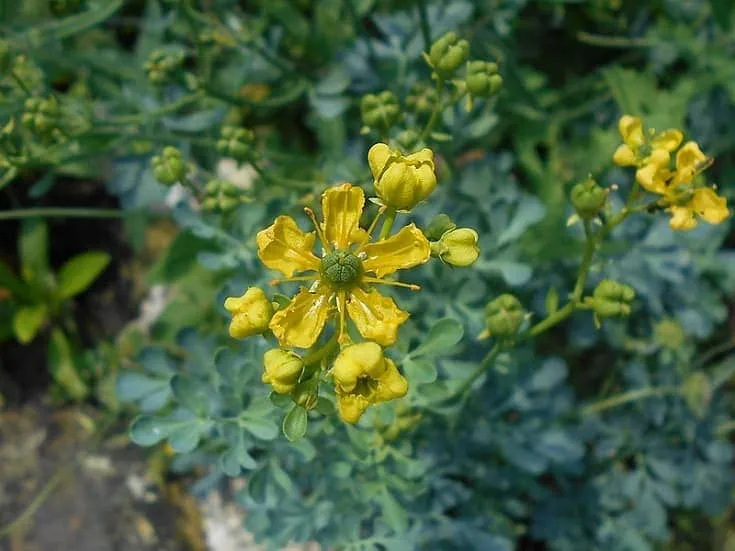
| Scientific Name | Ruta graveolens |
| Native to | Balkans |
| Appearance | Green ornamental leaves |
Common rue is another herb with a strong scent and acrid taste. The plant’s bitter taste and smell encourage cats to stay away. Besides felines, common rue can also deter insects. When growing this plant in your garden, avoid doing it within the garden beds, as its scent may not reach the cats. Instead, plant it in the center or along the front of other herbs and flowering plants.
Rue grows quickly, so it will be only a matter of time before the plant expands to 3 feet. That’s more than enough to warn cats from coming close to your home and garden. Always cultivate common rue in partial to full shade and well-draining soil. Be mindful that rue can be poisonous to cats.
3. Lemon Thyme

| Scientific Name | Thymus citriodorus |
| Native to | Southern Europe |
| Appearance | Green shrub-like plant |
Lemon thyme makes an excellent landscaping plant in gardens of all sizes. They grow as creeping perennials, expanding their shoots quickly to dense, textural mats. Their shoots can grow up to 12 inches tall with a width of three times their height.
If you have used lemon thyme essential oil, you’d know its smell is like a citrus plant. Felines hate everything that smells like citrus, so they naturally avoid lemon thyme. Thus, growing it in your garden is an excellent way of protecting your precious plants from cats. Nonetheless, it can be poisonous to cats if accidentally ingested.
Lemon thyme comes in different variations with distinct colors and stronger scents. Some plants have nectar-rich flowers that attract beneficial insects to your garden. It is also a low-maintenance plant, making it a great species to grow in general.
4. Lavender

| Scientific Name | Lavandula spp. |
| Native to | Europe, Africa, and Asia |
| Appearance | Purple leaves with blooms |
Some humans love everything made of lavender, but that’s not the case with cats. They hate the plant's pungent smell of essential oils, including camphor and linalool. So, they stay at a bay wherever the lavender plants exist. If a cat is exposed to lavender-scented products, they can become distressed. That’s why experts ask pet owners to refrain from using such products in their homes.
However, since you want to keep these felines away from your home, you can plant as many lavender species in your garden as possible. Lavender shrubs will repel cats and keep devastating pests away from your beautiful garden. The best spot to grow lavender shrubs is around the flower beds.
For taller variations, plant them near the borders to prevent potential intruders. That way, any cat trying to cross your home or garden’s fence will interact with the lavender bushes and quickly abort their destructive plan. Lavender is also toxic to cats.
5. Oregano

| Scientific Name | Origanum vulgare |
| Native to | Mediterranean |
| Appearance | Ornamental, olive-green leaves |
Oregano is a mint-like plant used in cooking due to its amazing smell. Its leaves have a spicy or bitter smell and taste, adding distinct flavors to foods. While humans love oregano, most animals, including cats, hate it.
Besides enhancing flavors, oregano makes your garden look beautiful since it’s an ornamental plant. The best place to grow it is around the flower beds. It keeps the cats, wild animals, and pests away from your beautiful garden. Oregano leaves are toxic to cats, and they are associated with gastrointestinal issues 1.
When growing oregano in your garden, find the areas that receive direct sunlight. Oregano needs it to expand its leaves completely. Remember, it is a warm-weather plant that thrives in well-draining soil.
6. Geraniums

| Scientific Name | Pelargonium spp. |
| Native to | Southern Africa |
| Appearance | Bi-colored florals with green leaves |
Geraniums are widely known pest repellents used as active ingredients in many commercial products. The plant’s leaves contain many strong, highly concentrated essential oils that deter fleas, cats, insects, and other grazers. It is another excellent option for your garden.
While geraniums’ leaves are beautiful, they are toxic to dogs, cats, and horses. If these animals consume the plant, they can suffer from skin disorders, vomiting, depression, and anorexia.
Since this plant is toxic, ensure to grow it where your children and pets can’t reach it. Other than that, it’s completely fine to grow geraniums as environment-friendly repellents for curious cats.
7. Scaredy Cat Plant

| Scientific Name | Coleus caninus |
| Native to | Eastern Africa and South Asia |
| Appearance | Green or gray-green leaves with scallop edges |
Evident from its name, the scaredy cat plant deters cats and any animal that tries to destroy your garden. This plant produces a disgusting skunk-like odor, which becomes even stronger when someone touches its leaves and flowers. However, gardeners consider it not-so-reliable for deterring cats. Nonetheless, it is toxic to cats.
But if you still want to add this plant to your anti-cat plan, you can get similar species and grow them side by side.
The best part is that the scaredy cat plant requires minimal maintenance, but you must place it under full sun with well-draining soil. Under ideal conditions, the plant expands quickly with regular and proper pruning. However, cutting its strand can release a distinct stench.
8. Pennyroyal
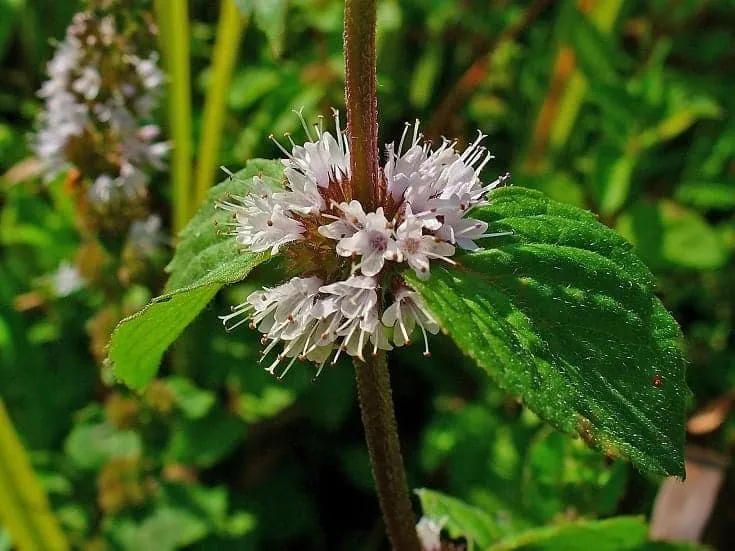
| Scientific Name | Mentha pulegium |
| Native to | Europe, the Middle East, and Africa |
| Appearance | Oval, toothed leaves |
Pennyroyal is a herb that’s been used for centuries in folk medicine and certain cuisines. It has a distinct minty smell, which becomes even stronger when you rub or crush its leaves. You can identify this plant by its toothed leaves in opposing pairs across the stems.
Pennyroyal contains essential oils that cats and insects dislike. In fact, the essential oil is considered toxic when consumed in large doses. That’s due to a lethal phytochemical called pulegone, which is a common ingredient in pesticides. Besides pests, pulegone repels many wild animals. The chemical is also responsible for multiorgan damage in experimental animals.
It is believed that the pennyroyal smell also keeps cats away from your home. After cultivating it in your garden, keep cutting the plant’s leaves regularly to help them release their scent.
Pennyroyal’s survival is highly dependent on the weather conditions. Some plants can thrive throughout the year, while others may die in summer or winter.
9. Curry Herb Plant

| Scientific Name | Helichrysum italicum |
| Native to | Mediterranean |
| Appearance | Grayish-green leaves like lavender plants |
You guessed it right: The curry herb plant smells like the curry powder used to make Indian curries, but it is not a part of the curry tree Murraya koenigii. The plant has a unique fragrance with distinctive grayish-green leaves similar to lavender.
For centuries, the curry herb plant has been used to add flavors to local dishes. Its essential oil contains medicinal benefits for humans while preventing cats and other predators from digging up the garden. People also use the oil to protect themselves from pests, insects, and grazers when going out in the wild.
The curry herb plants are primarily found in rocky and dry areas with sandy soil. Their stems turn woody over time. The plant grows as a shrub, so you can grow it in your garden to add a bushy texture. Its grown strands effectively repel cats and other wandering animals.
10. Thorny Plants

| Scientific Name | Various species |
| Native to | Across the world |
| Appearance | Leaves with thorns |
Thorny plants are used around the borders and natural fences for security reasons. They prevent not only wild animals but also humans from crossing private property. Thus, growing these plants around your garden will keep cats from coming close. Even if cats try to crawl or make their way through the plants, they may scratch or irritate their skin. It will force them to think twice before making any such attempt.
You can get a prickly pear cactus for your home or garden, which will discourage animals from trespassing on your property and make your space attractive. However, the plant requires dry and sandy soil to grow and thrive.
If you live in a cooler climate, you can select a species that tolerates the conditions. For example, berry bushes with thorns are ideal for colder zones. You can also use hawthorn, pyracantha, Berberis species, or those prickly leaves, such as holly.
Besides repelling cats and wild animals, these thorny plants will add color to your garden. Just make sure to cultivate them around your garden’s fences to ward off intruders. However, if you don’t want to work with these plants due to thorns, you can start growing shrubs with sharp-edged, toothed leaves. They work the same as thorns!
Conclusion
Cats are among the most adorable, curious, and naughty creatures. While domestic felines are well-behaved, the wild ones can become a nuisance to your garden and property. They love digging up soil and nibbling plants, leading to severe damage to your beautiful garden.
The best way to prevent cats from destroying your hard work is to grow deterrent plants around your garden. These include rosemary, lemon thyme, oregano, common rue, pennyroyal, curry herb plant, and many more. You can also grow thorny plants around your garden's fences, like prickly pear cacti, hawthorn, pyracantha, and holly. Remember, some of these plants are toxic, so keep your pets and kids away from your garden.
Featured Image Credit: Stenko Vlad, Shutterstock
Expert cat care, straight to your inbox
News, insights, and useful advice, delivered to you.

No spam — unsubscribe anytime.
By signing up, you agree to our Terms & Conditions and Privacy & Cookies Policy.
How useful was this post?
Click a star to rate. You can leave written feedback afterwards. (We read all feedback.)
Jeff is a pet parent who loves writing. He is a data privacy tech professional with 20 years of experience leading teams at various Fortune 100 startups. Jeff's hobby is photography.