Get

In Your Inbox

Catster is reader-supported. When you buy via links on our site, we may earn an affiliate commission at no cost to you. Learn more.

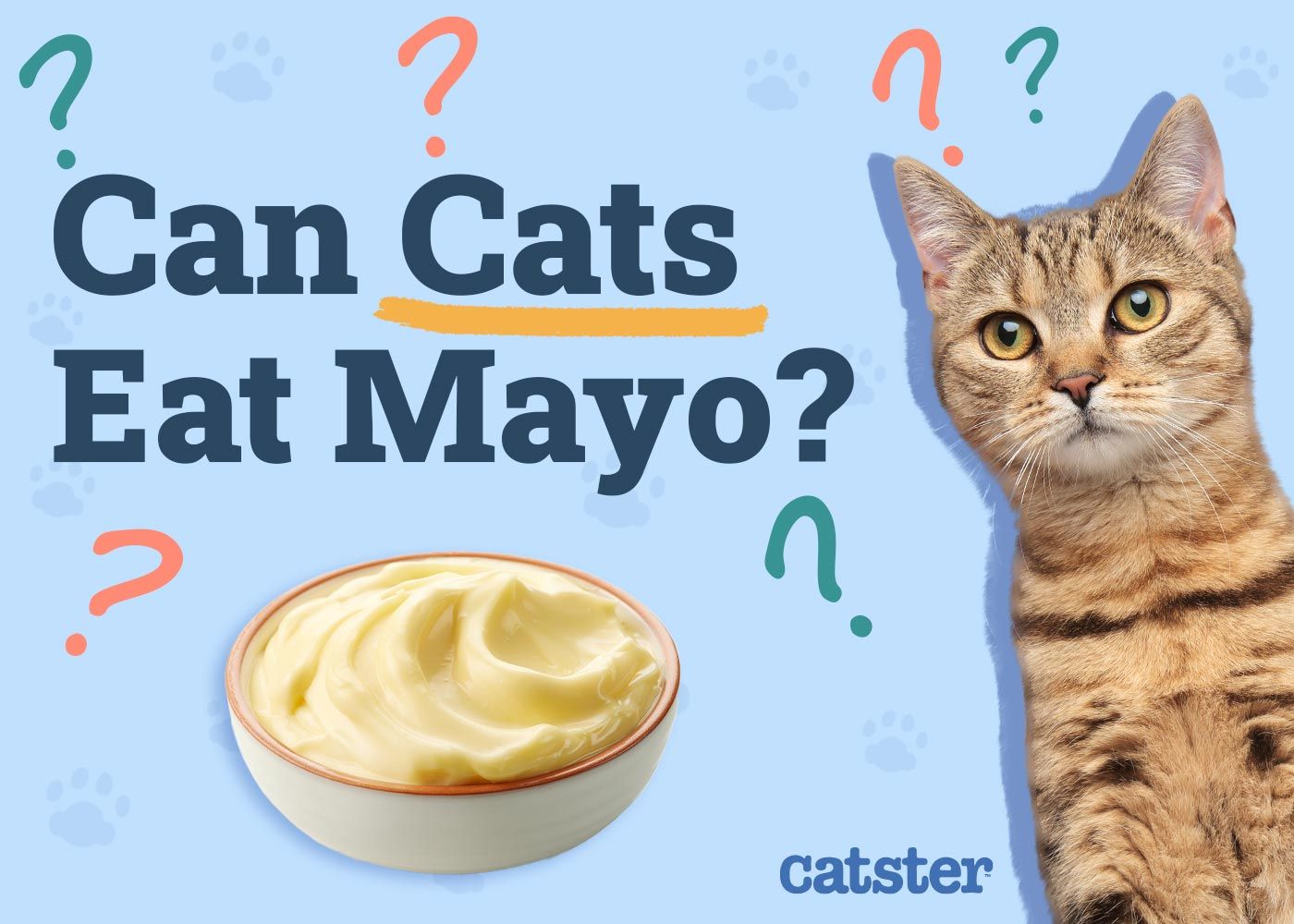
Can Cats Eat Mayo? Vet-Reviewed Nutrition Facts & Advice

Share

Can Cats Eat Mayo

Mayo is a condiment that can be found in many people’s pantries and refrigerators. But what about cats? Can cats have mayonnaise? While it may add some flavor to food, it’s not a good idea to add mayo to your cat’s food as a meal topping or flavor enhancer. While the basic ingredients aren’t considered toxic to cats, it’s still unhealthy for them. In general, mayo isn’t very nutritious, and it can be very high in fat. So, your cat won’t really benefit from having mayo added to their diet.

divider 1 paws

What’s Inside Mayo?

Mayo mainly consists of eggs, oil, and an acid like lemon juice or vinegar. It’s made by emulsifying these ingredients together until they form a creamy texture. By looking at these ingredients, it’s safe to say that basic mayo recipes don’t contain ingredients that are harmful to cats. However, some may have added seasonings, such as garlic or onion, that can be toxic in high enough amounts.

Mayo doesn’t contain any significant nutritional benefits for cats. If anything, its high-fat content and calories can end up causing health complications, like weight gain and obesity, for them.

Unfortunately, feline obesity is a common health issue found in cats in the US, with about 60% of domestic cats being overweight.1 Consuming too many calories and fatty snacks plays a role in contributing to excessive weight gain. So, it’s best to stick to a high-quality diet and feed your cat nutritious snacks. Even if your cat likes the taste of mayo, there are plenty of healthier options your cat can enjoy eating, and they can live without it.

mayonaise on wooden table
Image Credit by: margouillat photo, Shutterstock

divider 2 cats

What Should I Do If My Cat Eats Mayo?

If your cat ends up licking up a small amount of mayo, they shouldn’t experience any significant health complications. However, if they eat a large amount, they can get an upset stomach. So, be on the lookout for signs of gastrointestinal upset, such as nausea, licking the lips excessively, vomiting, and diarrhea. Your cat may also have less energy and become lethargic.

Make sure to contact your veterinarian if your cat vomits multiple times in a day or loses their appetite and doesn’t eat for over 48 hours. Refrain from giving your cat any home remedies without receiving consultation from your veterinarian first. This can just end up exacerbating their ailment and make your cat feel worse.

If you need to speak with a vet but can't get to one, head over to PangoVet. It's an online service where you can talk to a vet online and get the advice you need for your pet — all at an affordable price!

Preventative wellness PGV mention keep cat healthy Preventative wellness PGV mention keep cat healthy mobile

Can Mayo Help With Hairballs in Cats?

Mayo is commonly referred to as a home remedy for hairballs. The belief behind this remedy is that oily foods can act like a laxative that lubricates a cat’s digestive system and helps hairballs to pass. However, introducing oily foods to a cat with digestive issues can end up making them feel worse. So, the best option for a cat suffering from hairballs is to get your veterinarian’s advice.

Your veterinarian can run a full assessment on your cat and see if the use of laxatives is appropriate. They can develop a treatment plan and prescribe any medication if necessary. It’s also helpful to have a veterinary care professional assist you with monitoring and tracking your cat’s health. This will ensure that your cat receives the proper care they need and that appropriate adjustments to their treatment are made accordingly.

cat and owner and vet
Image Credit by: Stock-Asso, Shutterstock

divider 3 paws

Conclusion

While technically cats can have mayo as it isn’t toxic, it doesn’t have any nutritional benefits for them, and it may not be a safe at-home remedy for hairballs. So, there’s really no need to feed mayo to your cat. Since it doesn’t really contain toxic ingredients, you often don’t have to worry too much if your cat licks up a small amount. Do your best to prevent your cat from eating mayo, especially in large amounts. Feeding them more nutritious snacks and treats can help lower the risk of developing health issues and promote a happier and healthier lifestyle.


Featured Image Credit: HandmadePictures, Shutterstock

Want content like this delivered to you?

Sign Up For Our Newsletter

News, insights, expert advice, and everything cat

* By submitting, you agree to our Terms & Conditions and Privacy & Cookies Policy.


How useful was this post?

Click on a star to rate (you can leave written feedback after clicking submit)

Help us improve Catster for pet parents!

Your feedback really matters.

What did you like about this post? Also how can we improve it?

Join the conversation

Leave a Reply

You’re very welcome to leave a comment or question. Please know that all comments must meet our community guidelines, and your email address will NOT be published. Let’s have a positive and constructive conversation.


Talk With A Vet Online

Peace of mind,
anywhere, anytime

Affordable vet advice

Do Cats Cause Schizophrenia? Scientists Find a Link – Here’s What It Means

Being a fierce advocate (and occasional recipient of) mental health support and awareness, the term ‘crazy’ is not one I like to fling...

One in 100 Cats Gets Diabetes – Here’s How to Catch It Early

One in every 100 cats develops diabetes.1 That’s not a rare, unlucky condition reserved for cats with obvious health problems. It’s common enough...

Dramatic Rescue Turns Into Dramatic Reunion

What started as a routine call for the RSPCA became a heroic, five-hour rescue featuring one trapped and traumatized cat, an emotional family...

Ask Dr. Paola – Help! How Do I Know if it’s Ear Mites! (May 4, 2026)

Welcome to our “Ask Dr. Paola” series, where every Monday we bring expert advice straight from Dr. Paola Cuevas (MVZ) to help our...

More related

Catster Photo Contest: Cats of the Week Winners (September 4, 2025)

Every week our team gets the privilege of sorting through our readers photos to choose what cats will win this weeks contest! See...

Cat Asthma: Vet Reviewed Signs, Life Expectancy, & Treatment

Asthma isn’t just a human disease; it can affect our pets too. In fact, it affects between 1% and 5% of cats. It’s...

How to Reduce Your Cat’s Litter Box Smell: 6 Vet Approved Steps

Like any proud cat parent, you love everything about your fur baby—almost. After all, the aroma coming from their litter boxes isn’t exactly...

13 Best Cat Charities and Good Causes to Support

If you’re interested in donating to or volunteering for a cat charity or you’re considering gifting a cat-loving friend or family member a...

Keep reading

What’s the Price of Cat & Kitten Vaccinations in Australia? (Costs in 2026)

Whether you have an indoor or outdoor feline, you must keep up with their vaccinations. Vaccinations and booster shots keep numerous preventable health concerns at bay. But how much do cat and kitten vaccinations cost in Australia? We gathered the...

Kitten_Vaccine

How to Care for a Deaf Cat: 7 Vet-Approved Tips

It’s challenging to be hard of hearing, whether you walk on two legs or four. If you have a furry friend born without hearing or your senior kitty is beginning to struggle, you’ll need to help them adapt to your...

cat resting with owner on sofa at home

Is Cedar Poisonous to Cats? Vet Approved Facts & FAQ

Any loving cat parent wants a heads-up as to which substances or plants can be poisonous to felines. If you’re wondering whether cedar trees are toxic to cats, unfortunately, yes, cedar can be poisonous to cats—some cedar trees are, in...

Catster_Is Cedar Poisonous to Cats

Can Cats Eat Cactus? Vet-Approved Facts & FAQ

Cats are curious creatures, so it’s no surprise that they get into things that they shouldn’t from time to time. But what do you do if they get into a cactus, and should you be worried? While cacti aren’t usually...

Can Cats Eat Cactus

Can Cats Eat Vegemite? Vet Reviewed Facts & Advice

Some cats are finicky eaters, while others seem to want to try anything that they can get their paws on! Felines like “meaty” and rich flavors, so it makes sense that vegemite would be attractive to a few of them....

Can Cats Eat Vegemite

6 Weird Things Cats Eat: Vet-Reviewed Safety Tips & Considerations

It’s normal for cats to eat weird and wonderful things, but just because it would be weird—and gross—for us to consume doesn’t mean that your cat feels the same way. Things like mice, birds, bugs, and lizards are easy prey...

Weird Things Cats Eat

Is Vinegar Bad for Cats? Vet-Reviewed Safety Concerns

Vinegar is one of the wonder products many regularly use for different purposes such as cleaning. So, is vinegar bad for cats? Vinegar is incredibly acidic and can irritate their mucous membranes if consumed undiluted. However, if it’s mixed with...

Is Vinegar Bad for Cats

How to Clean Cat Eye Boogers? Vet-Approved Step-by-Step Guide

A thin layer of tears protects a cat’s eyeball, protecting the eye from any irritants or foreign bodies to keep vision clear. The overflow of tears can cause discharge or “eye boogers,” which come from the overproduction of tears or...

Eye discharge in old brown cat

Love Cats? So Do We! Join the Catster Community

Stay informed with expert pet care insights delivered straight to your inbox! Discover professional guidance on animal behavior, feeding tips, trusted product picks, and much more.


Sign up for the Catster Email Newsletter

Stay informed with expert pet care insights delivered straight to your inbox! Discover professional guidance on animal behavior, feeding tips, trusted product picks, and much more.