Can Cats Drink Gatorade? Vet Approved Nutritional Facts & FAQ


If you have a cat that needs help rehydrating, Gatorade might be the first idea to come to mind. You're not the only person to get this idea. Many cat owners have tried offering Gatorade to their kitties as a quick hydration fix, only to find that their cat loves it. Any time we give our animals something out of the ordinary, we always have to question if it's okay. When it comes to Gatorade, a few small sips won't hurt them, but cats should never drink gatorade on a regular basis.
If you have a dehydrated cat, keep reading. We'll elaborate on this topic a bit more and give you tips to help your thirsty kitty.

A Closer Look at Gatorade
Most of us have tasted Gatorade at least once. It's a sweet drink that tastes similar to Kool-Aid. It was designed as an energy drink to help improve athletic performance through the help of added electrolytes.
The downside to Gatorade is the high levels of sugar and salt. Even the sugar-free options have artificial sweeteners in them. This may not be a problem for an adult human, but a small house cat that weighs around 10 pounds will feel the adverse effects.
Too much salt can lead to salt poisoning and excess sugar is turned into extra empty calories and is likely stored as fat. Obese cats are at increased risk of diabetes. Your cat likely won't experience these health concerns from a few licks.
However, some cat owners like to give their pets Gatorade as a regular treat, which is a problem. Gatorade wasn't designed for cats. It was intended for human consumption only. The best way to keep your cat healthy is to avoid Gatorade.

What Electrolytes Can I Give My Cat?
So, what do you do if you need to help your cat replenish electrolytes? There are a couple of things you can do to solve this problem. The best option is a product formulated for cats, such as Virbac Rebound and Pet-a-lyte, which helps with hydration and nutrition support and can be syringe-fed or just placed in their bowl.
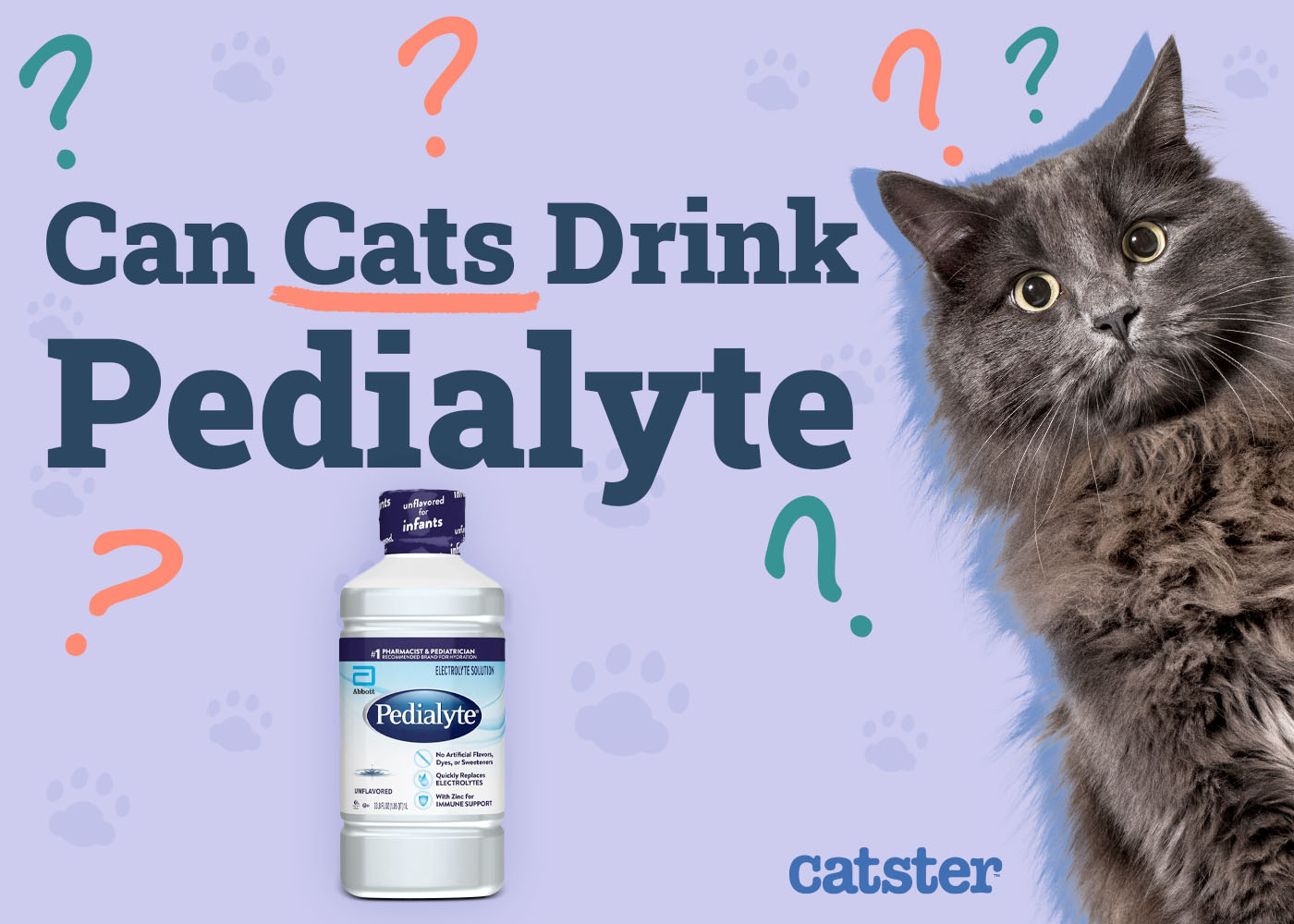
Contact a veterinarian since they will likely stock products you can use at home, too. If your cat refuses water, you can try offering unflavored, unsweetened Pedialyte. Pedialyte is an electrolyte solution that replaces fluids and vital minerals lost during vomiting and diarrhea.
It's designed for children but can be a temporary solution for cats. It may not be suitable for all cats, so contact a veterinarian first. What's nice about Pedialyte is it contains less sugar than energy drinks like Gatorade. It also comes in powdered varieties and different flavors.
Just make sure you choose an unflavored Pedialyte with no xylitol. Some Pedialyte products have added zinc. You want to avoid them since too much zinc can lead to zinc poisoning in cats.
If the solutions above don't work for your cat, you'll need to take them to the vet as soon as possible for further treatment and fluids. IV fluids have added electrolytes suitable for animals to help them heal. We understand it isn't an affordable option, but you can try talking to a vet about administering subcutaneous fluids at home.
If you're a visual learner and need ideas on giving Pedialyte to your cat, the following video can help. This video is an excellent example of how to syringe-feed a grumpy cat. Dr. Sally Foote is a champion of low-stress handling.
Dehydration In Cats: Causes and Signs
Cats get most of their water from water-rich foods like prey in the wild. Domesticated cats don't have this option unless you feed them wet food for every meal. Even so, they still need access to water.
Not many people realize that cats are prone to dehydration, but it isn't always because of hot weather. Other causes of dehydration include:
- Chronic kidney disease
- UTIs
- Diarrhea
- Vomiting
- Fever
- Diabetes
- Trauma
- Hyperthyroidism
- Lack of water
- Unacceptable water bowl
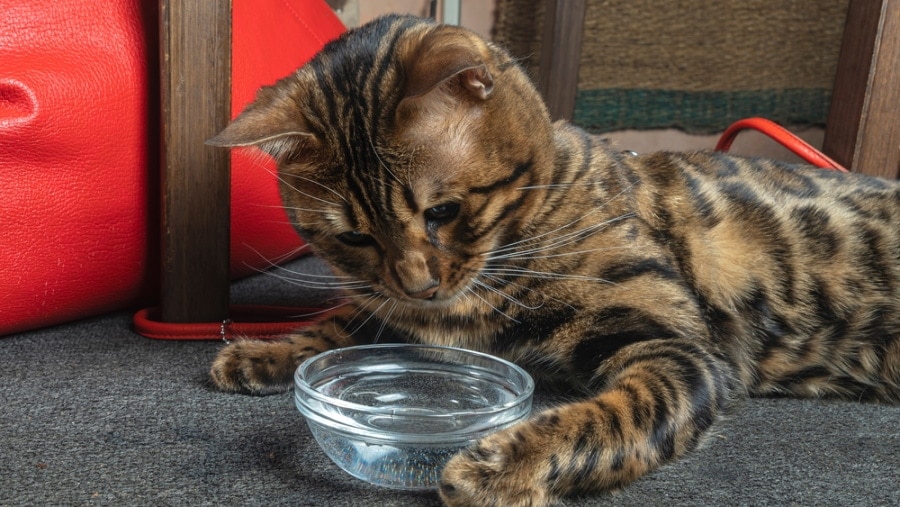
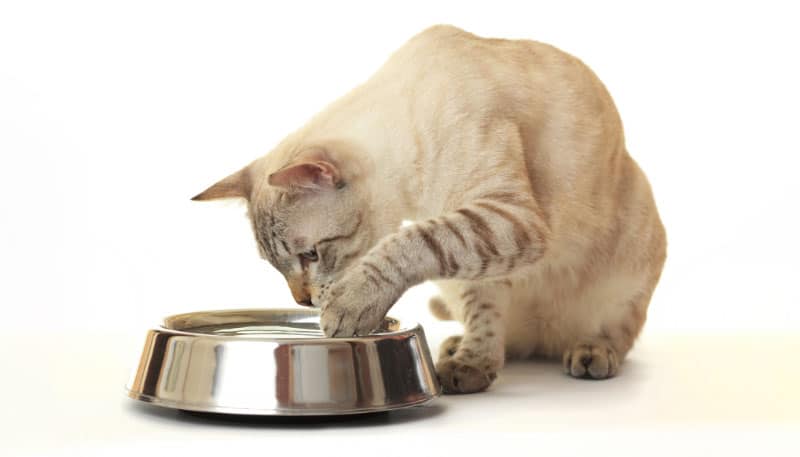
Many of these are illness-related causes, but sometimes cats don't like their water bowl. It could be near a high-traffic area or a loud air vent that scares them away. Cats don't like their whiskers to touch the bowl's rim either, so make sure the water bowl is wide enough.
If you're unsure about your cat's hydration, look for these possible signs:
- Dry gums
- Sunken eyes
- Panting
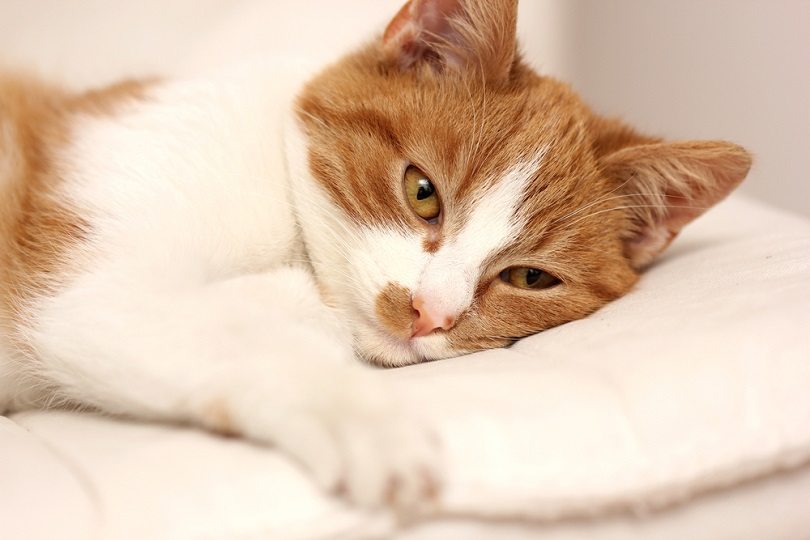
- Lethargy
- Refusal to eat
"Skin tenting" is a popular way to check if your cat is dehydrated. Gently pull the loose skin on your cat's neck. If it doesn't bounce back quickly, it's a clear sign that your cat is dehydrated.

Preventing Dehydration
We know that water is essential, and it hurts to see our pets refuse water. Luckily, there are ways to help your cat stay hydrated if they aren't interested in drinking. Below are some tips for keeping your cat hydrated.
- Use a water fountain instead of a standard water bowl to encourage water consumption
- Provide wet food more often
- Add water to your cat's food
- Add a small amount of chicken broth or tuna juice to your cat's water bowl
- Provide fresh water daily
- Clean water bowls daily
- Provide multiple water sources

Conclusion
Cat dehydration is a serious concern, but Gatorade isn't the best option. You can provide a small amount of Gatorade to encourage fluid consumption, but it's not something you should provide regularly. Try offering Rebound or Pedialyte or implementing some of our tips to combat feline dehydration. These are much safer options that will help your cat's overall health.
Sources
Featured Image By: Gatorade (Image Credit: SecretName101, Wikimedia Commons CC BY-SA 4.0)

Expert cat care, straight to your inbox
Vet-reviewed advice, behavior tips, and the best of Catster. Free, and you can unsubscribe anytime.
By signing up, you agree to our Terms & Conditions and Privacy & Cookies Policy.
Cassidy's journey from vet tech and professional pet sitter to pet writer showcases her lifelong passion for animals, both domestic and wild. Throughout the years, she has cared for many pets and enjoys writing about the animal-human bond. She and her husband have settled in Wichita, where they live with their German Shepherd, Raven, two cats, Lucy and Strudel, and a small flock of backyard chickens.
Join the conversation
Ask a question, share your story, or send private feedback.