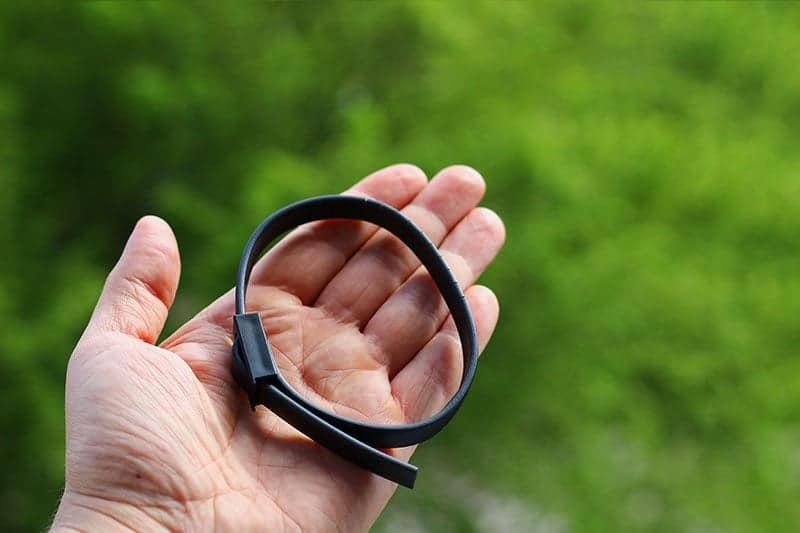
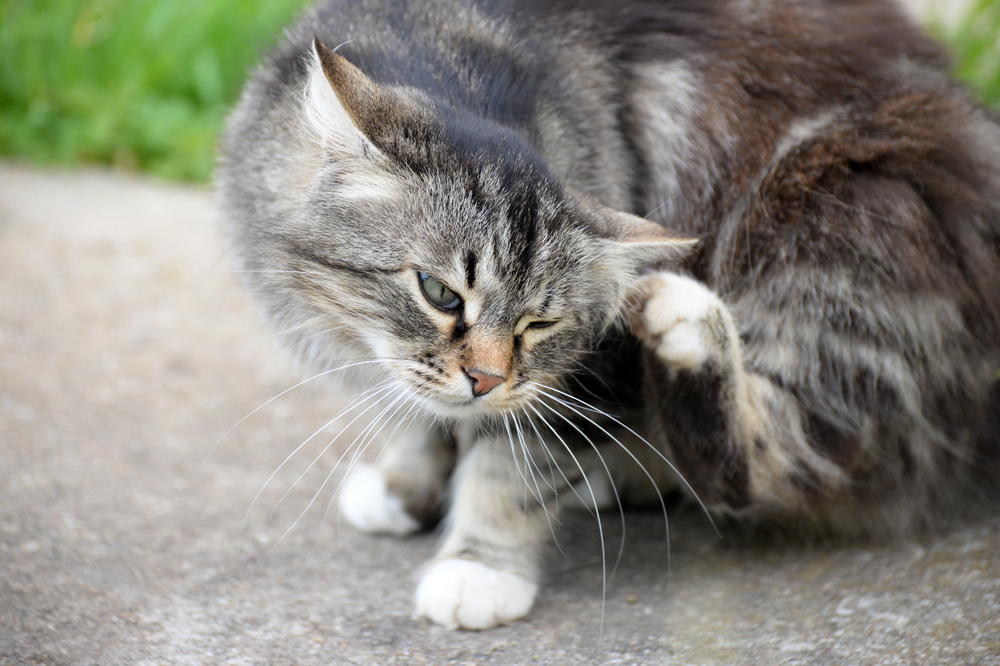
Can a Flea Collar Make a Cat Sick? Vet-Reviewed Risks & Considerations


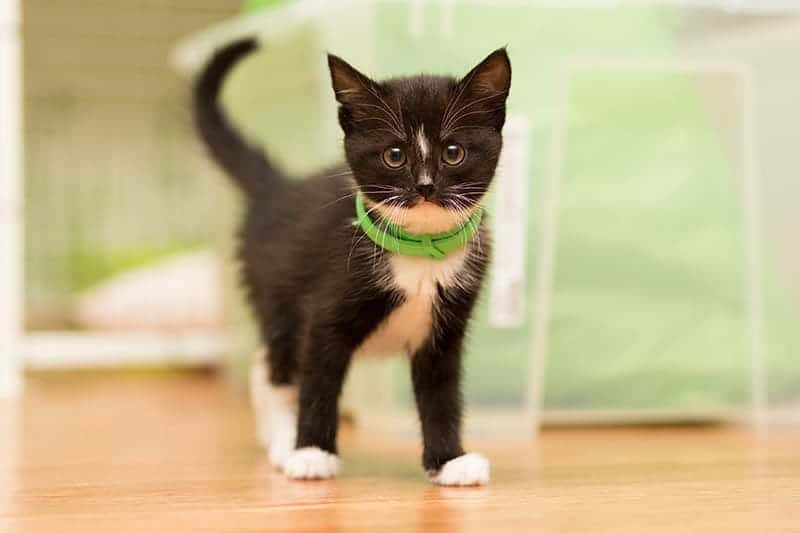
Flea collars can seem quite convenient, but many of them do not work well. For one thing, some do not have proven ingredients that will keep fleas away, so the results may vary. There are also safety concerns.
Flea collars are technically a type of medication, and just like any medication, they can make a cat sick. This typically occurs when a cat is given a flea collar intended for dogs or has a negative reaction to the insecticide used in the collar. Felines can be affected by the insecticide even if they responded fine to it before. Environmental factors and continuous exposure can irritate felines that weren’t previously sensitive and lead to skin reactions, such as a rash.
Furthermore, many flea collars contain strong pesticides that can be harmful to the cats using them. Therefore, many vets do not recommend flea collars.

Potential Reactions to Flea Collars
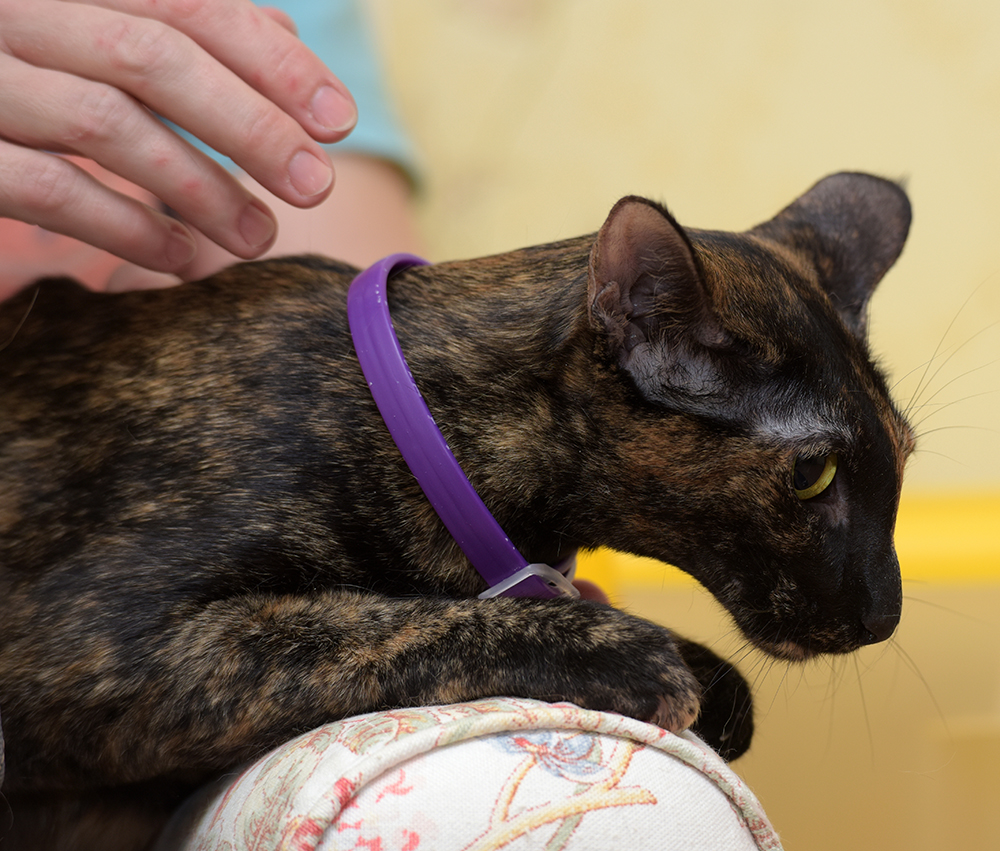
Flea collars work by emitting chemicals that keep fleas away. Some chemicals are released as a toxic gas, which is emitted near your pet’s face. Others work by spreading chemicals through your cat’s skin, which can result in irritation. Therefore, while flea collars can be effective, they are not usually the safest option for your feline.
Reactions can also vary. For instance, skin irritation can occur with any collar and is a result of the collar rubbing on the skin. Making sure your cat’s collar fits properly can help ensure it doesn’t move too much.
However, collars can also cause chemical burns on your pets. Since different kinds of cat flea collars release different active substances, possibly including organophosphates, other potential side effects include seizures and serious neurological signs. Sometimes, these side effects can even be deadly. Some cats may react fine to the chemicals in the collar, while others may react very negatively. A quick look at any major review website will show you countless negative reviews that involve serious side effects.
Many vets do not recommend flea collars because they may cause side effects like these. While treatment can help many cats, the signs of neurological toxicity damage may hang around even after discontinued use.

Alternatives to Flea Collars
We recommend using an alternative to a flea collar. It’s still important to protect your cat from fleas, so don’t let flea collars prevent you from using any form of protection. Instead, we recommend using one of these alternative methods.
Topical Applicators
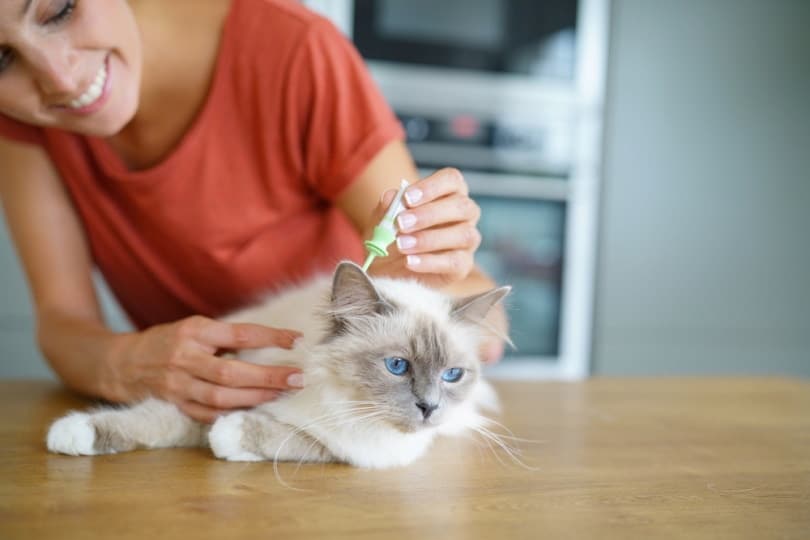
Out of all the options out there, we recommend topical applicators first and foremost. These are often easy to apply and effective. You do have to reapply them on a schedule, but many products only need to be applied once a month. Most are waterproof, so you don’t have to worry about your cat getting wet.
Of course, not all topical applicators are effective. Most have an adulticide ingredient, which kills adult fleas. This usually remains effective between doses, preventing fleas the whole time. Others include insect growth regulators, which prevent larval fleas from maturing. Those with this ingredient are most effective, as they help to break the flea cycle. Some of these products also protect your cat against ticks, mites, and intestinal parasites.
Oral Medication
There are many anti-parasite medications out there that kill fleas when they bite your feline. While this does mean your feline has to be bitten, they are more effective than most other options out there.
Of course, medication can be a bit more difficult to give to your feline. Many owners find that wrapping the pill in cheese or hiding it in meat is effective. It depends mostly on your cat. Some felines are so picky that they will catch on to the charade and refuse to eat these special treats. Others will eat the treat and spit out the pill, so be sure to watch your cat while they are eating it.
Some of these medications need to be readministered monthly, while others can be given more regularly. It depends on the product, so it's best to only give your cat something prescribed by your vet and to follow their instructions.
Flea Treatments for the Home
When cats get fleas, the parasites will also be elsewhere in the house. So, when dealing with a flea infestation in your cat, you will need to take care of the flea eggs, larvae, and pupae scattered around your home too.
There are several steps involved, including washing all the bedding, vacuuming, steam cleaning, and if needed, applying non-toxic sprays.
Be sure to vacuum and steam everywhere. Lift rugs, and get your cat’s bedding, as this is where most fleas will live. Remove the cushions and clean underneath the bed. Pillows and blankets can be washed in a washing machine on the hot water setting to kill fleas and eggs (assuming that it is safe for them to be washed).
After vacuuming, consider spraying the inside of your vacuum bag with an anti-parasite spray, as eggs and larvae can develop inside it. If you choose not to use chemicals, just be sure to seal the bag properly before disposal.
Anti-flea sprays usually fall into a few different categories:
Since many chemicals in such sprays can be toxic to cats and even humans, precautions must be taken when choosing the product to ensure safety. Keep the cat away from treated areas during application and don’t allow them back for a while afterward.
For most flea treatments, an adulticide and IGR spray are helpful. Adulticide-only sprays can be used, but you’ll have to reapply them regularly to keep killing adult fleas. There is always a chance that the fleas will reproduce before you spray them, and then their eggs will hatch and mature. Therefore, these usually require more than one application. IGR sprays often only need to be used once, as they prevent fleas from maturing. Applying an adulticide might be necessary if you want to kill the fleas that have already matured.
Read All Labels Carefully
Cats are often more sensitive to chemicals than dogs. Therefore, they tend to react negatively to chemicals that canines might be fine with. Flea-prevention products labeled for dogs may not be safe for felines, so check the label on all products, and ensure that it is made for cats and not dogs.
Products labeled for both animals are typically safe, as these should include cat-safe ingredients that are usually safe for dogs too. When in doubt, ask your veterinarian.
Conclusion
While we recommend that all cats be given a flea-prevention treatment, flea collars are probably not the best options, as they are typically not that effective. Furthermore, they may intoxicate your cat and cause side effects, including seizures, and they are often not recommended by many vets.
Instead, a topical or oral option should be considered. Both of these are pretty easy to apply and can be effective. Of course, different treatment options have different effectiveness and safety, so be sure to research any product and get it approved by your vet before purchasing it.
Related Read: Can You Use Dog Flea Collars on Cats?
Featured Image Credit: Fayzulin Serg, Shutterstock

Expert cat care, straight to your inbox
Vet-reviewed advice, behavior tips, and the best of Catster. Free, and you can unsubscribe anytime.
By signing up, you agree to our Terms & Conditions and Privacy & Cookies Policy.
Kristin is passionate about helping pet parents create a fulfilling life with their pets by informing them on the latest scientific research and helping them choose the best products for their pets. She currently resides in Tennessee with four dogs, three cats, two fish, and a lizard, though she has dreams of owning chickens one-day!
Join the conversation
Ask a question, share your story, or send private feedback.