Can You Put a Flea Collar on a Pregnant Cat? Vet-Reviewed Precautions & Risks


In this article
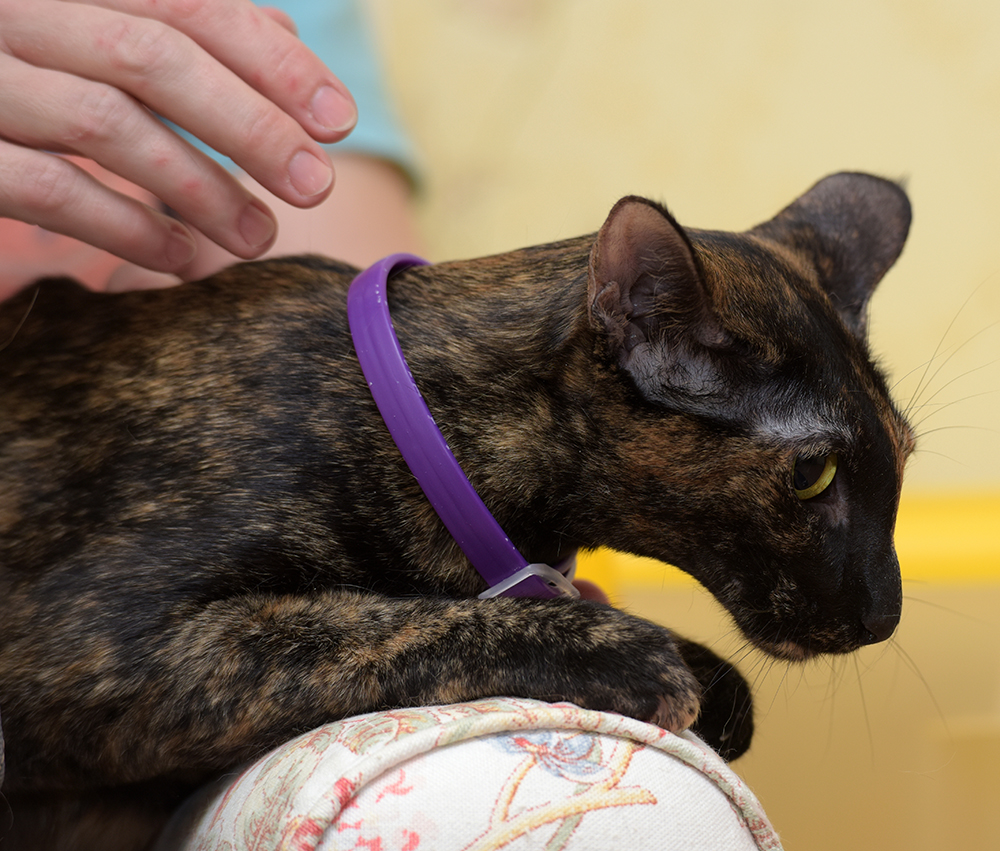
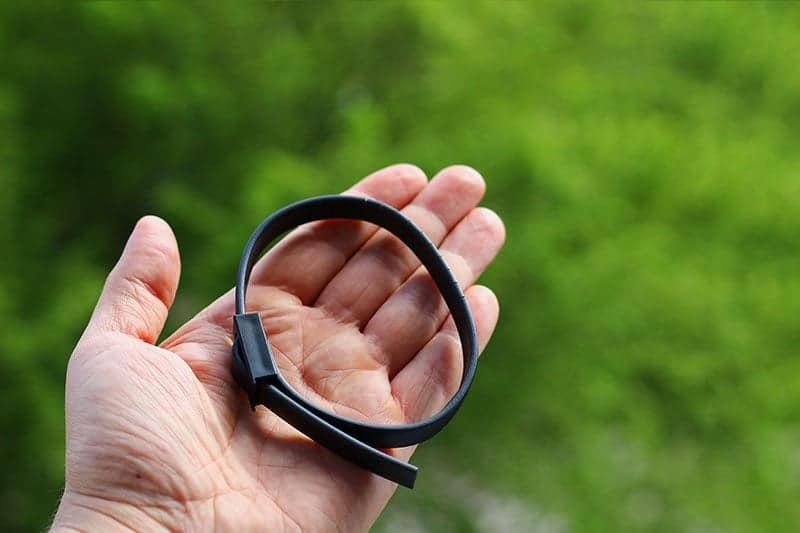
Cat flea collars use a form of insecticide to repel, deter, or kill fleas. They can be used in conjunction with spot-on treatments or independently, though owners do need to be aware of the potential risks associated with flea collars. If used, the flea collar must be approved and recommended by a veterinarian, and must only be intended for felines, as canine flea collars can be extremely harmful and toxic to cats, and the cat should be closely supervised while wearing it. Flea collars should fit snugly around the cat's neck and have a safety quick release mechanism, as otherwise they pose a risk of getting caught on branches or other protrusions, or the cat’s lower jaw or limbs getting stuck through the collar, all potentially leading to entrapment or strangulation.
Cat flea collars may come with several potential health risks and are not always considered safe for cats. For most flea collars, the safety has not been established for cats that are pregnant or lactating, or for kittens under 10 weeks of age, and they should not be used in these instances without veterinary advice.
It is imperative that an owner of a pregnant cat speaks to their vet in time about adequate deworming and flea treatment for their pregnant cat and afterward kittens, as flea infestation can be detrimental to newborn kittens.

How Do Cat Flea Collars Work?
All flea collars work in the same basic way in that they contain a substance to get rid of fleas, and this substance is released slowly and continuously onto the cat's skin and into their coat, around the neck area.
This area is where a lot of fleas congregate, and when your cat grooms and scratches, that spreads the substance around the surface of the body. Depending on the type of flea collar used, the substance may directly kill the fleas or their larval stages, or it might emit a smell that repels fleas. Today’s flea collars are often odorless and control the release of the substance more efficiently than before.
The collar will continue to work until the substance is used up, usually within 6-8 months, depending on the manufacturer’s recommendations.
Possible Risks Associated with Flea Collars
Flea collars have come a long way since they were first introduced decades ago. Still, they are not the right choice for all cats and their pet parents and should be used according to veterinary recommendations.
Some of the risks associated with the flea collars include the collar getting trapped or stuck especially in outdoor active cats. This is particularly dangerous if the collar does not come with a safety quick-release mechanism, as it can lead to strangulation. Fortunately, today’s collars for cats mainly come with this built-in mechanism. Some cats may try to remove the collar and get it stuck around their lower jaw or front limbs, which can lead to serious injuries. Placing a flea collar for the first time requires constant supervision of the cat and not letting them outside until they are comfortable wearing it, although even this is not a guarantee they will not try to remove it at a later date and get injured in the process.
Canine flea collars should never be used on cats, as some can be extremely harmful and toxic, and lead to serious health complications.

Are Cat Flea Collars Safe for Pregnant Cats?
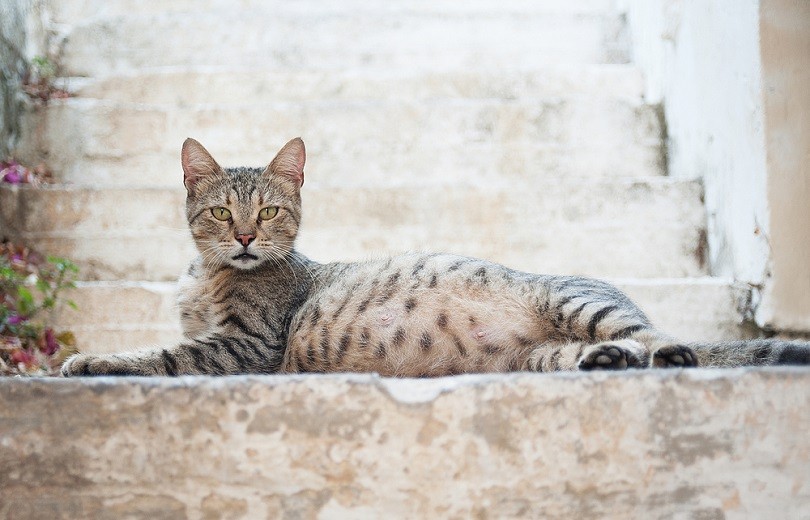
Because flea collars use some form of insecticide to get rid of fleas, it is understandable that some owners might be reluctant to put them on pregnant cats. For most feline flea collars it remains unknown whether they can be safely used in pregnant and lactating mothers, due to lack of safety investigations in pregnant cats. This means that they should not be used in such instances, and the choice of flea products for pregnant and lactating cats should be based on the extent of flea infestation and veterinary advice for each individual case.
Fleas can be especially dangerous for kittens, and because the mother will come into regular, close contact with the kittens, she will pass any fleas on to her young. By getting rid of a flea infestation before the kittens are born, it is possible to protect them.
However, you should always consult with your veterinarian and carefully check the packaging of any cat flea collar you buy. Some may recommend that they are not used on pregnant cats. Your vet will be able to recommend whether the collar is safe to use, and they will be able to provide you with alternatives if required.
Are Cat Flea Collars Safe for Kittens?
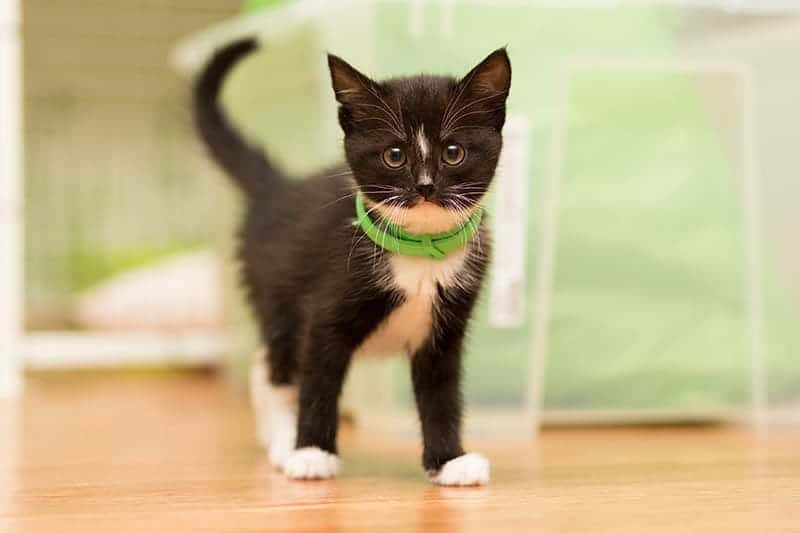
It is generally recommended that kittens under the age of 10-12 weeks are not given cat flea collars, due to lack of safety studies. For a start, your kitten is still growing very quickly at this age, which means that while the collar might be loose enough when you fit it, it will only take a few weeks before it might be too tight. Speak to your vet about safe feline products you can use in kittens, for prevention and treatment of flea infestation.

Alternatives to Flea Collars
Different types of flea treatment can be used on cats, some of which can also be administered to pregnant cats based on manufacturer’s recommendations and veterinary advice. Whether you are considering tablets, spray, or spot-on treatments, though, always check with your vet to determine whether the treatment should be used on pregnant cats or kittens and at which amounts.
Arguably the safest method of flea control is to use a fine-metal flea comb. As you comb from the skin outward, it will pick up fleas that you can get rid of. However, as safe as a flea comb is, it is the least effective and highest maintenance method of flea control and does not deal with flea eggs that will be found in the environment.

Signs Your Cat Has Fleas
Cat fleas are irritating and can cause serious health problems, especially in very young, very old cats, those with weakened immune systems, and those who have adverse reactions to flea bites.
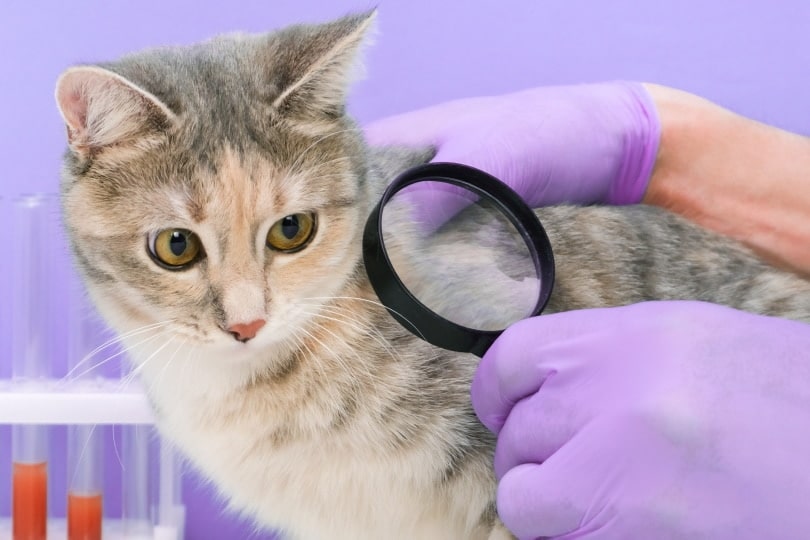
However, despite the trouble they cause, fleas are very small, and this may mean that by the time you spot them, your cat and your home could already be infested. Here are five signs of cat fleas that you should keep an eye out for:
- Cat Scratching — When a flea bites, it leaves saliva in the bite wound which, in case of a flea allergy, the body treats as an allergen and produces histamine to combat what it views as a foreign substance. It is this histamine that causes flea bites to itch and can leave the bite area red and swollen. The bites will irritate your cat, and they will scratch and bite at the area to try to relieve the itching sensa The signs are much worse in cats suffering from a flea allergy, where even just a few bites can lead to severe irritation and discomfort.
- Cat Hair Loss — Typically, hair loss occurs as a result of your cat scratching at the already irritated area. This scratching can cause lesions and cuts on the skin, and it can result in the hair being pulled out. If you notice small bald patches on your cat, you should get your vet to investigate and determine the cause.
- Lethargy — If your cat has a serious flea infestation and it is left untreated, the fleas can seriously deplete your cat’s red blood cells. With blood loss comes anemia; two of the primary signs of cat flea anemia are lethargy and pale gums.
- Black Spots in the Cat’s Fur or Bedding — Black spots in your cat’s bedding or even in their fur might be what is known as flea dirt, which is feces from the fleas. You can try squashing the black spots in tissue, and if they leave a red or brown smudge, they are likely to be flea dirt and a sign that your cat does have fleas.
- Bites on People — Cat fleas do not just bite cats. They will climb off your cat onto carpets, bedding, and other surfaces and transfer it to you and other people. Fleas do not discriminate, and they will bite people to feed off their blood, so if you have small bites on your skin that are red, inflamed, and itchy, it could be a sign of cat fleas.

Conclusion
Cat fleas are a nuisance and in extreme circumstances, can cause bad reactions in cats. Even a small number of fleas can lead to excessive scratching and biting, which in turn, can cause bald spots and other problems.
A severe reaction might lead to anemia, and treating cats to get rid of fleas is important. It is especially vital with pregnant cats, or they will pass the fleas onto their kittens when they are born.
Most cat flea collars have not been safety tested for use in pregnant and lactating cats, and you should consult with your veterinarian on the best product and the best way to treat the flea problem.
Flea collars come with certain risks cat owners should be aware of before considering using them, and the choice of flea product for your pregnant or non-pregnant cat should be based on your vet’s recommendations.
Related Read: Can You Use Dog Flea Collars on Cats?
Sources
Featured Image Credit: Gagarin Iurii, Shutterstock

Expert cat care, straight to your inbox
Vet-reviewed advice, behavior tips, and the best of Catster. Free, and you can unsubscribe anytime.
By signing up, you agree to our Terms & Conditions and Privacy & Cookies Policy.
Christian started writing for a local newspaper as a teenager, and he's been involved in the publishing industry for most of his adult life. Combining his love of writing with a passion for animals, he is currently the Director of Editorial at Pangolia and the Editor-in-Chief at Catster.
Christian lives in the Philippines with his wife, son, and four rescue cats: Trixie, Chloe, Sparky, and Chopper.
Join the conversation
Ask a question, share your story, or send private feedback.