Get

In Your Inbox

Catster is reader-supported. When you buy via links on our site, we may earn an affiliate commission at no cost to you. Learn more.

7 Barn Cat Breeds: Felines to Keep on Your Farm (With Info & Pictures)
Share

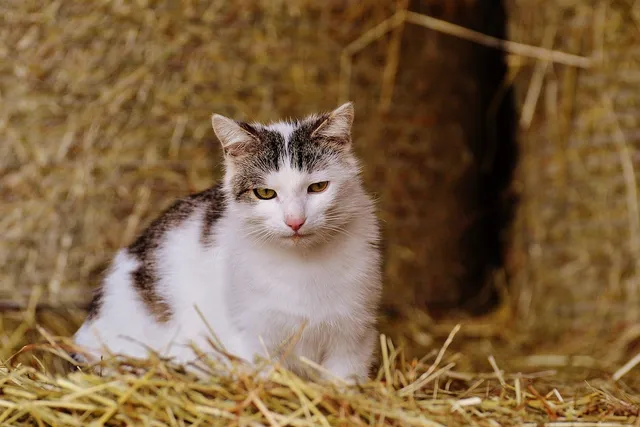
cat at a barn

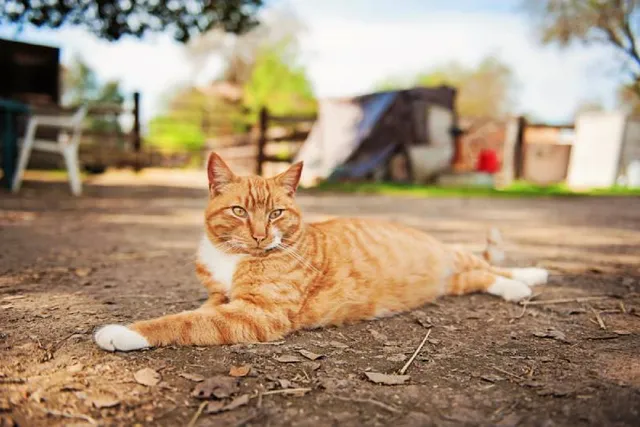
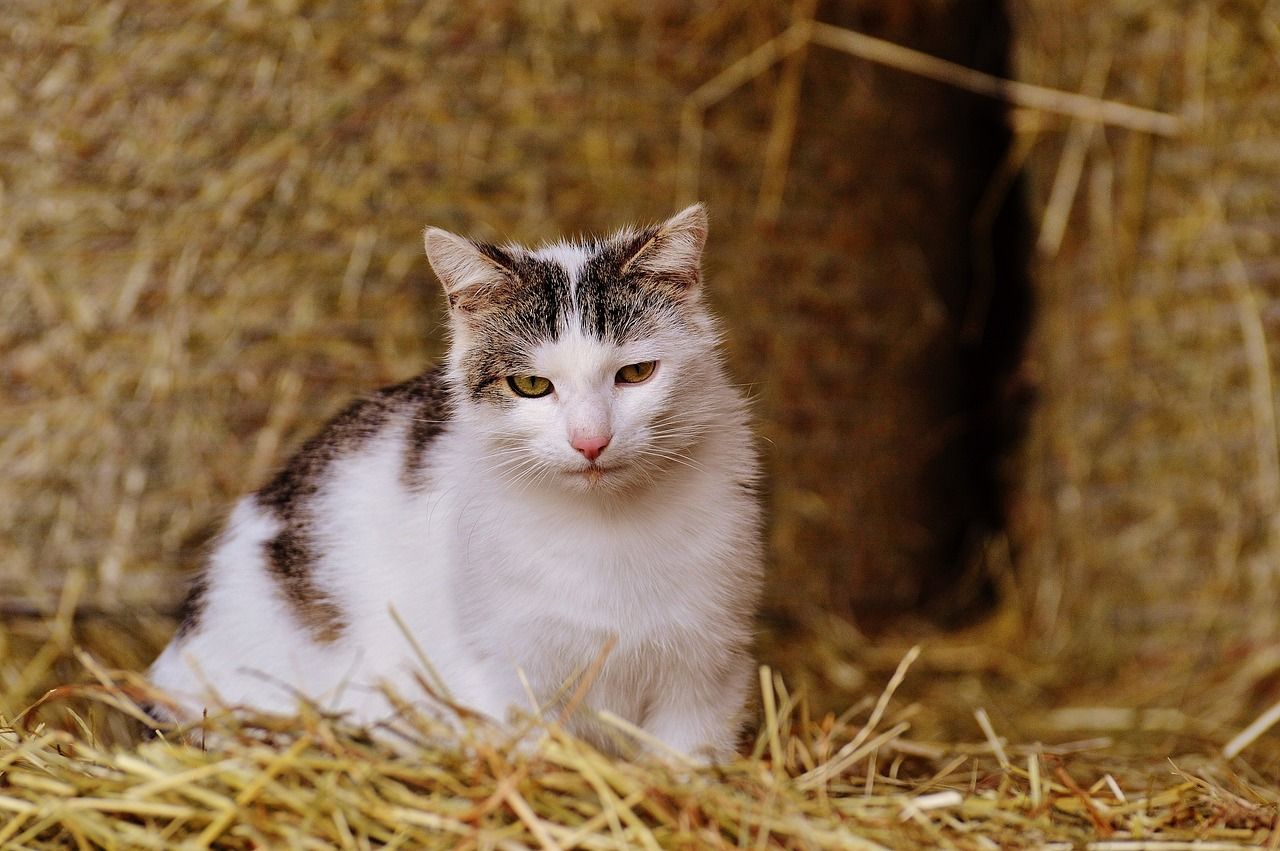
Barn or farm cats are possibly the purest incarnations of a cat. The earliest domesticated felines invited themselves onto our land to take care of our vermin problem, and many today still prefer it to a traditional housecat life.

Not all cat breeds take well to life on the farm, but others are perfectly suited due to their history, temperament, and physical traits. If you’re interested in what types of cats are best suited to taking care of a vermin problem for you, look no further. Check out all the best barn cat breeds down below.

divider 2 cats

The 7 Barn Cat Breeds

1. Maine Coon

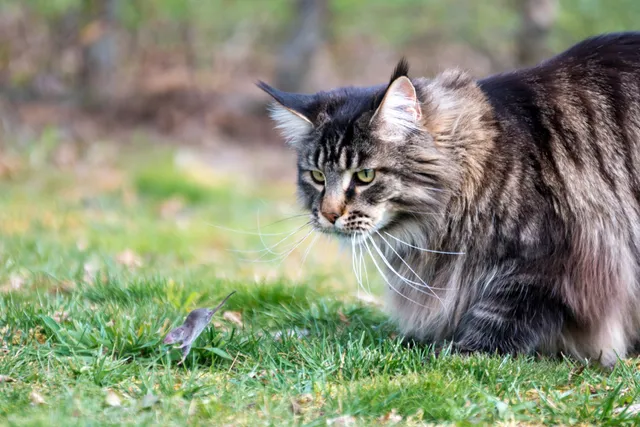
a maine coon cat hunting a mouse outdoors
Image Credit: greg.visuals, Shutterstock
Lifespan: 12–15 years
Weight: 11–25 pounds
Colors: Black, white, cream, red, blue, red

Maine Coons are large, fluffy cats that are well-known for their doglike personalities. They like solitude as much as the next cat and will gladly occupy themselves by hunting down rats but enjoy spending a lot of time with their humans too. Maine Coons do well as both housecats and part-time barn cats because of their affable personality and keen hunting instinct. Their thick, plush coat helps them stay comfortable in extreme cold, too.


2. Siamese

Siamese cat in the barn
Image Credit: Yuri Kravchenko, Shutterstock
Lifespan: 12–15 years
Weight: 8–15 pounds
Colors: Chocolate point, blue point, lilac point, seal point

Siamese are one of the most popular cat breeds in the world, with a trademark color point pattern that leaves their body lighter than their extremities. Keep in mind that there are just four recognized color point patterns in Siamese.

These elegant, inquisitive creatures do great as highly sociable barn cats, so they’re hardly a cat you can just let loose and expect minimal contact. Siamese are athletic, playful kitties that make excellent hunters to control vermin on your property.


3. American Shorthair

american shorthair cat
Image Credit: Oleksandr Volchanskyi, Shutterstock
Lifespan: 12–15 years
Weight: 6–15 pounds
Colors: Solid, tabby, tortoiseshell, calico, bicolor, tricolor

Descended from European cats brought to North America to protect food stores, the American Shorthair is one of the most diverse cat breeds in the world, and the 8th most popular cat breed in the world. These cats are diverse in personality as well as coloring, but most retain a curious, playful nature that makes them excellent hunters. An independent streak helps in that regard too, and they’re fairly low-maintenance farm cats to keep on your property.


4. Siberian

Siberian cat sitting on the hay
Image Credit: Nikolay Shargin, Shutterstock
Lifespan: 10–18 years
Weight: 15–20 pounds
Colors: Brown, red, blue, tabby, silver, white, black

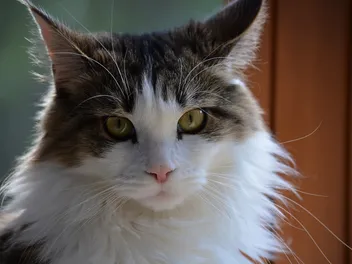
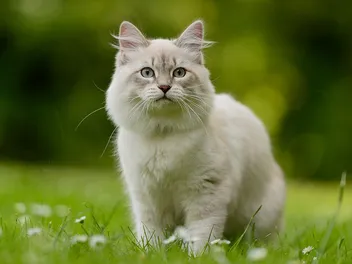
Siberians are big, strong cats with long, triple-layered coats perfectly suited to cold and wet weather, though they love being near people too. This breed is sociable and not likely to bother your livestock or other pets but is definitely self-motivated enough to carve out their own niche on your land and set up shop as the local vermin hunter. They’re playful and sometimes described as a doglike breed and tend to live long lives. As implied by the name, the Siberian cat traces back to ancient, snowy Russia.


5. Chartreux

Chartreux cat lying on the ground
Image Credit: Katniss studio, Shutterstock
Lifespan: 12–15 years
Weight: 11–25 pounds
Colors: Black, white, cream, red, blue, red

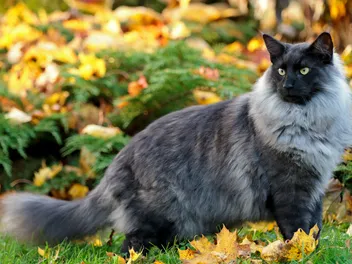
The rare but instantly recognizable Chartreux hails from France, with a water-resistant blue-gray coat and distinctly aloof personality. They’re smart, active animals that are known to be quiet or mute, and their big, muscular bodies make them great hunters for any farm. They’re pretty neutral towards both people and other pets, but don’t expect them to be extroverted.


6. American Wirehair

American Wirehair cat up close
Image Credit: Fernando Calmon, Shutterstock
Lifespan: 12–15 years
Weight: 8–15 pounds
Colors: White, black, smoke, chinchilla, gray, blue, white, cream, bicolor

The American Wirehair is an offshoot of the American Shorthair, traced back to a single litter of kittens born with a wiry, dense wool-like coat similar to a lamb’s wool. They’re prolific explorers, but not the most energetic breed out there, but they do have a strong prey drive that makes them good at deterring mice or rats. Overall, they’re nearly identical to the shorthair cat.


7. Bengal

Bengal Cat on the tree
Image Credit: Seregraff, Shutterstock
Lifespan: 12–16 years
Weight: 8–15 pounds
Colors: Silver, snow, brown, blue, charcoal

For a more exotic barn cat, consider the mini-leopard Bengal cat. They’re the result of breeding a regular domestic cat with an Asian leopard cat, and the Bengal is a spectacular athlete with a wild prey drive that makes them ideal farm cats. Bengals are fiercely independent and intelligent, and with patience, some of them can even be trained to perform tricks like a dog.

divider 2 cats

Conclusion

Barn or farm cats are one of the most beneficial critters you can have on a farm, and they take care of vermin problems like it’s nobody’s business. In exchange for a comfy, warm space to sleep and some food, any one of the barn cat breeds above makes an amazing companions that double as pest control!


Featured Image Credit: Alexas_Fotos, Pixabay

Want content like this delivered to you?

Sign Up For Our Newsletter

News, insights, expert advice, and everything cat

* By submitting, you agree to our Terms & Conditions and Privacy & Cookies Policy.



How useful was this post?

Click on a star to rate (you can leave written feedback after clicking submit)

Help us improve Catster for pet parents!

Your feedback really matters.

What did you like about this post? Also how can we improve it?

Join the conversation

Leave a Reply

You’re very welcome to leave a comment or question. Please know that all comments must meet our community guidelines, and your email address will NOT be published. Let’s have a positive and constructive conversation.


Talk With A Vet Online

Peace of mind,
anywhere, anytime

Affordable vet advice

Ask Dr. Paola – Help! My Momma Cat Is Very Thin! (May 18, 2026)

Welcome to our “Ask Dr. Paola” series, where every Monday we bring expert advice straight from Dr. Paola Cuevas (MVZ) to help our...

The Cat Biting Mistakes Most Owners Make (And What Works Instead)

Cat bites sent more than 400,000 people to emergency rooms in the US each year.1 Not scratches. Bites. And the reason they’re so...

Do Cats Cause Schizophrenia? Scientists Find a Link – Here’s What It Means

Being a fierce advocate (and occasional recipient of) mental health support and awareness, the term ‘crazy’ is not one I like to fling...

One in 100 Cats Gets Diabetes – Here’s How to Catch It Early

One in every 100 cats develops diabetes.1 That’s not a rare, unlucky condition reserved for cats with obvious health problems. It’s common enough...

More related

Why Is My Cat Eating Cat Litter? 10 Vet-Reviewed Reasons

Cats are capable of doing many things that leave us feeling bewildered and scratching our heads. It’s often challenging to figure out if...

120 Brother and Sister Cat Names for Feline Sibling Pairs

Bringing a new cat into your home is an exciting adventure. It’s even better when your heart is snatched up by two kitties...

Trap King Sterling Davis: Q&A on Helping Cats, and Busting Stereotypes

I first met Sterling Davis, the Trap King, at CatCamp NYC in May, and I was impressed with his passion for cats and...

25 Best Gifts for Cat Lovers in 2026: Thoughtful, Unique & Out-of-the-Box Ideas

Sometimes finding the perfect gift for your cat-obsessed friends can be tricky, but we’ve curated a list of the purr-fect ideas. Any pet...

Keep reading

How to Introduce a Cat to a New Litter Box (7 Vet-Approved Tips)

There are several possible reasons you might need to switch up your cat’s litter box. Perhaps they have outgrown their present one, are having difficulties getting in and out, or need something more open or enclosed. Simple enough, right? Not...

sphynx cat using purple cat litter box

Can Cats Eat Limes? Vet Approved Facts & FAQ

Our feelings about our pets have changed. Many people see themselves as parents instead of owners. That’s reflected in the fact that some manufacturers label their products as human-grade, although no legal framework for this term exists; it’s simply marketing....

Can Cats Eat Limes

How to Stop Your Cat From Chewing on Electric Cords: 10 Vet-Approved Ways

If your cat chews on wires whenever you turn around, you need to do something about it. Not only is it damaging the wires and creating a safety hazard for your home, but it’s dangerous for your cat too! We...

cat-biting-wires

Why Is My Cat Hiding? 3 Vet-Reviewed Reasons for This Behavior

Have you ever been looking around for your cat, but they seem to be missing? It doesn’t mean that they’ve run away. Instead, your cat is just hiding. This is perfectly normal for cats. They’re self-reliant creatures, and in many...

A cat hiding under a couch

How to Dry a Cat After a Bath: Vet-Approved Step-by-Step Guide

You rarely find a cat that will gladly accept having a bath without putting up a fight. If your cat is as apprehensive as most others, you may want to make sure you’re doing everything correctly to minimize the agony...

gray cat newly bathe

How Long Do Obese Cats Live? Vet Approved Facts & Health Tips

It’s easy for your cat to become obese. They’re too adorable when they beg for food with those big eyes. However, obesity can drastically affect your cat’s lifespan. While healthy cats have been known to live into their 20s, obese...

white-cat-laying-on-the-animal-scales-while-the-male-vet-measure-weight_Odua-Images_Shutterstock

Can Loud Music Harm a Cat? Vet-Reviewed Info

Ears, unfortunately, don’t have the handy ability to shut. If you enjoy listening to loud music, you’re forcing your cats to endure it, too. If you share your house with a cat, you might already be aware that loud noises...

cat lying between speakers

Are Geckos Poisonous to Cats? Vet-Reviewed Dangers & FAQ

Geckos are not venomous or poisonous to cats and dogs, but they can carry a liver fluke, the trematode parasite Platynosomum fastosum, which can potentially cause serious illness. The condition that it causes is sometimes called “lizard poisoning.” Read on...

leopard gecko

Love Cats? So Do We! Join the Catster Community

Stay informed with expert pet care insights delivered straight to your inbox! Discover professional guidance on animal behavior, feeding tips, trusted product picks, and much more.


Sign up for the Catster Email Newsletter

Stay informed with expert pet care insights delivered straight to your inbox! Discover professional guidance on animal behavior, feeding tips, trusted product picks, and much more.