Are Fiddle-Leaf Figs Toxic to Cats? Vet-Reviewed Houseplants Examined


In this article
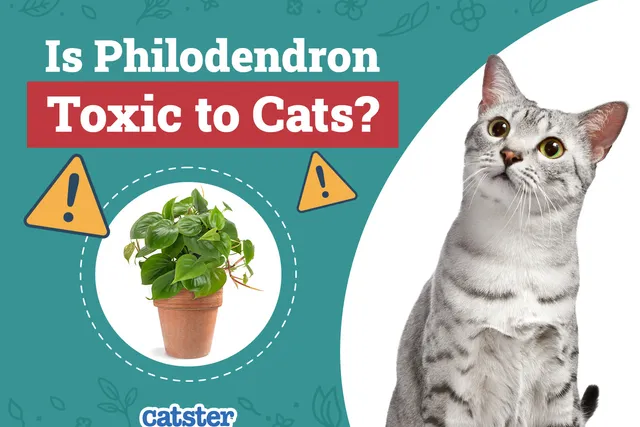
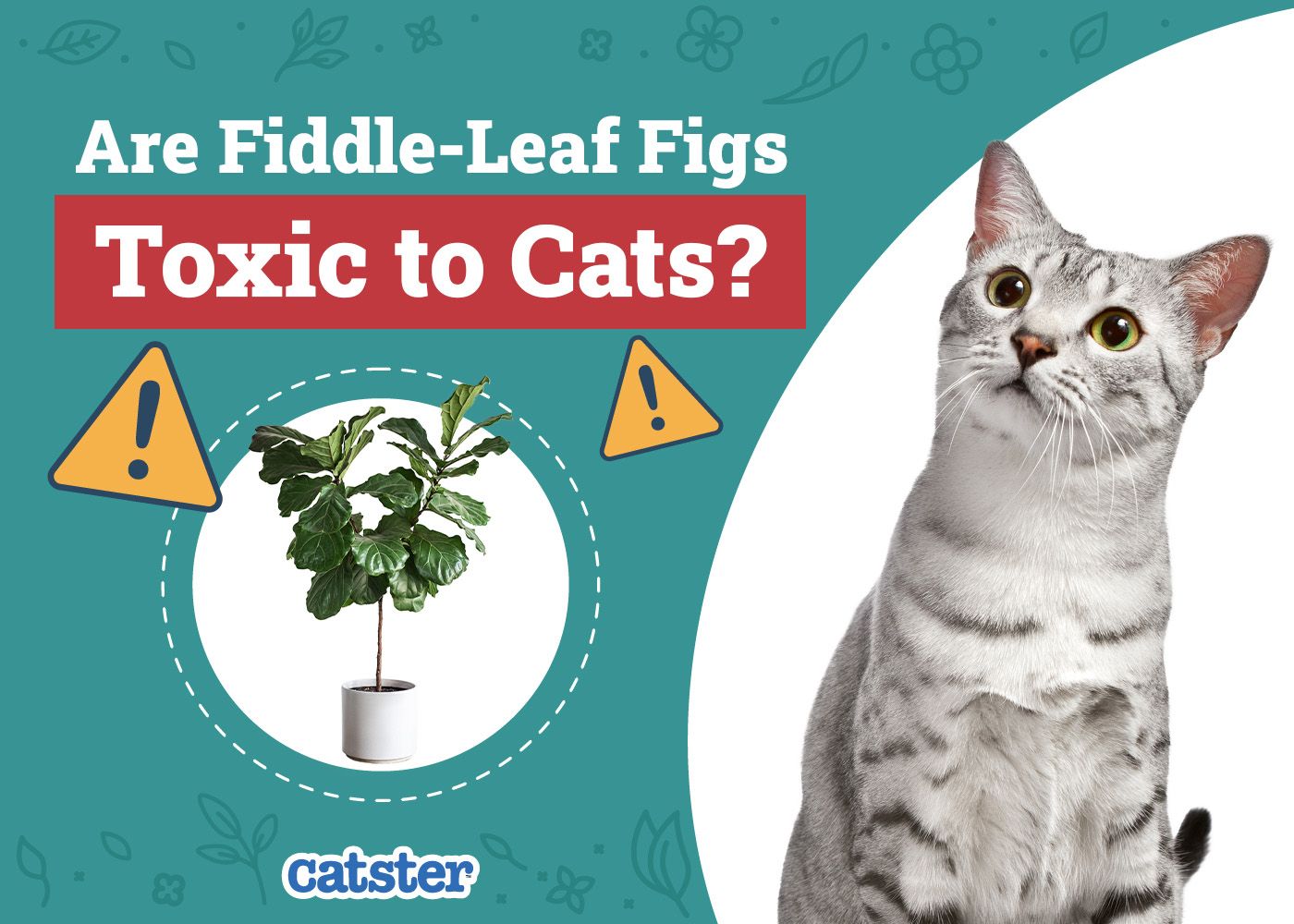
With over 400,000 different land plant species on our beautiful green planet, indoor plants have become extremely popular. 1 Plants clean the air that you live in, are low maintenance, reduce noise, look nice, and add life to any space. The fiddle-leaf fig, Philodendron bipennifolium, is so big and glamorous that they're often used as statement pieces within many bedrooms and living rooms, but the fiddle leaf fig is toxic to cats.
A common misconception is that because many cats climb trees and are extremely outdoorsy, plants can't be toxic to them. This is untrue, and there are many plant species that could send your cat to the emergency room if ingested. Before purchasing a big, leafy statement piece, first make sure that it's pet-friendly and won't be a threat to your cat's health.

What Makes the Fiddle-Leaf Fig Dangerous?
The fiddle-leaf fig boasts a gorgeous appearance with its big, lush green leaves, making them the perfect plant for interior design. As ideal as they sound, they may not be appropriate for your cat-loving home. In fact, these plants aren't only dangerous to cats but other pets and humans too.
What makes these plants toxic is their insoluble calcium oxalates. These are tiny crystals that are sharp and are found in the juices, stems, and leaves of fiddle-leaf figs. The plants may be safe to touch and smell, but if bitten into, those crystals get released and go straight into the tissue of the animal's mouth and gastrointestinal tract, which is why it's so dangerous to any pet and human.

What Happens if My Cat Eats a Fiddle-Leaf Fig?
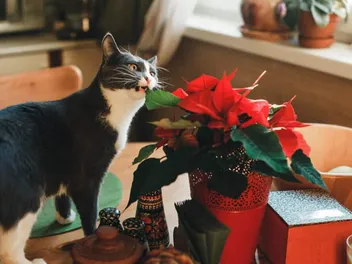
If your cat really does exhibit the curiosity that they're known for, they may decide to take a bite out of this grand plant. As a defense mechanism, the plant releases the insoluble calcium oxalates that will cause irritation to your cat's mouth and gastrointestinal tract.
If you suspect your cat of having chewed your fiddle-leaf fig, you should look out for these common signs:
If your cat's showing these signs, you need to phone the ASPCA at (888)426-4435 or contact a vet for advice. Inform the veterinarian of what the plant was that your cat ingested, what time it occurred, and the signs they're displaying. More serious results of ingesting this plant are very rare but can be the swelling of the upper airways.
Thankfully, signs aren't typically severe, as your cat is likely to spit out their mouthful of the fiddle-leaf fig due to the bad taste and burning sensation. Encourage them to drink water or have a little milk or plain yogurt to reduce the effect of the crystals.
Treatment for these cases generally results in your cat having their mouth flushed and pain relief given. The effects are usually short lived, but in some cases, persistent vomiting and diarrhea may require fluid therapy.


How to Keep My Cat Safe
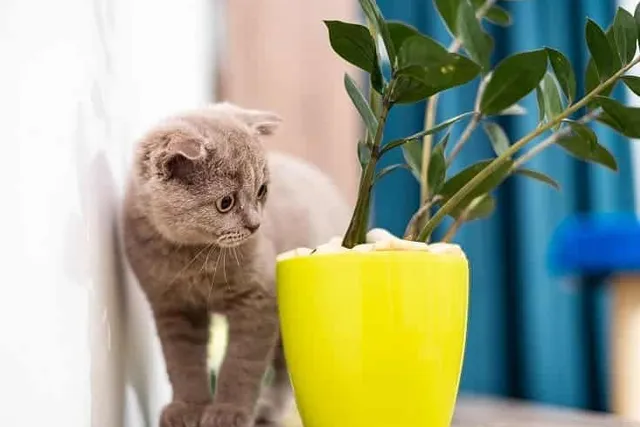
Thankfully, most cats don't typically try munch fiddle-leaf fig plants as a snack because it doesn't have a taste or smell that appeals to them. However, many playful cats may "attack" a plant's leaves that are moving about in a breeze. An innocent game can have painful effects.
If you're as much of a plant lover as you are a cat lover and can't give your fiddle-leaf fig up, place it in an area that your cat doesn't spend much time in. If it's near their cat scratcher or on a table that they enjoy curling up on, it's more likely to catch their attention when they're in a playful mood. A stairway corner or an entranceway may be better placement options instead to keep your fiddle leaf fig and cats apart.
Cat Proof the Area/Pot
To deter your cat from ever wanting to check out your fiddle-leaf fig, you may need to get creative. Cat's avoid prickly surfaces, so you could place eggshells, pine cones, or crunchy, dried leaves inside the pot.
Cats also hate the shine and noise that aluminum foil has, so you could place a large piece under the pot, sticking out around the base. Mesh or chicken wire are other great options to place over the soil in the pot or place around the pot.
Strong scents are also known to deter cats, so you could place your citrus peels or coffee grounds into the pot or soil (you don’t want your pet eating these either, though!). Of course, you could also purchase cat-repellent sprays, such as Nature's Miracle Pet Block Repellent Spray, which is free of harmful chemicals and safe to spray onto plants. The long-lasting smell will deter your cat without causing them any harm.
Lastly, a safer option than having a plant that's toxic to your cat in your house is to move it outside of your house. Fiddle-leaf figs are big and beautiful, and they can bring color and life to any space, including your back or front yard.
Cat-Friendly Plant Alternatives

If you're happy to pass your fiddle-leaf fig onto your plant-loving friend who doesn't have pets in their home, you can find many big, leafy alternatives that are cat-safe. There are enough stresses in the world to have to worry about your cat getting sick from a plant in their own home.
Take a look at these alternatives; you might find one that is right for you and your home:
Other Houseplants to Avoid
If you see a pretty plant that you'd like to have in your home, it's important to know the name of it and do a bit of research first, as it may be toxic to your pets.
Here are a few plants to stay clear of:

Conclusion
Although fiddle-leaf figs are beautiful plants that can be used to improve the look of an area, fiddle-leaf figs toxic to cats—along with other pets and humans. If bitten into and chewed, the insoluble calcium oxalates are released from the plant's stem or leaves and can have negative effects on your cat's health, and they may need to be taken to the veterinarian.
If you have a fiddle-leaf fig, place it in an area your cat doesn't have much access to or interest in, and place cat-repellent sprays or objects around it. Always find out what the name of a plant is, and do your research about it before bringing it into your cat-loving home.
Sources
https://www.nsf.gov/discoveries/disc_summ.jsp?cntn_id=299688
https://www.petpoisonhelpline.com/poison/insoluble-oxalates/
https://www.aspca.org/pet-care/animal-poison-control/toxic-and-non-toxic-plants/fiddle-leaf
https://nymag.com/strategist/article/indoor-plants-safe-cats-dogs.html
https://www.hillspet.com/cat-care/routine-care/house-plants-toxic-to-cats
Featured Image Credit: ephst, Shutterstock
Expert cat care, straight to your inbox
News, insights, and useful advice, delivered to you.

No spam — unsubscribe anytime.
By signing up, you agree to our Terms & Conditions and Privacy & Cookies Policy.
How useful was this post?
Click a star to rate. You can leave written feedback afterwards. (We read all feedback.)
Keri-Beth is a freelance writer from South Africa who loves writing about cats. She's very passionate about pet care and has spent quite a bit of time volunteering at animal shelters. Keri-Beth currently has two dogs: Benji, the Golden Cocker Spaniel, and Gracie, the Boerboel.
Keri-Beth's favorite hobbies include photography and camping. She lives with her husband, who is a professional drummer.