When to Call an Emergency Vet & How to Find One for Your Cat - Vet-Approved Advice & Guidance


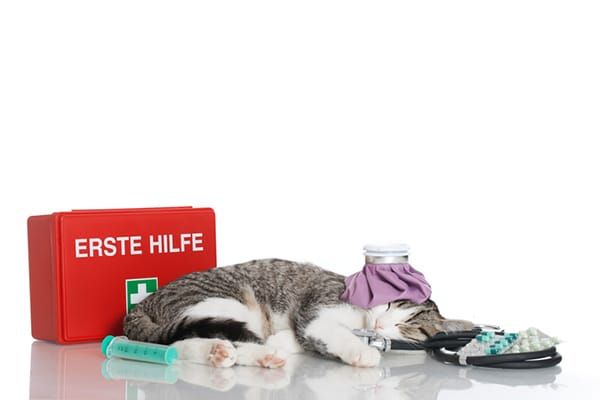
Cats are great at masking pain, which makes it more difficult for kitty parents to identify what’s an emergency and what’s not, particularly early on. Here are some signs in cats that call for emergency vet care, no matter the time of night or day, along with resources for finding a 24-hour or emergency vet if you don’t already have one.
However, if your cat is unwell, yowling in pain, struggling to breathe, unable to walk, collapsed, straining to urinate or defecate, having seizures, has ingested a potentially toxic substance, or any other reason why you have come to this article, please do not waste precious time and get in touch with your vet immediately. You can always come back to this article later on when your kitty has been taken care of. Please be mindful that this list isn’t exhaustive.

1. If Your Cat Has Difficulty Breathing
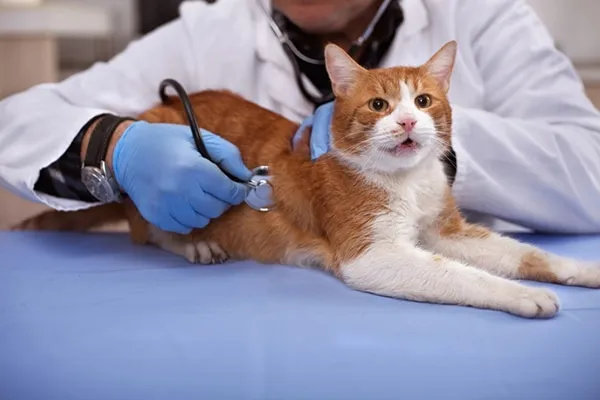
If your cat shows signs of labored breathing, it’s a matter of minutes before the situation could become dangerous and even fatal. Unlike dogs, it’s not normal for cats to pant or breathe with their mouths open. Other red flags include wheezing, dried-up nasal discharge blocking their nose, obvious chest and/or abdominal effort when breathing, low body and chest stance with front legs wide apart, severe lethargy, and abnormal respiratory sounds.
Keep your cat calm, but get to your vet as soon as possible if your cat has any form of breathing difficulties.
2. If Your Cat Is Experiencing Repeated Vomiting/Diarrhea
Cats sometimes vomit, but if you notice your cat vomiting several times a day and not being able to keep any food down, it’s time to investigate the possibility that they’ve ingested something dangerous or they have developed a serious gastroenteritis or pancreatitis, or an underlying organ system disease. Vomiting and/or diarrhea could also be signs of parasites, a sudden change in diet, or even an infectious disease. Vomiting and diarrhea could also quickly lead to dehydration and electrolyte disbalance, so seek out an emergency vet right away.

3. If Your Cat Has Experienced Trauma
Trauma warrants an examination, even if the cat appears unharmed. Trauma can occur after a fall from an elevated location, being hit by a vehicle, an attack by another animal or any other type of accident.
A cat could emerge from such a situation with lacerations, broken bones, internal injuries, blood loss, shock, or more but may seem fairly normal to begin with. Seek emergency care immediately so your vet can treat their injuries and make sure they are not life threatening or internal.
4. If Your Cat Ingests Any Foreign Bodies
Cats are playful and are known for chasing string-like objects. Ingesting objects like string, dental floss, ribbons, or fishing wire can cause them to get stuck around the base of the tongue or back of the throat, often anchoring there and still ending up being swallowed, or it may cause gastrointestinal obstruction, choking, and perforation of the digestive tract. If you see a string-like object hanging from your cat’s bottom, do not attempt to remove it, as it may be anchored somewhere further up in the intestine — seek veterinary attention.
Maybe you haven’t seen your cat eating a specific foreign body but you suspect they would, while your cat is vomiting and not feeling well. Again, get them seen by the vet before the condition worsens.
5. If Your Cat Is Experiencing Seizures
Epilepsy, brain tumors, brain swelling, viral disease, Toxoplasmosis, toxin ingestion, low blood sugar, and electrolyte issues are just some of the causes of seizures in cats. Report any episodes of this abnormal brain activity to a medical professional immediately, so they can stop the seizure using appropriate medication and start getting down to the root cause.
6. If Your Cat Has Ingested Something Toxic
The signs may vary depending on the type of toxin, but if you suspect your cat has ingested a toxic substance of any kind, take them to the vet as soon as possible. The longer you wait, as your cat is unlikely to show signs for hours or longer in case of some toxins, the worse the condition will get. At that stage your vet can only treat the consequences symptomatically, while if they see your cat as soon as they have ingested a potentially toxic substance, they may recommend making the cat vomit using particular medications or administering preemptive intravenous fluids and activated charcoal based on the toxin in question.
If you have a question about a particular substance, call your vet, who can also advise if your cat needs to be seen immediately, or the ASPCA Animal Poison Control. Some common toxins for cats include lilies, chocolate, medication (prescription and over-the-counter), cleaning products, insecticides, rodenticides, and gardening products. It goes without saying to make sure all of these harmful and toxic substances and products are kept well away from your cat at all times.
Signs of poisoning may include drooling, mouth and throat irritation, eye and nose irritation, breathing difficulties, skin and paw irritation, wobbliness, loss of coordination, vomiting, diarrhea, increased thirst and urination, twitching, tremors, seizures, and many more.
7. If Your Cat Is Having Difficulty Urinating
If your cat, particularly a male, strains to urinate, it could indicate a lower urinary tract issue, often caused by inflammation, stones or crystals in the bladder, blood clots, urethral spasm, idiopathic cystitis (without an identifiable cause), infection, stress, cancer, and a few others. This is another life-threatening emergency!
When the cat is straining to pee, passing very little urine that can be bloody, or passing no urine at all while crying, constantly going in and out of their litter box, and sometimes vomiting, it’s very likely that their bladder is blocked. They physically cannot pee, as something is obstructing their urethra.
This means the bladder will continue filling with urine and may rupture if the condition is not treated urgently. It will also lead to kidney damage, electrolyte disbalance, and metabolic acidosis, all of which can lead to death if left untreated or if the treatment is delayed.
8. If Your Cat Isn’t Eating or Drinking
A cat not eating could be a result of a cat’s dislike of a new food — but it’s not common for a cat to go a full day without eating or drinking. If you notice this behavior, contact an emergency vet to rule out a fever, kidney or liver disease, pancreatitis, complications from diabetes, cancer, intestinal obstruction, and many others.
Cats that do not eat for 24 hours or more, particularly overweight ones, may be at risk of liver damage, also called hepatic lipidosis.
9. If Your Cat Cannot Walk
If your indoor or outdoor cat is suddenly not able to walk, is unsteady on their feet, falling over, not able to use one or more of their legs, or is dragging themselves around, this is an emergency.
Some cats may be obviously in pain by meowing or yowling, or some may not vocalize at all. The leg or legs in question may have obvious signs of trauma, such as a wound, swelling, pus, bleeding, or an obvious fracture. But sometimes, nothing is obvious and the cat is still not able to walk. Spinal injuries, closed fractures and blood clots are just some of the possible explanations for this emergency situation.
10. If Your Cat Isn’t Responsive to You or Outside Stimuli
If your cat is very weak, barely responsive when you try to pick them up, or not responsive at all, it’s crucial to rush them to your vet immediately. There are many causes for such sudden collapse, and the sooner your vet can get down to the problem, the better.
In some cases, if your cat is too ill and not responding to the veterinary treatment, your vet may sadly recommend euthanasia if they feel the cat is too ill and is suffering with low or no chances of recovery at all.
11. If Your Cat Is Yowling in Pain
You may think that cats vocalize as a sign of seeking attention, communicating with other cats, or experiencing an interest in a potential mate if they are not neutered or spayed, but they will also meow and yowl when in pain. Some may be more subtle, while being clingy and hiding, while others may be yowling loudly.
A very serious emergency is when a blood clot causes an obstruction of blood flow, most commonly to both back legs in cats with a very advanced heart disease or even heart failure. These cats experience very sudden and overwhelming pain, are not able to use their legs, and attempt to drag themselves around, all while yowling. They need to be seen by your vet immediately, as this condition is extremely painful and may be fatal. They may have breathing difficulty at the same time or pant.
How to Find an Emergency Vet or Emergency Help for Your Cat
At your regular vet visits, ask a professional if the clinic offers 24/7 emergency vet care — and if not, ask for a recommendation. Always have a cat first-aid kit and a safe and comfortable cat carrier ready to go. Keep your vet clinic’s number, as well as the emergency facility’s information, in your phone or wallet and a visible location within your home. If the emergency clinic is not in an area with which you’re familiar, make a test run so you’re not concerned about directions during an actual emergency.
It’s a good idea to plan beforehand, but accidents do happen. If you find yourself dealing with a cat accident, Google “24-hour vet near me” or “emergency vet near me” and allow Google to use your location for the most accurate results.
ASPCA’s Animal Poison Control Center Phone Number (888-426-4435) or the Pet Poison Helpline (855-764-7661) are open 24 hours, 7 days a week, 365 days a year, for a fee and are helpful if your cat ingests something potentially harmful — but we still suggest taking them to the vet as soon as possible.
Conclusion
You know your cat’s habits and behaviors better than anyone, so if you notice any of the above signs that indicate an emergency situation, don’t delay — call your vet or head to the nearest emergency clinic straight away.
Even if you’re not sure if your cat is having an emergency health issue and whether you should take them, still call the vet for advice, as they will be able to tell you what to do or reassure you. Wasting time may mean the difference between successful treatment and recovery or a sad outcome for your kitty.
Read more about cats and emergencies on Catster.com:
Featured Image by DoraZett/Thinkstock.
Expert cat care, straight to your inbox
News, insights, and useful advice, delivered to you.

No spam — unsubscribe anytime.
By signing up, you agree to our Terms & Conditions and Privacy & Cookies Policy.
How useful was this post?
Click a star to rate. You can leave written feedback afterwards. (We read all feedback.)
Angie Bailey, an award-winning writer, podcaster, and humorist, is the author of Texts from Mittens and Whiskerslist: The Kitty Classifieds. She’s written cat humor for over a decade, and lives in Minneapolis with her fiancé and two cats — Phoebe, a sassy senior and Janet, a teenage kitty with tons of tortitude.