Why Does My Cat Sleep at My Feet? 6 Vet-Reviewed Reasons Behind This Behavior


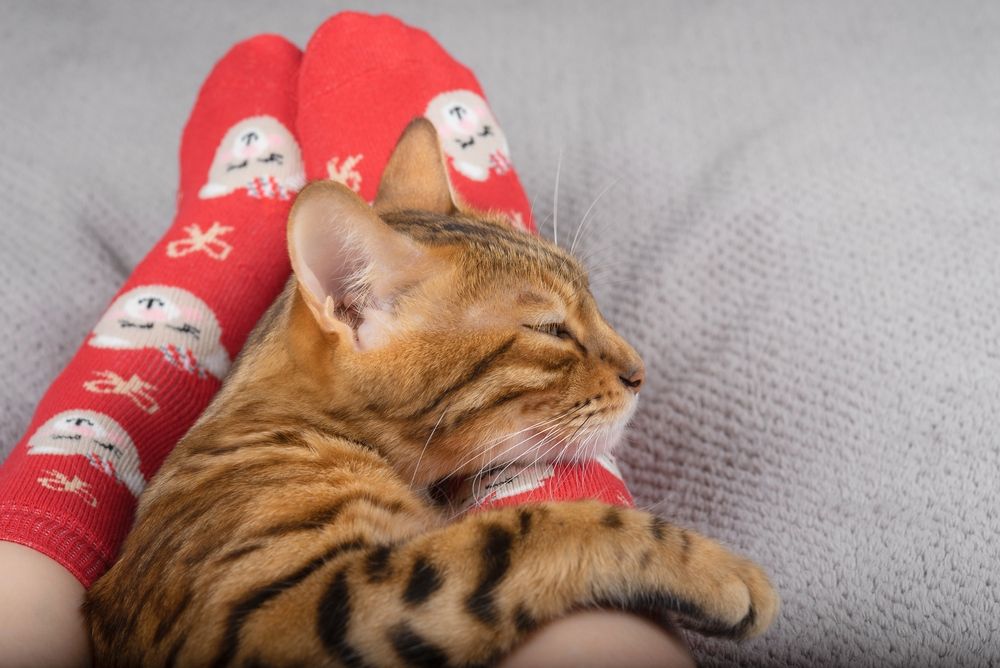
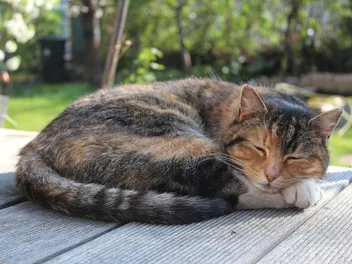
Cats love to nap, with some spending more than 15 hours per day asleep. But cats can be pretty particular about where they snooze. Most have favorite places they return to over and over when it's time to get some rest. Some even stick to specific routines and spend mornings napping in the bedroom and afternoons sleeping somewhere sunlit and cheery.
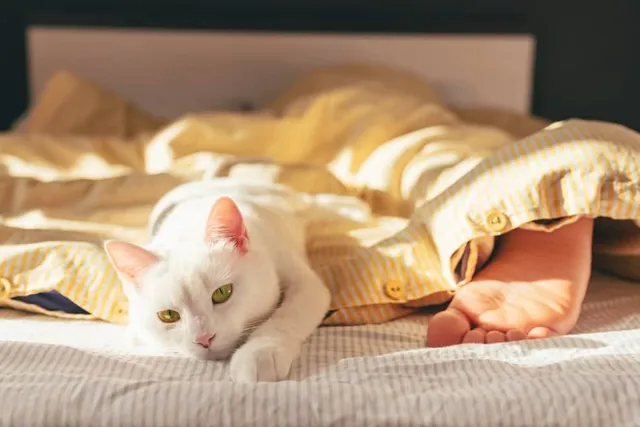
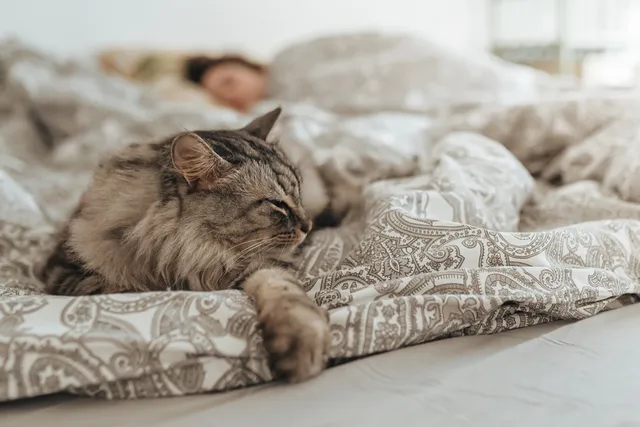
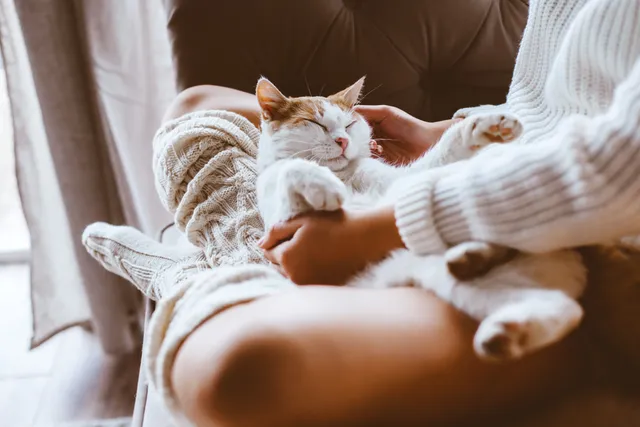
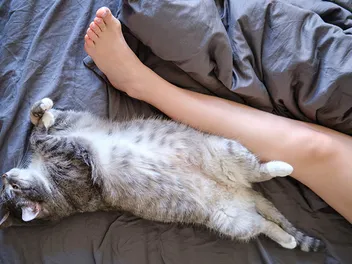
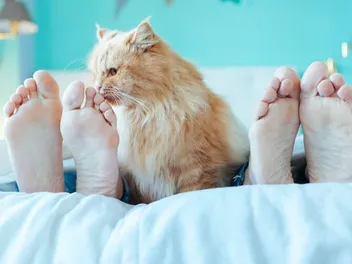
But given a chance, cats will often cuddle up with the person they love, whether they’re going to bed for the night, taking a nap on the couch, or quietly reading a book in a chair. Felines that regularly sleep or nap with their owners often sleep at their favorite humans’ feet. But why do cats sleep at your feet? Kitties curl up in places where they feel safe, comfortable, and warm. Read on for six possible reasons your cat loves to sleep at your feet.

Why Does My Cat Sleep at My Feet? 6 Reasons
Please Note: The following reasons are primarily anecdotal and it might not be possible to know the exact reason as to why your cat sleeps at your feet. It’s important to keep in mind that cats are individuals with their own preferences. As such, much of what can be deduced about their choices is speculation.
1. It Makes Them Feel Safe
The most likely reason cats sleep at your feet is it makes them feel safe and secure. It's one of the reasons hiding out in cardboard boxes is so popular among the feline set! While enclosed spaces provide cats with a sense of safety, being around trusted humans does as well!
Studies have shown that cats that have bonded with their owners seek their humans out for comfort and a sense of security. All animals are vulnerable to attack when sleeping, which is why cats prefer to sleep only in places where they feel safe. A cat that feels loved and protected will often sleep near their favorite human. This might be reflected in their choice to sleep at your feet.

2. It's Not Too Hot
Cats prefer warm environments. They're most comfortable in temperatures ranging from 77–86°F (25–30°C). Cats often deal with cool indoor temperatures by snuggling up to their favorite human to feel a bit of warmth. However it is important to note that cats are naturally warmer than humans as well.
Many start off sleeping on their owner's head or chest where it's nice and warm. But over the course of the night, all that warmth can become a bit too much, prompting some cats to move to the cooler climes around your feet, which has one huge potential benefit for you—toasty feet.
Because cats typically have body temperatures higher than us, they make lovely winter snuggle buddies and purring foot warmers.
3. It Protects Them from Wild Human Flailings
Humans can be unpredictable creatures, at least according to feline understandings of the world. Humans are big, uncoordinated creatures who do all manner of strange things, at least when judged by feline standards.
Very few people remain completely still after falling asleep, with most people shifting positions 40 to 50 times per night. It makes perfect sense that a cat might prefer to sleep somewhere where they can easily escape a fitful sleeper's flailing limbs. Humans typically are most physically active in the lighter sleep stages. During REM sleep, most people experience muscle atonia, otherwise known as temporary muscle paralysis.

4. It Gives Them a Quick Escape Route
Cats are most active during dusk and dawn when their ability to see relatively well in low light gives them an advantage in finding and catching prey. The middle of the night is a popular time for the zoomies when your cat inexplicably starts running about as if possessed.
From zoomies to filling an empty tummy, cats have many things they like to do at night. Being close to your feet at the end of the bed makes it easy for your cat to slip away without disturbing you. Thanks to your cat's strategic thinking, you don’t need to wake up every time your buddy wants to visit the litter box at 2 a.m.
5. It Allows Them to Protect You
Some cats are protective of their human companions. It’s common for cats to sleep at your feet because they intuitively understand that you're most vulnerable when asleep. They perch close by so they can keep track of things and alert you if something unexpected happens.
Hanging out closer to your feet allows your cat to take a more central position in the bed—and probably your room—giving them a 360-degree view of their surroundings. And because the sheets and blankets at the foot end of the bed are usually tucked in, being near your feet keeps your cat from getting caught in the bedding if they need to react to something, like a can of tuna being opened by someone in the kitchen.

6. It Lets Them Be Close to You
Cats become attached to their companions, often mourning the death of long-time owners. They also adapt to their owner's personality and even attempt to comfort distressed human companions.
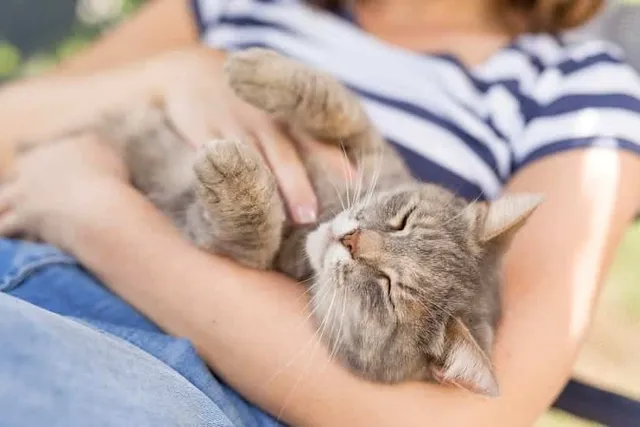
Cats often prefer the company of their favorite person to playing with toys or eating treats. And they love to sleep with the people they love and care about. It's a sign of pure affection when a cat decides to spend their nights snoozing in your bed.

Our Favorite Cat Bed Is ...
Paying close attention to where your cat enjoys sleeping is part of the magic in finding them a bed that's suitable to their individual needs. Factoring in their comfort requirements, length of naps, and where they prefer to be when they rest are considerations you must take when choosing the purrfect bed! After plenty of research, this was our top pick for practicality, design and comfort.
The Hepper Nest Bed

- COMFY KITTY - Your cat or kitten will have an amazingly deep sleep in this self warming, nesting cat bed. The warm, fluffy cat bed lining provides calming stress relief for cats of all ages.
- PRETTY HOME - This round cat bed has a modern and unique design that’s perfect for a sleek indoor look. We don’t think of it as cat furniture but think of the Cat Nest as a “cat home”.
- SPACE SAVER - Reclaim your desk, window sill, or couch from kitten encroachment. This calming nest cat bed has an elevated, space-saving hideout so comfortable your kitty can't resist!
Cats are known to be particular about their beds which is why finding the right one often poses a challenge for pet owners. The modern design of the Hepper Nest Bed was thoughtfully created for maximum coziness that many cats cannot resist. Molded into a comfy bowl shape that cradles your cat with a self-warming fleece insert, you’ll have a hard time getting your cat up from their daily naps. One of the Nest's best features is that is portable - meaning you can easily provide your cat with a comfortable place to sleep, regardless of where they plan to catch some zzz's!
At Catster, we’ve admired Hepper for many years and decided to take a controlling ownership interest so that we could benefit from the outstanding designs of this cool cat company!
Conclusion
Living with a cat comes with several benefits. Feline buddies provide companionship and love, and many bond deeply with their human companions. Cats prefer sleeping in places where they feel safe. So, please take it as a compliment that your cat sleeps at your feet; it probably means they feel safe and protected. Sleeping at your feet keeps your cat safe if you’re prone to being a restless sleeper. And it usually places cats in the middle of the room, allowing them to monitor what’s happening. The foot of the bed is also a great position from which to slip off for cat snacks and zoomie breaks.
Related Read: Do Kittens Sleep a Lot? Vet-Reviewed Facts & FAQ
Sources
Featured Image Credit: Svetlana Rey, Shutterstock
Expert cat care, straight to your inbox
News, insights, and useful advice, delivered to you.

No spam — unsubscribe anytime.
By signing up, you agree to our Terms & Conditions and Privacy & Cookies Policy.
How useful was this post?
Click a star to rate. You can leave written feedback afterwards. (We read all feedback.)
Lorre Luther is a writer who is firmly convinced that cats are smarter than humans. She left her law career in the United States and moved to the Netherlands to follow her dream of becoming a writer. Lorre currently lives in Rotterdam, she enjoys traveling and greatly appreciates the beauty of nature. Lorre has a spot for animals and admires the intelligence of cats.