When Do Cats Stop Growing & Reach Their Full Size? Vet-Verified Facts & FAQ


In this article
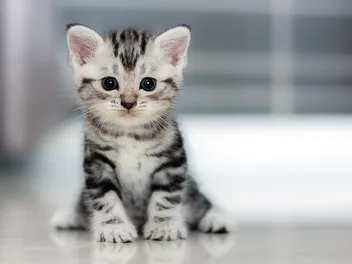
As you witness a kitten starting to grow up, you may wish they could remain at a young age for as long as possible. But, as we all know, that tiny, fluffy, playful period has to come to an end at some point. When do kittens stop growing exactly? As kittens age, you will begin to notice their bigger size and larger appetites alongside other changes happening, and kittens will hit these milestones and many other life events at different ages. This process can seemingly occur rapidly, and there are various factors that affect when a kitten will reach their full size. So, when is a kitten fully grown?
Most kittens are fully grown around the age of 12 months old. Cats come in all different sizes and breeds, and this can give you varying answers and results, so let’s find out more about when your kitten becomes an adult cat and how big they are likely to get in size and weight.

When Do Cats Stop Growing?
According to the American Animal Hospital Association, 12 months old is the age when most kittens are fully grown1. At this age, your kitty then enters the next life stage as an adult cat, and they’ll remain an adult until they reach the age of around 7 years old, when they are then considered a mature adult. There are exceptions to this, however, which can be seen quite commonly, causing a variation to the 12-month-old general figure. We will examine these reasons next, as it often depends on the type of cat you have.


When Are Cats Fully Grown?
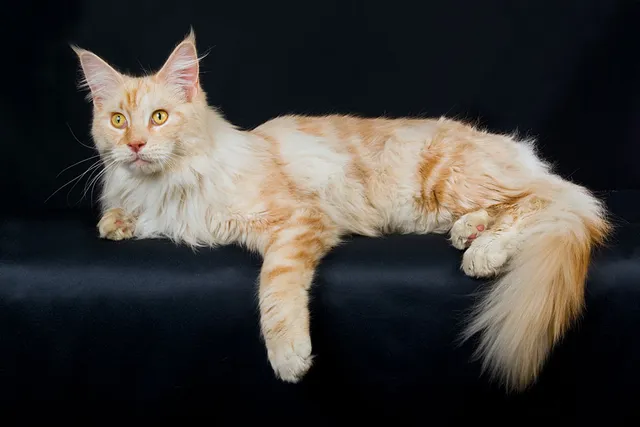
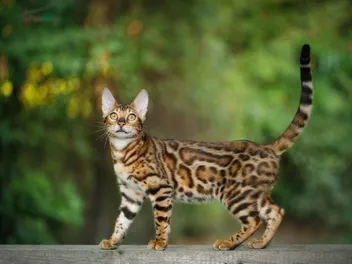
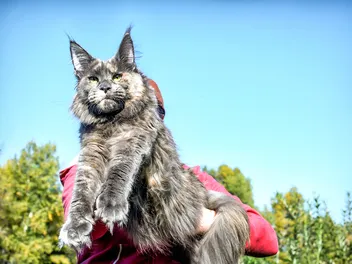
As we have already discussed, most kittens reach their full size around 12 months old. This timeframe, however, can vary. Some breeds are naturally large, and how long these cats take to be fully grown will be longer. The Maine Coon is a great example. These huge and sophisticated felines continue to grow way past 12 months of age, reaching their full size between 3 to 5 years old instead.
If your cat is a standard domestic short- or long-haired cat, they could be crossed with a large breed like the Maine Coon and therefore may have inherited some of the genes responsible for their giant size, which could mean they continue to grow past 12 months old.
Medical conditions can cause significant differences in a kitten reaching their suggested normal size and weight, even though they have attained adult age. Dwarfism, although not commonly seen in cats, is a rare genetic disorder and an example of such a case where a kitten is officially an adult but is much smaller in size than would be expected or predicted.
Other Key Stages in a Kitten’s Life:

Can I Tell How Big My Kitten Will Get?
The majority of cats do most of their growth at a relatively rapid rate during the first 6 months of life. This is only a general rule, however, to give one a rough idea, as it doesn’t allow for all the differences between kittens and the variables that affect how big they will get.
The factors outlined below all play a part in determining this answer, and the World Animal Foundation also has a useful calculator to help you estimate their fully grown size.
1. Breed
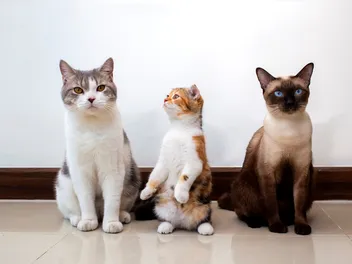
Small and medium breeds usually reach a full average size of around 10 pounds by 12 months old. Large breeds like the Maine Coon will reach a full size of approximately 8 to 25 pounds by 3 to 5 years old.

2. Sex
Male cats tend to be heavier and grow at slightly slower rates but for longer when compared to females.
3. Bone Growth
As their bones and growth plates develop, these eventually help your kitten reach their full size. This can be at different rates for each kitten, although they follow a generalized pattern.
4. Sexual Maturity
It is worth noting that cats will reach sexual maturity before they reach adulthood and are therefore capable of reproducing at around 4 to 9 months old. This is quite some time before they are fully grown physically or classed as adults.

5. Genetics
Genetics also play a role in the size of your cat. Your veterinarian is the best person to assist with anything regarding their genetics and how it may or may not affect your kitten’s growth and size.
6. Litter Size
The size of the litter and the care they received as young kittens can influence their growth. If they had to fight for milk or food either from their mother or their caregiver, they could develop slower and be smaller in size. Living conditions as a young kitten can also play a role in their adult health, as a poor environment and care do not support health and growth in the same way as a good environment does.

7. Nutrition and Diet
You’ve likely heard the phrase, “You are what you eat.” This common phrase can be true of cats, too. The better the quality of food and the correct balance of nutrition they eat, the better their health and well-being, which can affect how they grow, although this likely won’t affect their height but will definitely affect their weight. A poorly fed cat or a kitten fed incorrectly will be more likely to struggle and be more prone to certain health issues.
How Big Is the Average Cat?
While the size of a cat can vary depending on various factors, expect an average domestic cat to weigh between 6 and 12 pounds.

Conclusion
Imagining how big a cat will get and what they will look like is a fun part of pet ownership, but it’s hard to determine how big they will get because so many different factors play a role. Ultimately, only time will tell. Every cat is different and, as we have learned, there are numerous variables to take into account when providing this estimation. If you are concerned about your kittens' growth and require more details on their sizing, please check in with your veterinarian who can help further.
Featured Image Credit: Elena Loginova, Shutterstock
Expert cat care, straight to your inbox
News, insights, and useful advice, delivered to you.

No spam — unsubscribe anytime.
By signing up, you agree to our Terms & Conditions and Privacy & Cookies Policy.
How useful was this post?
Click a star to rate. You can leave written feedback afterwards. (We read all feedback.)
Annaliese qualified as a veterinary nurse from Edinburgh and went on to attain a diploma in advanced veterinary nursing in surgery from London. Throughout this time, she worked in both small and mixed veterinary practices and gained head nurse status.
Having cared for thousands of patients and owners, and after more than two decades in the veterinary and pet care industries, both as a vet and a writer, she has now officially retired her scrub suit and now works as a full-time writer.