Why Does My Cat Keep Licking Their Lips? 5 Vet Reviewed Reasons


In this article
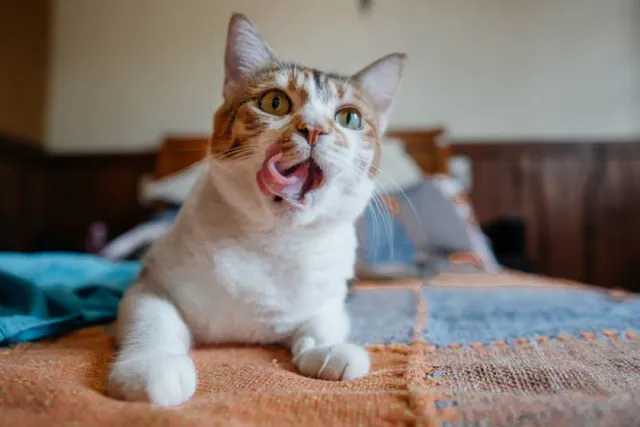
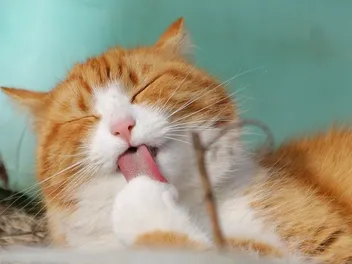
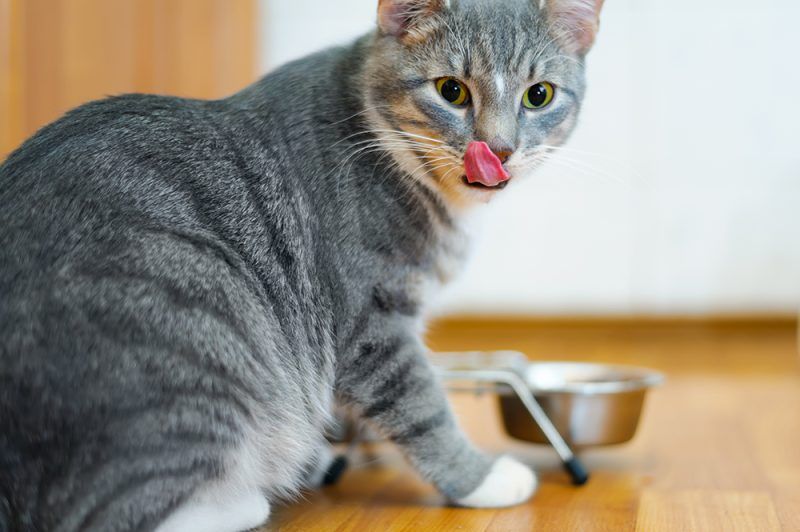
Cat's licking their lips can be a very common behavior, but now every time you look over they seem to be doing it. Maybe you wrote this as normal, but they just won't seem to stop. So, if they didn't just eat a tasty treat, what could cause this behavior? Is it a sign of concern? The good news is: not usually.
But several factors might cause it, so you need to know what you're looking for. Let's discuss some reasons your cat keeps licking it’s lips. Plus, find out what you can do to help if the situation calls for it.

The 5 Reasons Why Your Cat Keeps Licking Their Lips
1. Your Cat Is Grooming or Cleaning Up
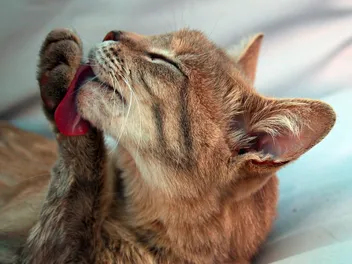
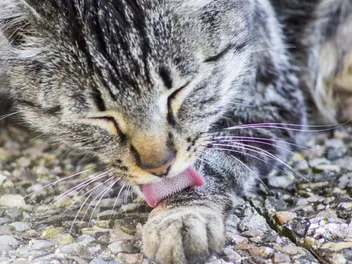
Anyone who owns a feline knows just how clean they want to be. It might surprise you that cats spend over 5 hours a day grooming their bodies. They prefer their fur to be clean, debris-free, and sleek. Some cats may exhibit more or less of this behavior.
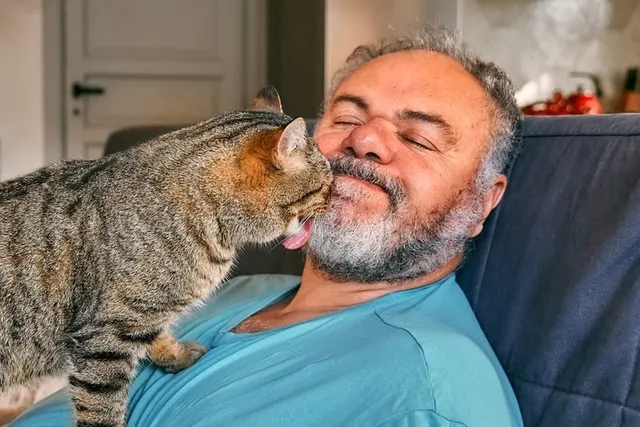
If you notice that your cat is licking their lips excessively after eating, it could be that they are just trying to clean the outside of their mouth. Some cats might be more obsessive about cleaning than others, but you need to look for other signs to point you in the right direction.
Start to pay attention to when your cat is licking their lips. If you find that it is directly after mealtime or once they've had a drink, you might be able to conclude on your own that this is, in fact, the reason.
2. Your Cat Might Suffer From Oral Disease
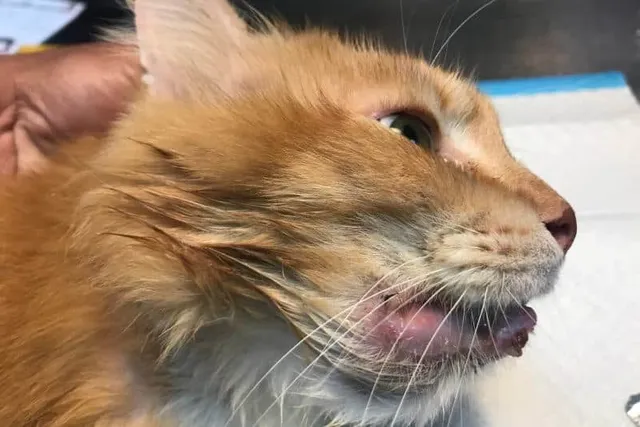
If you have a cat, particularly one that is advancing in years, oral disease is one of the most common things that can happen. There are several specific dental conditions that your cat might have.
Some of these issues include the following:
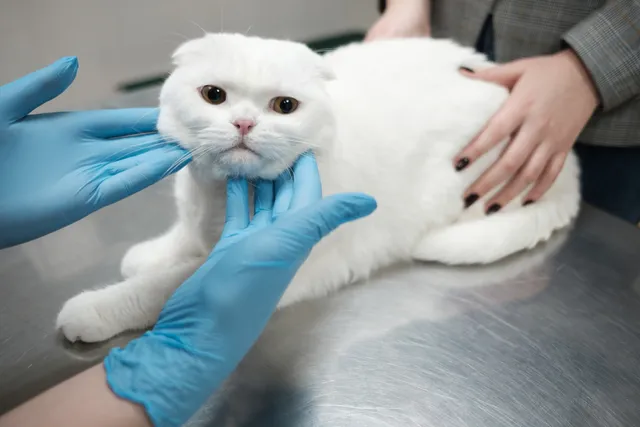
Your veterinarian can examine your cat's mouth to determine if they have any dental or oral issues. Once they check things out, they can recommend how to move forward. It could be something as simple as starting a brushing routine or as complicated as dental surgery.
To get ahead of any of these developing issues, it is crucial to brush their teeth and keep them clean no matter how much your kitty resists. Sometimes wet food can contribute to plaque buildup on the teeth, which can decay over time.
Developing a routine with your cat where you brush their teeth might take some getting used to, but eventually, they will acclimate. Also, offering dry kibble is a great way to clean the plaque off of their teeth; the crunch helps to reduce the buildup of plaque on their enamel and gumline.

3. Your Cat Ate Something Toxic
It’s no secret that our cats eat things that they are not supposed to sometimes. You might look over to see one of them nibbling on inedible items or your favorite house plant. Certain things can be very toxic to our felines that we might not realize.
Others can be mildly toxic, not enough to cause significant signs but enough to irritate. If your cat eats something that is not agreeing with them, they might lick their lips or salivate. If your cat presents any of these other signs that accompany lip licking, bring your cat to the veterinary clinic immediately.
Other signs to look out for:
Because toxicity to certain things can be quite dangerous, you need to make sure you get ahead of the issue. If suddenly your cat starts licking their lips excessively along with displaying other signs, you must take them to their veterinarian right away. You never know just how toxic something is and how life-threatening it could be.
4. Your Cat Is Nauseous
If your cat has an upset stomach, it might cause this behavior. Often, when a cat isn't feeling the greatest, they might lick their lips as a sign of pain and irritation. If this is often happening due to nausea, there is most likely an underlying cause. Cats are not supposed to be nauseous all the time. It could be caused by anything from a scent that you use in your household to some food sensitivity.
In addition to lip-licking, you might notice the other signs that can point to nausea:
While sometimes nausea can be a simple fix, it can point to more severe health issues.
Some additional causes for cat nausea include:
But if you do suspect that the nausea is ongoing, make an appointment with your veterinarian so they can examine your pet. They might have to run lab work testing to pinpoint exactly what's off. In the event that it's food-related, they might have you try food trials so they can pinpoint the ingredient that is giving the cat grief.

5. Your Cat Might Have Allergies
If your cat is irritated with allergies, they might be licking their lips because they're itchy. Allergies can be quite irritating, as anyone who suffers from them can contest to. Allergies might stem from environmental factors or food-related triggers. Other signs accompany allergies that could be apparent clues.
Look for different allergic reaction cues, such as:
If you are concerned about the possibility of allergies, work alongside your veterinarian to determine the cause.
There Might Be Other Explanations, but Ask a Vet
Unfortunately, it is hard to pinpoint the exact cause of lip-licking without a proper examination. To rule out anything severe or significant, you should always make sure to take your pet to see its own special doctor. You can work to get ahead of any conditions that might be developing.
There is no advice that is a substitute for a professional diagnosis. Mentally note any additional signs and work with your vet directly if necessary.
See Also:
Sources
Featured Image Credit: mik ulyannikov, Shutterstock
Expert cat care, straight to your inbox
News, insights, and useful advice, delivered to you.

No spam — unsubscribe anytime.
By signing up, you agree to our Terms & Conditions and Privacy & Cookies Policy.
How useful was this post?
Click a star to rate. You can leave written feedback afterwards. (We read all feedback.)
As a freelance dog writer and passionate pet enthusiast, Ashley Bates is pursuing studies in animal therapy. A mother to four human children and 23 animal companions, Ashley is dedicated to volunteering at shelters, advocating for animal rights, and rescuing animals in need. Her goal is to spread awareness, provide education, and offer entertainment about pets to reduce homelessness. Ashley's specialties include dogs and cats.