Do Cats Get Tired of Meowing? Vet-Reviewed Feline Sounds Facts


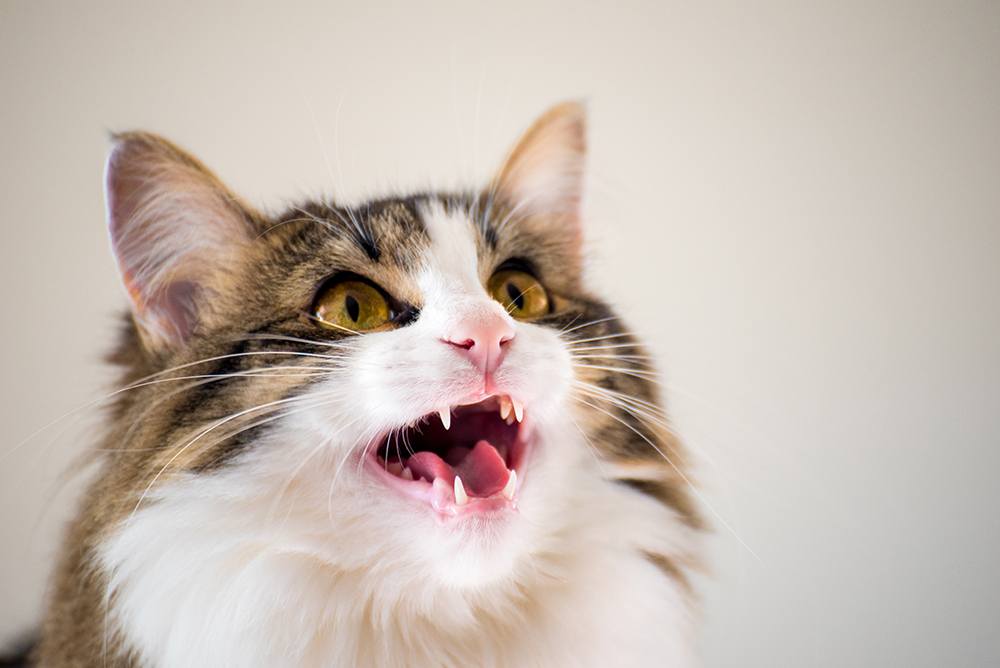
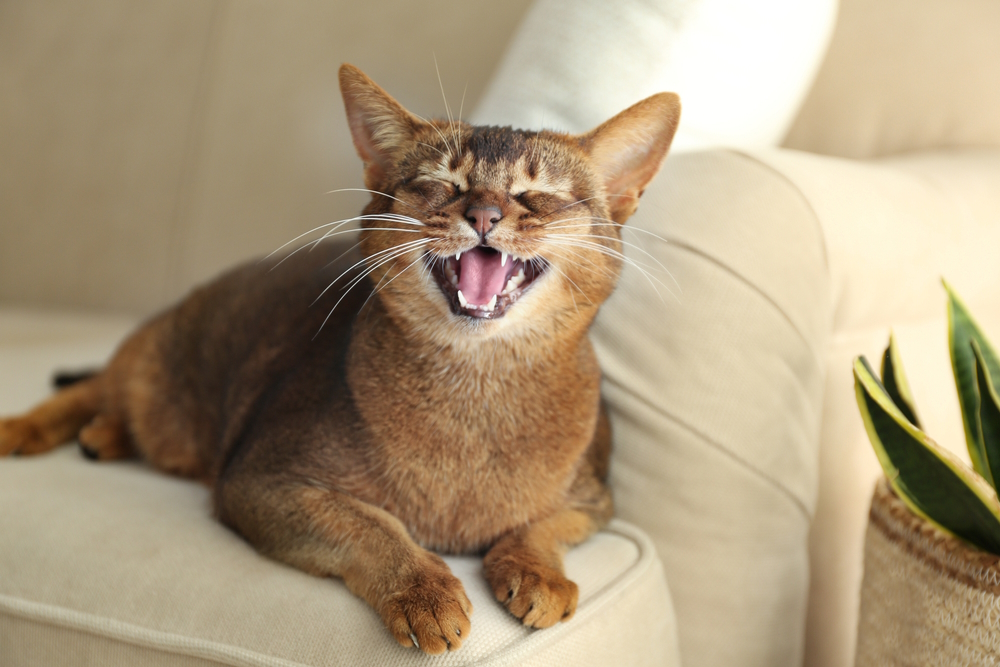
Some cats are all mouth—meowing, meowing, meowing. Do they ever get sick of it? Well, if they do, they probably would just stop, right? After all, doesn’t everyone get sick of hearing themselves after a while?
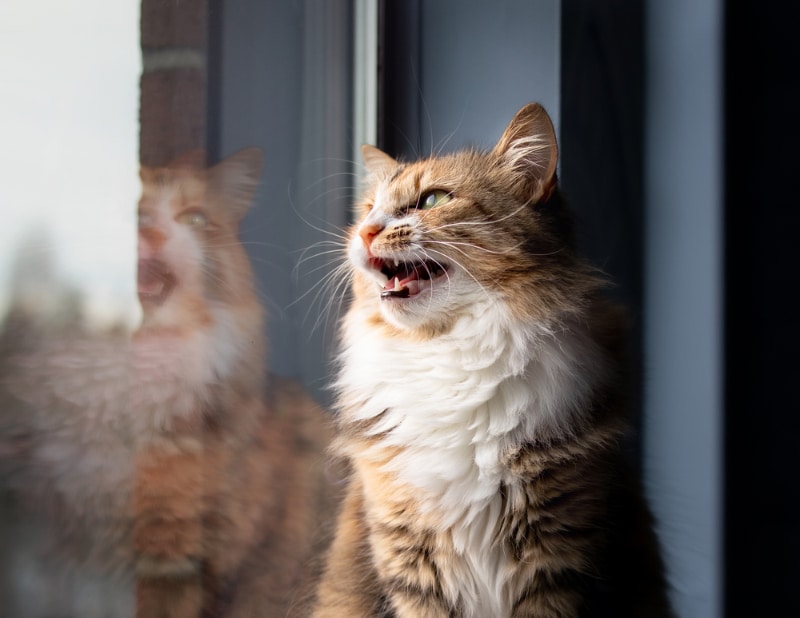
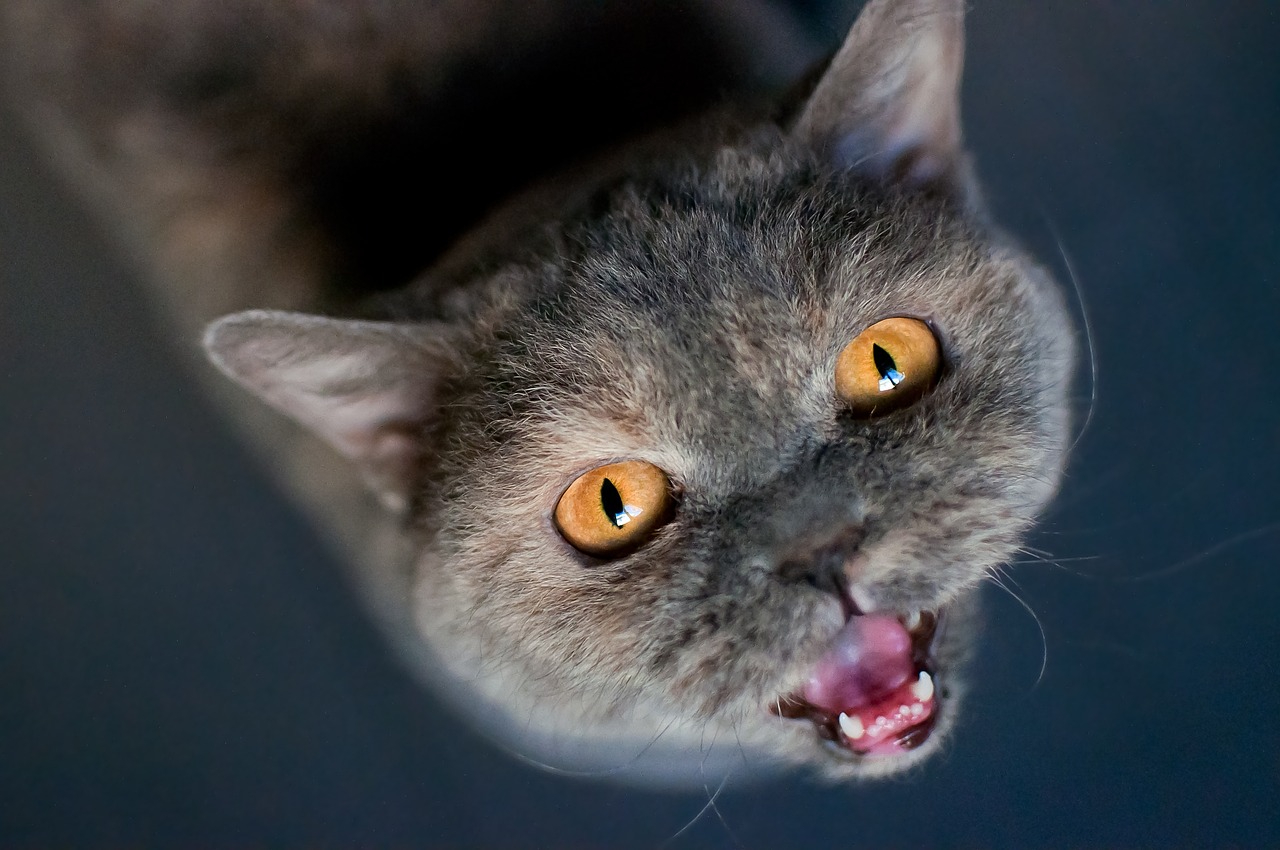
Your cat “getting tired of meowing” will depend greatly on why they are meowing and whether their needs, which are the usual cause for their meowing, have been met. Some cats barely vocalize, while others are quite talkative. With those Chatty Cathys, you might be sick of it, but it doesn’t really sound like they are, does it? Let’s learn more about kitty behaviors!

Cats and Their Meow
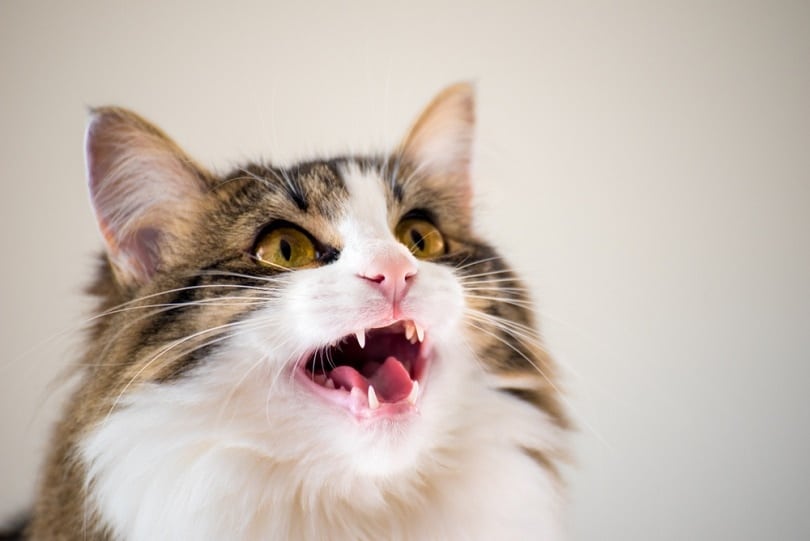
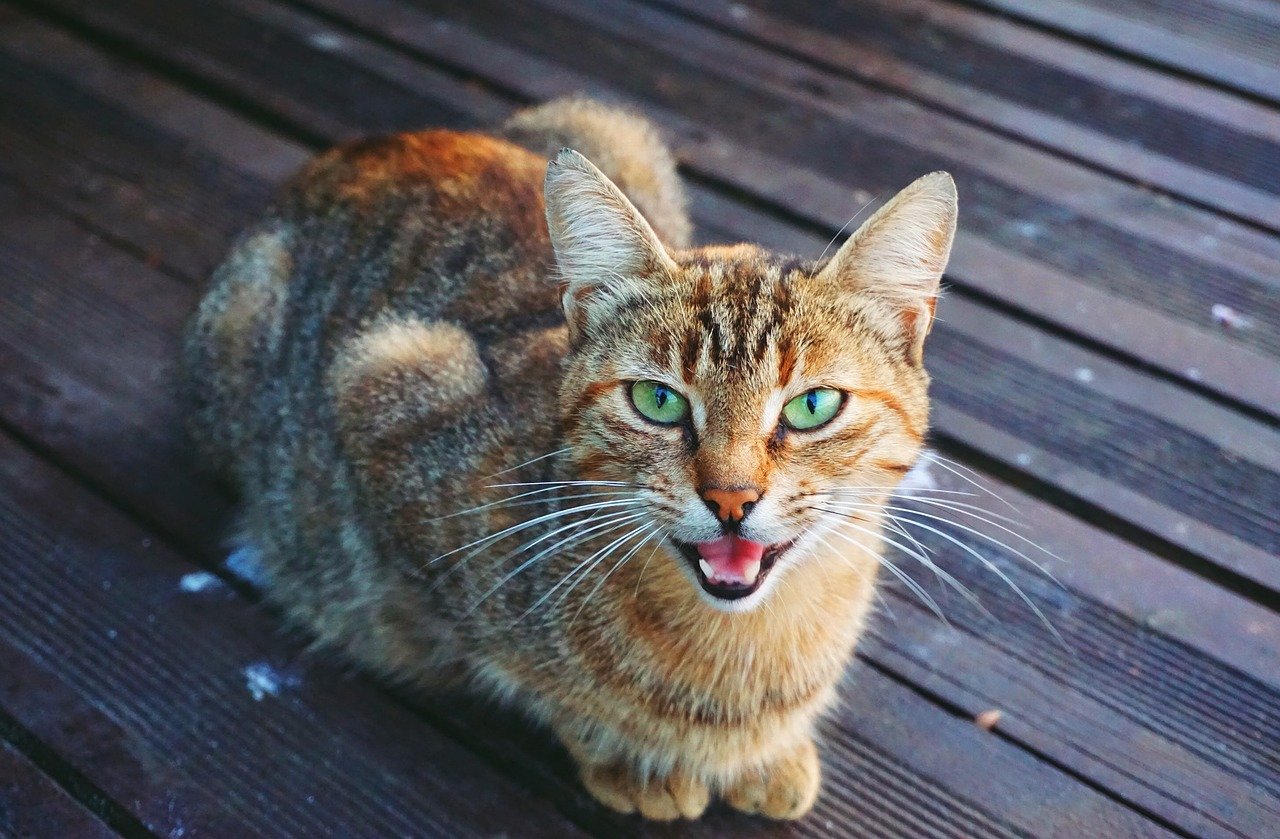
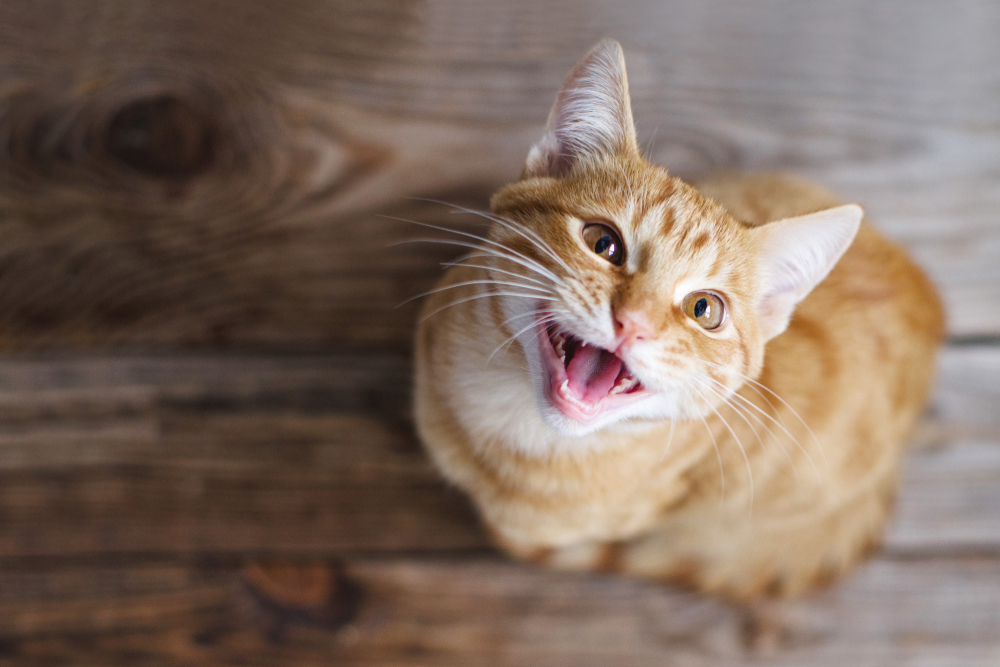
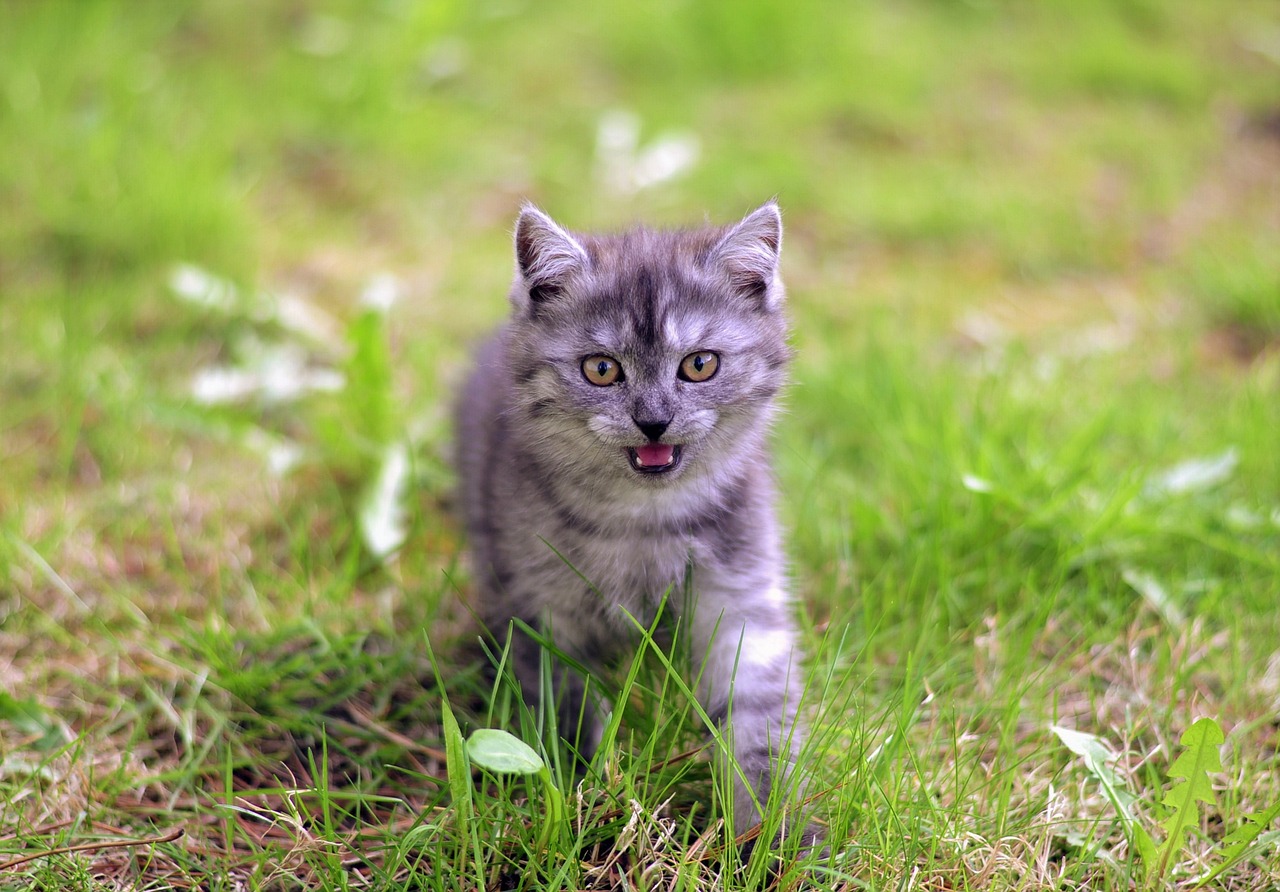
Many kitties are vocal about one thing or another—whether it's when they get hungry or want extra attention. They use it as a method of communication with their humans—and maybe it's because we're talking all the time!
Meowing isn't all cats accomplish! They have a series of different vocalizations that match their mood: growling, chirping, hissing, yowling—you name it. Each one has its own special meaning. So, it's safe to say that if a cat ever got sick of meowing, they have tons of vocal exercises to try out instead!
Do Cats Get Tired of Meowing?
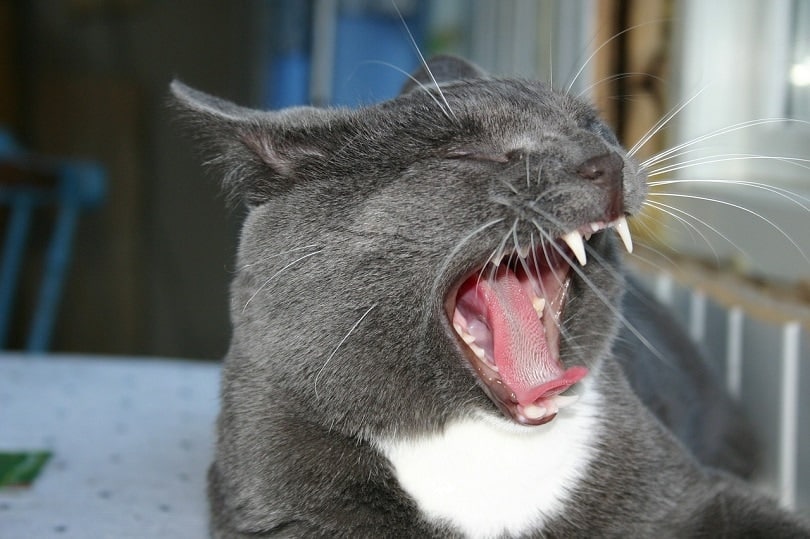
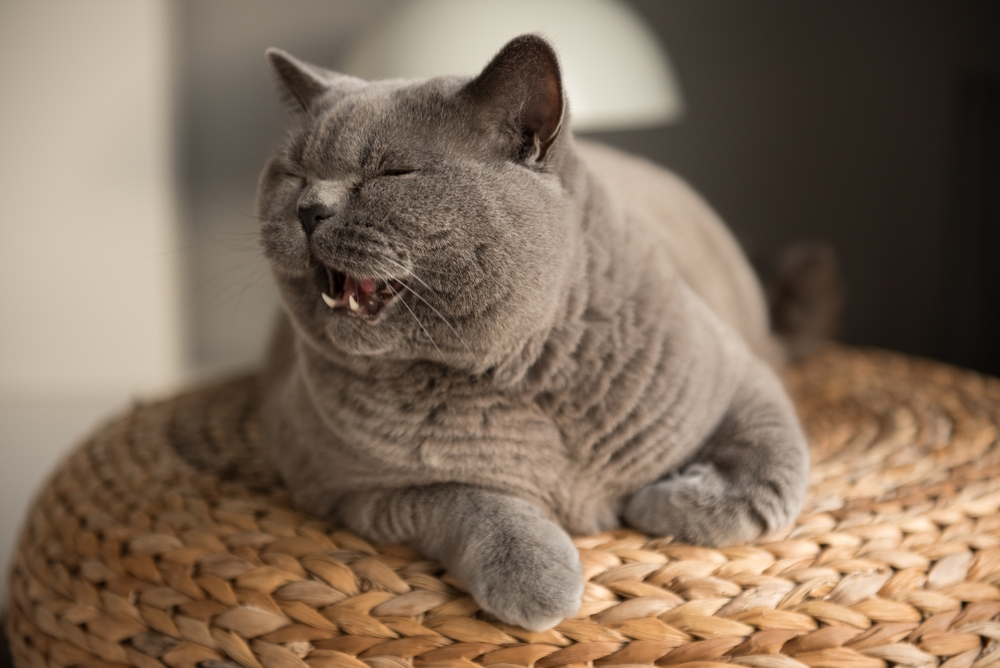
Cats can indeed give up on meowing, especially if they are just meowing to try to get attention from you. They may eventually lose interest in whatever they’re meowing about, becoming frustrated if you do not meet their demands, while others will meow even more.
However, some cats may meow for longer in an attempt to force you to pay attention to them. How quickly a cat gets tired of meowing depends on the individual cat and the reason they are meowing. Usually they stop as soon as the reason for their meowing has been dealt with, such as receiving attention or food.
Let’s look at some reasons why cats meow so that you can understand your cat better and give them the attention and care that they want, as well as when their meowing might be more urgent.


Why Do Cats Meow?
Cats can essentially meow for whatever reason they want. Usually, it’s to ask for food, initiate play or strike up an interaction. They might also be tattling on another animal in the home or begging you to rescue them from the crazy kiddos running around. Here are some details in depth!
1. Greeting
Cats will meow when greeting someone they know. It’s their own kitty way of saying, “Hello. How are you today? Please pet my back.” They hear you call them by their name, talk to them, and make various noises—it’s only natural that they would want to return the salutations.
2. Communicating
Our cats can’t talk to us the way we wish they could, but they can tell us a lot by verbal cues and body language alone. They can display various emotions, wants, or needs by meowing, such as wanting you to open the door and let them outside or let, five minutes later, to let them back in.
3. Attention-Seeking
If the meowing is combined with rubbing, bunting, climbing, and kneading you, they might immediately demand your attention!

4. Wanting Food
We all know that cats can be bottomless pits! If you let the food bowl get empty, you've already made one mistake—and you'll hear about it! Sometimes, folks have to portion control their cat’s food to ensure they aren't overeating.
Other cats are fine eating at their leisure with an ever-flowing food source. They don’t have trouble with portion control and can be trusted with an endless buffet—but most kitties will take full advantage and eat, eat, eat!
5. Mating
If your cat is in heat or searching for a mate, meowing (along with some otherworldly sounds) can happen, and it can happen often! A cat in heat might be one of the most mind-numbing, nails-across-a-chalkboard experiences.
To curb all of those behavioral problems in males and females, getting your cat fixed before they turn 6 months of age is important. Female cats can go into heat for the first time anywhere between 4 and 6 months old.
It is advised to get them fixed before they reach sexual maturity to avoid undesirable behaviors such as spraying, aggression, roaming in search for a mate, unwanted litters and a laundry list of other problems that occur.

6. Confusion
As cats age, things may not be as clear to them as they once were. Don't let this dishearten you. Listening to hour-long meowing sessions might be annoying, but you can find creative ways to curb the behavior—even if it means separating yourself from the problem altogether.
Cats can get cognitive decline or dementia just like humans can. Cats begin to decline around 10 to 15 years old, meaning this is the timeline when confusion may flare. However, very importantly, be mindful that excessive meowing in older cats may also be linked to pain or underlying illness, such as aching joints, overactive thyroid gland, kidney disease and many more.
Speak to a vet first and get your cat examined in person, so health issues can be ruled out. If your cat has been given a green bill of health, you may be dealing with feline cognitive decline instead.
Some of the signs of feline cognitive decline can include:
If your cat has dementia, make sure you keep their environment as unchanged as possible and make all necessities easily accessible. It’s important to discuss with a veterinarian how to handle dementia in your cat if you notice the signs.
7. Illness
Your cat might be ill, and you haven't really picked up on the other cues yet. Many issues involving pain can be associated with meowing in your cat. Examples include hyperthyroidism, kidney disease, and even arthritis.
If you haven’t thought of illness as a culprit yet, you may want to consider other visual symptomatic displays. Are they more lethargic than usual? Does their personality seem affected? Are they peeing or pooping too much or too little or missing the litter box? Are they losing weight?
These are all important factors if you want to get to the bottom of a problem. Always consult a vet immediately if you suspect they are in poor health.


Feral Cats vs. Domestic Cats: Why Is Meowing Different?
As a cat lover, this is interesting. Did you know that feral cats that never had human interaction rarely meow? That's right! Feral cats don't communicate in this way, and it can be a telltale sign if you find a lost kitty—are they wild or tame?
If they follow you around meowing, they very likely belonged to someone at some point. Or, they may have had close interactions with people throughout their lives. It is believed that the cat’s meow has developed and changed over time as their lives have become more intrinsically linked with ours, and they use it as a way of trying to communicate with us in their best attempt at ‘speaking human’. Feral cats will yowl, howl, hiss, and grumble, but rarely meow.
Conclusion
So, now you can understand a little bit more about cats and why they meow. They can drone all day for a variety of reasons and most of the time it is no cause for concern. But of course, most of the time isn’t every time, so it’s important to note changes in behavior or any early signs of illness or distress.
If you feel like meowing is becoming common, there is a change in the quality or sound, or there are signs of illness or confusion, a vet visit should be the next thing on your to-do list.
See Also:
Sources
Featured Image Credit: Oscar Wiedemeijer, Shutterstock

Expert cat care, straight to your inbox
Vet-reviewed advice, behavior tips, and the best of Catster. Free, and you can unsubscribe anytime.
By signing up, you agree to our Terms & Conditions and Privacy & Cookies Policy.
As a freelance dog writer and passionate pet enthusiast, Ashley Bates is pursuing studies in animal therapy. A mother to four human children and 23 animal companions, Ashley is dedicated to volunteering at shelters, advocating for animal rights, and rescuing animals in need. Her goal is to spread awareness, provide education, and offer entertainment about pets to reduce homelessness. Ashley's specialties include dogs and cats.
Join the conversation
Ask a question, share your story, or send private feedback.