How to Brush a Cat: 8 Vet-Verified Steps


In this article
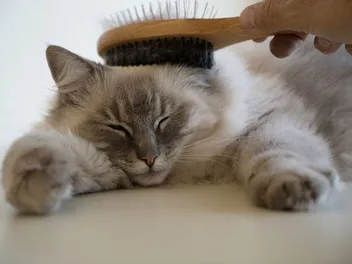
Whether you’re trying to control shedding or looking for a way to bond with your cat, brushing is an essential part of caring for your pet. Some cats naturally love the activity, while others hide at the first sight of a brush. If you’re unsure how to start grooming your cat, we’re here to help.
In this article, you’ll learn how to brush a cat in eight simple steps. We’ll also cover vital information such as choosing the right grooming tools and how often you should brush your cat.

Before You Begin
Choose the right time and place to brush your cat for the best results. Never try to brush your cat when you’re in a hurry, hungry, or otherwise in an impatient mood. The best time to brush your cat is when they’re relaxed, such as after a meal.
Go to a quiet, familiar location to start the brushing process. Keep other pets and people out of the room to minimize stress. Let your cat settle and relax where they feel safe, like your lap or a favorite chair.
Be prepared with the grooming tools that you’ll need, such as the following items:
The 8 Steps on How to Brush Your Cat
1. Start Young

Like human kids, kittens are more adaptable to new routines than older cats. Ideally, you should start getting a kitten used to brushing and other grooming procedures as soon as you bring them home.
It’s especially important to teach long haired kittens to tolerate brushing since they’re more likely to suffer without regular grooming.
2. Choose the Right Grooming Tools
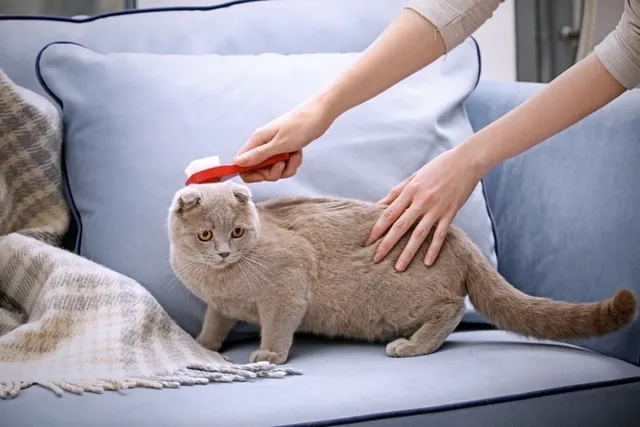
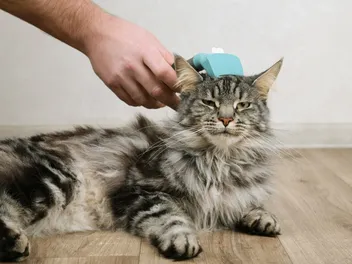
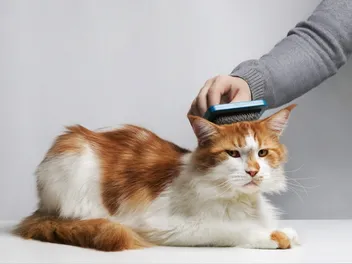
Selecting the right grooming tools will make your brushing session more successful. Your cat’s coat type will largely determine which brush you need. For example, short haired cats can be brushed with a grooming glove, slicker brush, comb, or stiff bristle brush.
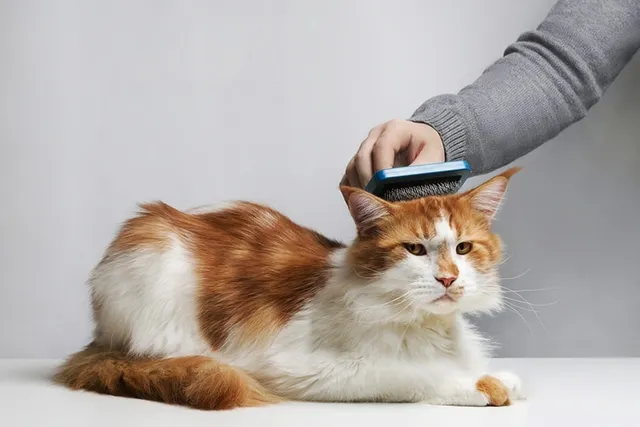
Long haired cats are more likely to need a deshedding brush or mat rake. Using the wrong brush on your cat can be painful and make them less tolerant of grooming sessions.
3. Check Over Your Cat’s Skin and Coat First
Before brushing your cat, check their skin and coat carefully for signs of poor health and parasites. Skin and coat issues can make your cat more sensitive to being brushed. They also frequently require veterinary care to resolve. Some signs to look for include:
- Fleas, ticks, or flea dirt
- Hair loss
- Dry, flaky skin
- Color changes
- Wounds
- Lumps and bumps
4. Work Slowly
If your cat has never been brushed before, your first step might be getting them used to the sight and smell of a brush. Allow your cat to sniff, investigate, or briefly chew on the brush before brushing them.
Reward them with petting, treats, or reassuring words if they stay calm. Move on to gently touching your cat with the brush, continuing to reward them for tolerating it. Once your cat seems comfortable with the feel of the brush, it’s time to start grooming.
If your cat tries to run, don’t force them to stay. Go back to the last step in the process they tolerated and keep trying.
5. Start with the Head

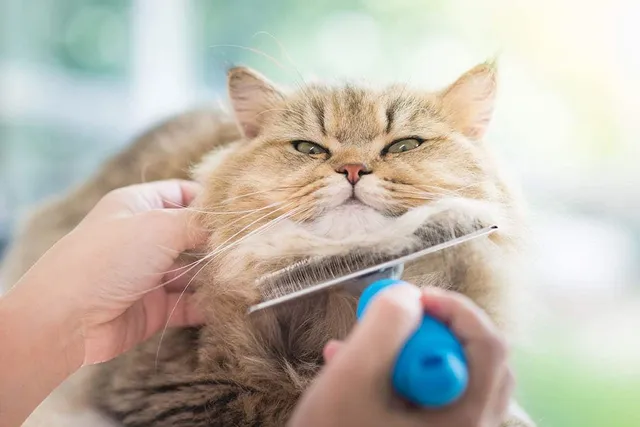
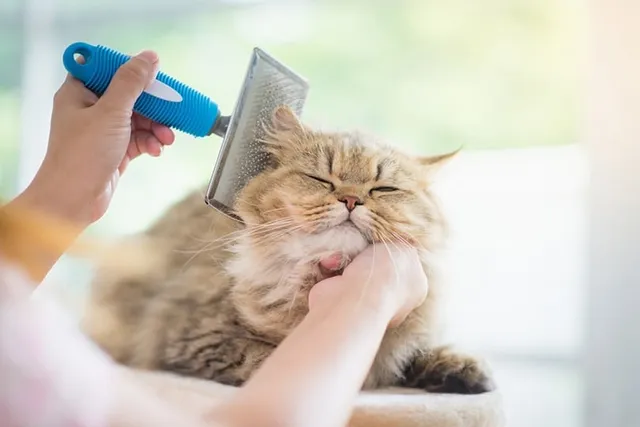
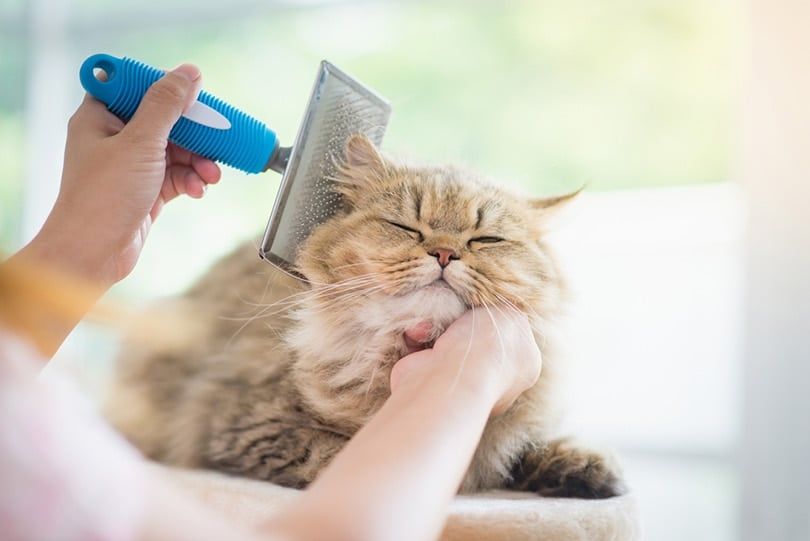
Most cats tolerate being touched and petted best on the head and neck, and you can brush them there first. If your cat isn’t used to being brushed, use soft, short strokes, and work slowly, allowing your kitty to adjust at their own pace.
Move slowly to other parts of your cat’s body, brushing in the direction of hair growth. The tail, belly, rear, and between the legs are the cat’s most sensitive areas. Save those areas for last.
6. Don’t Yank the Fur
Long haired cats quickly develop mats and tangles, especially if they aren’t brushed regularly. These spots can be difficult to remove during grooming. However, if you don’t brush out the mats, your cat can develop skin irritation or infections.
You can use a mat rake, comb, de-shedding brush, or even your fingers to unsnarl tangled fur. Never yank roughly at the mats. You’ll just end up hurting your cat or damaging their coat. A bit of coat conditioner can help untangle the mats. Spray the conditioner onto the brush instead of your cat, as most cats do not like being sprayed with anything. Some may even react to the noise of the spray bottle so be cautious if your pet is not used to it.
7. Seek Professional Help if Needed

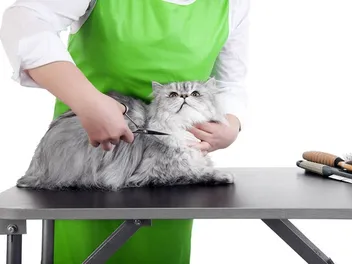
If your cat’s fur is excessively matted or they aren’t tolerating regular brushing, you may need to seek professional help.
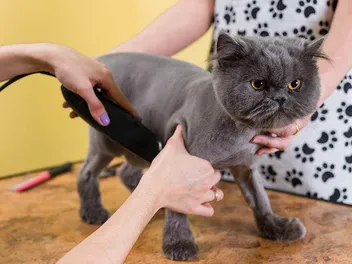
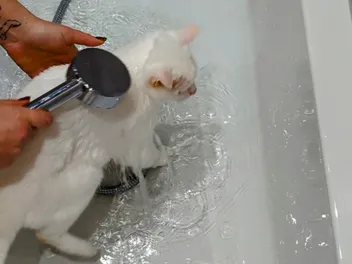
Experienced groomers can safely bathe, brush, shave, or remove mats from your cat if they have a calm temperament. If not, a trip to the vet to sedate your cat for grooming may be necessary. Untrained owners should avoid using scissors or even clippers on their cats to prevent injuring their pets.
8. Be Patient and Positive
As you brush your cat or train them to accept brushing, be patient and always stay positive. Work at your cat’s pace. If you can only brush one part of your cat daily, take what you can get and provide treats when you’re done.
Forcing your cat to hold still for brushing will make them afraid of you and the grooming process. Be generous with your rewards, and don’t rush.

How Often Should You Brush Your Cat?
As you train your cat to accept brushing, you may need to perform a quick session every day. Once your cat tolerates the process, the frequency you brush your pet will depend on their coat type. Long-haired cats must be brushed daily, while short-haired ones may only need weekly sessions.
As you brush, take the time to examine your cat even more closely for any early signs of skin and coat issues. Check your cat’s ears and eyes for discharge or dirt. If your cat is older or has long hair, you’ll also need to check under their tail and clean any pee or poop accumulating there.
Trim your cat’s nails as needed, generally about once a month. Finally, your cat will need regular preventative dental cleaning. Brush their teeth if possible, or ask your vet about other options like water additives and dental chews. If your cat's ears appear waxy, clean them out with an ear cleaner; if the discharge builds up quickly or the ears appear red and irritated, your pet may have an ear infection and need veterinary treatment.

Conclusion
The simple steps outlined in this article can help you teach your cat to accept brushing and make the process easier for everyone. Regular brushing can help you bond with your cat, keep their coat tangle-free, reduce shedding, and distribute oils more evenly for improved skin and coat health.
At the same time, neglecting to brush your long-haired cat can lead to painful matting and potential skin infections. Make time for brushing and ensure your cat’s coat stays healthy and clean.
Sources
Featured Image Credit: ANURAK-PONGPATIMET, Shutterstock

Expert cat care, straight to your inbox
Vet-reviewed advice, behavior tips, and the best of Catster. Free, and you can unsubscribe anytime.
By signing up, you agree to our Terms & Conditions and Privacy & Cookies Policy.
Elizabeth Gray is a lifelong lover of all creatures great and small. She got her first cat at 5 years old and at 14, she started working for her local veterinarian. Elizabeth spent more than 20 years working as a veterinary nurse before stepping away to become a stay-at-home mom to her daughter. Now, she is excited to share her hard-earned knowledge (literally--she has scars) with our readers. Elizabeth lives in Iowa with her family, including her two fur kids, Linnard, a husky mix and Algernon, the worldʻs most patient cat. When not writing, she enjoys reading, watching all sports, and spending time outdoors with her family.
Join the conversation
Ask a question, share your story, or send private feedback.