Get

In Your Inbox

Catster is reader-supported. When you buy via links on our site, we may earn an affiliate commission at no cost to you. Learn more.

How to Build an Insulated DIY Outdoor Cat House: Step-By-Step Guide

Share

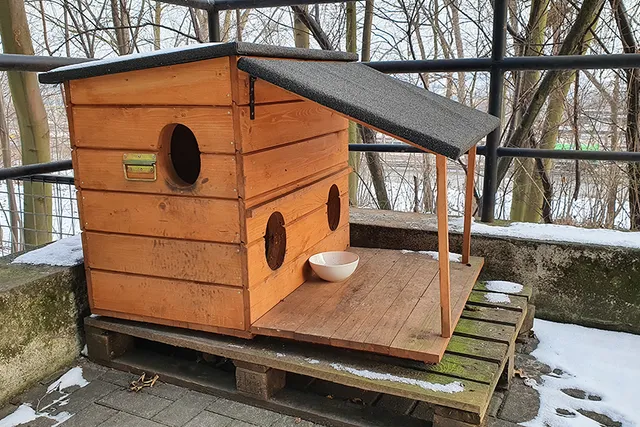
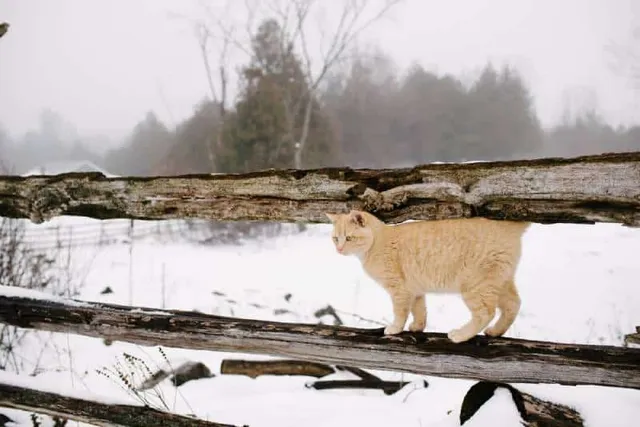
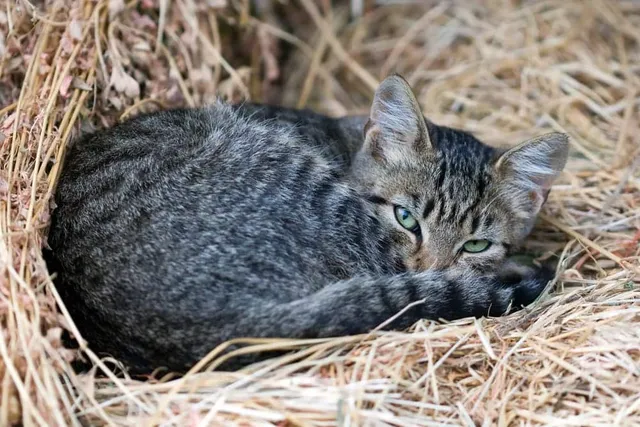
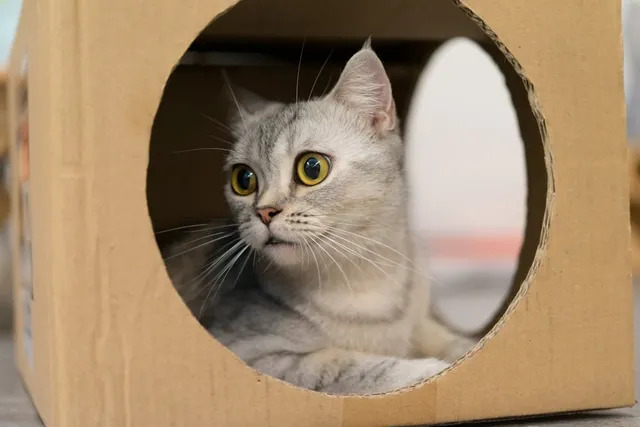
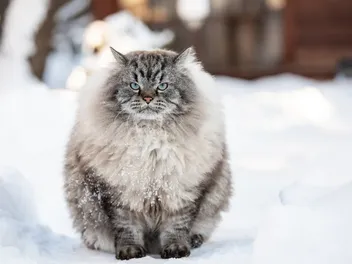
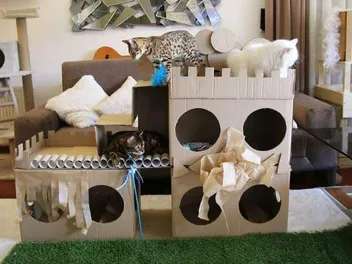
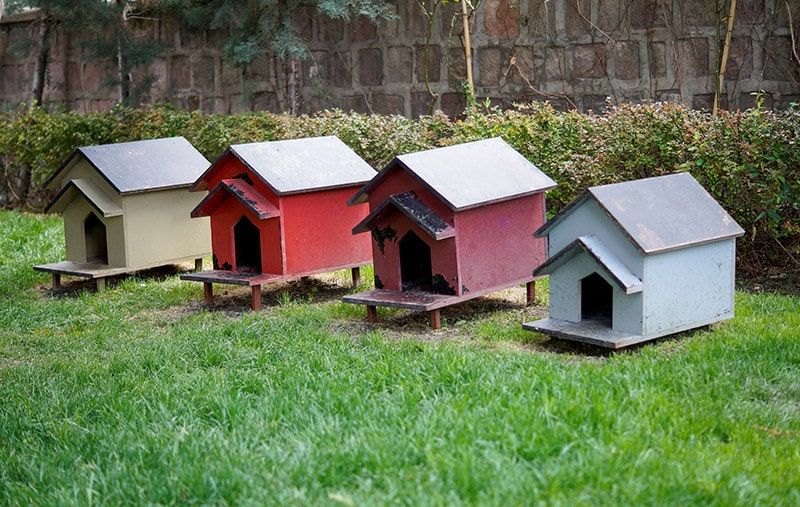
four outdoor cat shelters

Outdoor cat shelters are fabulous for indoor cats who occasionally spend time outside. It’s also great for feral cats, abandoned cats, and any other cats who might need a place to stay—even if it’s your neighbor’s cat that just needs a nap.

Have you thought about making an outdoor shelter, but you’re not sure where to start? We have you covered! This is an incredible design that is easy to follow and relatively simple to make—although we recommend reviewing materials and tools to see if you’re comfortable with the skillset.

So, without further ado, let’s get cracking on this DIY!

divider cat paws oct 2024

Reasons to Build a DIY Outdoor Cat Shelter

Building an outdoor cat shelter will cost significantly less than buying a cat house from a store. So, the very first upside is money saving, for sure! If you’re paying to feed and shelter homeless kitties, it can take a toll on your bank account, so cut corners when you can by building your own shelter.

You can also make your DIY cat house however you want. You don’t have to buy a prefabricated model that might be cheaper and quicker to fall apart.

A Little About the DIY

This project is a very standard cat shelter, and you likely have a few of the supplies already on hand! It’s estimated that creators will spend an average of $45 to build. So, always ensure it’s in your budget and cut corners when possible.

Supply List
  • 30-gallon plastic tote + lid
  • 18-gallon plastic tote + lid
  • 1 roll of fiberglass insulation or styrofoam
  • Or 1 sheet of rigid 1-inch foam board/polystyrene
  • Duct tape
  • A bottle of expanding foam
  • Fine toothed saw

Considerations

Thick plastic is extremely hard to cut, so make sure you are careful and use the right tools. Typically, a fine-toothed saw works best for the job. If you use anything else, you could make the job a lot harder or even get injured in the process.

divider 2 cats

How to Build an Insulated DIY Outdoor Cat House

Now that you have your supplies and are ready to build, let’s get cracking.

1. Cut the doorway for the shelter in the center of the box using a saw.

Make the opening big enough that cats can go in and out without issue. Many totes have different curvatures in them also, so make sure you aren’t doing extra work for yourself.

a fine toothed hacksaw
Image Credit: Anelo, Shutterstock

2. Grab your duct tape.

Carefully seal the edges of the opening to cover jagged areas. Plastic can be very hard and pokey if it’s cut, so it’s just a safety precaution to protect your pet.


3. Next up, insulation.

In order to put the second box inside, you will need to line your largest tote with insulation. Your fiberglass insulation will be a certain thickness. Generally, rolls range from 3 to 6 inches. In this case, you won’t want to make the insulation too thick, as it will make it more difficult for the totes to fit together properly. We recommend 3 inches.

Put a piece of insulation in the bottom of the larger tote. This way, it provides the appropriate height to measure where to cut the smaller tote. Then line the sides with insulation. You will want your totes to align so the entrance isn’t askew.

layers of Pink fiberglass insulation
Image Credit: Cavan Images, Shutterstock

4. Cut the hole for the smaller tote.

After the installation is installed, you’ll place the smaller tote inside of the larger tote, so make sure the two align correctly. Measure the correct distance up from the bottom and sides.

Then, take the smaller tote out and cut out the entrance using the saw.


5. Duct tape the opening of the smaller tote.

You will repeat this step the same way you did the larger tote. The opening needs to be of like size for the design to work properly.

duct tape
Image Credit: Pixabay

6. Align the totes.

Place the smaller tote inside the other and try to line up the doorway as best as you can.


7. Fill in with insulation.

Make sure there are no gaps to avoid chilly spots. It can make all the difference. You don’t have to be a fancy cutter, either; you can cut pieces to fit as needed. You can also use expanding foam. This product will fill in all the gaps to ensure an insulted seal. This is especially necessary around the entrance.

Gray cat looks from its wooden house
Image Credit: ovbelov, Shutterstock

8. Make sure all the insulation is in the box.

Cut the piece or tuck it in if you see any peeking out. Ideally, you could create one main cut and wind it around to the doorway. Then, you could simply place a piece of insulation above and below the door.


9. Place the lid on tightly.

The lid for the larger tote should fit comfortably right on top.

And voila! There you have it! You have your very own insulated cat box to house all the neighborhood vagabonds so they can stay safe. Or, perhaps you have an outside cat that needs the extra warmth, and now you have built them their very own cozy cabin in the winter wilderness.

Either way—the kitties will certainly appreciate it through the colder months. It will help prevent frostbite, hypothermia, and all sorts of other potential complications due to cold weather.

cat on snow
Image Credit: melnikof, Shutterstock

If you want a more in-depth guide on creating this insulated outdoor cat house, alleycatadvocates.org has a similar plan on their site. Alternatively, you can check out our top picks for a DIY outdoor cat house in the post below:

divider cat paws oct 2024

Final Thoughts

What did you think of these instructions? Did you find it simple enough? I certainly hope it wasn’t too much trouble. Remember that you can adjust to better suit your needs. Once you get the hang of it, you can create a more advanced version or keep it simple.

Plus, this warming box is wonderful for multi-cat use. So, you could even make a few and house your local cat colony throughout the chilly months. These boxes are well-insulated, cheap to make, and perfectly cozy for our outdoor feline friends.


Featured Image Credit: okanakgul, Shutterstock

Want content like this delivered to you?

Sign Up For Our Newsletter

News, insights, expert advice, and everything cat

* By submitting, you agree to our Terms & Conditions and Privacy & Cookies Policy.


How useful was this post?

Click on a star to rate (you can leave written feedback after clicking submit)

Help us improve Catster for pet parents!

Your feedback really matters.

What did you like about this post? Also how can we improve it?

Join the conversation

2 Responses

  1. do I need to do anything different to be able to put a heating pad in one of these? our cat likes to use his house as a scratching post and has completely destroyed two but we still have the heating pads. he lives on our porch very cold in the winter time and hopind a plastic tote will keep him from destroying it this winter as they are expansive and moneys tight this year due to the government shut down.

    1. Hi Vanessa, if needed, including an outdoor-rated, thermostatically controlled pet heating pad in the DIY insulated cat house design is both safe and highly recommended for providing essential warmth in cold weather. The house's construction using plastic totes and rigid foam or fiberglass insulation is completely compatible with these specialized heating pads because the pads are designed to heat only to a safe, regulated temperature (around the cat's normal body temperature of 102 degrees Fahrenheit), which is not high enough to melt the plastic or insulation materials. Safety relies on using a dedicated, outdoor-grade pet pad with a chew-resistant cord, routing the cord securely away from the cat, and plugging it into a weatherproof, GFCI-protected outlet.

Leave a Reply

You’re very welcome to leave a comment or question. Please know that all comments must meet our community guidelines, and your email address will NOT be published. Let’s have a positive and constructive conversation.


Catster's Digital Magazine is Back!

Vet-approved health & behavior advice

Real cat stories & community features

Ask Dr. Paola – My Cat Loves Eating Grass, But It Makes Her Vomit! (June 29, 2026)

Welcome to our “Ask Dr. Paola” series, where every Monday we bring expert advice straight from Dr. Paola Cuevas (MVZ) to help our...

Learning to Speak Cat with Anthony Smith

Many cat lovers know me through Learn to Speak Cat and Cattitude – Doggonit, cartoons that explore the often mysterious, occasionally mischievous, and...

Weird Cat Behaviors That Actually Make Perfect Sense

We have been sharing our lives with cats for thousands of years, yet we still find ourselves genuinely stumped by what they get...

The Dream of Talking to Cats Just Got Closer to Becoming a Reality

If you’ve ever wished your cat could simply tell you what they wanted, you’re not alone. From the meow that wakes you before...

More related

Does Baby Powder Kill Fleas on Cats? Vet-Reviewed Facts & Safety Explored

Fleas are cats’ most common skin parasite. They not only cause skin problems but can also transmit diseases to you and your cat....

Can Humans Get Tapeworms From Cats? Our Vet Answers

Many studies show the benefits of owning cats, but they can come with a few risks, too. There are certain illnesses (called “zoonoses”)...

Scratch Lounge Review 2026: Pros, Cons & Verdict

Review Summary The Scratch Lounge is a three-sided scratching surface that gives your cat a place to nest and scratch, deterring them from...

6 Breeds of Long-Haired Tortoiseshell Cats (With Info & Pictures)

Are you a fan of longhaired cats? Maybe you love unusual cats that are a bit rare. If this describes you to a...

Keep reading

Do Cats Need Their Paw Fur Trimmed? Vet-Reviewed Tips, Facts & FAQs

Although cats typically do a very good job of grooming themselves, some do require a little help with trimming fur, and all cats need help with other care and maintenance requirements. One area that causes some debate between owners is...

close up paws of orange cat

Are Jute Rope Scratching Posts Safe for Cats? (Common Materials Explained)

Being a cat owner means stocking up on all kinds of scratching posts, especially if you don’t want your furniture clawed up! Whether you’re a new cat owner or just looking for a new scratching post, you might be wondering...

Catster_Are Jute Rope Scratching Posts Safe for Cats

Can Cats Eat Butter? Vet-Approved Facts & FAQ

You probably found this article because you own a cat, and one of two things is true: they got into butter you left out, or you’ve heard that butter helps cats cough up hairballs. In either case, you might be...

Can Cats Eat Butter

9 Best Shampoos for Sphynx Cats in 2026 – Reviews & Top Picks

Bathing your Sphinx is probably not on your list of favorite activities, but it helps keep your cat’s skin hydrated and healthy. Without a bushy protective layer of fur, Sphinx cats are more vulnerable to skin conditions. Hundreds of shampoos...

Sphynx Kittens

Is Litter Deodorizer Safe for My Cat? Vet-Approved Facts & Sanitation Tips

One of the least enjoyable things about owning a cat is dealing with litter boxes and all the unpleasantness that comes with them. One of the most difficult-to-manage aspects of litter box care is reducing the odors that come from...

Catster_Is Litter Deodorizer Safe for Cats

Is Gladiolus Poisonous to Cats? Vet Reviewed Advice

Also known as the “sword lily”, gladiolus is a popular garden flowering plant, though it can adapt to life as a houseplant. If you’re a fan of these elegant, colorful iris family members and are also a cat parent, we...

Catster_Is Gladiolus Poisonous to Cats

Dwarfism in Cats: Causes & Care Tips (Vet-Verified)

Different cat breeds are predisposed to certain genetic conditions, and knowing which conditions your cat may be prone to can help you prepare preventative care for your pet. While not all genetic conditions are easily observed, some are much more...

munchkin-kitten-sitting

Can Cats Eat Bonito Flakes? Vet-Approved Facts & Benefits

With dozens of cat treats available, it can be hard to know what’s good for your cat. After all, most cat treats try to sell themselves as healthy and delicious, even if they’re full of things your cat doesn’t want....

Can Cats Eat Bonito Flakes

Love Cats? So Do We! Join the Catster Community

Stay informed with expert pet care insights delivered straight to your inbox! Discover professional guidance on animal behavior, feeding tips, trusted product picks, and much more.


Sign up for the Catster Email Newsletter

Stay informed with expert pet care insights delivered straight to your inbox! Discover professional guidance on animal behavior, feeding tips, trusted product picks, and much more.