Ragdoll Munchkin Cat Mix: Info, Pictures, Temperament & More

In this article
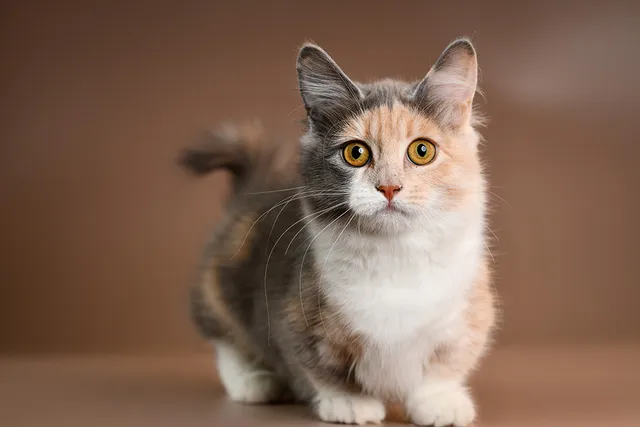
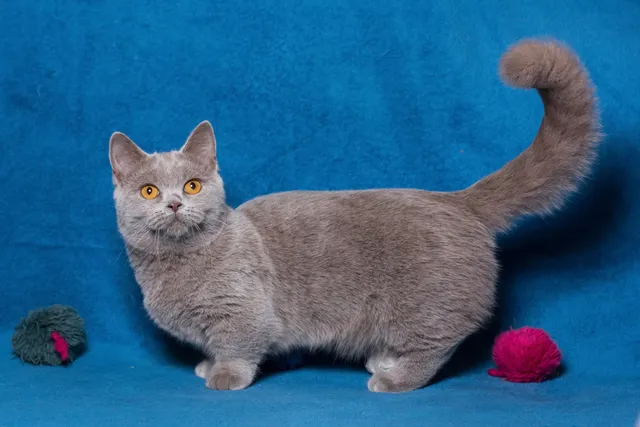
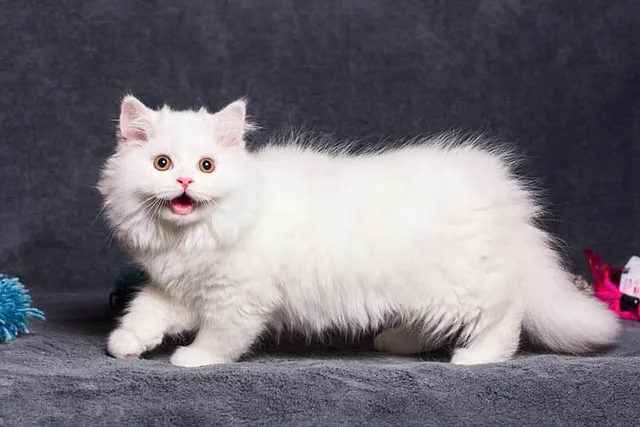
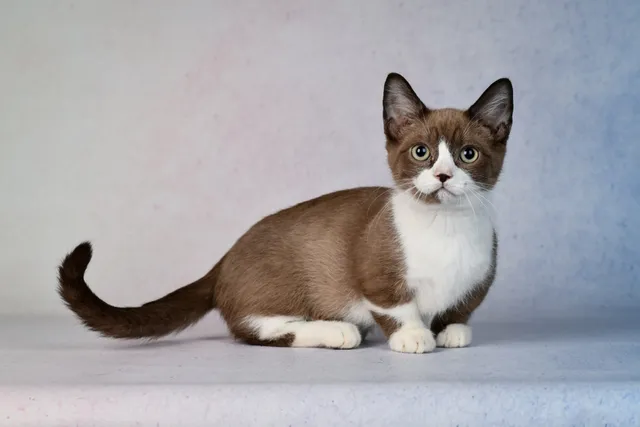
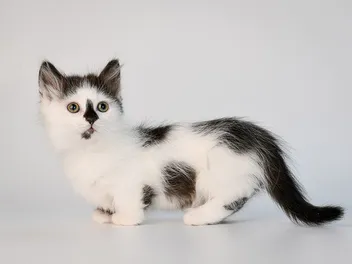
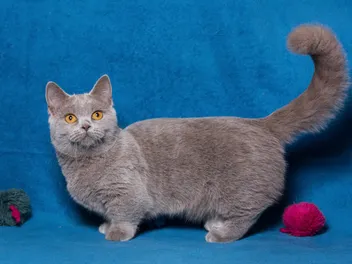
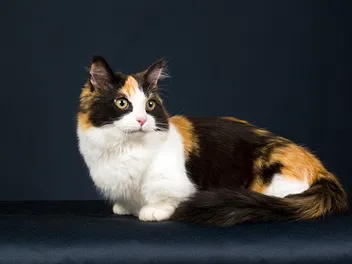
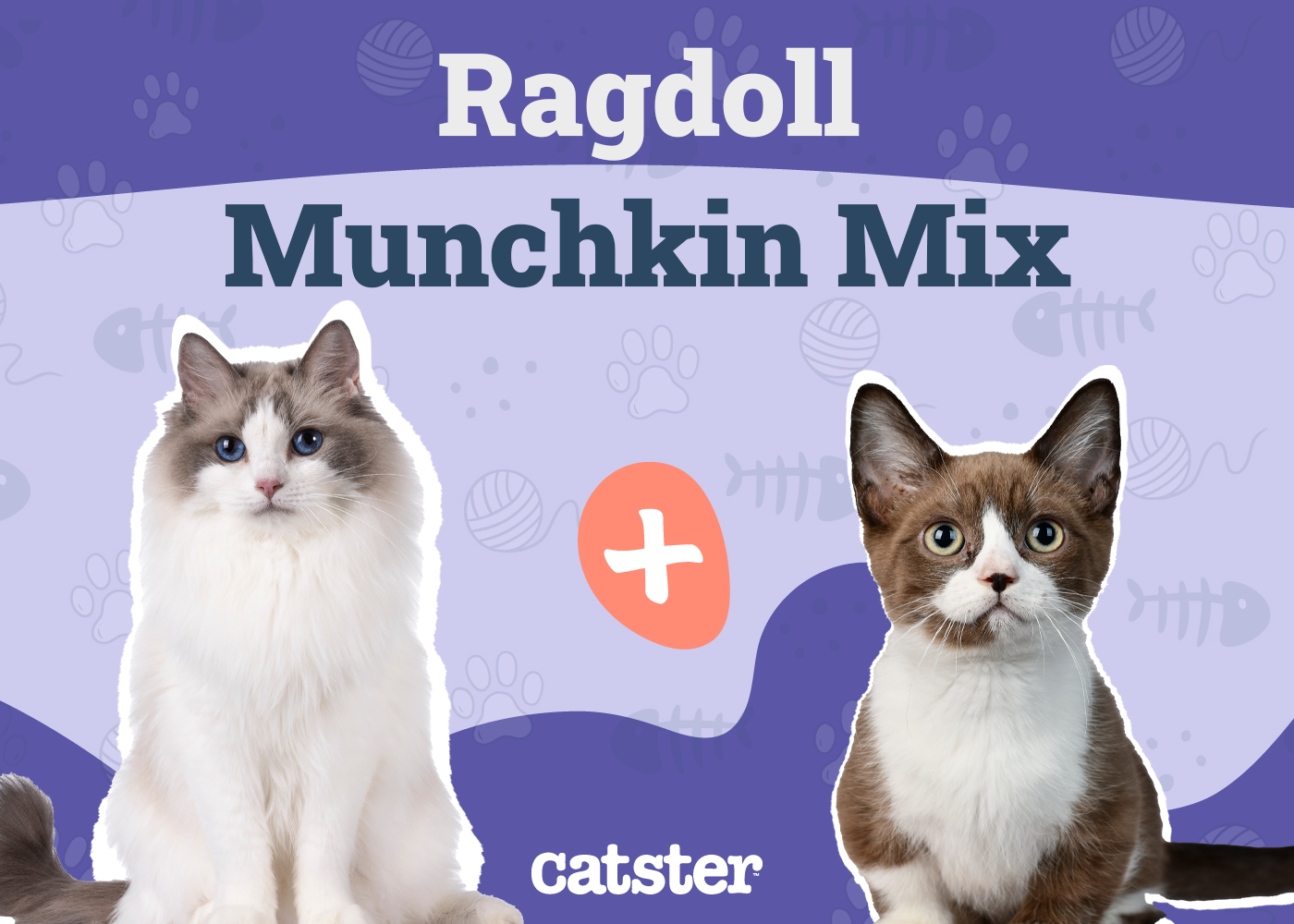
Once you get a good look at a Ragdoll Munchkin cat mix, you're sure to fall in love. These striking cats feature the gorgeous silky-medium length hair Ragdolls are so famous for and the adorable little legs of Munchkin kitties. They're mellow, totally laid-back, and loving. They love hanging out on laps and snoozing next to their favorite people.
These designer kitties typically stay relatively small, usually not weighing much more than 10 pounds, even though purebred Ragdolls are one of the largest breeds, often tipping the scales at more than 20 pounds. Ragdoll Munchkin mixes essentially look just like tiny Ragdolls with short legs. Because of their relatively small size and limited needs for physical exercise, Ragdoll Munchkin mixes can live happily in apartments and smaller homes.
Breed Overview
Height:
Weight:
Lifespan:
Colors:
Suitable for:
Temperament:
While Munchkin cats are popular among pet owners, controversy has historically surrounded these cats due to the ethical questions raised by intentionally breeding animals with a physical characteristic that impedes their natural behavior and the predisposition these kitties have towards developing conditions such as osteoarthritis and hypertrophic cardiomyopathy, which often leads to conditions such as cardiac arrhythmia1.
Ragdoll Munchkin Cat Mix Characteristics

Temperament & Intelligence of the Ragdoll Munchkin Cat 🧠
Ragdoll Munchkin mix cats have a lovely mix of personality traits. They're sweet and gentle, and most enjoy a good romp with a teaser. Read on for more information about the temperament and intelligence of these cuddly, affectionate cats.
Are These Cats Good for Families? 👪
Ragdoll Munchkin mixes make wonderful family pets. They're mellow and easy-going, enjoying nothing more than just hanging out. They prefer to be around people but aren't known for getting worked up when left alone for reasonable periods. They enjoy interacting with humans but aren't inclined to engage in attention-seeking behavior such as excessive vocalization.
These mixes tend to be curious in a sweet way and love to sniff, poke, and explore. But they're not interested in learning tricks or going on long walks (on a leash). Even though they have medium-length hair, these cats don't shed much. Ragdoll Munchkins aren't overly shy. They're usually happy interacting with new people and aren't inclined to become overwhelmed in new environments.

Does This Breed Get Along with Other Pets? 🐶🐱
Yes, Ragdoll Munchkin mixes do quite well around other pets, including dogs, cats, and small mammals. Because they're so laid back and friendly, they're more inclined to snuggle up to a dog than attempt to chase canine housemates or visitors. They don't have a strong prey drive, making it unlikely that they'll go after hamsters, terrorize gerbils, or attempt to catch aquarium fish.
Because these cats have such high socialization needs, they usually welcome the presence of other cats and dogs. Keep in mind that while these kitties can get around just fine, it can be challenging for some to jump, which is one of the ways cats instinctively behave when under threat. Munchkin cats who live with dogs should always have an easily accessible safe room to escape to where they can relax.

Things to Know When Owning a Ragdoll Munchkin Mix
There are many factors to consider when deciding whether a Ragdoll Munchkin mix cat is the right choice for your family. Below you'll find a quick run-down on the most important things to consider.
Food & Diet Requirements 🐡
Ragdoll cats, and Ragdoll Munchkin mixes, tend to be overweight. And obesity is a considerable risk factor in developing feline conditions such as diabetes, high blood pressure, and even cardiac disease. Diet can play an essential role in weight maintenance for these cats.
Pet food packaging includes feeding instructions with information about how much food animals need to meet various goals, including weight loss and management. Look for high-quality brands consisting primarily of healthy whole proteins. Products with meats like beef, duck, or chicken should list a meat protein in the top position on the ingredient list.
Because these cats often suffer from osteoarthritis and other joint problems, joint and weight management formulations often make excellent choices as they usually contain supplements such as omega-3 fatty acids, glucosamine, and chondroitin, nutrients that may reduce the pain associated with arthritis and slow the degenerative process.
Exercise 🐈
Ragdoll Munchkin mixes are relatively small, with most not weighing much more than 10 pounds or so despite their Ragdoll heritage, but they still require exercise to stay in shape.
Most enjoy playing at home and prefer short stints batting at toys or chasing teasers than engaging in sustained physical activity. Ragdoll Munchkin mixes love toys—the more, the better.
While Ragdoll Munchkin mixes need exercise to thrive, it's possible to meet this breed's exercise needs with short daily play sessions. And a bit of catnip can go a long way when it comes to encouraging couch potato kitties to get up and get moving.

Training 🧶
These cats are known as reasonably trainable. They're not quite as quick on the uptake as Bengal and Savannah cats, but Ragdoll Munchkin mixes can be bribed into learning tricks. Cats always respond better to positive reinforcement than punishment.
Many owners have had good results with clicker training. Use the clicker to make a noise when your cat does the action you want to reinforce, and give your pet a treat for good measure. For best results, keep your training sessions short. Cats have short attention spans and get bored quickly. Anything over 15 minutes is probably too much. Some cats can only stay focused for 3 or 4 minutes at a time.
Grooming ✂️
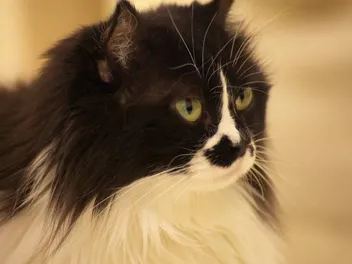
Ragdoll Munchkin cats have their Ragdoll parents' medium-length silky hair, so they require a bit more grooming than the average short-haired cat. Because these cats' fur is so long and silky, it's critical to brush them at least two times per week to avoid having to use the scissors to cut free knots. While all cats shed, Ragdoll Munchkin mixes tend to shed less than other medium and long-haired breeds because they don't have undercoats.
Regular nail clipping keeps the cats from injuring their nail beds while attempting to sharpen their claws, and it reduces the chances of ingrown nail development. Dental care, including regular tooth brushing, is essential to fighting the development of gingivitis and periodontal disease, which can make it difficult for cats to eat and ultimately leads to tooth loss.

Health and Conditions 🏥
While Ragdolls and Munchkins are relatively healthy, both breeds are more likely to suffer from a few specific conditions. Ragdolls are more likely than other cats to develop bladder conditions, urinary tract infections (UTIs), and hypertrophic cardiomyopathy, which is a condition in which the cardiac wall muscles thicken, reducing the heart's ability to pump blood through the body efficiently.
Ragdolls and Ragdoll Munchkin mixes gain weight easily. Obesity often leads to diseases such as diabetes and osteoarthritis. Good nutrition is critical to ensuring optimal health in this breed.
Munchkins also have a few genetic weaknesses; they’re susceptible to osteoarthritis and suffer from skeletal deformities, such as lordosis and pectus excavatum. However, the breed’s short legs don't appear to cause spinal problems in adult cats. Like all cats, Ragdoll Munchkin cat mixes require regular veterinary care, with most veterinarians recommending yearly visits for healthy adult cats.

Male vs. Female
There are few, if any, behavioral differences between neutered male and spayed female Ragdoll Munchkin cats. Males are often just a shade larger than females, but the size differences are minimal. Hormones are the biggest drivers of sex-specific behavior in cats. Intact male cats are more inclined to spray, including indoors, than neutered pets.
They're also more likely to escape and get into altercations with other cats while defending or fighting over territory. Female cats that haven't been spayed have estrus cycles, otherwise known as being in heat. Cats in heat are often uncharacteristically needy or affectionate. Excessive vocalization and continual escape attempts are also characteristic of female cats in heat. Spaying or neutering cats cut down on these sorts of hormone-induced behaviors. And spayed and neutered cats appear to live longer than pets that haven't undergone one of the procedures. Veterinarians recommend spaying or neutering cats when they reach 5 or 6 months old.

3 Little-Known Facts About the Ragdoll Munchkin Cat Mix
Ragdoll Munchkin cat mixes are sweet, adorable, friendly, and quick. They're known for zipping around corners (with style), thanks to their short little legs. Below you'll find a few fun facts about Ragdoll Munchkin cat mixes.
1. Their Short Legs Are Caused by a Genetic Mutation
A recessive gene is responsible for Munchkin cats' short legs. It's why two Munchkin cats can't be bred together; the offspring of two Munchkin parents will not survive long. Cats only need one copy of the gene to inherit the short leg trait.
2. They Like to Sit on Their Hind Legs
Ragdoll Munchkin cats love to perch on their hind legs. Many short-legged cats assume this prairie-dog-like pose when attempting to get a good look at something.
3. They're Incredibly Quick
These cats' short legs don't keep them from getting around quickly. Munchkin cats are known for their maneuverability. Think of them like the sports cars of the cat world—their low centers of gravity make it easy for them to hug corners while moving at full speed.

Final Thoughts
Ragdoll Munchkin mixes bring the best of two adorable breeds together! These sweet kitties have the soft builds, medium-length coats, blue eyes, and pointing of a Ragdolls and the short legs of the Munchkin breed. Although they have plenty of Ragdoll genes, these mixes tend to stay pretty small, usually not weighing more than about 10 pounds or so.
Ragdoll Munchkin mixes have the sweet-natured curiosity of Munchkins and the cuddly nature of Ragdolls. These cats live long, healthy lives, with many Ragdoll Munchkin cats making it to over 20 years old. They require a bit more grooming than their short-haired brothers and sisters.
These long-haired kitties need to be brushed at least twice a week to minimize tangles. Ragdoll Munchkin mixes also have a tendency to pack on the pounds, so it's critical to stay on top of the weight issue as obesity drastically increases the risk of diseases such as diabetes, arthritis, and high blood pressure.
See also:
Long-Haired Munchkin: Facts, Origin & History (With Pictures)
Are Ragdoll Cats Smarter than the Average Cat? The Interesting Answer!
Sources
Featured Image Credit: (L) Zoo Design, Shutterstock | (R) Quatro212, Shutterstock
Expert cat care, straight to your inbox
News, insights, and useful advice, delivered to you.

No spam — unsubscribe anytime.
By signing up, you agree to our Terms & Conditions and Privacy & Cookies Policy.
How useful was this post?
Click a star to rate. You can leave written feedback afterwards. (We read all feedback.)
Lorre Luther is a writer who is firmly convinced that cats are smarter than humans. She left her law career in the United States and moved to the Netherlands to follow her dream of becoming a writer. Lorre currently lives in Rotterdam, she enjoys traveling and greatly appreciates the beauty of nature. Lorre has a spot for animals and admires the intelligence of cats.