Long-Haired Munchkin: Info, Pictures, Facts & History
In this article
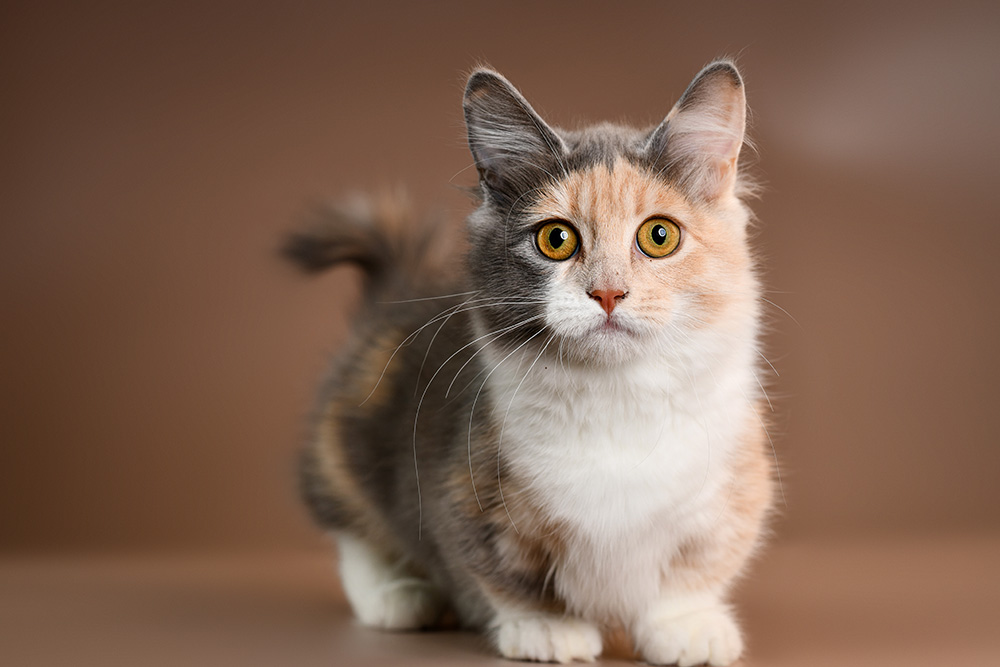
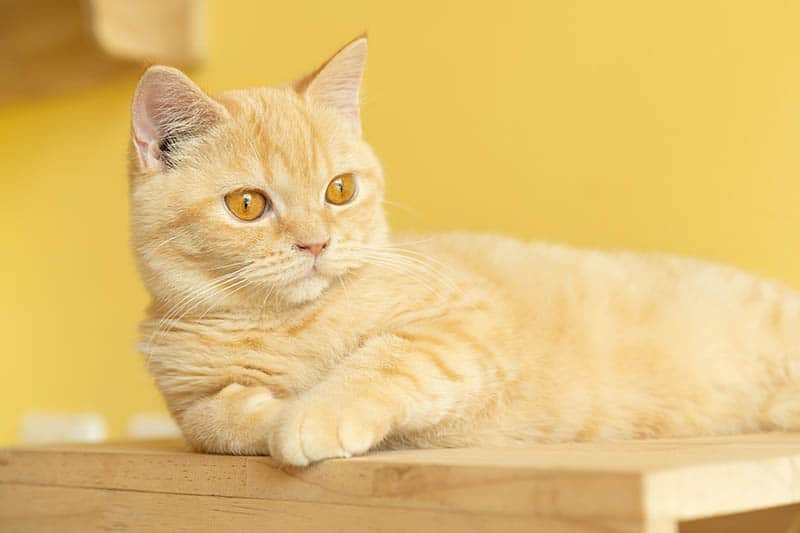
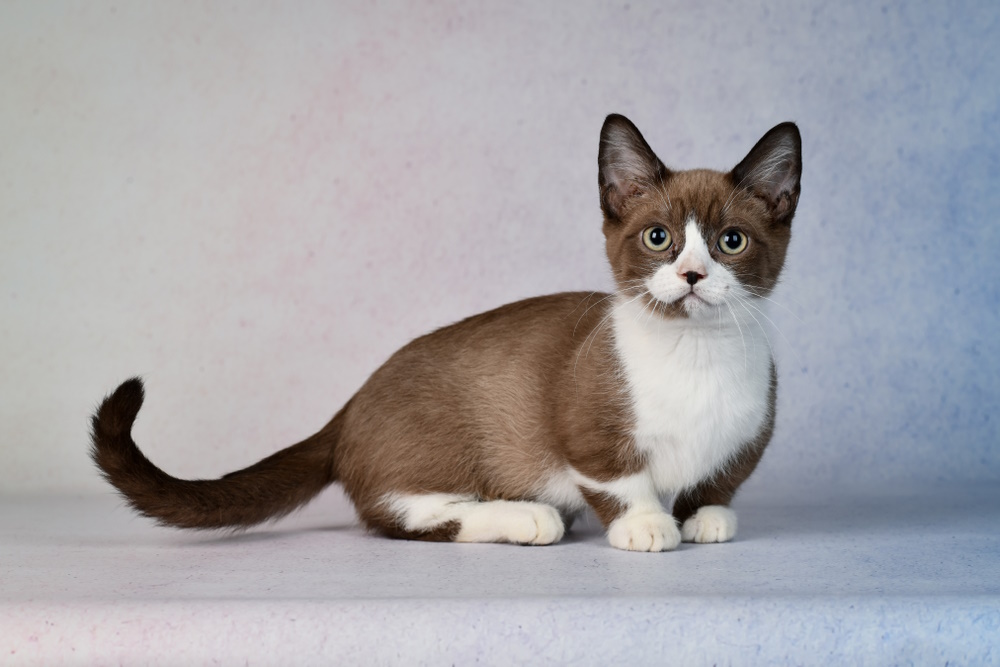
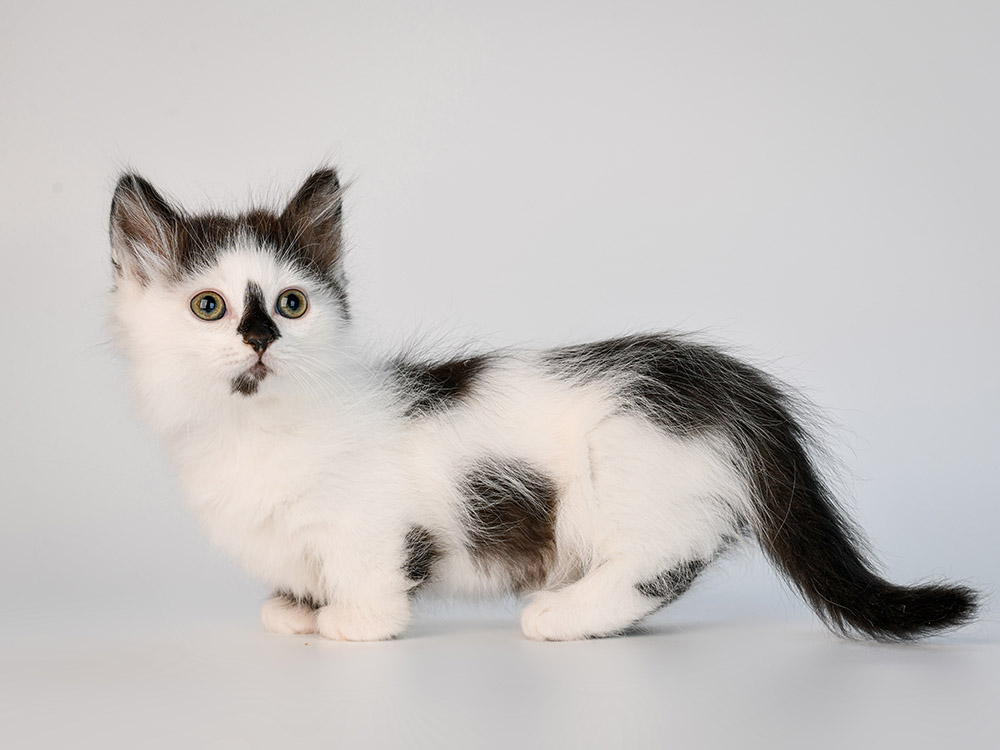
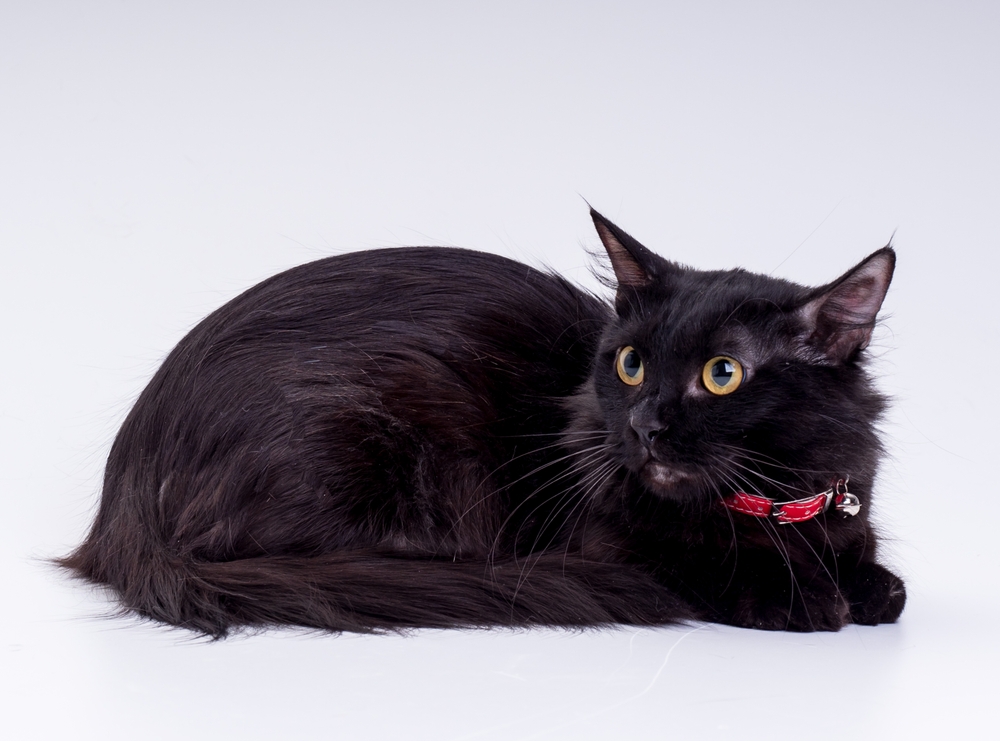
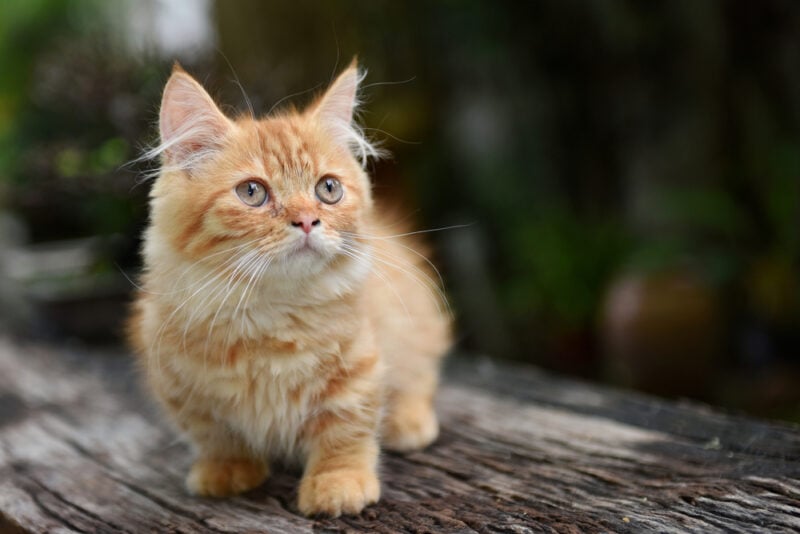
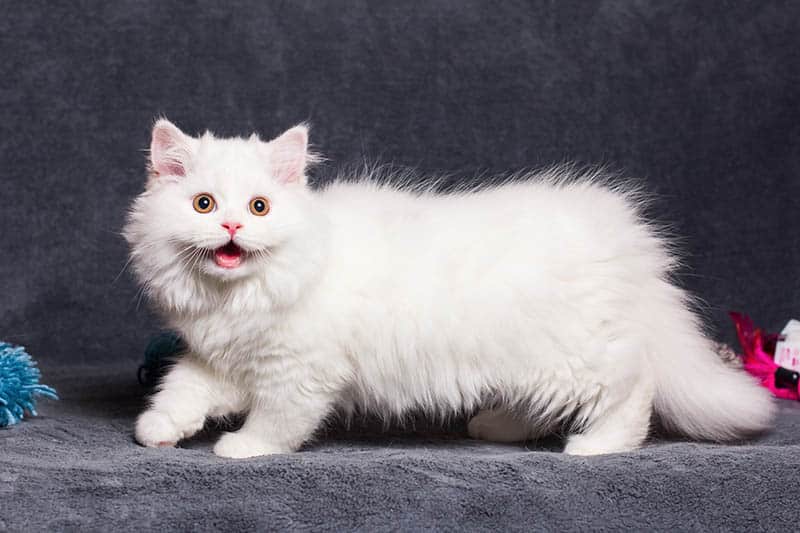
The Munchkin cat breed can be found in virtually any color or coat pattern and is also available in a long-haired variety. The Long-Haired Munchkin cat is a unique and lovable breed of cat, known for their lustrous tresses and their small stature. These cats are affectionate and loving and make great companions. They are also very playful and active and love to explore their surroundings. If you are looking for a unique and special cat, then the Long-Haired Munchkin might be the perfect choice for you!
Read on to find out about their special history and health concerns before bringing one home.

The Earliest Records of Short-Legged Cats in History
The existence of short-legged cats around the world has been documented several times since the 1940s. In 1944, a British veterinary report identified four generations of short-legged cats that were similar to normal cats except for their legs' length. Although this line disappeared during the Second World War, several other short-legged cats were observed—in Russia in 1956 and the United States in the 1970s.
Sandra Hochenedel found two pregnant cats chased under a truck by a dog in Rayville, Louisiana, in 1983. As a result, she decided to keep one of the cats, named her Blackberry, and found that half of the kittens that Blackberry gave birth to were born short-legged. One of Blackberry's short-legged kittens, a male named Toulouse, was given to Kay LaFrance of Monroe, Louisiana. Today's Munchkin breed is descended from Blackberry and Toulouse's separate litters. These two cats were outcrossed with domestic cats—rather than bred together—to establish the breed, creating a more diverse genetic pool.

How the Long-Haired Munchkin Gained Popularity
In the modern breeder's process, a Munchkin is mated with a cat that does not have the mutated traits. There is no sex selectivity associated with this mutation so a Munchkin of either sex can be mated. Munchkin cats will occur in the resulting litter, because of the mutation, which is dominant. It should be noted, however, that when two Munchkins are bred together, the mutation will be fatal. It is consequently for this reason that Munchkin breeding is a contentious issue. You must work with a breeder who is ethical before bringing a Munchkin home.
Formal Recognition of the Long-Haired Munchkin Breed
Short-legged cats have existed for many years, although Munchkins weren't recognized as a breed until 2003 by The International Cat Association (TICA). In September 1994, TICA accepted the Munchkin into its New Breed development program. The Genetics Committee oversees the breeding statistics and tracks the pedigrees of cats used to create the new breeds. As with the Corgi and Dachshund, the short legs of the cat were inherited through a dominant pattern. The Munchkin achieved TICA championship status in May 2003 after years of development and observation.
The Munchkin's appearance is the result of a genetic mutation that may occur naturally in litters, but today they are bred specifically to have short legs. Munchkins' incredibly short legs can impair their mobility, so some debate whether breeding them is ethical since this practice actively passes on a physical deformity. Munchkins remain unrecognized by the Cat Fanciers' Association (CFA), American Cat Fanciers Association (ACFA), and the Governing Council of the Cat Fancy (GCCF) because of this controversy.
The health effects of the mutation are not fully understood. This breed was only introduced in 1991, so it is still considered a young breed. There was speculation that the Munchkin would develop spinal problems common to short-legged dog breeds. There was no evidence of joint or bone problems in 1995 when several breeders X-rayed their oldest Munchkins.


Top 4 Unique Facts About Long-Haired Munchkins
1. Munchkins Get Their Name from The Wonderful Wizard of Oz
Frank Baum's book The Wonderful Wizard of Oz is responsible for the name of the popular Munchkin cat breed. In the book, the Munchkins are a small race of people who live in Oz. They are known for their reduced height, and they are very kind and hospitable. The Munchkin cat breed got its name from these characteristics.

2. Munchkins Are Sometimes Called “Sausage Cats”
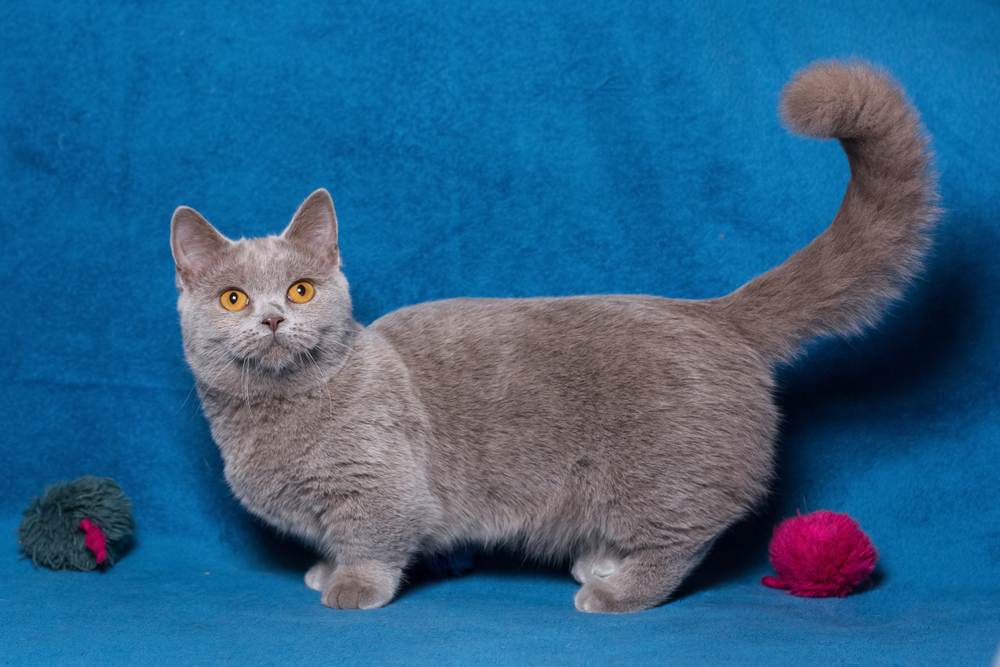
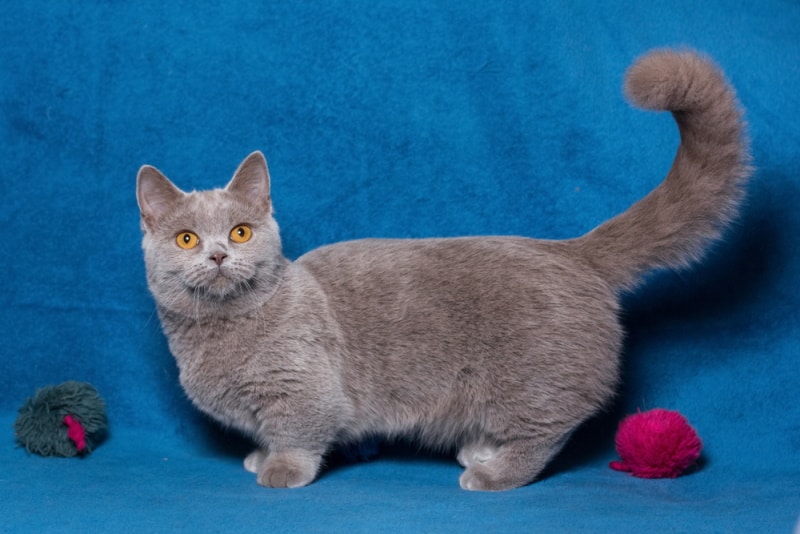
While Munchkin cats share many physical characteristics with other short-legged creatures like Dachshunds, they are of course not actually related. However, just like Doxies, the Munchkins shortened limbs have earned them the adjective “sausage” since their little legs give them the appearance of having a longer body. Some Long-Haired Munchkin fans call this variation “hairy sausages”.
3. The Shortest Cat in the World Is a Munchkin
Lilieput, the world's shortest cat, is a Munchkin. The diminutive feline measures just over 5 inches tall—according to Guinness World Records, she stands 5.25 inches (133 mm) tall from her paws to her shoulders. Lilieput is black and rust-colored with medium-long hair.
4. An Indoor Only Cat
Both Long- and Short-Haired Munchkins should be kept as indoor cats. Munchkins' short legs can cause some health problems. Because they can't jump very well, they might be more prone to injuries if they fall from a height. They are also more likely to be unable to escape from predators like dogs and coyotes because of their little legs.
Does a Long-Haired Munchkin Make a Good Pet?
Long-Haired Munchkins are known for being very playful and affectionate. Many people think that because they are small, they make good pets. However, there are some things to consider before getting a Long-Haired Munchkin.
One thing to consider is that Long-Haired Munchkins have thick coats. This means that they will need to be brushed frequently to avoid matting and tangles. They also shed a lot, so you will need to be prepared to vacuum often. If you are not willing to put in the time to groom your Long-Haired Munchkin, then they may not be the right pet for you.
The Munchkin breed's health appears to be affected by several conditions, including excessive curvature of the spine and hollow chests. Additionally, as a result of their shorter limbs, Munchkin cats are also more likely to suffer severe osteoarthritis than other feline breeds. Munchkin cats may require radiography for diagnosis and assessment of osteoarthritis, which can be an additional preventative health expense as your cat ages.
It bears repeating that some pedigree cat organizations have refused to recognize the Munchkin cat because of its health issues and welfare concerns.

Conclusion
In conclusion, the Long-Haired Munchkin is a unique and delightful breed of cat. With their playful personality and affectionate nature, they are sure to bring joy to any home. If you can see past their short stature, and potential health issues, and are looking for a new furry friend, be sure to consider the Long-Haired Munchkin!
Featured Image Credit: Sviatoslav Shevchenko, Shutterstock

Expert cat care, straight to your inbox
Vet-reviewed advice, behavior tips, and the best of Catster. Free, and you can unsubscribe anytime.
By signing up, you agree to our Terms & Conditions and Privacy & Cookies Policy.

Christian started writing for a local newspaper as a teenager, and he's been involved in the publishing industry for most of his adult life. Combining his love of writing with a passion for animals, he is currently the Director of Editorial at Pangolia and the Editor-in-Chief at Catster.
Christian lives in the Philippines with his wife, son, and four rescue cats: Trixie, Chloe, Sparky, and Chopper.
Join the conversation
Ask a question, share your story, or send private feedback.