Get

In Your Inbox

Catster is reader-supported. When you buy via links on our site, we may earn an affiliate commission at no cost to you. Learn more.

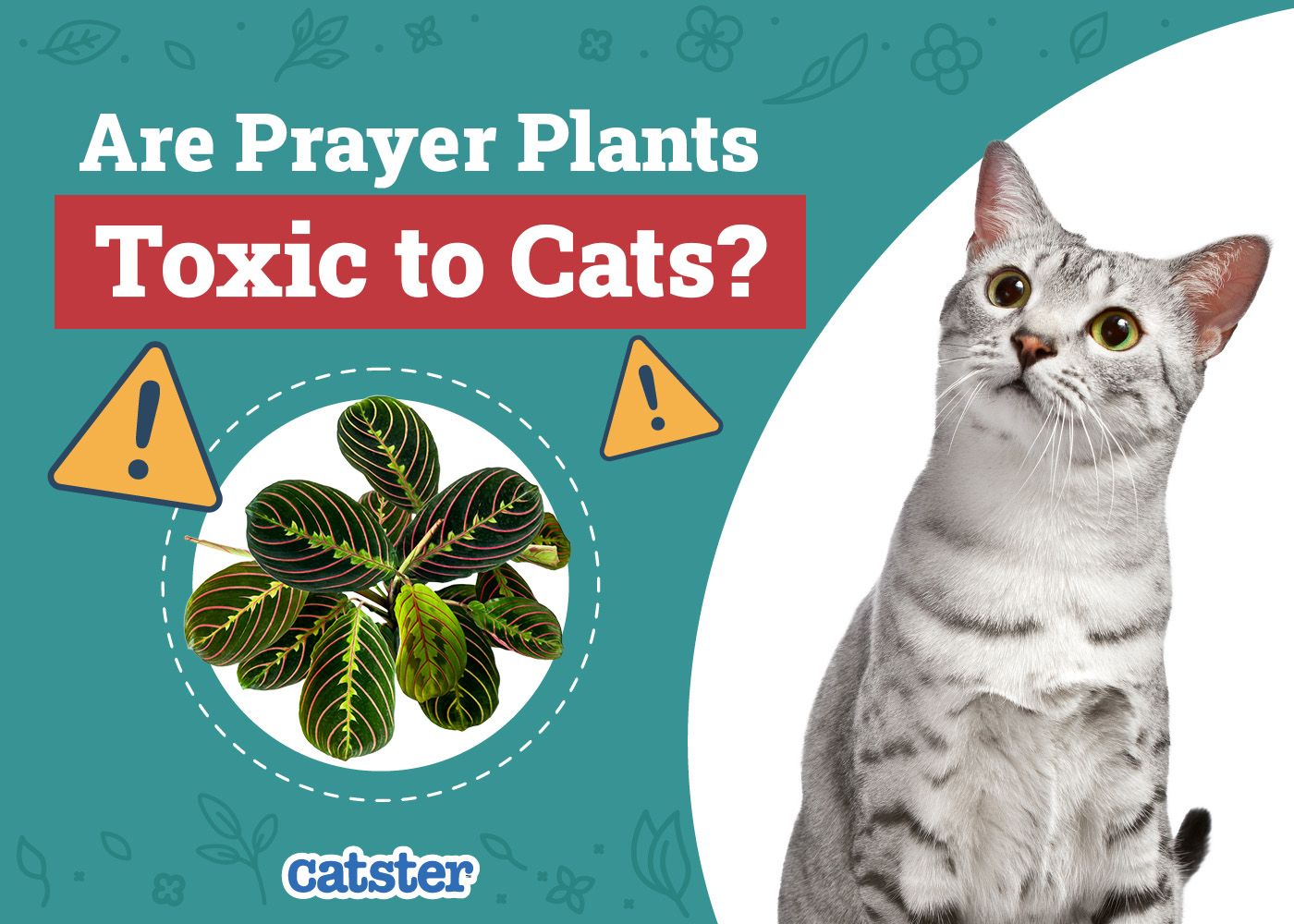
Are Prayer Plants Toxic to Cats? Vet-Reviewed Houseplants Examined

Share

Catster_Are Prayer Plants Toxic to Cats

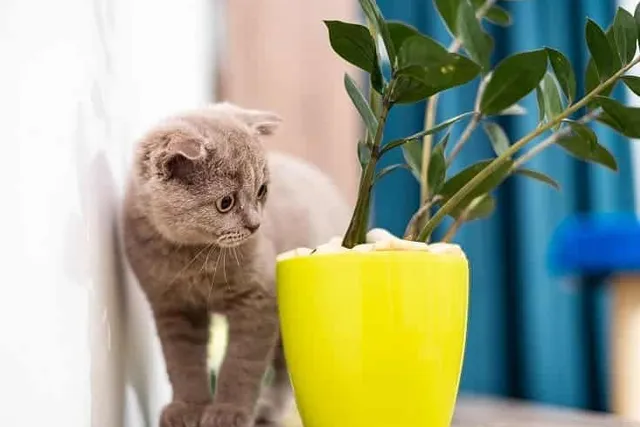
The prayer plant, Maranta leuconeura, enjoys the cooler, even temperatures found inside your home and indirect light through a shady window or a sheer curtain. It typically grows to about 12 inches in height with broad, dark green leaves that fade in the sun, making it perfectly suitable for a houseplant.

But, is it safe to keep in your home? Or is the prayer plant toxic to cats? Well, you’ll be pleased to know that the prayer plant is non-toxic for cats and is perfectly safe!

There are several health benefits to keeping indoor plants, but finding ones that are non-toxic to cats is essential when you share your home with them. Let’s learn more about other safe houseplants, the most common toxic ones to avoid, and how to help prevent plant poisoning in cats.

divider 2 cats

Other Houseplants Safe for Cats

cat-surrounded-by-house-plants
Photo Credit: Foto2rich, Shutterstock

Whether you are looking for a new decoration for your desk or a focal point of the living room, a plant can go a long way to improving your mood and the air quality. While your choices may be limited compared to those who don’t have felines, there is still a long list of beautiful indoor plants that are safe for cats, so there’s sure to be something perfect for your décor and expressive style.

Small Houseplants Safe for Cats:
Large Houseplants Safe for Cats:
  • Calathea prayer plant
  • Rattlesnake plant
  • Birds nest fern
  • Bamboo palm
  • Majesty palm
  • Chinese fan palm
  • Neon prayer plant
  • Sunflowers
  • Dwarf banana plant
  • Parlor palm

These are only a few of the houseplants you can choose from. If you have your eye on a particular plant, be sure to research it before bringing it home. Something new to their domain might be especially interesting, so cats will be more likely to inspect a new plant. Ensuring it’s non-toxic for cats is the only way to prevent plant poisoning entirely.

divider 1 paws

Toxic Household Plants to Avoid

While many houseplants are safe to keep around your home, there are some you want to avoid. You should always assume that a plant will attract your kitty’s attention, even if it is out of their line of sight or they haven’t paid much attention to it in the past. If you learn that a plant is toxic, you should move it to a location where they don’t have access to it or, better yet, remove it from the house entirely.

Toxic indoor houseplants can cause plant poisoning that, at the very least, will be pretty uncomfortable for cats and might also be quite dangerous. You should use caution when bringing new plants to your house and always reference reliable sources to ensure they are safe for your entire family, including the furry, four-legged residents of your home.

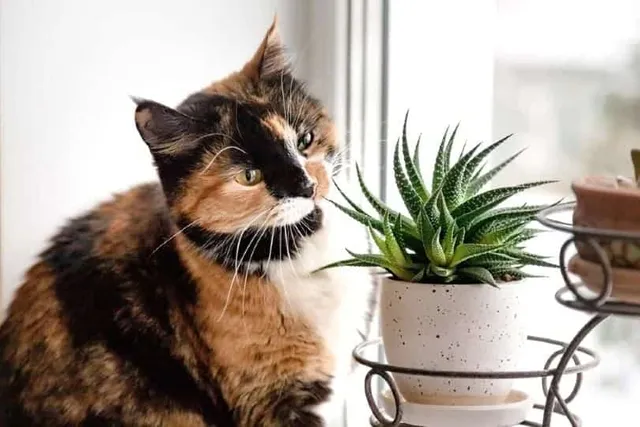
Aloe Vera plant
Photo Credit: Marce Garal, Pixabay
Most Toxic Indoor Houseplants for Pets:
  • Lilies: Even the pollen from these beautiful flowers is dangerous for cats and can cause kidney failure, sometimes resulting in death. The US Food and Drug Administration warns to keep them out of the house if you have cats.
  • Aloe: Aloe is beneficial for humans but can cause stomach upset and lethargy in cats. While it’s non-toxic for us, it can cause big trouble for our feline friends.
  • Daffodil: Symptoms of daffodil ingestion can include abnormal heart rhythm and even convulsions. This is a highly toxic plant, definitely a plant you don’t want near your kitties.
  • Sago palm: Sago palm is fatal if not treated immediately. High levels of cycasin cause liver failure that can be treated if caught early after ingestion.
  • Chrysanthemum: Thankfully, tummy upset is typically mild after ingesting these bright flowers, also called mums, but your fur-baby should be monitored just in case.
  • Asparagus fern: Eating the berries of this hardy fern can cause stomach upset, but just brushing up against the leaves can cause skin irritation. Maybe that’s why these are usually found in hanging pots.
  • Azaleas: These flowers, and all rhododendrons, are highly toxic and can result in seizures or heart failure due to their ability to affect muscles throughout the body.

Each plant is different, but you should assume that all parts of it are toxic, including the leaves, flower petals, and stem. If you know that your pet has chewed on a houseplant, it may be enough to cause a reaction, even if they didn’t swallow any, so call a vet for more information and guidance on your next steps.

Depending on the plant and how much they were exposed to, their reaction may be mild, but it’s always best to know a vet is aware and can help if needed. They may advise you to call the ASPCA Animal Poison Control Line at (888) 426-4435.

If you need to speak with a vet but can't get to one, head over to PangoVet. It's an online service where you can talk to a vet online and get the advice you need for your pet — all at an affordable price!

PangoVet_Mention-in-Content for PangoVet2 save money

divider 3 paws

Preventing Accidental Plant Poisoning

If you have indoor cats, it’s best to keep toxic plants in a garden outdoors to prevent accidental exposure. If your cats go outside, you should avoid planting them in your yard.

Friends and family may offer you a gift of cut flowers or potted plants for a holiday, celebration, or due to illness. It is always okay to thank them for their generosity but let them know it can be toxic to your pet, and you’ll need to put it in another room or outside. They may have felines of their own and not realize the plant is unsafe!

Remember, that just because a plant is safe for dogs doesn’t mean it is safe for cats and vice versa. You may think that a plant is safe for your pup, but it might be deadly for a feline. It’s important to research every plant you have or intend to have in your home.

tired sick cat lying on bed
Photo Credit: Natata, Shutterstock

Not Sure if a Plant Is Toxic?

If you don’t already know with certainty whether a plant is safe or toxic to cats, the Poisonous Plants resource at the ASPCA is a fantastic place to start. Do a search for the plant and find an overview that includes additional information, such as the scientific and common names for the plant. It will tell you whether the plant is toxic and, if it is, the symptoms it may cause.

divider 2 cats

Summary

Prayer plants are safe for cats and are a great addition to your home, office, or other indoor space where both you and your cat spend time. With so many benefits to keeping indoor plants, you should consider adding others as well but only after confirming they are non-toxic to your cat.

Many common houseplants can cause severe symptoms, but plant poisoning can be avoided with research and preventative steps. If your cat is ever exposed to a toxic plant, you have excellent resources for support, including a vet and the ASPCA Animal Poison Control Center.


Featured Image Credit: Firn, Shutterstock

Want content like this delivered to you?

Sign Up For Our Newsletter

News, insights, expert advice, and everything cat

* By submitting, you agree to our Terms & Conditions and Privacy & Cookies Policy.


How useful was this post?

Click on a star to rate (you can leave written feedback after clicking submit)

Help us improve Catster for pet parents!

Your feedback really matters.

What did you like about this post? Also how can we improve it?

Join the conversation

Leave a Reply

You’re very welcome to leave a comment or question. Please know that all comments must meet our community guidelines, and your email address will NOT be published. Let’s have a positive and constructive conversation.


Talk With A Vet Online

Peace of mind,
anywhere, anytime

Affordable vet advice

Do Cats Cause Schizophrenia? Scientists Find a Link – Here’s What It Means

Being a fierce advocate (and occasional recipient of) mental health support and awareness, the term ‘crazy’ is not one I like to fling...

One in 100 Cats Gets Diabetes – Here’s How to Catch It Early

One in every 100 cats develops diabetes.1 That’s not a rare, unlucky condition reserved for cats with obvious health problems. It’s common enough...

Dramatic Rescue Turns Into Dramatic Reunion

What started as a routine call for the RSPCA became a heroic, five-hour rescue featuring one trapped and traumatized cat, an emotional family...

Ask Dr. Paola – Help! How Do I Know if it’s Ear Mites! (May 4, 2026)

Welcome to our “Ask Dr. Paola” series, where every Monday we bring expert advice straight from Dr. Paola Cuevas (MVZ) to help our...

More related

Why Is My Cat So Affectionate in the Morning? Vet-Verified Facts & FAQ

It isn’t odd to hear about cats trying to keep their owner in bed later for extra cuddles. Even cats that aren’t typically...

Does My Cat Have a Sense of Time? Vet-Reviewed Science

Time is a mysterious concept that we use to keep up with our daily lives. We don’t know how it started or whether...

When Do Male Cats Start Spraying? Vet-Reviewed Facts & Tips

Male cat pee has a distinct odor, and when your male cat sprays outside the litter box, you know it without a doubt....

What to Do When You’re Scared of Your Own Cat: 10 Effective Tips & Tricks

Generally, owners live peaceful and pleasant lives with their cats. There might be the occasional scratch when playing, or hiss if you accidentally...

Keep reading

Himalayan Cat Health Problems: 6 Vet-Reviewed Issues

The Himalayan cat is a beautiful Asian breed with long hair and a “smooshed” face. They are a cross between Persians and Siamese, and they’re incredibly docile and lovable. These cats are popular as pets thanks to their easygoing personalities....

Catster_Health Problems of Himalayan Cats

Five Freedoms of Animal Welfare: How Vets Apply Them to Cats

It may be hard to imagine a time when drafting the principles of basic animal care was necessary. Sadly, the inhumane treatment of the country’s livestock prompted a 1965 British parliamentary inquiry into their conditions. It eventually led Professor John...

Smiling-vet-doctor-with-dog-pet-and-fluffy-cat

Can Cats Eat Flaxseeds? Vet-Approved Nutritional Facts & FAQ

Cats are carnivores, and in the wild, they would not give plant-based foods a second thought. Instead, they would focus on hunting down small animals to get protein and other nutrients. As domesticated animals, cats rely on us to make...

Can Cats Eat Flaxseeds

8 Best Dental Treats for Cats in 2026 – Reviews & Top Picks

No one is exempt from bad breath or dental issues, not even cats! In fact, dental disease is quite common among felines, so it’s a necessity that we take care of their teeth. Since some cats aren’t that cooperative when...

Training a cat with treats

Will My Cat Eat My Guinea Pig? Risks, Safety Tips & FAQ (Vet-Verified)

If you’re a cat person who is interested in becoming a guinea pig person or vice versa, you may be wondering if it’s safe to bring the two together. Do cats eat guinea pigs? The good news is that many...

light brown guinea pig in cage enclosure with food

Can Cats Drink Tea? Vet-Approved Nutrition Advice

Tea is a common beverage in many households, and it’s not uncommon to wonder if you can give some to your cat. It’s also not unusual for your cat to sneak a sip when you’re not looking, causing some concern....

Can Cats Drink Tea

Can Cats Drink Plant Milk? Vet-Reviewed Facts & FAQ

Plant milk has become a popular alternative to cow’s milk and is available at grocery stores or coffee shops. With more people turning to vegan options and plant-based foods and drinks, it’s natural to wonder if they are appropriate for...

Can Cats Drink Plant Milk

Can Cats Eat Strawberries? Vet-Approved Diet Facts & FAQ

Cats often appear to have a slim selection of foods they’ll eat, which can make it seem surprising when they greedily munch down a fresh strawberry. Though we may not expect it, we also don’t need to worry, as cats...

Can Cats Eat Strawberries

Love Cats? So Do We! Join the Catster Community

Stay informed with expert pet care insights delivered straight to your inbox! Discover professional guidance on animal behavior, feeding tips, trusted product picks, and much more.


Sign up for the Catster Email Newsletter

Stay informed with expert pet care insights delivered straight to your inbox! Discover professional guidance on animal behavior, feeding tips, trusted product picks, and much more.