How Long Do Savannah Cats Live? Average Lifespan, Data & Care


In this article
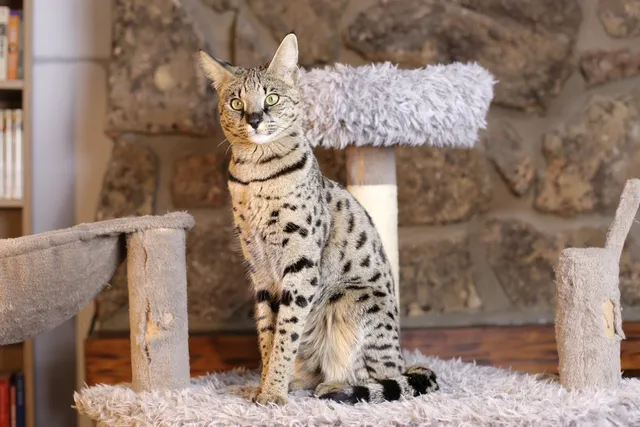
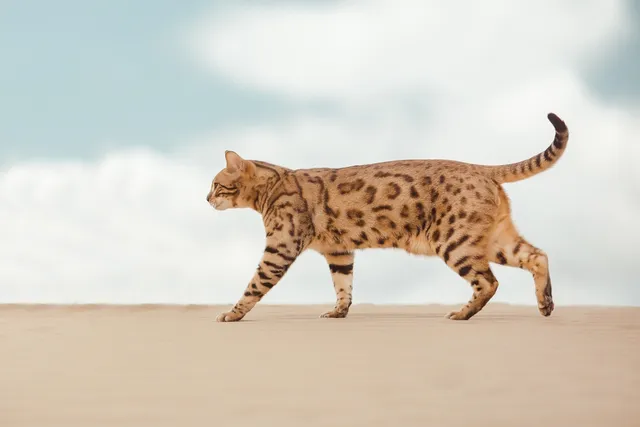
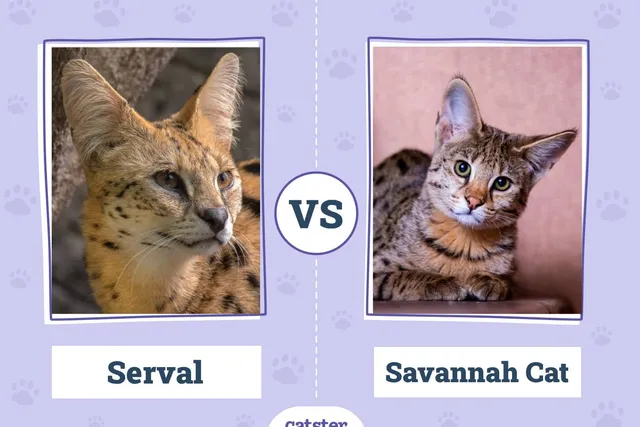
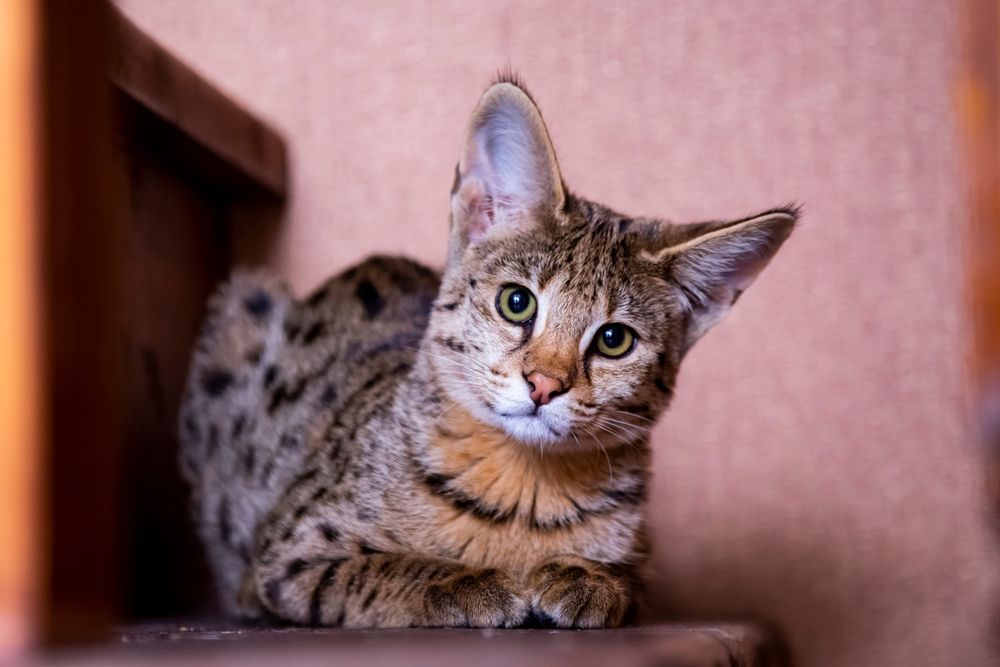
Savannah cats are beautiful hybrid spotted cats with long legs and distinctive, large ears. The hind legs are usually just a bit longer than the front legs in this breed, giving them a distinctive silhouette and gait. Savannahs are a mix between wild African servals and domestic cats. Most have brown, cream, or black fur featuring brown or black spots.
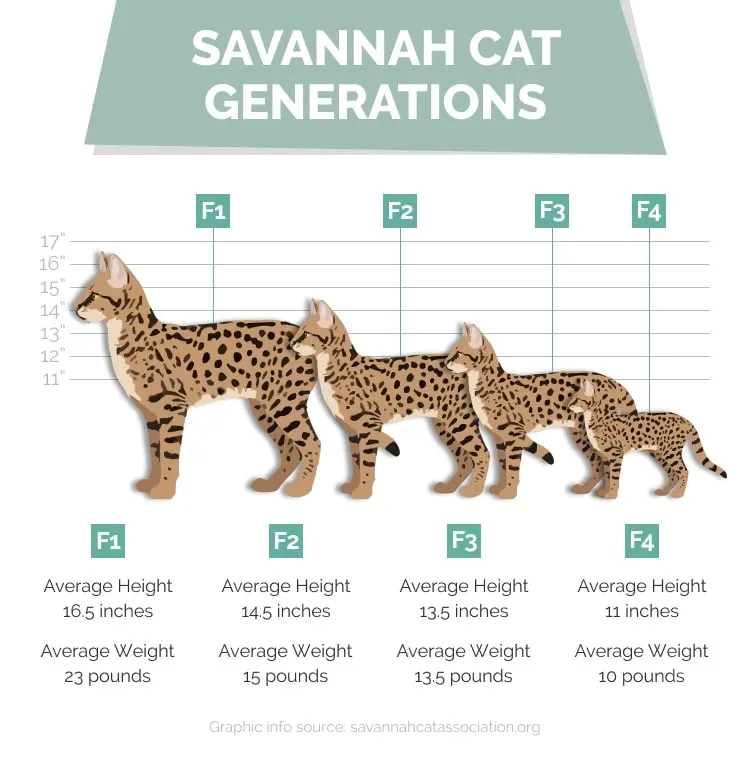
They are relatively large animals, often weighing around 12–20 pounds, although some F1 males can reach a whopping 30 pounds. These energetic, fun-loving cats are incredibly social and do well in environments where they interact with active people.
They’re smart and highly athletic, requiring plenty of mental and physical stimulation. Savannah cats are relatively healthy, with most living anywhere from 12 to 15 years, although some have been known to survive well into their 20s.

What’s the Average Lifespan of a Savannah Cat?
The average Savannah cat lives for 12–15 years. However, the breed is known for longevity, with some Savannahs living for 20 or more years. Most Savannah cats enjoy not only long, but also healthy lives. While the breed is predisposed to certain conditions, such as hypertrophic cardiomyopathy (HCM), a relatively common heart disease in cats, and liver shunt (Portosystemic Shunt), particularly in F1/F2 generations, these instances are not typical of the breed as a whole. Portosystemic shunt is a condition in which blood bypasses the liver, hindering its ability to filter toxins.

The 3 Likely Reasons Why Some Savannah Cats Live Longer Than Others
How long any cat lives is primarily up to chance, but certain factors clearly make a difference in feline longevity, including nutrition, environment, and whether or not the cat suffers from any hereditary health conditions. Read on for more information about factors that can impact a Savannah cat’s lifespan.
1. Nutrition
Savannah cats require high-quality food to thrive. Due to their exotic genetics, F1 and F2 Savanna cats can be susceptible to calcium deficiency and bone issues. Therefore, their diets require careful balancing under veterinary guidance to ensure healthy growth and development. As obligate carnivores, they can only obtain all the nutrients they require by consuming food derived from animal sources. Adult cats require a diet high in protein that meets the animal’s fat and calorie needs.
Because of their athletic abilities, most Savannah cats do better when eating high-protein meals. Look for products with a whole protein, such as chicken or duck, listed first on the ingredient list.

2. Indoor or Outdoor
There’s a significant difference in lifespan between indoor and outdoor cats. Indoor cats often live 15–17 years, but the average outdoor cat seldom makes it past 5. Outdoor cats tend to live much shorter lives due to exposure to dangers such as cars and diseases like feline leukemia.
Outdoor cats are also at heightened risk of being injured in fights with dogs and wild animals such as raccoons. Indoor cats require extra exercise and mental stimulation to make up for not being able to go outside, but it’s possible to find solutions, like food puzzles and cat trees, to keep them engaged, happy and healthy.
3. Weight
Feline obesity is a huge problem—nearly 60% of domestic cats in the United States have a severe weight problem. Obesity is directly related to a heightened risk of developing conditions such as osteoarthritis, bladder stones, and diabetes.
Most cat food packaging has explicit information about portion size to make it simple for pet owners to provide their furry friends with just the right amount of food. While most Savannah cats tend to be relatively lean, just like cats, they often put on a few pounds as they slow down with age. Carefully monitoring their body condition score, adjusting their diets accordingly, and ensuring they get enough exercise, are the best ways to keep them in top shape.

The 5 Life Stages of a Savannah Cat
1. Gestation
After fertilization, Savannah cat pregnancies last 63–65 days. Queens can have 2-3 litters per year. The average litter size is around four kittens.
2. Kitten
Kittens develop with lightning speed. They’re born blind and unable to walk on their own, but within a few short weeks, they’re coordinated, energetic, and engaged in exploring the world.

3. Young Adult
Most cats reach sexual maturity around 6 months of age. Unless spayed or neutered, cats at this stage are fully capable of reproducing. Unneutered younger male cats are often inclined to spray and get into fights. And female unspayed cats in heat can be needy and tend to engage in excessive vocalization.
4. Mature Adult
While the average cat is fully grown by the time they reach 1 year old, with Savannah cats, adolescence lasts much longer. These cats typically need 3 full years to reach their adult size.

5. Senior
Most veterinarians consider kitties over 11 to be seniors. Although some people break that down further and consider cats over 15 to be “geriatric.” Older cats often begin losing weight and slowing down. Chronic diseases such as diabetes, high blood pressure, and arthritis become common, as do conditions such as chronic kidney disease.
How to Tell Your Savannah Cat’s Age in 3 Steps
While it’s relatively easy to tell kittens from adult cats, it’s often a bit more difficult to pin down feline ages more precisely. Characteristics to look for as clues include weight, eye health, and teeth condition. A veterinarian may be able to narrow things down into more precise age ranges. Keep reading for a few tips on determining a Savannah cat’s age.
1. Weight
Cats only weigh 6-9 ounces when they’re born. They rapidly gain weight during their first few months of life. While most cats are fully grown by their first birthday, it takes Savannah cats close to 3 years to reach their full adult dimensions. Because different generations of Savannah cats have different sizes, it is a bit tricky to use weight as a reference, but adult savannah belonging to generations F3 tend to weigh 12–20 pounds. Savannah cats heavier than around 12 pounds are most likely mature.
2. Eye Condition
Kittens and young adult cats tend to have clear eyes. Cats over the age of 10 sometimes have cloudy eyes or a noticeable ocular discharge. And some older cats develop a sort of edge around the iris. Eye clouding and evidence of ocular discharge could sometimes suggest a cat is more than 10 years old.
3. Teeth
Kittens lose their baby teeth over time, but most are gone by the time cats reach 6 months old. Cats that still have baby teeth are usually relatively young. The amount of tartar on a cat’s teeth can also provide information about the animal’s age. Heavy tartar build-up often indicates an older cat.

Conclusion
Savannah cats are gorgeous spotted hybrid kitties with long legs, big ears, and sweet, curious personalities. Specifically, they’re domestic–African serval mixes with the markings of their wild ancestors and the personalities of tame domestic cats.
The International Cat Association granted Savannahs recognition in 2001. They tend to be healthy and often live to be more than 20 years old. Savannahs are incredibly athletic with high-activity needs. They love spending time around people and prefer company to being left alone.
Sources
Featured Image Credit: Kolomenskaya Kseniya, Shutterstock
Expert cat care, straight to your inbox
News, insights, and useful advice, delivered to you.

No spam — unsubscribe anytime.
By signing up, you agree to our Terms & Conditions and Privacy & Cookies Policy.
How useful was this post?
Click a star to rate. You can leave written feedback afterwards. (We read all feedback.)
Lorre Luther is a writer who is firmly convinced that cats are smarter than humans. She left her law career in the United States and moved to the Netherlands to follow her dream of becoming a writer. Lorre currently lives in Rotterdam, she enjoys traveling and greatly appreciates the beauty of nature. Lorre has a spot for animals and admires the intelligence of cats.