Savannah Cat Health Problems: 8 Vet-Reviewed Issues

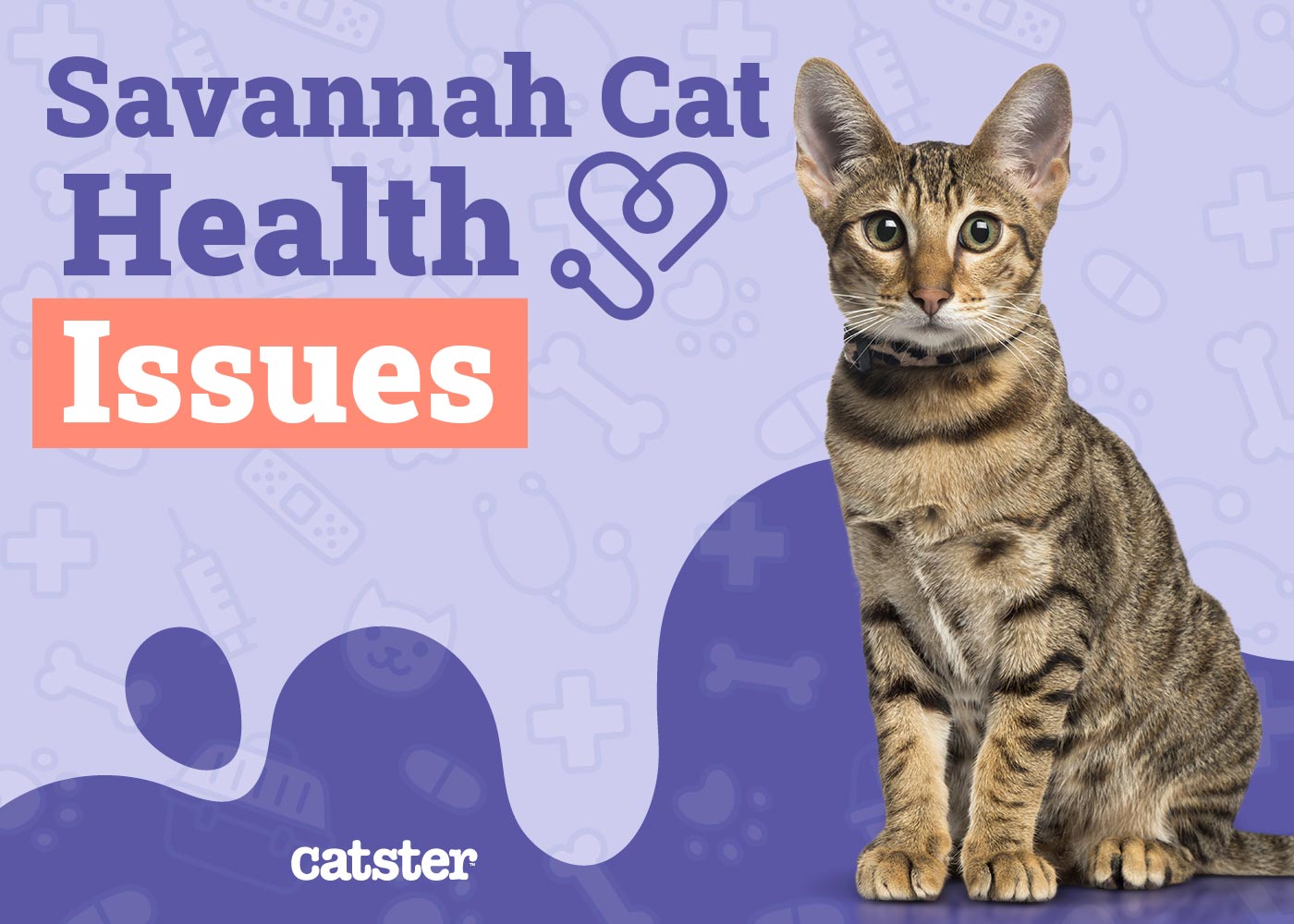
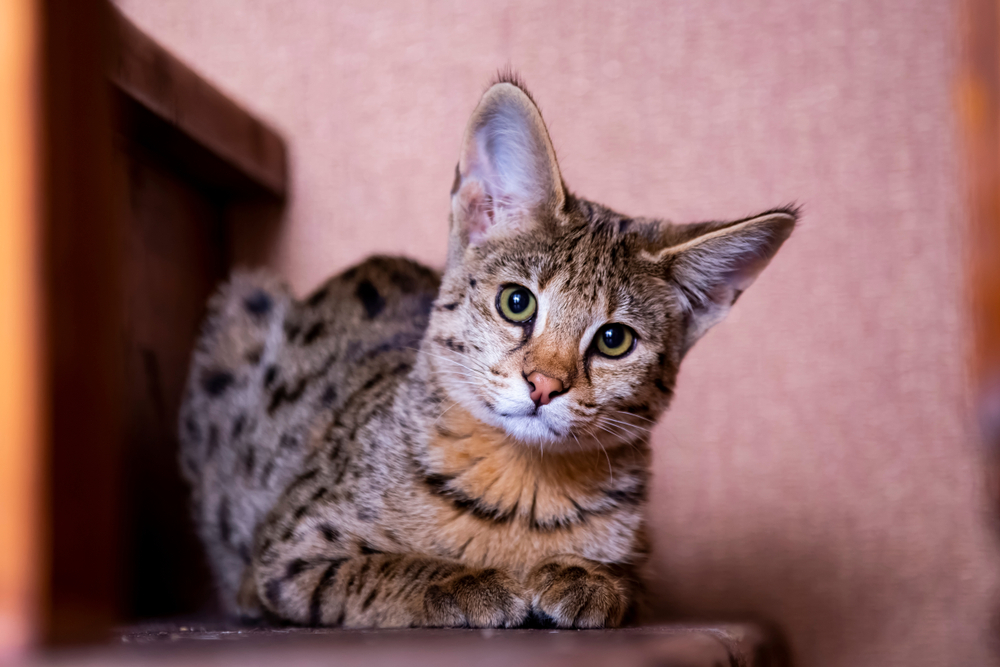
The Savannah Cat is a large cat breed that’s known for its intelligence, playfulness, and athleticism. The Savannah Cat hybrid is the result of breeding a domestic cat with a Serval wild cat. These first offspring are then bred again resulting in a domestic Savannah Cat. Many Savannah cat owners find that this cat can quickly become a beloved and loyal family member with its expertise in receiving and demanding attention in the most lovable way.
Fortunately, the Savannah Cat is a relatively healthy breed and has an average lifespan of 15 years. While there is only one reported genetic illness, it’s still important to be aware of some common conditions that can develop in cats in general, especially as the cat ages.
Here are eight common health issues that you may encounter while caring for a Savannah Cat.

The 8 Common Savannah Cat Health Problems
1. Pyruvate Kinase Deficiency
- Signs: Anemia, pale gums, lethargy
- Life Stage Affected: All life stages
Pyruvate Kinase (PK) Deficiency is an inherited condition that has been noted in Savannah Cats. Pyruvate kinase is an enzyme present in red blood cells, enabling them to produce energy. In cats with PK deficiency the red blood cells have a reduced life span and so the cats become anemic. Fortunately this is usually a mild anemia but it can be more severe than this and life threatening.
Veterinarians typically complete a physical exam and view the cat’s medical history for other signs of illness. They will also do a blood test to determine the degree of anemia and if treatment is needed. There is a gene test to check for PK deficiency and you will be able to ask your kitten's breeder for this test result.

2. Dental Disease
- Signs: Unpleasant breath, difficulty chewing, excessive drool, pawing at the mouth, gingivitis
- Life Stage Affected: Any
Dental disease is a common issue found in many house cats, including Savannah Cats. It mostly affects older cats, but cats as young as 3 years old can start to exhibit signs. The most common forms of dental disease are periodontal disease and tooth resorption.
The best way to avoid dental disease is to develop a healthy dental hygiene routine for your cat. You can use teeth cleaning products, such as water additives, treats, and toothbrushing.
If your cat is showing signs of dental disease, make sure to schedule an appointment with your veterinarian as soon as you can. Treatment will vary for different types of dental diseases, and your veterinarian will be able to provide the next steps after finding a diagnosis.
3. Cardiomyopathy
- Signs: Decreased appetite, rapid breathing, lethargy
- Life Stage Affected: All life stages
Cardiomyopathy is an abnormality of the heart muscle structure. The heart muscle either becomes too thick or too thin, affecting the efficiency and performance of the heart’s ability to pump blood. There are three types of cardiomyopathy found in cats:
- Hypertrophic cardiomyopathy
- Restrictive cardiomyopathy
- Dilated cardiomyopathy
Cats of all breeds and life stages can become affected by cardiomyopathy, but it’s commonly found in middle-aged male cats. The prognosis of this condition depends on how much it’s progressed, and treatment is geared towards alleviating signs.

4. Arterial Thromboembolism
- Signs: Pain in limbs, paralysis in back limbs, shock,
- Life Stage Affected: Adults, Seniors
Feline arterial thromboembolism (FATE) is a serious sudden onset cardiac disease that requires emergency treatment. It is caused by poor blood flow due to a blood clot that has traveled from within the heart and lodged in an artery, restricting blood flow.
A cat with FATE will usually feel pain or discomfort in their limbs and may be paralyzed. Treatment usually includes alleviating pain, restoring mobility, and antiplatelet therapy. Unfortunately, the prognosis for FATE isn’t very positive, and many cats don’t fully recover or have repeated episode.
5. Feline Lower Urinary Tract Diseases
- Signs: Difficulty urinating, blood in urine, frequent urination
- Life Stage Affected: All life stages
Savannah Cats are also susceptible to developing feline lower urinary tract disease (FLUTD), especially if they are middle-aged, overweight, and lack exercise. FLUTD can occur in several different ways. It can be caused by a urethral obstruction, such as a bladder stone. Bacterial infections are possible, but stress is a major factor in this disease complex.
One of the best ways to prevent FLUTD is changing your cat’s diet to a vet recommended product, providing ample amounts of water in food or a water fountain, laying out an adequate number of clean litter boxes throughout the home and stress reduction.
6. Hyperthyroidism
- Signs: Weight loss, increased appetite and thirst, hyperactivity, increased urination
- Life Stage Affected: Adults, Seniors
Hyperthyroidism is a common disease that usually develops in older cats. It occurs when the thyroid gland produces a high volume of thyroid hormones. This overproduction is usually caused by a benign tumor in the thyroid gland.
If hyperthyroidism is left untreated, it often leads to hypertension, heart and kidney disease, which develops into fatal consequences. Fortunately, hyperthyroidism is treatable with medication or surgery. Cats can usually still live a good quality life after they’ve received a hyperthyroidism diagnosis.
7. Renal Failure
- Signs: Increased thirst, frequent urination, constipation, weight loss, cloudy urine, blood in urine, mouth ulcers, brown tongue
- Life Stage Affected: Adults, Seniors
A cat’s kidney performance can start to decline with age and sometimes develop into renal failure. There are two types of kidney disease that cats can experience:
- Acute renal failure
- Chronic kidney disease
Acute renal failure is usually easier to diagnose and treat because it’s often caused by ingesting a type of poison, infection, inflammation, trauma, rapid dehydration, and blockages in the urinary system. These occurrences are usually treatable if caught in time.
In contrast, chronic kidney disease is more difficult to address because the exact causes can remain unknown, or they develop from other advanced diseases such as dental disease or cancer.

8. Diabetes Mellitus
- Signs: Increased appetite and thirst, increased urination, weight loss
- Life Stage Affected: Adults, Seniors
Diabetes mellitus is the second most common endocrine disease found in cats, and it mostly affects middle-aged male cats. This disease occurs when a cat’s pancreas isn’t able to sufficiently regulate blood sugar levels.
There are three different types of diabetes mellitus:
- Type I
- Type II
- Type III
Type II is the most typical type of diabetes mellitus in cats. Being overweight or obese is a common precursor.
Fortunately, diabetes mellitus is treatable. However, it requires hard work and dedication because treatment includes dietary and lifestyle changes.
How to Keep a Savannah Cat Healthy
Savannah Cats tend to develop deep bonds with their owners and rely on them to meet their care needs. Here are some things you can do to make sure that you’re letting your cat thrive and live as healthy of a life as possible.

Vet Visits
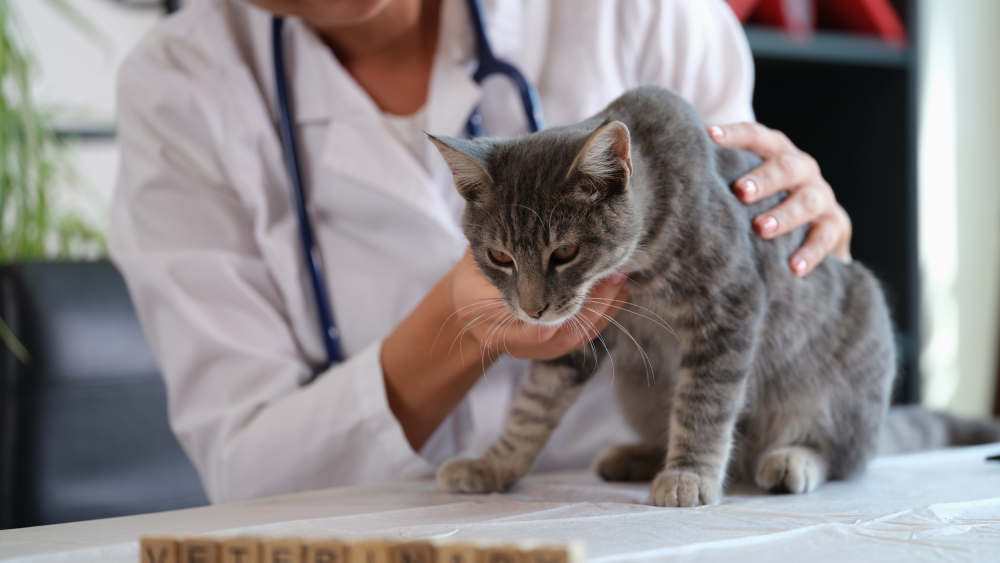
Being consistent with your annual vet checkups can help immensely. Developing a strong relationship with your veterinarian can be an invaluable asset to your cat’s care because your veterinarian can monitor and screen for any common health concerns that affect Savannah Cats.
Healthy Diet
Cats have specific nutritional needs that are very different from humans. They’re obligate carnivores and require a diet that primarily consists of meat. While it’s difficult to resist giving your cat treats from your dinner plate, it’s important to remember that your cat depends on you to eat a healthy diet.
Being overweight or obese can lead to many other serious health conditions, including arthritis, heart disease, and depression. So, it’s important to feed your cat an appropriate amount of nutritious meals and snacks to prevent them from becoming overweight.
Exercise
Savannah Cats are particularly athletic and energetic, so they require a lot of playtime and exercise opportunities to stay happy. We understand that you can’t always actively play with your cat, so you can provide other opportunities by using enrichment toys.
Cats can also get a lot of exercise from climbing and jumping around. So, it’s a good idea to install cat trees, window perches, and other opportunities for your cat to stay active.
Know Your Cat
One of the best ways to keep your cat’s health in check is to get to know your cat. Your cat has a unique personality, and if you know it well, you’ll know exactly what abnormal behavior for your cat looks like.
So, make sure to spend time with your cat and get to know it well. Then, you can be aware of anything strange that may warrant a vet visit.
Conclusion
Staying well-informed about common health concerns for your cat can be life-changing and life-saving. One of the best ways to keep your Savannah Cat healthy and safe is to go to regular vet checkups and provide a nutritious diet and plenty of exercise opportunities. Being on top of these care needs will benefit your cat’s well-being and decrease the risk of developing common health issues.
Featured Image Credit: Kolomenskaya Kseniya, Shutterstock

Expert cat care, straight to your inbox
Vet-reviewed advice, behavior tips, and the best of Catster. Free, and you can unsubscribe anytime.
By signing up, you agree to our Terms & Conditions and Privacy & Cookies Policy.
Jessica is a freelance writer who spends most of her day researching and writing while her fluffy Cavapoo, Nora, naps beside her. She loves and appreciates pets and animals because there’s so much to learn from them, and they do so much for people. As a dog owner, she understands the special connection that pet owners form with their pets. She loves sharing helpful information that people can use to better understand their pets. When she’s not writing, you can find her walking dogs, tending to her plant babies, or drinking her nth cup of coffee.
Join the conversation
Ask a question, share your story, or send private feedback.