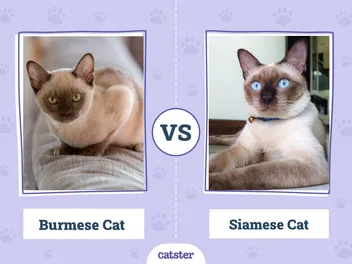
Burmese vs. Bombay Cat: The Differences (With Pictures)


In this article
When you are looking to bring a new furry family member into the home, it is essential to research different breeds to understand more about their looks, personality, traits, and care needs before making a final commitment. Knowing the differences between breeds will ultimately help you decide which is more suitable for your household.
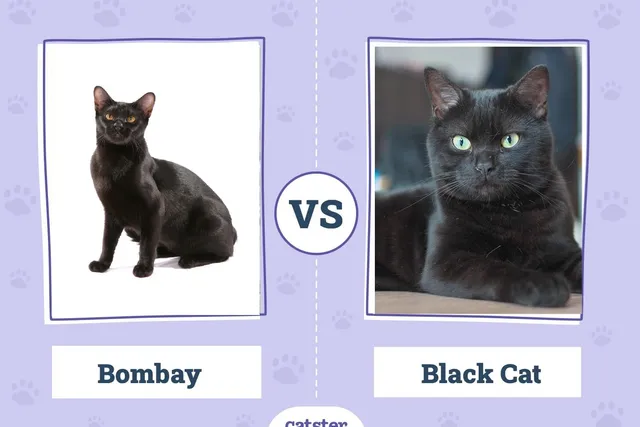
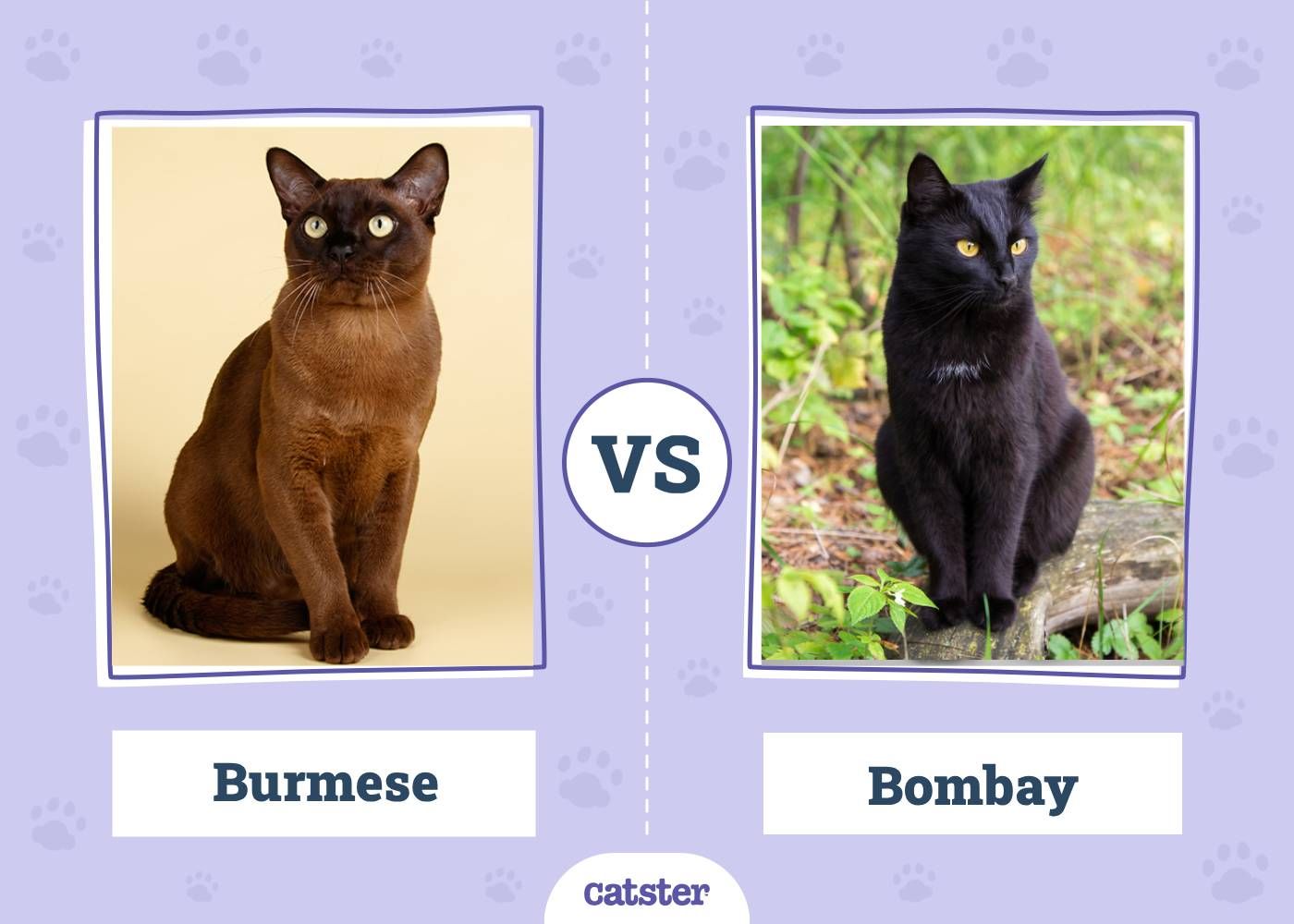
The Burmese is a very unique-looking cat breed that has been around since the 1930s and has remained a very popular breed to this day. The Bombay is a purpose-bred breed that was created in the 1960s by breeding the Burmese with black American Shorthairs to get the look of the breathtaking black panther but in a smaller package.
The truth is, there aren’t very many differences between the two aside from looks, but in this article, we’ll take a deeper dive into each breed so that you can learn a little more about them.

Visual Differences

At a Glance

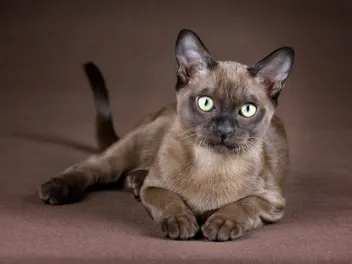
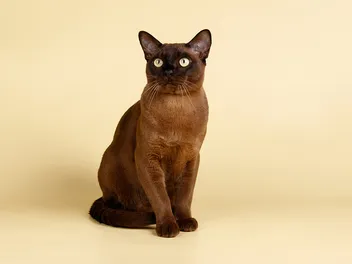
Burmese Overview

The Burmese cat breed got its start in the early 1930’s when Dr. Joseph Thompson of San Francisco brought home a small brown female cat from the country of Burma, which is now known as Myanmar. Her name was Wong Mau, and through selective breeding with Siamese males, the unique brown coat color known as sable was established.
The breed quickly grew in popularity across the United States because of their unique look, sociable nature, and affectionate personality.
Due to an increasing number of outcrossed cats in cat shows, the Cat Fanciers’ Association withdrew the recognition of the breed in 1947, but they were eventually re-established and granted championship status with the CFA in 1957.
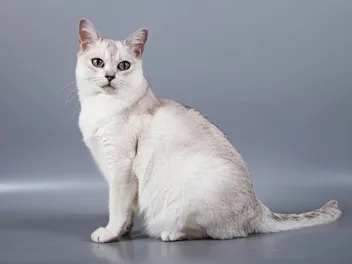
Nowadays, the Burmese cat comes in several coat varieties, four of which are recognized by the CFA: sable, champagne, blue, and platinum.
Personality / Character
Burmese are well known for having certain dog-like tendencies. They are highly intelligent and enjoy learning tricks and may even enjoy a good old-fashioned game of fetch. The breed is very sociable and will love spending time with their family and snuggling up on their laps.
These cats are very affectionate and loving. They generally do very well in homes with children and other animals, including dogs. Because they enjoy having company, they often do not enjoy being left alone for long periods. They tend to be a bit chatty, so expect the Burmese to try to communicate with you vocally, especially when they want your attention.
Activity Needs
The Burmese have a very athletic physique and are known for being solidly built. They also have fairly high energy levels that stay with them far beyond kittenhood. They are excellent climbers and typically enjoy jumping.
These cats should be kept as indoor house cats and require daily interactive play and environmental enrichment. While they are playful and curious, they still rely on human interaction to meet their physical and mental needs. It’s a good idea to have a variety of toys, a cat tree, and some scratching posts handy to keep them occupied.
Health
Regular veterinary care is key to keeping the Burmese as healthy and happy as possible. Burmese are generally a very healthy cat breed, but they are known for enjoying a good meal, which can easily lead to obesity if portions are not monitored.
Since obesity can lead to other serious health concerns, such as diabetes, joint disease, heart problems, and more, it is important to feed your Burmese a properly portioned, nutritionally balanced diet and avoid overfeeding. Some Burmese lines have also been associated with inherited conditions such as hypokalemia, making routine veterinary screening especially important.
Grooming and Care
Burmese have short, sleek coats that require very little grooming. You can always carve out time for a nice, relaxing brushing session that will help remove any loose fur and allow time for bonding.
It’s a good idea to start regular nail trims and tooth brushing during kittenhood to help them become accustomed to these practices. Oral hygiene is especially important since cats are highly susceptible to dental disease and periodontal inflammation.

Suitable For:
Burmese cats make great companions for anyone looking for a friendly, playful indoor cat. The breed’s demeanor makes them excellent for families with children, seniors, and households with other pets when interactions are appropriate and supervised. They do not enjoy being alone, so if there are no other pets in the household, it’s a good idea for their humans to be home throughout most of the day.
Pros
- Prefers being around people
- Friendly and playful
- Loving and affectionate
- Low-maintenance grooming needs
- Generally healthy
- Great with children and other animals
Cons
- Does not do well alone
- Prone to weight gain
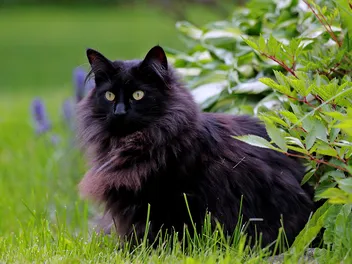
Bombay Overview

The Bombay breed was developed by breeding the Burmese with the black American Shorthair. Nikki Horner, a cat breeder from Louisville, Kentucky, set out to create a cat breed that bore a strong resemblance to a black panther.
The attempt to create a domesticated mini black panther was successful in 1965 and the Bombay was officially recognized as a breed and registered by the Cat Fanciers’ Association in 1970. Championship status with the CFA came shortly afterward in 1976.
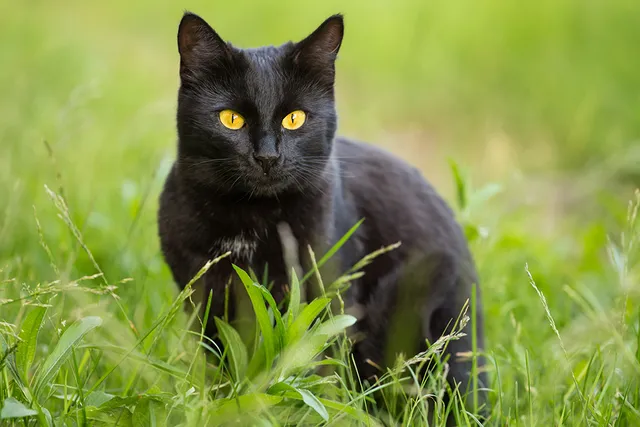
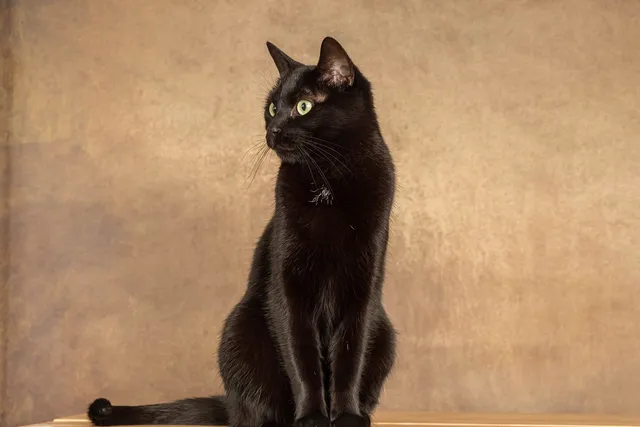
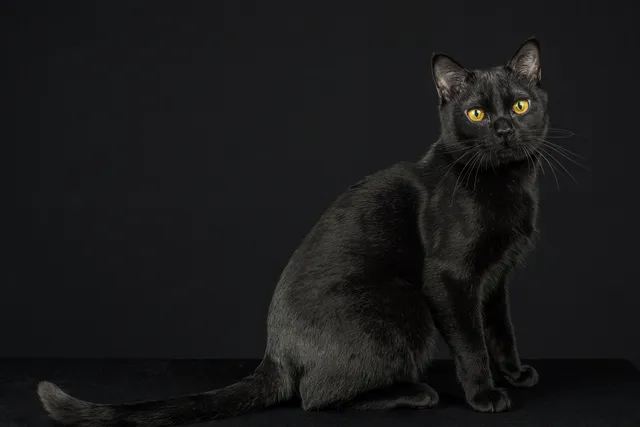
The Bombay falls into the same height and weight range as the Burmese and also features that shiny, sleek coat. In fact, the breed gets the majority of its traits from its Burmese roots; the biggest difference between the two is coat color. While the Burmese come in a variety of coat colors, the Bombay is solid black.
Personality / Character
The Bombay is a very social, intelligent cat that loves to be around people. They form very strong bonds with their family members and prefer to be in their company as much as possible. They do not like being alone, and it’s common for the breed to exhibit signs of stress-related behaviors associated with social isolation when left alone for long periods.
This is an incredibly friendly breed that gets along well with children and other pets. The Bombay is typically only vocal when necessary and has a very soft, quiet voice. They will thoroughly enjoy sleeping either on or near their people and will often feel the need to keep by your side throughout the day. This is not a breed that will shy away from the commotion of the household.
Activity Needs
Bombays, like the Burmese, have a sturdy, strong build. They are very agile climbers and jumpers, so it’s best to have a cat tree and other high surfaces they can enjoy. They are quite active, so they will benefit greatly from having plenty of toys to keep them engaged and stimulated.
While they will have no trouble curling up for a good nap, this breed will enjoy having a family that can set aside time for one-on-one interaction and play. Like any cat, they may start to slow down as they age, but their moderate to high energy levels will be carried well into adulthood.
Health
The Bombay tends to be a very healthy breed with no well-documented breed-specific inherited diseases, though maintaining regular veterinary care is very important in supporting their long-term health.
Like the Burmese, they tend to become overweight if their diet is not monitored carefully or if they are not getting regular exercise. Bombays should be fed a high-quality, well-balanced diet that is appropriately portioned to help prevent obesity and associated conditions such as diabetes and joint disease.
Grooming and Care
The Bombay’s short, sleek, black coat is very easy to maintain. They require very little grooming but can always benefit from routine brushing to remove any loose fur, as well as nail trimmings as needed. Tooth brushing should be implemented during kittenhood since dental disease is common in cats and early prevention is essential for lifelong oral health.

Suitable For:
Much like the Burmese, the Bombay is suitable for most households looking for an indoor cat that is friendly, social, and lovable. Since they do not like to be alone, they are best suited for households that have someone home most of the time. The breed is great for families with children, households with other pets, and seniors that can devote their time to them.
Pros
- People-oriented
- Friendly and playful
- Loving and affectionate
- Low-maintenance grooming needs
- Generally healthy
- Great with children and other animals
Cons
- Does not do well alone
- Weight must be monitored
Which Breed Is Right for You?

When it comes to comparing the Burmese with the Bombay, you’ve probably noticed there is not much difference between the two besides coat color. The Bombay is a purpose-bred breed that is directly descended from the Burmese and draws a lot of its characteristics directly from those Burmese roots.
Both breeds are highly sociable, intelligent, friendly, and love to be around people. Each does well with children and other pets and will enjoy being involved in household activities. They are built very similarly, have moderate to high energy levels, and enjoy jumping, climbing, and exploring.
Neither the Burmese nor the Bombay like to be left alone and may show signs of separation anxiety when left alone for long periods. It’s important to remember each cat is an individual with its own unique personality, but overall, the decision between the two ultimately comes down to whether you prefer the coat color varieties of the Burmese or are looking for a solid black cat that looks like a little black panther.
See Also:
Featured Image Credit: Left - Oleksandr Volchanskyi, Shutterstock | Right - Viktor Sergeevich, Shutterstock
Expert cat care, straight to your inbox
News, insights, and useful advice, delivered to you.

No spam — unsubscribe anytime.
By signing up, you agree to our Terms & Conditions and Privacy & Cookies Policy.
How useful was this post?
Click a star to rate. You can leave written feedback afterwards. (We read all feedback.)
Lindsey and her husband enjoy traveling the US with their kids and photographing wildlife. Her passion is to educate others on the importance of proper animal care, with an emphasis on reptiles and exotics since their care requirements can be much more complex. She is also a huge advocate for bully breeds. She feels most at home in the forest either on horseback or in hiking boots.