In this article
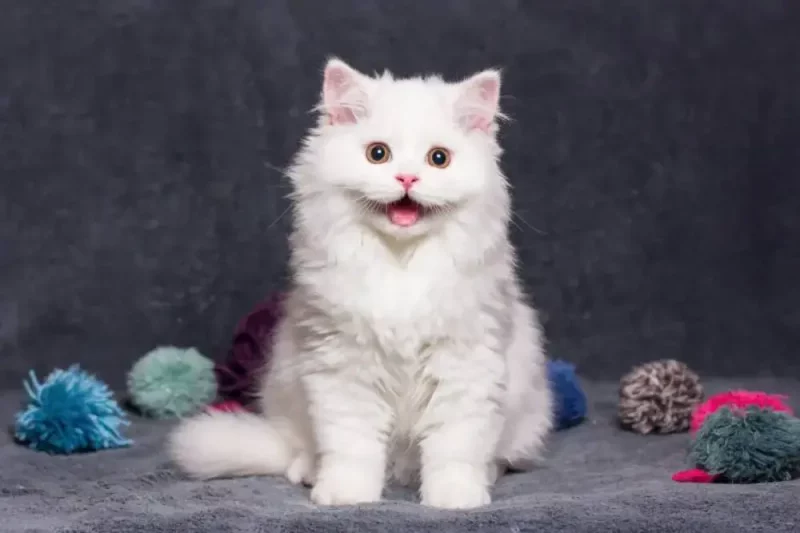
View 8 More +Javanese cats are a special breed. They are clever, feisty, and mischievous cats that love to spend time with their favorite humans. Their narrow, triangle-shaped head is a notable feature, as is their similarity to the Siamese cat. If you are looking for a cat that is chatty and unique, the Javanese cat may be the ideal companion for you.
Breed Overview
Height:
9–12 inches
Weight:
8–15 pounds
Lifespan:
12–15 years
Colors:
Lynx, tortoiseshell, cream, red, lilac, blue
Suitable for:
People who love chatty cats, families with children, multi-pet households, active families
Temperament:
Vocal and social, energetic, intelligent, curious
The Javanese cat drew the eye of cat enthusiasts in the 1970s when cat breeders began crossing Balinese cats with Colorpoint Shorthairs. The result of this breeding was the Javanese cat, sometimes referred to as the Colorpoint Longhair.
Javanese cats are beloved felines that suit all sorts of family dynamics. Families who prefer a social pet will be delighted by the Javanese cat’s company, so read on to learn more about this breed’s care needs and determine if they are right for you.
Javanese Characteristics

Javanese Breed Kittens

Javanese cats are somewhat rare compared to other breeds. While finding one won’t be impossible, it may be a challenge. The first place you can check is your local animal shelter. Call ahead and ask if there are any Javanese cats in their care that need a loving home. If there are, you can adopt your Javanese cat and provide them with a family. If not, you can continue down other avenues, such as pet store shopping and working with a breeder.
When searching for a pet from a pet store, pay close attention to the state of the animals in their care. Some pet stores house their animals in poor conditions, which may lead to health problems and behavioral issues. Avoid shopping at stores that do not treat their animals with care and dignity.
Similarly, when researching breeders, find breeders that are ethical and reputable. Irresponsible breeders can produce litters without checking for genetic diseases, so evaluate each breeder’s credibility before working with them.
Javanese kittens are energetic and playful, so make sure you have plenty of entertainment options before bringing them home. Cat trees, puzzle feeders, and interactive toys are great ways to keep your lively kitten enriched and out of mischief.
Temperament & Intelligence of the Javanese
In many ways, the Javanese cat is similar to the Siamese. They are curious, intelligent, and constantly on the move. However, the Javanese cat has their own personality quirks as well. They are adventurous and always eager to climb and leap on top of high surfaces. Whether high or low, they investigate their surroundings, searching for something new and interesting to satisfy their curious mind.
Toys and other enrichment opportunities will be necessary for this cat, as they will grow bored quickly without entertainment. A bored cat can be mischievous, especially in the case of the Javanese cat. This energetic, playful cat will have no problem getting into all sorts of trouble if they aren’t given adequate mental stimulation. To prevent your Javanese cat from causing trouble, it is best to give them plenty of toys to keep them occupied.
Cats are social animals, but the Javanese cat takes it to a whole new level. There will rarely be a day that your Javanese cat doesn’t meow, chirp, or “chat” with you in some form. These social butterflies will constantly be at your heels, vocalizing enough for you to have a full conversation. If you’re looking for a social companion, the Javanese cat is definitely the one for you!
Are These Cats Good for Families? 👪
The Javanese cat is a friendly feline that thrives in all sorts of household dynamics, and a family with children is no exception. Javanese cats love having plenty of people to talk to and follow around all day. In the Javanese cat’s opinion, the more the merrier!
They get along with children but can become frazzled with young kids who do not respect their boundaries. To ensure that your children and your cat have a good relationship, it is important to teach them how to behave around cats and to supervise all interactions.

Does This Breed Get Along With Other Pets? 🐶 😽
Javanese cats usually get along fine with other pets. Assuming that all of your pets have been properly socialized and introduced, the Javanese cat can adapt to a new animal’s presence and begin to accept them as their family. As with young children, all interactions between your pets should be supervised.
Be cautious when introducing large dogs into the family since their size may make them a danger to your Javanese cat if they accidentally step on or knock them over. Similarly, small animals (such as mice or hamsters) are not recommended due to your Javanese cat’s prey drive. Their prey drive may cause them to see smaller animals as a potential meal, which may compel them to chase or even harm your smaller pet.
Things to Know When Owning a Javanese
Before bringing a Javanese cat home, it’s best to familiarize yourself with their care requirements to ensure you can provide them with the best care possible. In addition to their diet and exercise, you should also consider their training, grooming, and healthcare needs.
Food & Diet Requirements 🐡
Javanese cats need high-quality, feline-appropriate food to remain healthy. Since cats thrive on a carnivorous diet, a meal high in crude protein content is ideal. Furthermore, their meals should consist mainly of an animal protein source, such as chicken, turkey, or fish. Typically, if meat is listed as the first ingredient in a commercial cat food, it is one of the primary ingredients.
Owners of the Javanese cat should be aware that they can easily become overweight if their diet isn’t monitored. Therefore, free feeding the Javanese cat is not advised. Instead, carefully monitor how much your Javanese cat eats to ensure they are not overeating.

Exercise 🐈
Javanese cats are energetic balls of fur, and they’ll need lots of exercise. You can provide opportunities for exercise by providing cat trees and interactive toys. It is also a good idea to schedule regular playtime with your Javanese cat since they are playful felines who love to be around their people.
Training 🧶
First-time cat owners will benefit from the Javanese cat’s curiosity and intelligence since these traits make them an excellent cat to train. They are eager to learn and please their owner, so convincing them to participate in training won’t be much of a hassle. Plus, since Javanese cats love food, you can use treats to entice them.
The most effective way to teach your Javanese cat is through positive reinforcement. Harsh correction methods such as yelling and punishments are ineffective and may cause your Javanese to become frightened of you, making training a much more difficult process.
They can also damage the bond that you have built with your cat, so it is best to reward your cat for desired behavior rather than punish them for incorrect behavior.
Grooming ✂️
Javanese cats have silky, medium-length coats with no undercoat. Despite their coat’s length, they are fairly easy to groom and do not shed much. Thanks to this, Javanese cats are considered to be hypoallergenic. Weekly brushing should be sufficient to keep your Javanese cat’s coat clean and orderly.
In addition to regular brushing, your cat will need their nails trimmed, ears cleaned, and teeth brushed. Maintaining your Javanese cat’s overall grooming care can prevent ear infections, dental disease, and other issues.

Health and Conditions 🏥
Javanese cats are healthy, but they are prone to certain genetic conditions. Some of the most serious conditions a Javanese cat may develop include deafness, asthma, and arthritis. Another relatively minor condition to be aware of is hip dysplasia.
Although these issues are common among the breed, there is no guarantee that your pet will develop them. Working closely with your vet and taking your pet to annual checkups are great ways to monitor your Javanese cat’s health for signs of these conditions.
- Hip dysplasia
- Deafness
- Asthma
- Arthritis
Male vs Female
While owners of the Javanese cat may report differences in personality between the sexes, these differences are largely anecdotal. The main difference observed between male and female Javanese cats is their size; the female tends to be slightly smaller than the male.
3 Little-Known Facts About the Javanese
1. The Breed’s Name Is Misleading
Despite the name, the Javanese is not from Java. Instead, this cat earned their name due to their close relation to the Balinese cat. Java is located near Bali.
2. They Love Heights
Javanese cats love to climb and jump, so make sure there are plenty of places for your cat to perch!
3. You’ll Need to Keep a Close Eye on Your Belongings
Their curiosity makes them excellent thieves, so keep an eye on your belongings! Javanese cats are known to snoop around and open doors and drawers in search of interesting treasures to make their own.
Final Thoughts
Javanese cats are remarkable family cats. They’re social, playful, energetic, and curious—all qualities you look for in an entertaining companion. Furthermore, they aren’t high-maintenance pets, so first-time cat owners shouldn’t have trouble caring for them.
While the Javanese cat may not be easy to find, you have a few options. By reaching out to your local animal shelters, pet stores, and reputable breeders, you can eventually find a Javanese cat in need of a home.
Featured Image Credit: syamhari photography, Shutterstock